The Guide
Contents
- 🚂 The Epic Journey to Ohiya: A Train Ride Through Paradise
- 🌳 Discovering Horton Plains National Park: A World Heritage Site
- 💧 Baker's Falls: A Glistening Gem Amidst the Highlands
- 🌿 Exploring the Cloud Forests and Grasslands: A Hiker's Paradise
- 🌄 Ohiya's Lesser-Known Gems: Beyond the Tourist Trail
- 🌌 Stargazing in the Highlands: A Celestial Spectacle
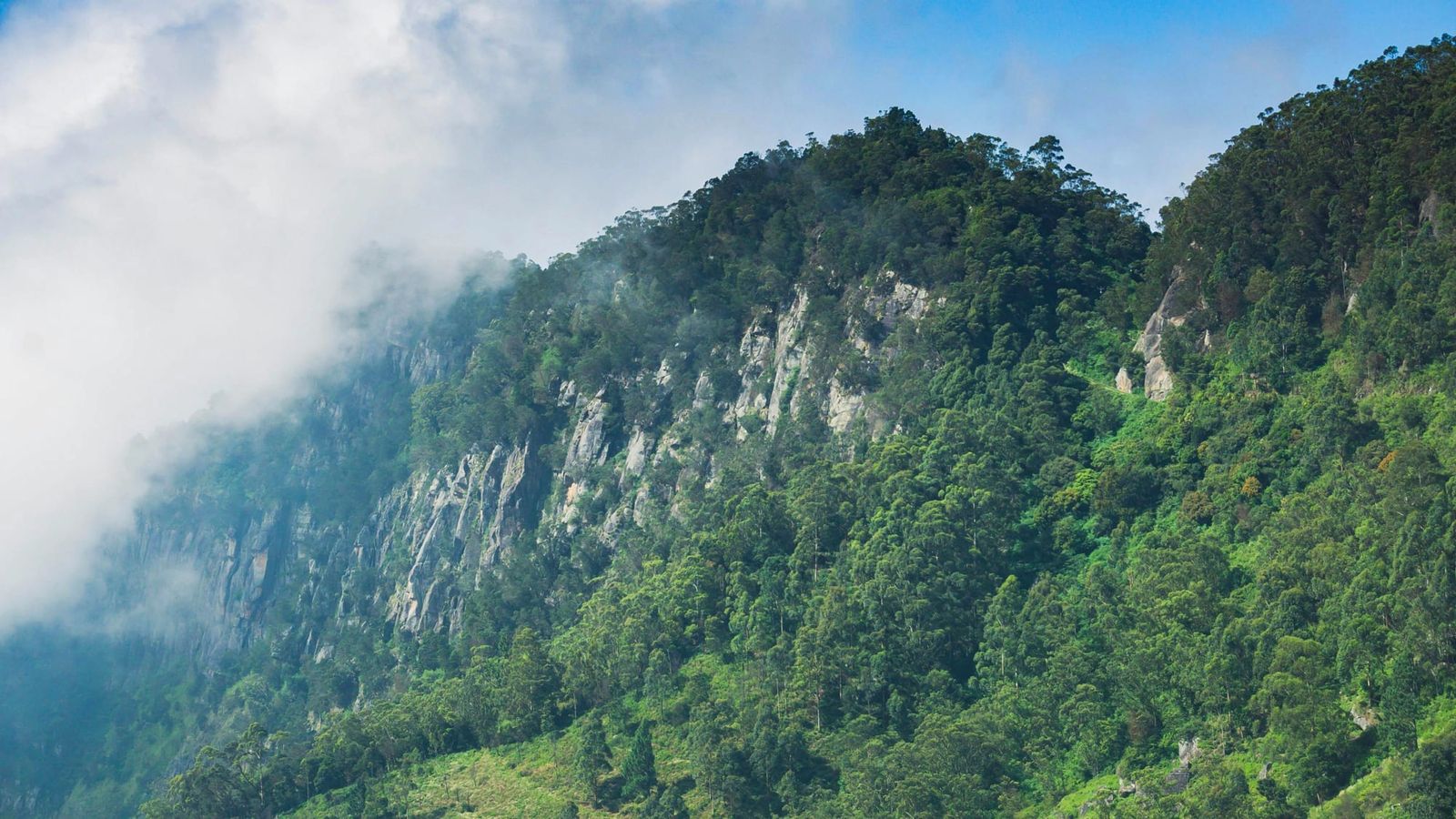
Long ago, before the railways carved their way through Sri Lanka's central highlands, Ohiya was a remote, almost mythical place, known only to a few intrepid explorers and local villagers. Legend has it that the very air here, crisp and pure, held ancient secrets, whispered by the mist-shrouded peaks. It was a land of dense forests, dramatic drops, and endless vistas, a natural fortress guarding some of the island's most precious biodiversity. Today, while the train whistle occasionally breaks the silence, Ohiya retains much of its untouched, ethereal charm, inviting travelers to step into a world where nature reigns supreme and time seems to slow down.
🚂 The Epic Journey to Ohiya: A Train Ride Through Paradise
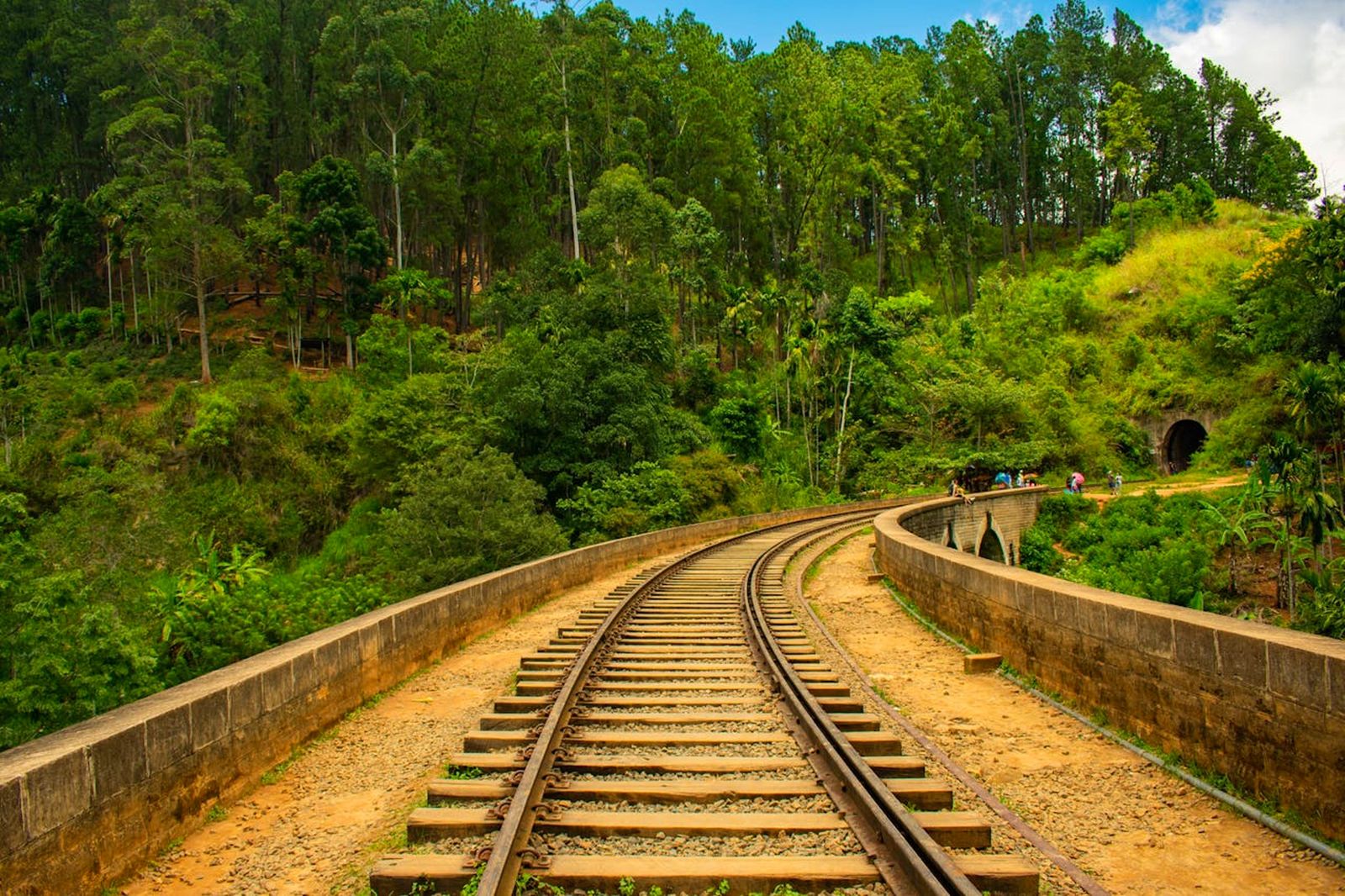
Getting to Ohiya is, for many, half the adventure itself. The Badulla train line, often hailed as one of the most scenic railway journeys in the world, passes directly through Ohiya. As the train slowly ascends through the emerald tea estates, traverses dark tunnels, and clings to the edges of dizzying precipices, passengers are treated to a continuously unfolding panorama of Sri Lanka's breathtaking highlands. From the iconic Nine Arch Bridge to the verdant valleys and distant waterfalls, every turn of the track offers a postcard-perfect view. The journey itself is an immersive experience, a slow reveal of Ohiya's majestic surroundings, building anticipation for the wild beauty that awaits. The windows become living canvases, displaying a tapestry of colors and textures that change with the elevation and the shifting light. It’s not just transportation; it’s a meditative passage through the heart of the island.
The air grows noticeably cooler and crisper as you approach Ohiya station, a small, unassuming outpost that perfectly encapsulates the area's secluded charm. Stepping off the train, you're immediately enveloped in a profound sense of tranquility, a stark contrast to the bustling towns below. The station itself is a quaint, colonial-era structure, a silent witness to countless arrivals and departures, each traveler drawn by the allure of Ohiya's untamed landscapes. The absence of commercial hubbub reinforces the feeling of having arrived somewhere truly special, a sanctuary far removed from the everyday.
🌳 Discovering Horton Plains National Park: A World Heritage Site
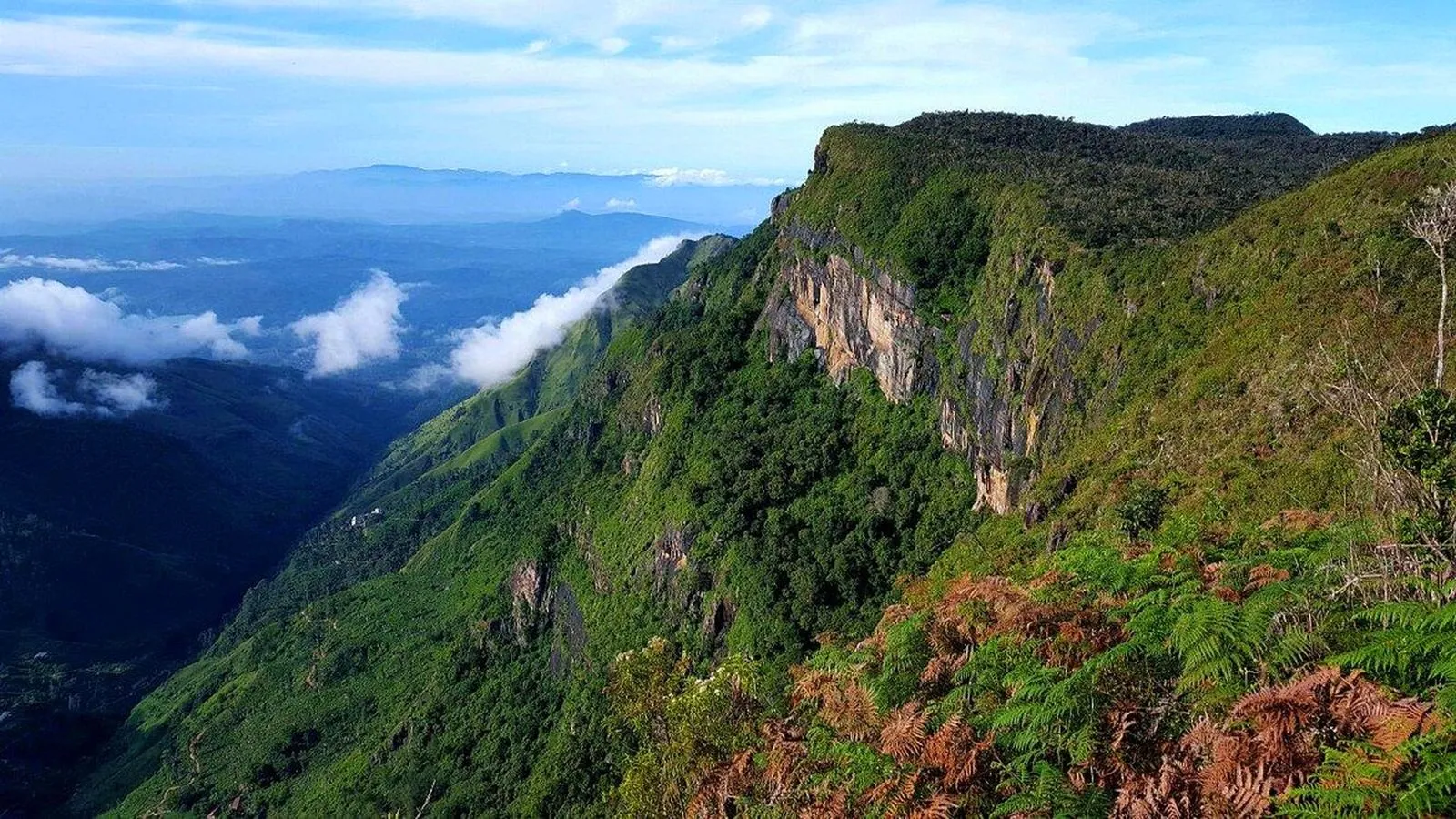
Ohiya serves as a crucial gateway to Horton Plains National Park, a UNESCO World Heritage Site renowned for its unique montane cloud forests and grasslands. This high-altitude plateau is a biodiversity hotspot, home to several endemic species of flora and fauna. The park's most famous attraction is World's End, a sheer cliff with a dramatic 1,200-meter (4,000-foot) drop, offering unparalleled panoramic views that stretch all the way to the southern coast on a clear day. The trek to World's End is a moderately challenging loop, typically taking 3-4 hours, passing through diverse landscapes including misty grasslands, dense cloud forests, and picturesque waterfalls like Baker's Falls.
The early morning hours are ideal for visiting Horton Plains, as the mist often clears to reveal the spectacular vistas. Wildlife spotting is a highlight, with sightings of the elusive Sambar deer, purple-faced langurs, and a variety of endemic bird species being common. The unique ecological conditions of Horton Plains have fostered a distinct ecosystem, making it a living laboratory for naturalists and a breathtaking destination for hikers. The crisp, clean air and the profound silence, broken only by the chirping of birds or the rustle of leaves, contribute to an almost spiritual experience. It's a place where you can truly feel connected to the raw power and delicate balance of nature. Remember to bring layers, as the weather can change rapidly from bright sunshine to dense fog and chilling winds.
💧 Baker's Falls: A Glistening Gem Amidst the Highlands
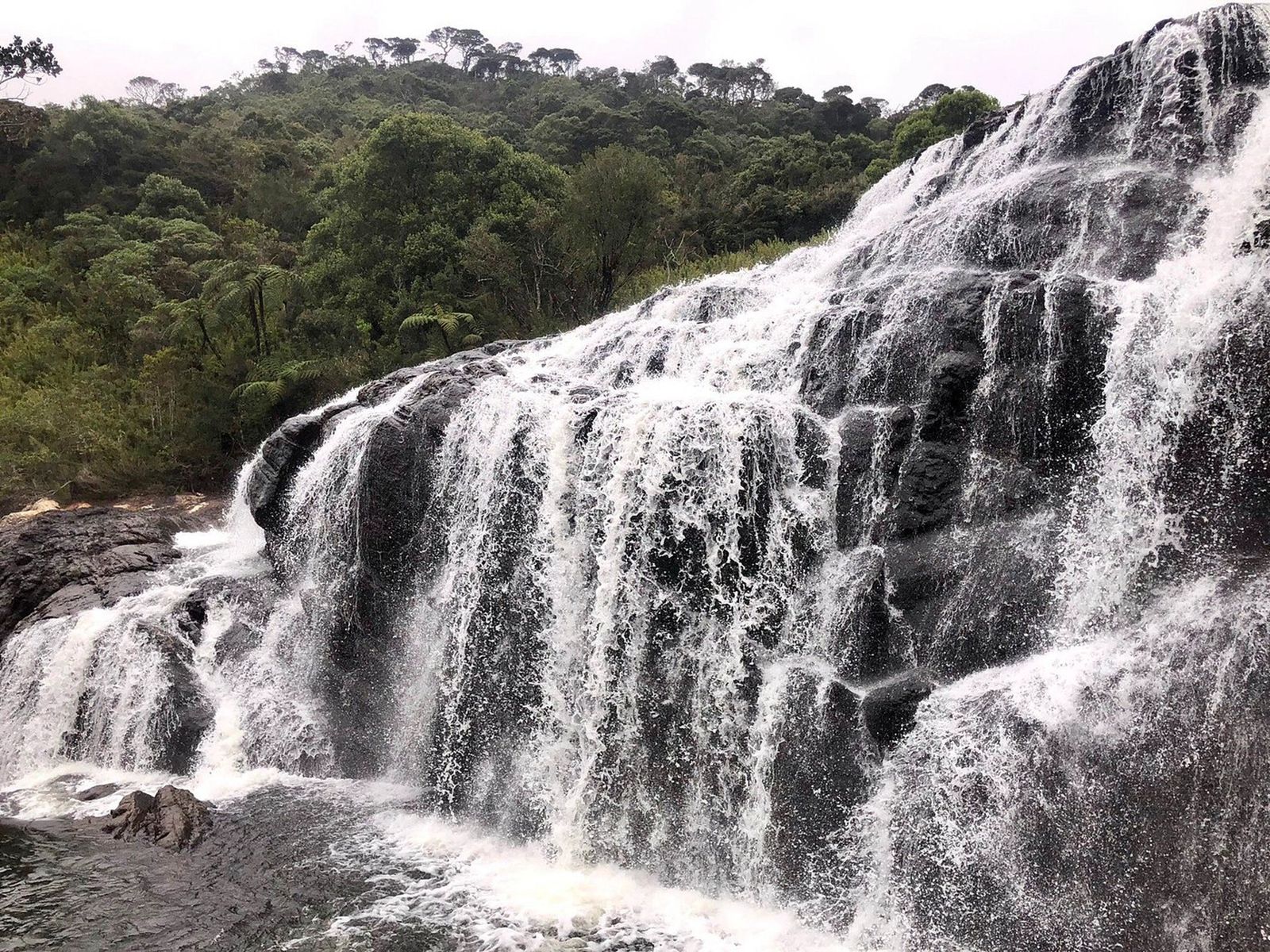
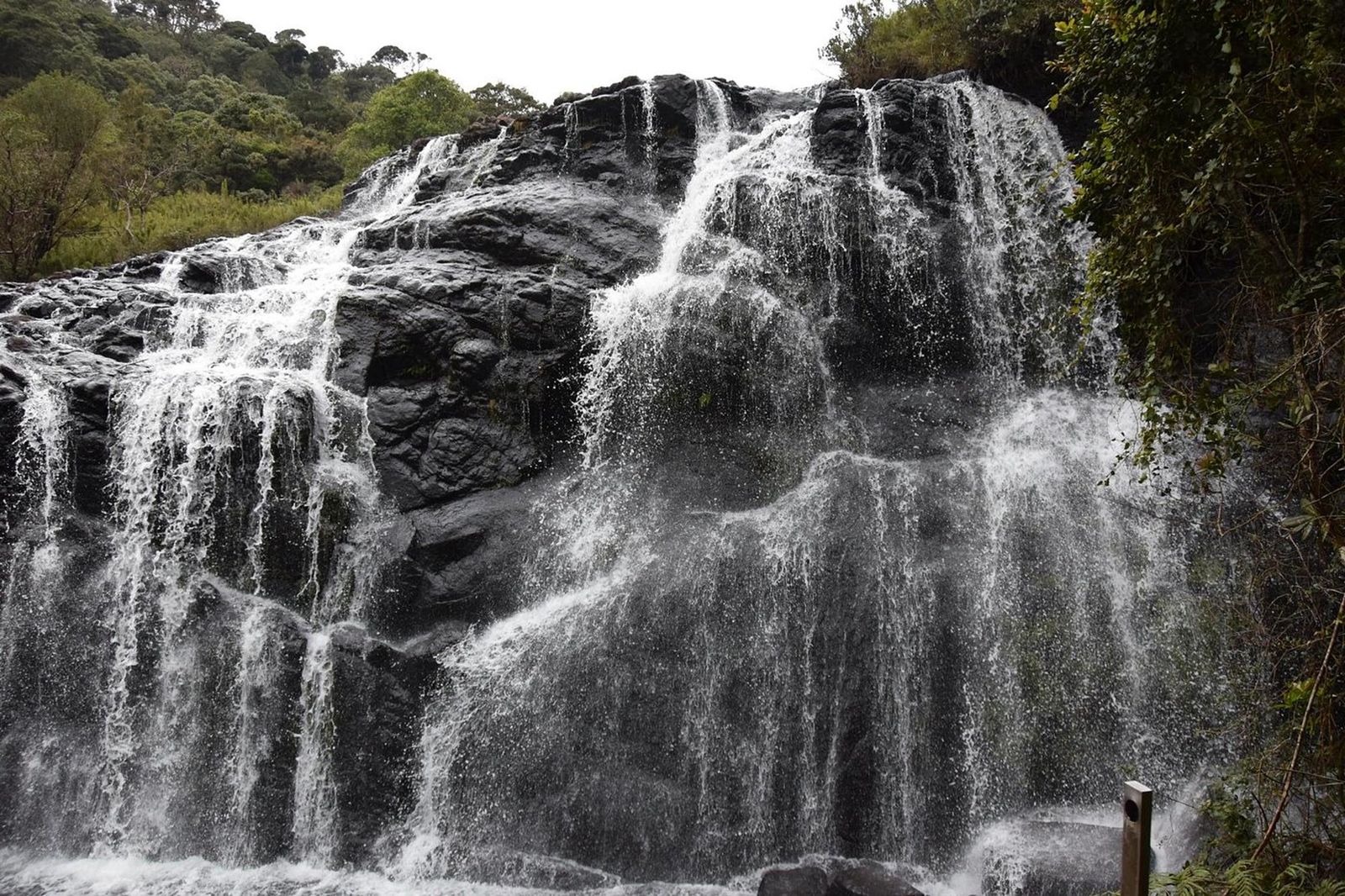
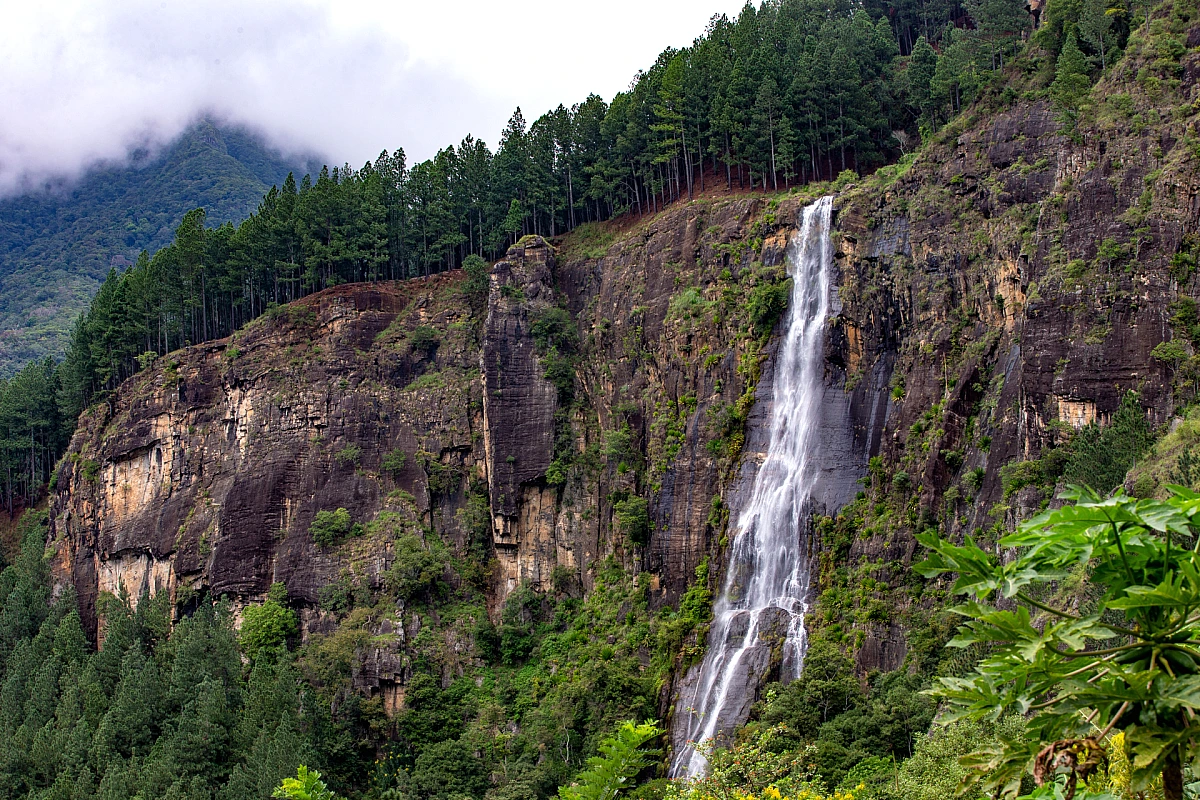
Nestled within the captivating landscapes of Horton Plains National Park, Baker's Falls stands as a testament to the raw, untamed beauty of Ohiya's natural environment. This exquisite waterfall, named after the British explorer Sir Samuel Baker, is a popular stop along the main hiking trail to World's End. Cascading elegantly over rugged rocks, the water tumbles down from a height of approximately 20 meters, creating a mesmerizing display of spray and sound. The air around the falls is perpetually cool and damp, carrying the refreshing scent of moist earth and lush vegetation.
Reaching Baker's Falls requires a slight detour from the main path, but the short descent through dense rhododendron bushes and moss-covered trees is well worth the effort. The path can be a little slippery, especially after rainfall, so sturdy footwear is essential. Upon arrival, visitors are greeted by a serene pool at the base of the falls, often shrouded in a gentle mist that adds to its ethereal charm. The surrounding area is rich in biodiversity, with unique plant species thriving in the humid microclimate. It’s an ideal spot for photography, offering numerous vantage points to capture the waterfall's pristine beauty. The sound of the rushing water is incredibly soothing, providing a perfect moment for reflection and appreciation of nature's artistry. Many trekkers find it a refreshing interlude before continuing their journey or a peaceful spot to rest and rejuvenate. The sheer power of the water, combined with the tranquil surroundings, creates an unforgettable sensory experience.
🌿 Exploring the Cloud Forests and Grasslands: A Hiker's Paradise
Beyond the well-trodden path to World's End and Baker's Falls, Ohiya and its surrounding areas offer a plethora of opportunities for intrepid hikers and nature enthusiasts. The montane cloud forests are particularly enchanting, often swathed in mist, giving them an almost mystical appearance. These forests are characterized by gnarled, moss-covered trees, orchids, and ferns, thriving in the high humidity and cool temperatures. Walking through these forests feels like stepping into an ancient, primeval world, where every rustle of leaves could reveal a hidden creature.
The grasslands, in contrast, offer sweeping, open vistas, particularly stunning during sunrise or sunset when the light paints the landscape in hues of gold and amber. These grasslands are home to unique grasses and wildflowers, adapted to the harsh highland conditions. Birdwatching is exceptional here, with numerous endemic species flitting among the bushes and soaring above the plains. Keep an eye out for the Sri Lanka whistling thrush, a rare and beautiful bird whose melodious call echoes through the valleys. For those seeking a deeper connection with nature, venturing off the main trails (with a local guide, of course) can lead to secluded spots, hidden springs, and even more spectacular viewpoints, offering a truly immersive experience of Ohiya's wild heart. The diversity of the landscape within such a concentrated area is remarkable, transitioning from dense, dark forest to wide-open plains in a matter of minutes, showcasing the incredible ecological richness of the region.
🌄 Ohiya's Lesser-Known Gems: Beyond the Tourist Trail
While Horton Plains is undoubtedly the star attraction, Ohiya itself holds many hidden treasures for those willing to explore. The village of Ohiya, though small, offers glimpses into traditional highland life. The pace is slow, the people are warm, and the connection to the land is palpable. Exploring the local tea plantations around Ohiya can be a rewarding experience. While not as grand as some of the more commercial estates, these smaller plantations offer a more intimate look at the tea-picking process, often allowing visitors to interact directly with the tea pluckers and learn about their daily lives. The scent of fresh tea leaves permeates the air, a delightful aroma that is uniquely characteristic of the Sri Lankan highlands.
For the truly adventurous, there are numerous lesser-known hiking trails that branch off from the main roads and railway lines. These trails often lead to secluded viewpoints, untouched waterfalls, or ancient forest patches that rarely see tourists. One such path might lead to a vantage point offering a different perspective of World's End, or a quiet spot perfect for a picnic with unparalleled views. Engaging a local guide is highly recommended for these excursions, not only for safety but also to gain insights into the local flora, fauna, and folklore. These off-the-beaten-path experiences are what make Ohiya a truly special destination, offering authentic encounters with nature and culture that go beyond the typical tourist itinerary. The sense of discovery, of finding something truly unique and unspoiled, is a powerful draw for many who venture to this remote corner of Sri Lanka.
🌌 Stargazing in the Highlands: A Celestial Spectacle
Due to its high altitude and minimal light pollution, Ohiya offers some of the most spectacular stargazing opportunities in Sri Lanka. On a clear night, the sky transforms into a dazzling canvas, with countless stars, constellations, and the Milky Way visible to the naked eye. Far removed from the city lights, the celestial display here is truly awe-inspiring, providing a profound sense of perspective and wonder. It's an ideal location for astrophotography or simply for quiet contemplation under the vast expanse of the cosmos. The crisp night air and the silence of the highlands create the perfect ambiance for this natural spectacle, making it an unforgettable part of the Ohiya experience. Imagine sitting by a campfire, wrapped in a warm blanket, and gazing up at a sky so dense with stars that it feels like you could reach out and touch them. This undisturbed view of the universe is a rare treat in our increasingly illuminated world, making Ohiya a prime spot for anyone with an interest in astronomy or simply a desire to witness the raw beauty of the night sky.
The clarity of the atmosphere at this elevation allows for an unparalleled view of distant galaxies and nebulae, offering a truly immersive celestial experience. Whether you're an amateur astronomer with a telescope or simply someone who appreciates the beauty of the night sky, Ohiya's dark skies will leave you spellbound. It’s a reminder of the vastness of the universe and our small place within it, a truly humbling and inspiring experience that complements the natural wonders encountered during the day. Don't forget to pack a good flashlight or headlamp for navigating in the dark, and a sturdy tripod if you plan on capturing the magic through photography.