The Guide
Contents
Ever wondered if a place could feel like the edge of the world, where mist kisses the plains and ancient forests whisper secrets of a bygone era? Welcome to Horton Plains National Park, a UNESCO World Heritage Site that promises just that – a breathtaking encounter with Sri Lanka’s unique montane ecosystem, perched precariously at the southern edge of the central highlands.
Forget the sun-drenched beaches and bustling cities; Horton Plains offers an entirely different facet of this island nation. It's a land of rolling grasslands, cloud forests, and dramatic escarpments, home to a biodiversity that's found nowhere else. The air here is crisp, often cold, and carries the scent of damp earth and wildflowers. The silence, broken only by the chirping of birds or the rustle of leaves, is profound, creating an atmosphere of serene solitude. This isn't just a walk; it's a pilgrimage into a truly wild heart of Sri Lanka, a place where nature reigns supreme and the views stretch into infinity.
🏞️ Worlds End: A Glimpse into the Abyss
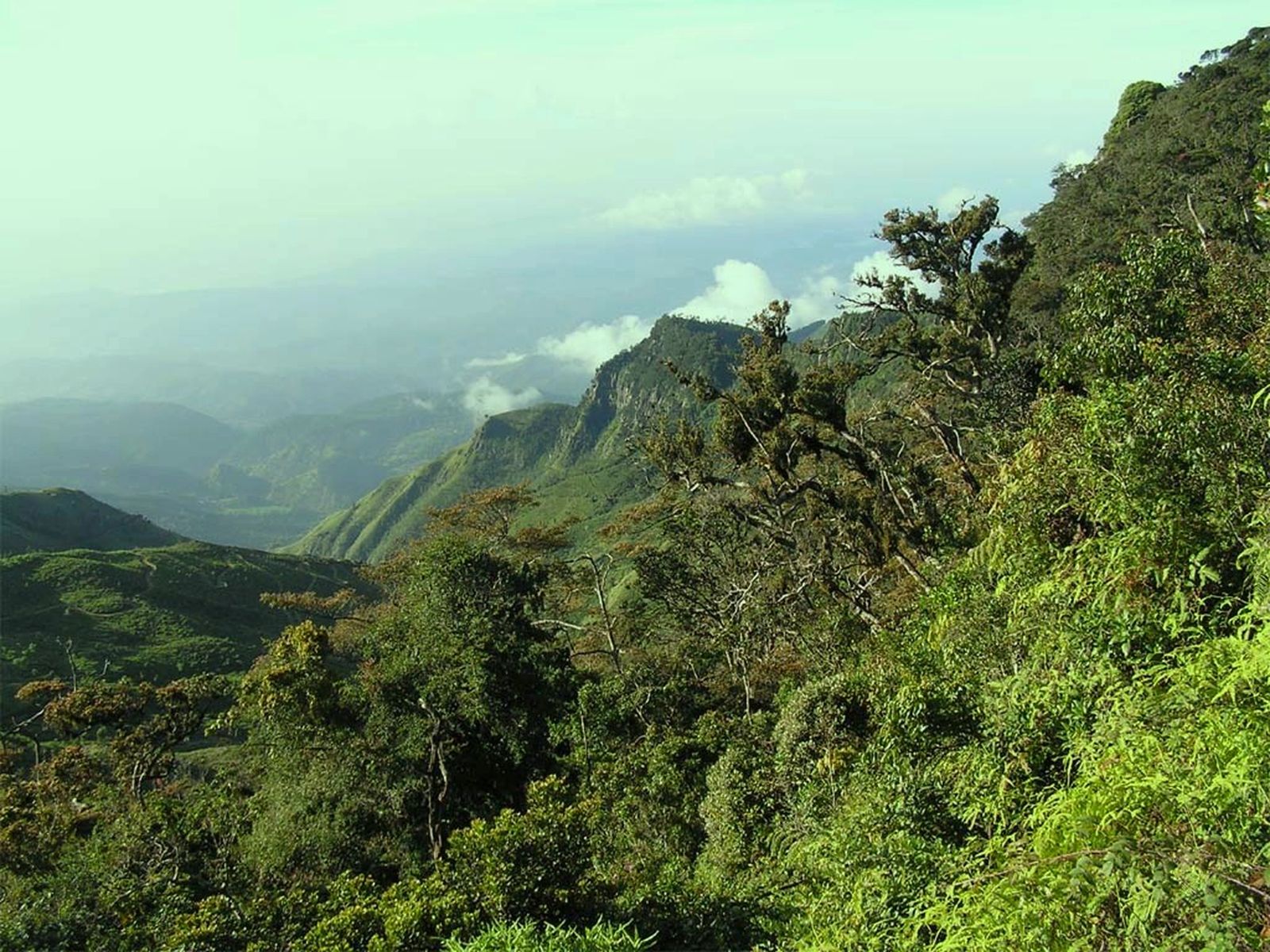
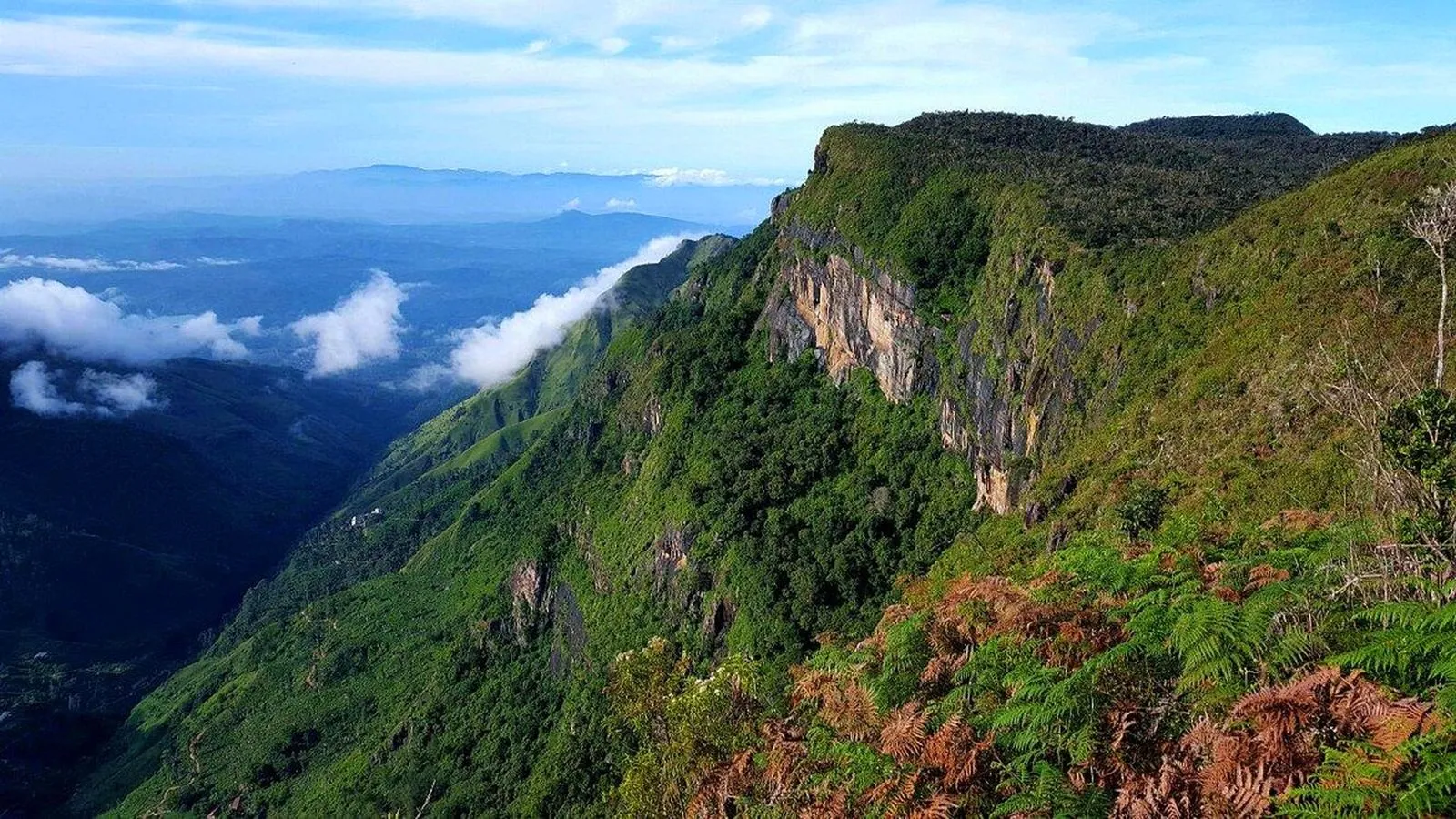
Let's be honest, the star attraction, the crescendo of any visit to Horton Plains, is undoubtedly World's End. This dramatic cliff edge, plunging nearly 900 meters (about 3,000 feet) into the valleys below, is nothing short of spectacular. Imagine standing on a precipice, with the wind whipping around you, gazing at an unbroken panorama that stretches all the way to the south coast on a clear day. The sheer scale of it is humbling, a stark reminder of nature's raw power. But here's the insider tip: you NEED to get there early. And by early, I mean arriving at the park gates before 7 AM, ideally even earlier. Why? Because by mid-morning, the infamous mist and fog roll in, often completely obscuring the view. It’s like a cruel lottery, but one you can significantly influence by being an early bird. The walk to World's End is part of a circular trail, a well-maintained path that weaves through diverse landscapes. You'll traverse open grasslands, wade through small streams (sometimes), and trek through patches of stunted cloud forest. The path itself is relatively flat for the most part, with a few gentle ascents and descents. The anticipation builds with every step, and when you finally reach that edge, the reward is immeasurable. Don't forget to take a moment to truly soak it in, beyond just snapping photos. The feeling of being on the precipice, with nothing but air between you and the distant plains, is something you won't soon forget.
💧 Baker's Falls: Nature's Gentle Cascade
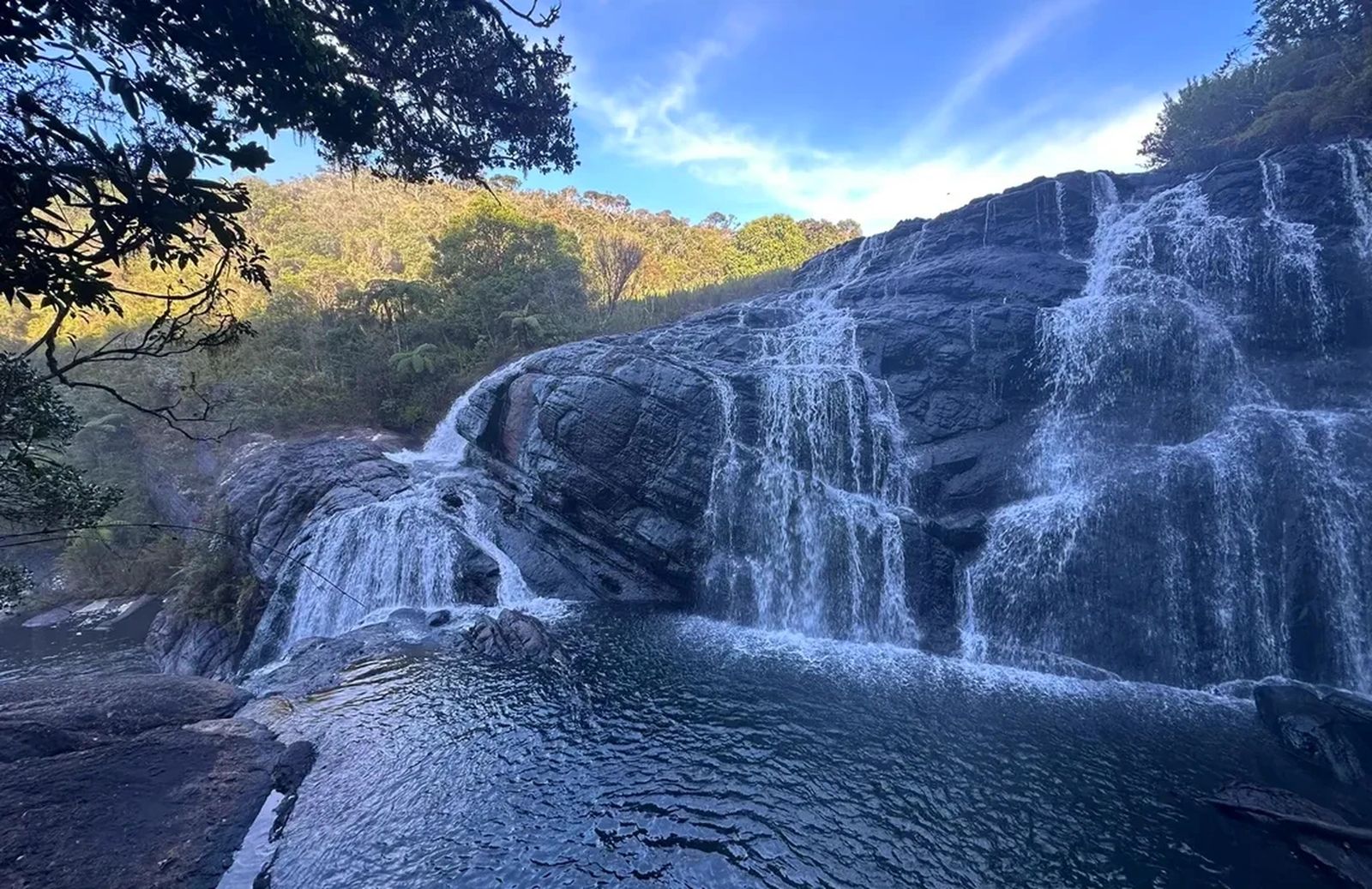
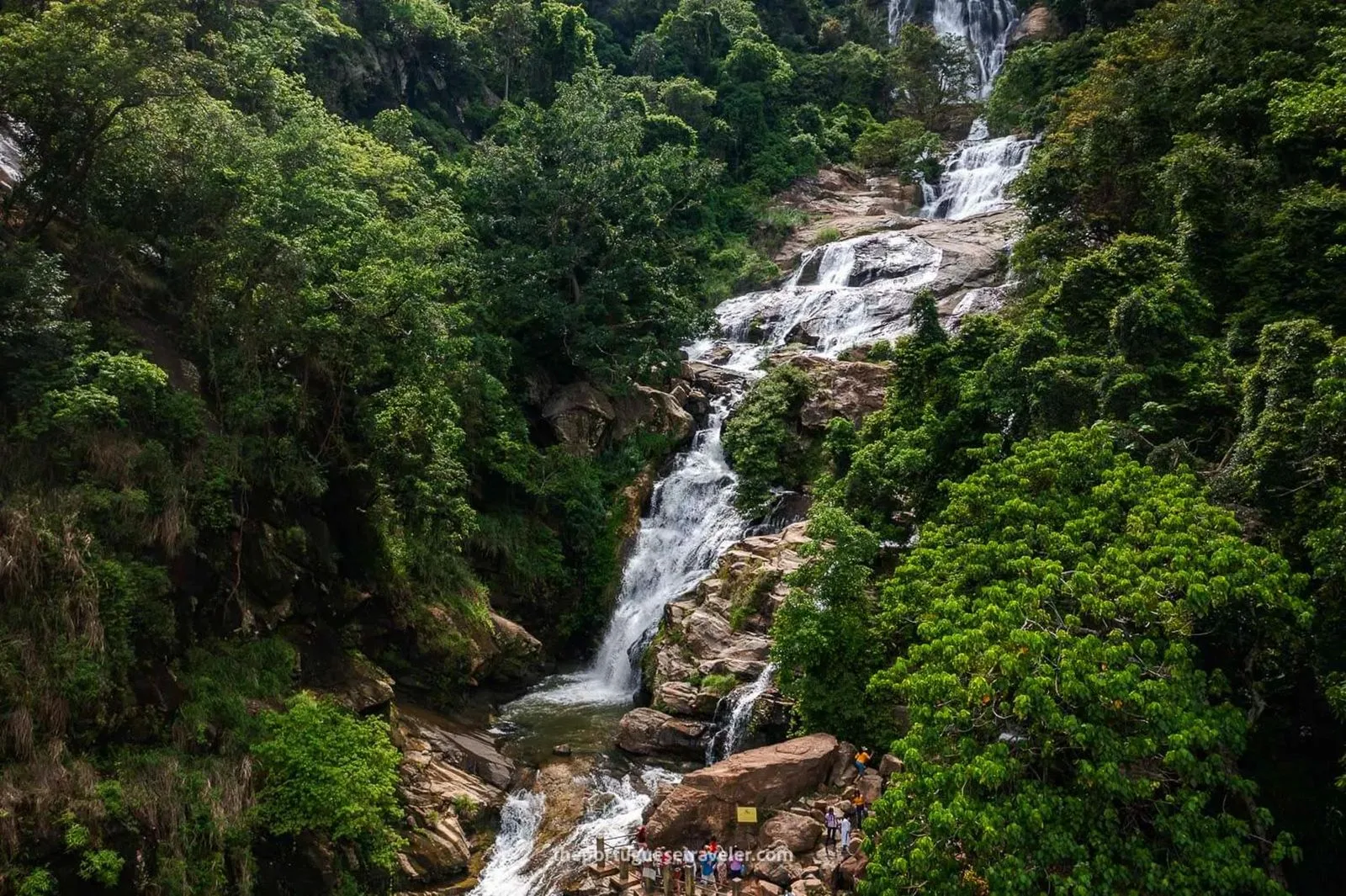
Midway through your trek, you'll encounter Baker's Falls, a beautiful cascade named after Sir Samuel Baker, a British explorer. While not as grand or powerful as some of Sri Lanka's other famous waterfalls, Baker's Falls has a charm of its own. It's a tranquil spot, nestled amidst lush greenery, where the water tumbles over rocks into a clear pool. It’s a welcome respite from the walk, a place to pause, refresh, and appreciate the smaller wonders of the park. The path to the falls involves a slight detour and a descent, which means a short climb back up, but it's well worth the effort. The air here is noticeably cooler, often damp with spray, and the sound of rushing water is incredibly soothing. It’s a perfect spot for a quick snack or to simply sit and listen to the symphony of nature. Keep an eye out for endemic birds flitting amongst the trees surrounding the falls; this area is a hotspot for avian activity, especially in the early morning.
🦌 Wildlife Wonders: Beyond the Views
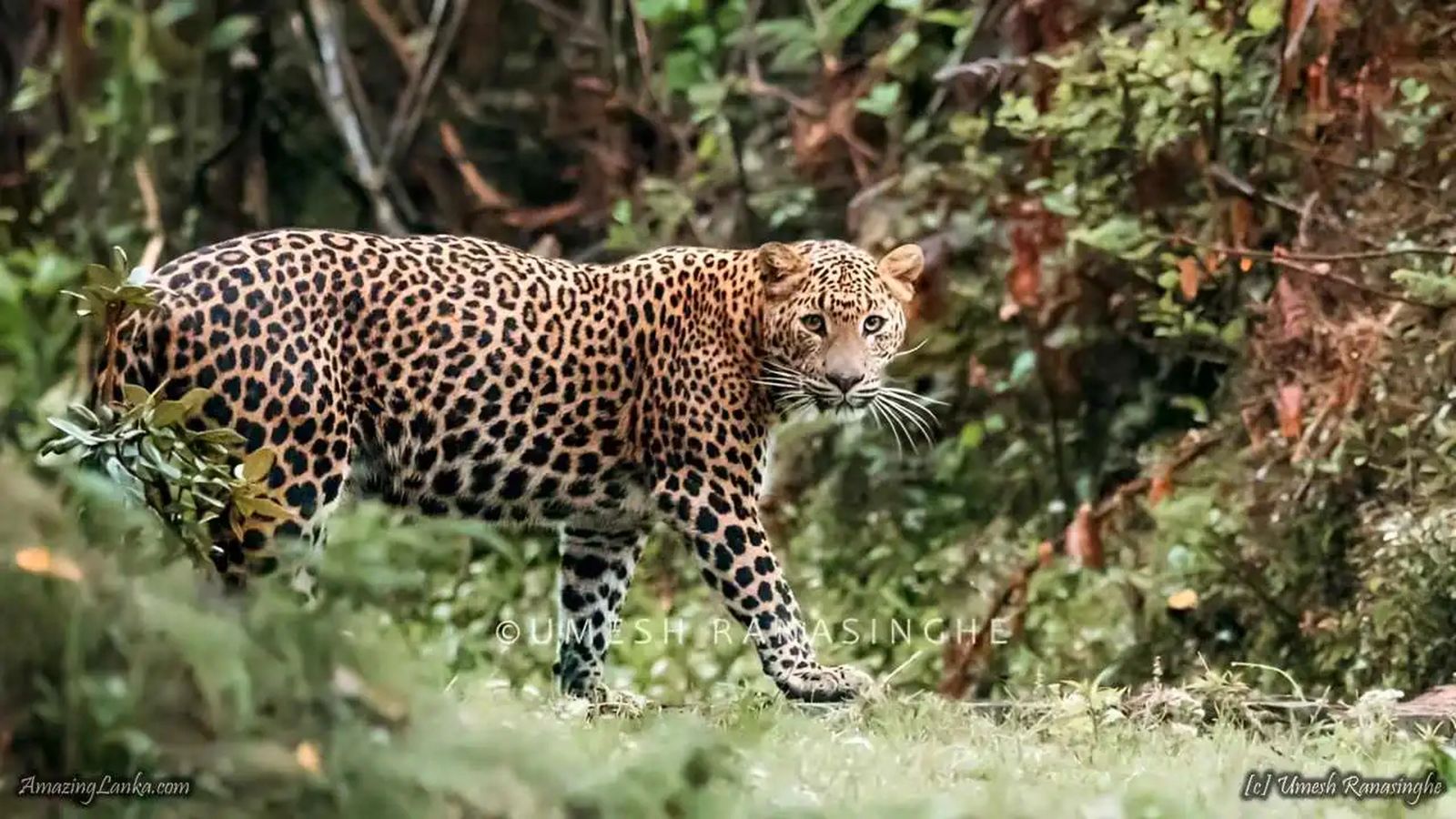
Horton Plains isn't just about dramatic vistas; it's a vital sanctuary for a variety of wildlife, including several endemic species. The Sambar deer is perhaps the most iconic resident, often seen grazing peacefully in the open grasslands, particularly in the early morning or late afternoon. They are surprisingly tolerant of human presence, allowing for some fantastic photo opportunities. Keep an eye out for the elusive Sri Lankan Leopard, though spotting one is a rare treat and requires immense luck. More commonly, you might spot the Purple-faced Langur, a primate unique to Sri Lanka, clambering through the trees. Birdwatchers will be in paradise here, with species like the Sri Lanka Whistling Thrush, the Dull-blue Flycatcher, and the Sri Lanka Bush Warbler making their home in these montane forests. The park is a designated Important Bird Area (IBA), and for good reason. Bring a good pair of binoculars and patience, and you're likely to be rewarded with some incredible sightings. The ecosystem here is delicate and unique, a testament to the island's incredible biodiversity. Remember to maintain a respectful distance from all wildlife and never, ever feed the animals.
☁️ Cloud Forest Chronicles: A World Apart
As you traverse the park, particularly on the stretches leading to and from World's End, you'll pass through areas of dense cloud forest. These stunted, moss-laden forests are a world unto themselves, perpetually shrouded in mist and dripping with moisture. The trees, gnarled and ancient, are often covered in epiphytes – mosses, ferns, and orchids – creating an otherworldly, almost mystical atmosphere. The air is cool and damp, and the light filters through the dense canopy in ethereal shafts. This unique habitat is crucial for many endemic species, and walking through it feels like stepping back in time. It's a stark contrast to the open grasslands, showcasing the incredible microclimates within the park. Pay attention to the intricate details here: the delicate patterns of moss, the vibrant colours of fungi, and the unique flora that thrives in this perpetually moist environment. It’s a photographer’s dream and a botanist’s delight. The sounds in the cloud forest are also distinct – the drip of water, the distant calls of birds, and the rustle of unseen creatures. It's a truly immersive experience that adds another layer of depth to your Horton Plains adventure.
🚶♀️ The Circular Trail: More Than Just a Walk
The main walking trail in Horton Plains is a circular loop, approximately 9-10 kilometres (around 5.6-6.2 miles) long, taking you past all the major attractions. It's generally well-marked, but having a map or a local guide can enhance the experience, especially if you're keen on identifying flora and fauna. The path is a mix of gravel, dirt, and sometimes rocky terrain, so appropriate footwear is crucial. While not overly strenuous for an experienced hiker, the altitude (around 2,100-2,300 meters or 6,900-7,500 feet) and the length of the walk can be tiring for some. Take your time, pace yourself, and enjoy the journey. The trail is designed to showcase the diverse landscapes of the park, from the windswept plains to the dense forest patches. There are a few designated viewpoints along the way, offering different perspectives of the surrounding valleys and mountains. Remember, this isn't a race; it's an opportunity to connect with nature on a profound level. Pack plenty of water and some snacks, as there are no facilities once you're on the trail. The early morning light often casts long shadows, creating stunning photographic opportunities, especially over the rolling plains as the sun begins to climb. The sense of accomplishment after completing the entire loop, having witnessed some of Sri Lanka's most incredible natural beauty, is truly rewarding.
🌡️ Weather Whims: Be Prepared for Anything
The weather at Horton Plains is notoriously unpredictable. While the dry season offers the best chance of clear views, even then, mist and fog can roll in rapidly. Temperatures can fluctuate wildly, from chilly mornings to relatively warm afternoons, only to drop again with a sudden shower or the onset of mist. It's essential to pack layers – a warm jacket, a waterproof outer shell, and perhaps a hat and gloves, especially if you're starting early. The wind can be quite strong on the exposed plains, adding to the chill factor. Sunscreen and sunglasses are also a good idea for sunny periods, as the UV index at this altitude can be high. Don't be surprised if you experience all four seasons in a single morning! This variability is part of the park's charm and challenge, adding to the sense of adventure. Always check the weather forecast before you go, but be prepared for it to change without warning. Embracing the unpredictable nature of the highlands is key to enjoying your visit here.