Ilha de Arte de Naoshima

Ilha de Arte de Naoshima

0.0 · 0 reviews 84 views Last updated Nov 19, 2026
Naoshima, Prefeitura de Kagawa
0.0Rating
Spring (March-May) or Autumn (September-November)Best Time
Varies per museum/exhibition, typically 1,000-2,000 JPY per siteEntry Fee
Full DaySuggested Time
EasyDifficulty
4 minRead Time

Where to stay near Ilha de Arte de Naoshima

Compare live prices with our booking partners.

Some links below are affiliate links. If you book through them we may earn a small commission — at no extra cost to you. How this works.

Cost & practical info

Entry fee Varies per museum/exhibition, typically 1,000-2,000 JPY per site Confirm current fees on site
Best time to visit Spring (March-May) or Autumn (September-November)
Suggested time Full Day
Difficulty Easy

Prices and opening hours can change — always confirm with the official site before you travel.

The Guide

🎨 Welcome to Naoshima Art Island: A Canvas of Creativity!

Embark on an unforgettable journey to Naoshima, often hailed as Japan's 'Art Island'—a captivating fusion of breathtaking natural beauty and world-class contemporary art. Nestled in the Seto Inland Sea, Naoshima (直島) is more than just an island; it's an immersive experience where art isn't confined to galleries but seamlessly integrated into the landscape, architecture, and even the everyday lives of its residents. Prepare to have your perceptions challenged and your senses delighted as you explore this unique destination.

🖼️ The Heart of Contemporary Art: Museums and Installations

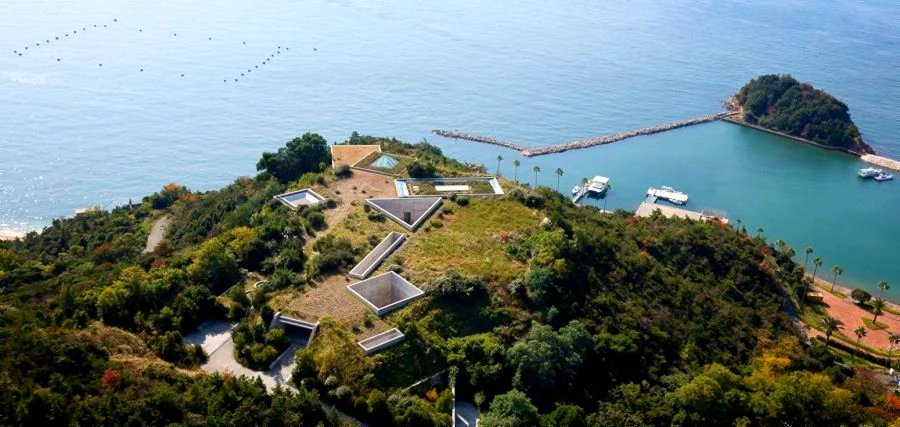
Naoshima is home to several iconic museums, each a masterpiece in itself. The Chichu Art Museum (地中美術館) is perhaps the most famous, an architectural marvel designed by Tadao Ando. Mostly built underground to avoid affecting the natural scenery, it houses a permanent collection of artworks by Claude Monet, James Turrell, and Walter De Maria. The interplay of light and shadow within its concrete walls creates an ethereal atmosphere, making each visit a unique encounter with art and space. Remember to book your tickets in advance, as entry is often time-slotted!

Another must-visit is the Benesse House Museum (ベネッセハウスミュージアム), also designed by Ando. This unique facility functions as both a museum and a hotel, allowing guests to truly live with art. The museum features contemporary art pieces by Japanese and international artists, with many installations spilling out onto the surrounding hills and beaches. Walking through its grounds, you'll discover sculptures and outdoor installations that invite interaction and contemplation against the backdrop of the serene Seto Inland Sea.

Don't miss the Lee Ufan Museum (李禹煥美術館), a collaboration between architect Tadao Ando and artist Lee Ufan. This semi-underground structure combines minimalist architecture with Ufan's meditative stone and iron installations, creating a profound sense of tranquility and space.

🏡 Art House Project: Revitalizing Tradition

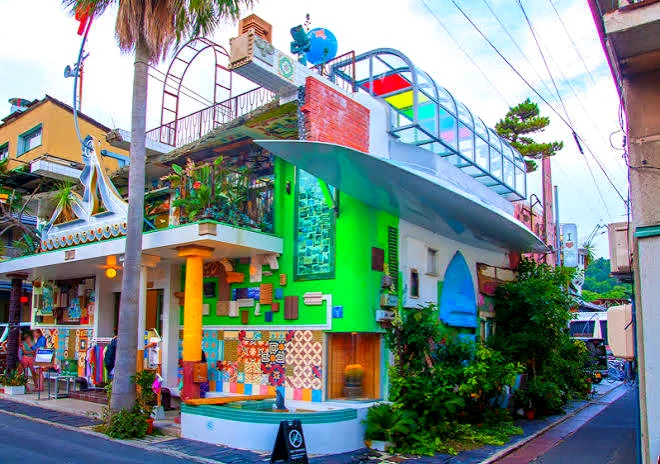
Beyond the grand museums, the Art House Project (家プロジェクト) is a truly special aspect of Naoshima. Scattered throughout the charming Honmura district, this project has transformed abandoned traditional houses into site-specific art installations. Each house offers a distinct artistic experience, blending historical architecture with contemporary art. For instance, 'Kadoya' features a fascinating LED art piece in a traditional Japanese home, while 'Minamidera' (also designed by Ando) offers a pitch-black room experience that plays with your perception of light. Exploring these houses provides a wonderful opportunity to wander through the island's picturesque village, discovering art in unexpected corners.

🎃 Iconic Outdoor Sculptures: Kusama's Pumpkins

No visit to Naoshima is complete without encountering Yayoi Kusama's iconic 'Pumpkin' sculptures. The vibrant yellow 'Pumpkin' (黄かぼちゃ) at the end of the pier near Benesse House is arguably the island's most famous landmark, a whimsical and instantly recognizable symbol of Naoshima. A newer, red 'Pumpkin' (赤かぼちゃ) can be found near Miyanoura Port, offering a different, equally captivating photo opportunity. These playful sculptures perfectly embody Naoshima's spirit of making art accessible and integrated into the natural environment.

🚲 Exploring the Island: Beyond the Art

While art is the undeniable draw, Naoshima offers more. Renting a bicycle is highly recommended for exploring the island at your own pace, allowing you to discover hidden beaches, charming local cafes, and panoramic viewpoints. The island's gentle hills make for an enjoyable ride, and the fresh sea air is invigorating. Take time to simply soak in the peaceful atmosphere of the Seto Inland Sea, watch the ferries come and go, and enjoy the slower pace of island life. The sunsets over the water are particularly stunning, casting golden hues over the unique artistic landscape.

🍣 Local Flavors and Charming Stays

Beyond the visual feast, Naoshima also offers delightful culinary experiences. You'll find charming local restaurants serving fresh seafood caught in the Seto Inland Sea, as well as quaint cafes perfect for a coffee break. For accommodation, options range from the luxurious Benesse House Hotel, where art is integrated into your stay, to charming guesthouses and minshuku in the villages, offering a more local experience. Staying overnight allows for a more relaxed exploration of the island, especially witnessing the art under different lighting conditions.

✨ A Journey for the Soul

Naoshima is a destination that transcends a typical tourist attraction; it's a journey for the soul, an invitation to slow down, reflect, and engage deeply with art, nature, and architecture. It's a testament to how art can revitalize communities and create a truly unique and enriching experience. Prepare to be inspired, to see the world a little differently, and to carry a piece of Naoshima's magic with you long after you've left its shores. 🌄🎨✨
Travel Context

Practical, Sri Lanka-specific detail for Ilha de Arte de Naoshima — where it sits, how far it really is, what it costs and how to behave so your visit is welcome.

Where you are

This destination sits in Naoshima, Prefeitura de Kagawa — Prefeitura de Kagawa District, Sri Lanka. Distances look short on a map but Sri Lankan roads are slow, so plan fewer stops per day than you would at home.

Distance from Colombo

Roughly 8,525 km by road from Colombo, which is about 224.3 hours depending on traffic, the route and the time of day. The straight-line distance is shorter — allow extra time for hill-country bends, wildlife crossings and roadside stops.

Climate & season

Spring (March-May) or Autumn (September-November) The south and west coasts are driest from December to March; the east coast from April to September. Conditions change quickly in the hill country, where mist and afternoon rain are routine.

What it costs

Entry is listed as Varies per museum/exhibition, typically 1,000-2,000 JPY per site. Budget separately for transport, food and any guide. Foreign-visitor tickets at major sites are priced in USD, and card machines are unreliable outside the main towns — carry rupees in small notes.

Etiquette & safety

Start early, carry at least two litres of water per person, and tell your guesthouse your route. Trails often cross private tea-estate or temple land, so stay on marked paths and ask before crossing farmland.

Best Time to Visit

Jan
Feb
Mar
Apr
May
Jun
Jul
Aug
Sep
Oct
Nov
Dec

Local Weather

Tsumuura Broken clouds
9°
Feels like 6°C
69% 6.83 km/h
Broken clouds
Keep Exploring

Related Travel Guides

Location & Map

Naoshima, Prefeitura de Kagawa
Get Directions

Fuel Cost Calculator

How to Get There

🚆 How to Get to Naoshima Art Island

Getting to Naoshima involves a combination of train and ferry, making the journey part of the adventure! 🚢

From Honshu (Mainland Japan):

  • Via Uno Port (Okayama Prefecture): This is the most common route.
    • By Train: Take a JR train to Okayama Station (岡山駅). From Okayama Station, take the JR Uno Line to Uno Station (宇野駅). The journey takes about 50 minutes.
    • By Ferry: Uno Port is right next to Uno Station. From Uno Port, take a Shikoku Kisen ferry to Miyanoura Port (宮浦港) on Naoshima. Ferries depart frequently, and the ride takes approximately 20-25 minutes.

From Shikoku (Kagawa Prefecture):

  • Via Takamatsu Port (Kagawa Prefecture):
    • By Train: Take a JR train to Takamatsu Station (高松駅). Takamatsu Port (高松港) is a short walk from the station.
    • By Ferry: From Takamatsu Port, take a Shikoku Kisen ferry to Miyanoura Port (宮浦港) on Naoshima. This ferry ride is longer, taking about 50-60 minutes, but offers scenic views of the Seto Inland Sea.

Getting Around Naoshima:

  • Island Bus: There is a local bus service that connects Miyanoura Port, Honmura district (Art House Project), and the Benesse House area. It's convenient for reaching the main art sites. 🚌
  • Rental Bicycles: Highly recommended! You can rent bicycles (including electric assist bikes) at Miyanoura Port and near Honmura. This is a fantastic way to explore the island at your own pace. 🚲
  • Walking: Distances between some art sites can be walked, especially within the Honmura district. However, for covering the entire island, a bus or bicycle is more practical. 🚶‍♀️
  • Taxi: A limited number of taxis are available, mainly around Miyanoura Port. 🚕

Always check the latest ferry schedules and bus timetables as they can vary seasonally. ⏰

Safety & Travel Tips

Book Accommodations & Tickets in Advance: Especially for Chichu Art Museum and Benesse House Museum, and if you plan to stay overnight, book well ahead, particularly during peak seasons. 🎟️🏨
Check Opening Hours & Days: Many museums and art houses are closed on Mondays (or Tuesdays), and hours can vary. Always check their official websites before your visit. 📅⏰
Wear Comfortable Shoes: You'll be doing a lot of walking and potentially cycling around the island. 👟
Rent an Electric Bicycle: Naoshima has some hills. An electric assist bicycle will make your exploration much more enjoyable and less tiring. 🚲⚡
Plan Your Route: With multiple art sites, it's wise to have a rough plan to maximize your time, especially if you're on a day trip. Consider starting at one end and working your way across. 🗺️
Bring Cash: While major attractions accept cards, smaller shops, cafes, and guesthouses might prefer cash. 💴
Respect Photography Rules: Photography is often restricted or forbidden inside many art museums and installations. Always check for signs and respect the rules. 📸🚫
Stay Hydrated: Especially during warmer months, carry water with you. Vending machines are available, but having your own bottle is always a good idea. 💧
Pack Light: If you're just on a day trip, a small backpack for essentials is sufficient. If staying overnight, consider using luggage forwarding services (Taqbin) to send larger bags ahead. 🎒
Be Mindful of Local Life: Naoshima is a living community. Be respectful of residents and their privacy, especially when exploring the Art House Project in Honmura. 🙏

Nearby Amenities

Restaurants & Cafes: You'll find a range of dining options, from casual local eateries serving fresh seafood and traditional Japanese dishes to more upscale restaurants at Benesse House. There are also charming cafes for coffee and snacks, particularly around Miyanoura Port and Honmura district. 🍜☕🍣
Hotels & Guesthouses: Accommodation ranges from the luxurious Benesse House Hotel (which doubles as a museum) to various guesthouses (minshuku) and small hotels in Miyanoura and Honmura. Booking in advance is highly recommended. 🏨🛏️
Convenience Stores: There are a few small convenience stores (e.g., a 'Seven-Eleven' near Miyanoura Port) where you can buy snacks, drinks, and basic necessities. 🛒
ATMs: ATMs are available at the post office in Honmura and often at convenience stores in Miyanoura Port. It's always a good idea to have some cash on hand. 🏧
Post Office: Located in the Honmura district. ✉️
Bicycle Rentals: Several shops offer bicycle rentals (including electric bikes) at Miyanoura Port and near Honmura. 🚲
Medical Clinic: There is a small clinic on the island for basic medical needs. For serious emergencies, patients would likely be transported to a larger hospital on the mainland (e.g., in Okayama or Takamatsu). ⚕️
Tourist Information Centers: Available at Miyanoura Port and Honmura, providing maps and assistance. ℹ️

Sri Lanka Essentials

The things that catch visitors out on a first trip — money, connectivity, transport, health and the small etiquette rules that make a real difference.

Money & payments

The currency is the Sri Lankan rupee (LKR). Cards work in hotels, supermarkets and larger restaurants, but tuk-tuks, small entry gates, beach cafés and village shops are cash-only. Draw from bank ATMs in towns rather than standalone machines, keep small notes for change, and carry enough cash for two days when you head into the hill country or the north.

Connectivity & data

A local tourist SIM (Dialog, Mobitel or Hutch) is cheap and easy to buy at the airport or in any town with your passport. Coverage is good on the coasts and in towns, patchier in the Knuckles, parts of the north and inside national parks. Download offline maps and screenshots of bookings before remote drives.

Getting around

Trains are slow, scenic and very cheap — the hill-country line is the highlight. Buses cover almost everywhere but can be crowded. Tuk-tuks suit short hops; agree the fare first or use a metered app. Private drivers are good value for multi-stop days. Distances take longer than the map suggests: 100 km can easily be three hours.

Health & safety

Dengue is present, so use repellent and cover up at dusk. Drink bottled or filtered water, and be careful with ice in remote places. The sun is strong even when overcast. Pharmacies are common in towns; serious care is concentrated in Colombo. Travel insurance that covers adventure activities is worth having.

Responsible travel

Sri Lanka is small and heavily visited — small choices add up. Refuse plastic bags and single-use bottles where you can, avoid elephant rides and any attraction that chains wildlife, dress modestly at religious sites, and buy directly from local guides, homestays and cafés rather than international middlemen.

Holidays & opening hours

Poya (full moon) days are public holidays: temples are busy, some shops close and the sale of alcohol is restricted. Many archaeological sites open at 7am and close by 5–6pm, and last entry is usually an hour earlier. Check opening days before building a long drive around one site.

Traveler Reviews (0)

Be the first to review Ilha de Arte de Naoshima!

✍️ Leave a Review

Frequently Asked

The best times to visit Naoshima are spring (March to May) and autumn (September to November) when the weather is pleasant for walking and cycling. Summers can be hot and humid, while winters are cooler but less crowded.
Yes, it is highly recommended, especially for the Chichu Art Museum, which often requires advance online reservations for specific time slots. Booking for Benesse House Museum and other attractions is also advisable, particularly during peak seasons, to avoid disappointment.
While a day trip is possible, especially if arriving early from Uno or Takamatsu, staying overnight allows for a more relaxed and immersive experience. You'll have more time to explore the art sites without rushing and enjoy the island's atmosphere in the evening.
The most popular ways to get around Naoshima are by renting an electric bicycle (highly recommended due to some hills), using the local island bus service, or walking, especially within the Honmura Art House Project area. Taxis are also available but limited.
Weekly Dispatch

Get Travel Inspiration

Hidden gems, local tips & exclusive guides from Sri Lanka, Asia and beyond — delivered to your inbox, weekly.

No spam, ever. Unsubscribe anytime.