The Guide
Contents
- 🌾 The Verdant Heart of Rural Life: Paddy Fields & Local Rhythms
- ⛰️ Whispers of the Earth: Ancient Rock Formations & Hidden Caves
- 🦢 Avian Wonders & Serene Waters: Lakes, Tanks & Birdwatching Opportunities
- 🚶♀️ Trekking Through Time: Village Trails & Local Encounters
- 🍲 Savoring Authenticity: Traditional Cuisine & Home-Cooked Delights
- 🌅 Golden Hues & Starry Nights: Sunrises, Sunsets & Celestial Views
- 🏺 Echoes of the Past: Ancient Irrigation & Archaeological Footprints
- 🧘♀️ A Sanctuary for the Soul: Wellness & Mindful Retreats
- 🤝 Community & Connection: Engaging with Local Artisans & Traditions
Imagine a canvas painted with emerald rice paddies, where the morning mist gently caresses ancient rock formations, and the distant sound of village life hums a timeless melody. This is Hathbeya, a truly unspoiled corner of Sri Lanka that whispers tales of rural charm and natural serenity. Far from the well-trodden tourist paths, Hathbeya offers an authentic glimpse into the heart of the island's agricultural soul, where life moves at the pace of the sun and the rhythm of the seasons. It's a place to disconnect from the digital din and reconnect with the simple, profound beauty of nature and community.
🌾 The Verdant Heart of Rural Life: Paddy Fields & Local Rhythms
Hathbeya is synonymous with its sprawling, vibrant green paddy fields, which stretch as far as the eye can see, creating a mesmerizing tapestry of agricultural artistry. These fields are not just a sight to behold; they are the very lifeblood of the community. Witnessing the farmers at work, whether meticulously planting seedlings by hand or harvesting the golden grains, is an immersive cultural experience. The cyclical nature of rice cultivation dictates much of the local life, offering visitors a rare opportunity to observe traditional farming practices that have been passed down through generations. Early mornings are particularly magical, as the rising sun casts a golden glow over the dew-kissed fields, often accompanied by the melodious chirping of birds and the gentle rustle of the breeze. Engage with the local farmers, whose hospitality is as abundant as their harvest, and perhaps even try your hand at some of the tasks under their friendly guidance. It’s an incredibly grounding experience that highlights the symbiotic relationship between the land and its people.
⛰️ Whispers of the Earth: Ancient Rock Formations & Hidden Caves
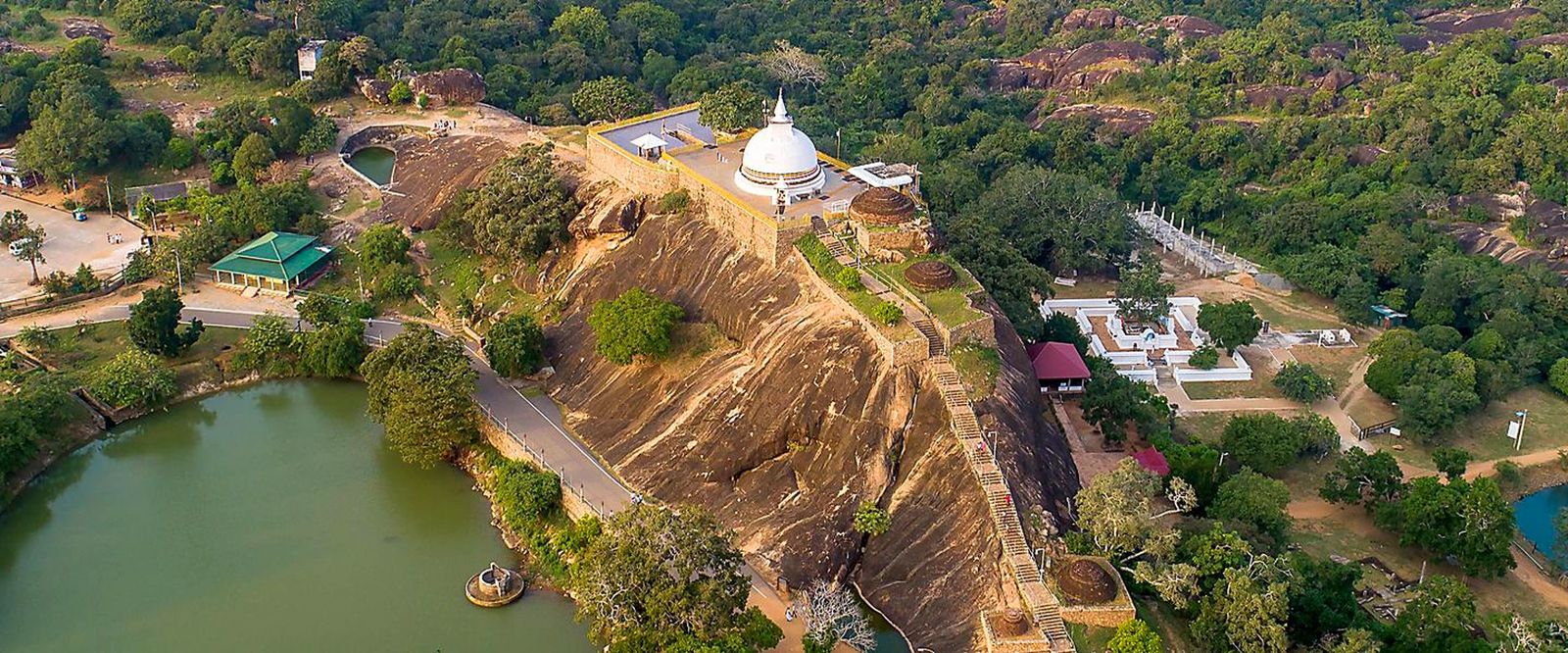
Beyond the agricultural plains, Hathbeya surprises with its striking geological features. Dotting the landscape are ancient rock formations, remnants of a bygone era, some rising majestically from the flatlands like silent sentinels. These natural monoliths are not merely picturesque; many hold historical and spiritual significance, with local legends woven into their very fabric. Exploring these rock outcrops offers a moderate adventure, often leading to breathtaking panoramic views of the surrounding countryside. Some formations even conceal small, unassuming caves, which in ancient times might have served as shelters for hermits or even as early dwelling places. While not as grand as the cave temples found elsewhere in Sri Lanka, these hidden pockets of history add a layer of intrigue to Hathbeya's natural beauty. A knowledgeable local guide can unlock the stories behind these rocks, sharing insights into their geological formation and their role in the community's oral traditions. The ascent to the top of some of these formations, though not overly strenuous, requires sturdy footwear and a sense of adventure, rewarding climbers with unparalleled vistas of the emerald landscape below.
🦢 Avian Wonders & Serene Waters: Lakes, Tanks & Birdwatching Opportunities
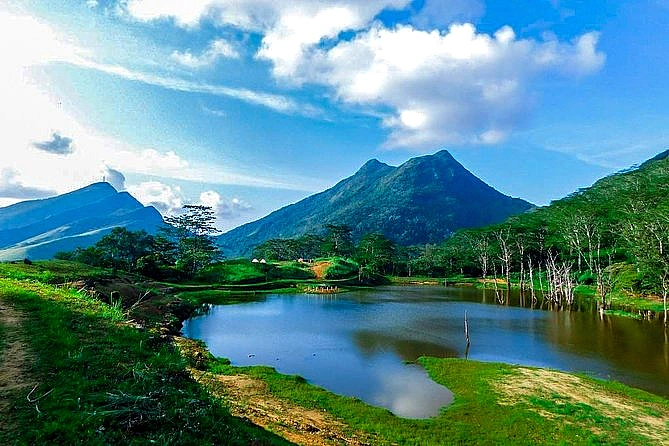
Hathbeya is also blessed with an intricate network of ancient irrigation tanks (reservoirs) and smaller lakes, vital for sustaining the paddy fields and providing a haven for diverse wildlife. These serene water bodies are prime locations for birdwatching, attracting a variety of resident and migratory species. Keep an eye out for elegant egrets, vibrant kingfishers, majestic eagles, and perhaps even elusive pelicans. The calm waters reflect the sky, creating stunning photographic opportunities, especially during sunrise and sunset. A quiet boat ride on one of these tanks, arranged through local villagers, can offer a unique perspective and an even closer encounter with the area's avian inhabitants. The tranquility of these watery landscapes provides a perfect setting for quiet contemplation and appreciation of nature's delicate balance. The ancient engineering marvel of these tanks, some dating back centuries, also speaks volumes about the ingenuity of early Sri Lankan civilizations, underscoring the deep historical roots of water management in the region.
🚶♀️ Trekking Through Time: Village Trails & Local Encounters
One of the most rewarding ways to experience Hathbeya is by simply walking or cycling its myriad village trails. These paths, often winding through paddy fields, past traditional homes, and alongside small streams, offer an intimate look at local life. You'll encounter friendly villagers going about their daily routines, children playing, and perhaps even catch a glimpse of domestic animals like buffaloes leisurely grazing. These walks are not just about reaching a destination but about the journey itself – the sights, sounds, and smells of rural Sri Lanka. Stop for a chat with a local, enjoy a refreshing king coconut sold by the roadside, or simply absorb the peaceful ambiance. This is where the true essence of Hathbeya reveals itself – in the genuine warmth of its people and the unhurried pace of existence. Guided village walks can be arranged, providing deeper insights into local customs, traditional crafts, and perhaps even an invitation to share a cup of tea or a simple meal with a local family, fostering truly unforgettable cultural exchanges.
🍲 Savoring Authenticity: Traditional Cuisine & Home-Cooked Delights
No visit to Hathbeya would be complete without indulging in its authentic culinary offerings. Given its rural setting, the focus here is on fresh, locally sourced ingredients, often straight from the fields or nearby gardens. Expect delicious Sri Lankan rice and curry, prepared with traditional recipes and a generous use of aromatic spices. Unlike tourist-centric areas, the food here is genuinely home-style, reflecting the everyday meals of the villagers. Seek out small, unassuming eateries or, better yet, inquire about a home-cooked meal experience with a local family. This not only guarantees an incredibly fresh and flavorful meal but also provides a unique cultural immersion. Don't miss the opportunity to try local delicacies, seasonal fruits, and perhaps even traditional sweets that are rarely found in urban centers. The emphasis on fresh vegetables, herbs, and spices ensures a healthy and incredibly satisfying culinary journey, a true taste of Sri Lanka's heartland.
🌅 Golden Hues & Starry Nights: Sunrises, Sunsets & Celestial Views
Hathbeya offers some of the most spectacular sunrises and sunsets, painting the vast skies with an incredible palette of colors. The expansive, unobstructed views over the paddy fields and rock formations provide a dramatic backdrop for these daily celestial shows. Waking early to witness the sun emerge from the horizon, casting long shadows and illuminating the misty landscape, is an experience that lingers long after your visit. Similarly, as dusk settles, the sky transforms into a canvas of fiery oranges, purples, and reds, slowly giving way to a blanket of stars. Far from city lights, Hathbeya's night skies are remarkably clear, offering fantastic opportunities for stargazing. Lie back, listen to the nocturnal symphony of crickets and distant calls, and marvel at the brilliance of the Milky Way. These natural spectacles are a reminder of the simple yet profound beauty that defines Hathbeya.
🏺 Echoes of the Past: Ancient Irrigation & Archaeological Footprints
Hathbeya, like many parts of Sri Lanka's dry zone, sits on land that has been cultivated for millennia. The intricate network of ancient irrigation tanks and canals is a testament to the advanced hydraulic engineering capabilities of ancient Sinhalese civilizations. While not a designated archaeological site with grand ruins, Hathbeya's landscape itself is an archaeological footprint. Walking alongside these ancient tanks, one can almost hear the echoes of past generations who meticulously managed water resources to sustain their communities. Occasionally, small, weathered stone pillars or remnants of ancient structures might be spotted, hinting at the settlements and spiritual places that once thrived here. These subtle historical markers invite contemplation on the enduring human connection to the land and the ingenuity required to flourish in this environment. A deeper appreciation of these ancient systems adds another layer of understanding to the present-day agricultural practices and the resilience of the local communities.
🧘♀️ A Sanctuary for the Soul: Wellness & Mindful Retreats
For those seeking a true escape and an opportunity for introspection, Hathbeya serves as an ideal sanctuary. The pervasive tranquility, the clean air, and the gentle rhythm of rural life create an environment conducive to mindfulness and wellness. Imagine practicing yoga amidst the paddy fields as the sun rises, or meditating by a serene tank as the birds sing. The absence of urban distractions allows for a deep connection with oneself and with nature. While there aren't dedicated wellness resorts in Hathbeya itself, many homestays and guesthouses offer a peaceful setting where guests can engage in their own wellness practices. This unspoiled environment encourages a slower pace, prompting visitors to truly unwind, de-stress, and rejuvenate their mind, body, and spirit. It's a place where the simple act of being present becomes a profound experience, making Hathbeya a quiet retreat for the soul.
🤝 Community & Connection: Engaging with Local Artisans & Traditions
Hathbeya's true charm lies not just in its landscapes but in its vibrant community. Engaging with the local people is an enriching experience. You might stumble upon small-scale artisans practicing traditional crafts, such as pottery, weaving, or carpentry, using age-old techniques. These are not commercial ventures but rather skills passed down through families, essential for daily life. A respectful interaction can lead to fascinating insights into their craft and way of life. Participating in a local festival or a village event, if the timing aligns, offers an even deeper immersion into Hathbeya's cultural fabric. The warmth, generosity, and genuine curiosity of the villagers are infectious, creating opportunities for meaningful connections that often transcend language barriers. This human element is what transforms a scenic trip into an unforgettable journey of discovery and mutual understanding.