The Guide
Contents
- 🐘 The Great Gathering: Where Elephants Reign Supreme?
- 🐦 A Birdwatcher's Paradise: Wings Over the Waters
- 🌿 Beyond the Giants: Flora and Fauna's Rich Tapestry
- 🚗 Safari Adventures: Navigating the Wild Heart
- 💧 The Minneriya Tank: An Ancient Wonder, A Modern Lifeline
- 📸 Capturing the Moment: Photography Tips for Your Safari
- 🤝 Conservation Efforts: Protecting Minneriya's Treasures
🐘 The Great Gathering: Where Elephants Reign Supreme?
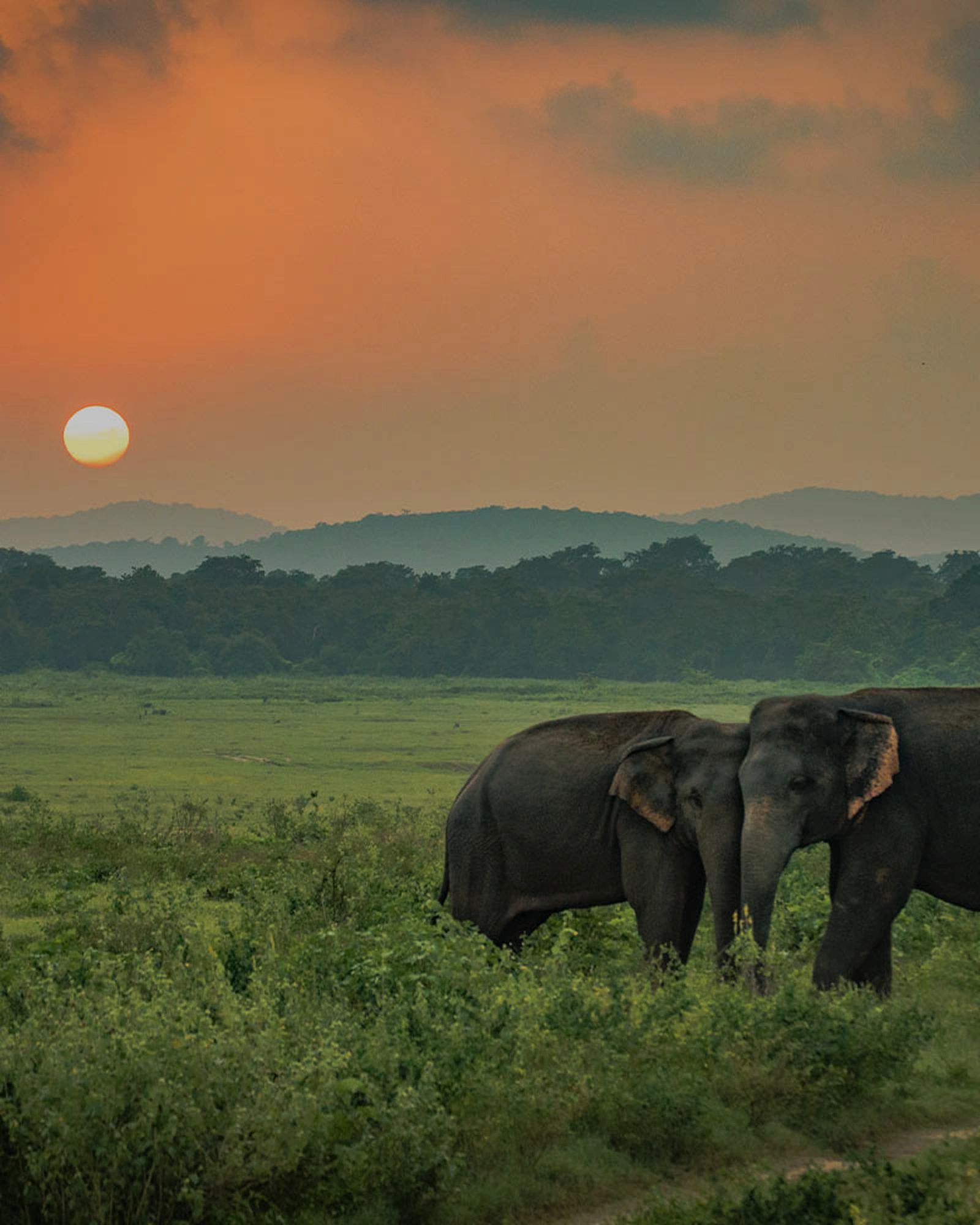
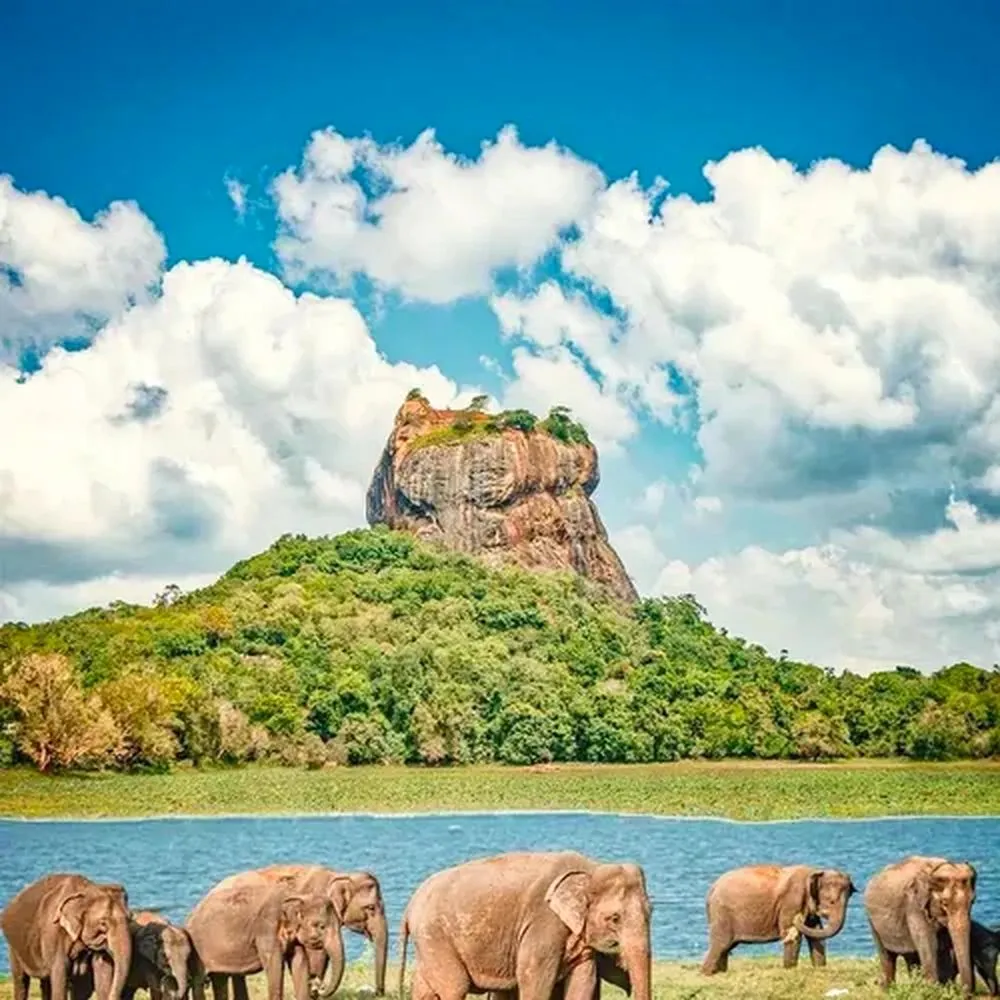
Imagine a vast, shimmering lake, its surface reflecting the endless sky, and then, slowly, majestically, a silhouette emerges from the treeline. Then another. And another. Soon, hundreds of these gentle giants converge, their trunks reaching for water, their low rumbles filling the air. This isn't a scene from a documentary; this is the awe-inspiring reality of Minneriya National Park, home to one of Asia's most spectacular wildlife events: the 'Gathering' of elephants. Nestled in Sri Lanka's North Central Province, Minneriya is not just a park; it's a vibrant ecosystem built around the ancient Minneriya Tank, a colossal reservoir dating back to the 3rd century AD. This man-made marvel, a testament to ancient Sri Lankan engineering, becomes the lifeblood of the park during the dry season, drawing in not only elephants but a plethora of other creatures seeking solace and sustenance.
The park itself spans approximately 8,889 hectares, a relatively modest size compared to some of its African counterparts, yet it punches far above its weight in terms of biodiversity and sheer animal density. While the elephants are undoubtedly the main stars, a safari here offers a rich tapestry of wildlife encounters. Keep your eyes peeled for elusive leopards, the majestic Sri Lankan sloth bear, and a variety of deer species, including sambar and spotted deer, often seen grazing peacefully in the open grasslands. The thrill of spotting a crocodile basking on the muddy banks or a monitor lizard darting through the undergrowth adds to the adventure. Minneriya is a truly immersive experience, a chance to witness nature's raw beauty and intricate balance up close.
🐦 A Birdwatcher's Paradise: Wings Over the Waters
Beyond the magnificent mammals, Minneriya National Park is a haven for avian enthusiasts. The Minneriya Tank, with its extensive wetlands and surrounding forests, provides an ideal habitat for an incredible array of birdlife, both resident and migratory. Over 160 species of birds have been recorded within the park's boundaries, making it a prime destination for birdwatching. Imagine the vibrant flash of a Sri Lanka junglefowl, the country's national bird, or the graceful flight of a painted stork, its pink and white plumage a striking contrast against the blue sky. Egrets, herons, pelicans, and cormorants are commonly seen wading in the shallows or perched on submerged branches, patiently waiting for their next meal.
Raptors, too, soar high above, with sightings of white-bellied sea eagles, grey-headed fish eagles, and crested serpent eagles providing thrilling moments for birders. The air is often filled with the melodic calls of various passerine birds, adding to the symphony of the jungle. From the vibrant kingfishers diving for fish to the elusive owls hidden amongst the dense foliage, every corner of Minneriya offers a potential new feathered friend to discover. Binoculars are an absolute must for any visit, allowing you to appreciate the intricate details and vibrant colours of these winged wonders. The sheer diversity of birdlife here underscores the ecological importance of the Minneriya Tank, a vital wetland ecosystem in the heart of Sri Lanka.
🌿 Beyond the Giants: Flora and Fauna's Rich Tapestry
While the elephants and birds capture much of the spotlight, Minneriya National Park's ecosystem is far more intricate, a complex web of life sustained by its diverse flora and smaller fauna. The park's vegetation primarily consists of dry tropical evergreen forests, grasslands, and wetlands. The dominant plant species include Palu (Manilkara hexandra) and Weera (Drypetes sepiaria), which are crucial food sources for many herbivores. The open grasslands, often referred to as 'villu,' are vital grazing grounds, especially during the dry season when the grass around the tank is at its most verdant. These open areas provide excellent opportunities for wildlife viewing, offering unobstructed views of grazing animals and their predators.
Delving deeper into the park, you might encounter various reptile species. Besides the formidable crocodiles, there are water monitors, land monitors, and a variety of snakes, though most are shy and prefer to remain hidden. Amphibians also thrive in the wetland areas, contributing to the park's rich biodiversity. The insect life, though often overlooked, plays a crucial role in the ecosystem, from colourful butterflies flitting among the wildflowers to dung beetles diligently recycling nutrients. The sheer variety of life, from the smallest insect to the largest mammal, illustrates the delicate balance of nature that Minneriya National Park strives to protect. It's a living laboratory, a testament to the resilience and interconnectedness of natural systems.
🚗 Safari Adventures: Navigating the Wild Heart
Experiencing Minneriya National Park is synonymous with embarking on a thrilling jeep safari. The park is well-equipped with designated tracks that allow visitors to penetrate deep into the wilderness while ensuring minimal disturbance to the animals. These open-sided jeeps, driven by experienced and knowledgeable guides, offer panoramic views, making it easier to spot wildlife camouflaged in the landscape. The guides are often local experts, possessing an uncanny ability to track animals and share fascinating insights into their behaviour and the park's ecology. They know the best spots for photography, the favourite haunts of specific animals, and can often anticipate where the action might unfold next.
A typical safari lasts around three to four hours, providing ample time to explore different sections of the park and maximize your chances of encountering its diverse inhabitants. The best time to start a safari is either early morning, just after sunrise, or late afternoon, a few hours before sunset. During these cooler periods, animals are most active, feeding, drinking, and moving around. The golden light of dawn and dusk also creates stunning photographic opportunities, casting a magical glow over the landscape and its inhabitants. Remember to book your safari in advance, especially during peak season, to secure a reputable jeep and guide. This ensures a smooth and memorable journey into the wild heart of Minneriya, an experience that stays with you long after you've left the dust trails behind.
💧 The Minneriya Tank: An Ancient Wonder, A Modern Lifeline
At the very core of Minneriya National Park's existence and its incredible biodiversity lies the Minneriya Tank (Minneriya Wewa). This colossal ancient reservoir, built by King Mahasen in the 3rd century AD, is not merely a body of water; it's a testament to ancient hydraulic engineering and a lifeline for the entire region. During the dry season (roughly May to September), as other water sources dwindle, the Minneriya Tank becomes the sole reliable water source for animals in the surrounding area, including those from neighbouring parks like Kaudulla and Hurulu Eco Park. This phenomenon is what triggers the famous 'Gathering' of elephants, as herds from miles around converge on its shores.
The tank’s importance extends beyond just providing water. Its wetlands support a complex ecosystem, filtering water, providing breeding grounds for fish and amphibians, and acting as a vital stopover for migratory birds. The sheer scale of the tank, with its vast expanse of water, creates a stunning backdrop for wildlife viewing. As you drive along its banks, you'll witness buffaloes wallowing in the mud, crocodiles silently gliding through the water, and countless birds fishing in its shallows. The Minneriya Tank is a powerful reminder of how human ingenuity, when aligned with nature, can create enduring legacies that sustain life for millennia. It's not just a historical marvel; it's a living, breathing component of one of Sri Lanka's most significant wildlife spectacles.
📸 Capturing the Moment: Photography Tips for Your Safari
Minneriya National Park offers unparalleled photographic opportunities, especially during the 'Gathering'. To make the most of your safari and capture stunning images, a few tips can be invaluable. Firstly, consider bringing a telephoto lens (200mm to 400mm or even longer) for wildlife photography. Animals, especially elephants, can be at a distance, and a good zoom will help you get those intimate shots without disturbing them. A wide-angle lens might also be useful for capturing the vast landscapes and the scale of the elephant gathering against the backdrop of the tank.
Secondly, pay attention to the light. The golden hours of early morning and late afternoon provide the best light for photography, offering soft, warm tones and dramatic shadows. During midday, the light can be harsh, leading to overexposed images and strong contrasts. Thirdly, be patient. Wildlife photography often requires waiting for the perfect moment. Don't rush your shots; observe animal behaviour and anticipate their movements. Your guide will be a great asset in positioning the jeep for the best angles. Lastly, remember to protect your equipment from dust, which can be prevalent on safari tracks. A dust cover or a simple plastic bag can go a long way in preserving your camera gear. And don't forget extra batteries and memory cards – you'll be surprised how many photos you'll want to take!
🤝 Conservation Efforts: Protecting Minneriya's Treasures
The incredible biodiversity and the unique phenomenon of the 'Gathering' in Minneriya National Park underscore the critical importance of conservation efforts. The Department of Wildlife Conservation (DWC) in Sri Lanka plays a pivotal role in managing and protecting the park, implementing various measures to ensure the long-term survival of its flora and fauna. These efforts include anti-poaching patrols, habitat management, and community engagement programs aimed at fostering a sense of stewardship among local populations. The park is part of a larger ecological corridor that connects several national parks, allowing for the free movement of animals, particularly elephants, between these protected areas. This connectivity is crucial for maintaining genetic diversity and ensuring the health of the elephant population.
However, conservation is an ongoing challenge, with human-elephant conflict (HEC) being a significant concern in the areas surrounding the park. Efforts are being made to mitigate HEC through various strategies, including electric fencing, awareness campaigns, and promoting sustainable land-use practices. Responsible tourism also plays a vital role. By choosing reputable safari operators and adhering to park rules – such as maintaining a safe distance from animals and not littering – visitors directly contribute to the park's conservation goals. Minneriya is not just a place to see wildlife; it's a living example of the ongoing struggle and triumph of conservation, a place where dedicated individuals and organizations work tirelessly to safeguard Sri Lanka's natural heritage for future generations. Supporting these efforts ensures that the magnificent 'Gathering' and the park's rich biodiversity continue to thrive.