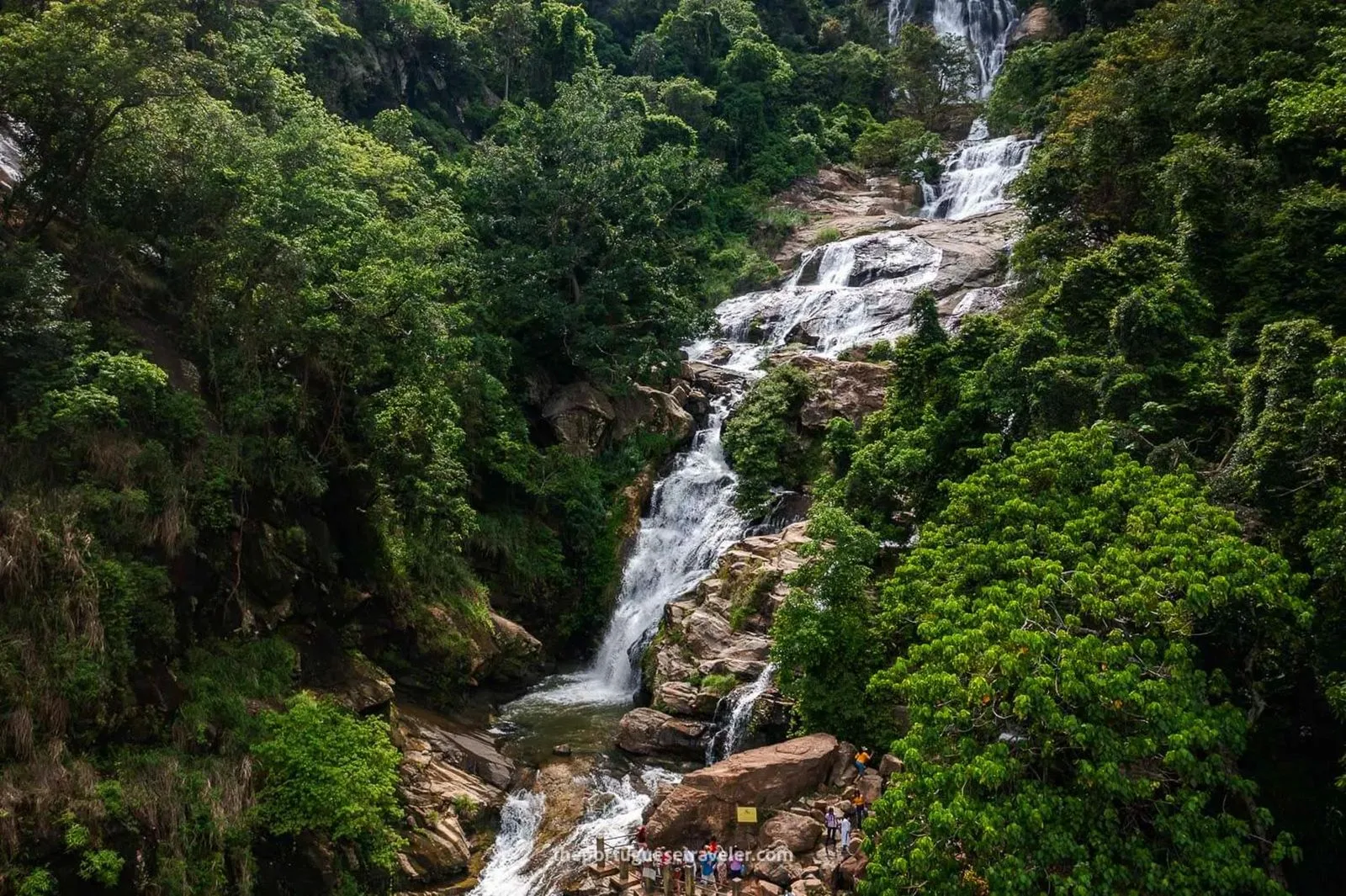
Ravana-watervallen

Ravana-watervallen

4.2 · 0 reviews 52 views Last updated Nov 19, 2026
4.2Rating
The dry season (December to April) offers clearer views, while the monsoon season (May to November) presents the falls in their most powerful state.Best Time
FreeEntry Fee
1 HourSuggested Time
EasyDifficulty
6 minRead Time

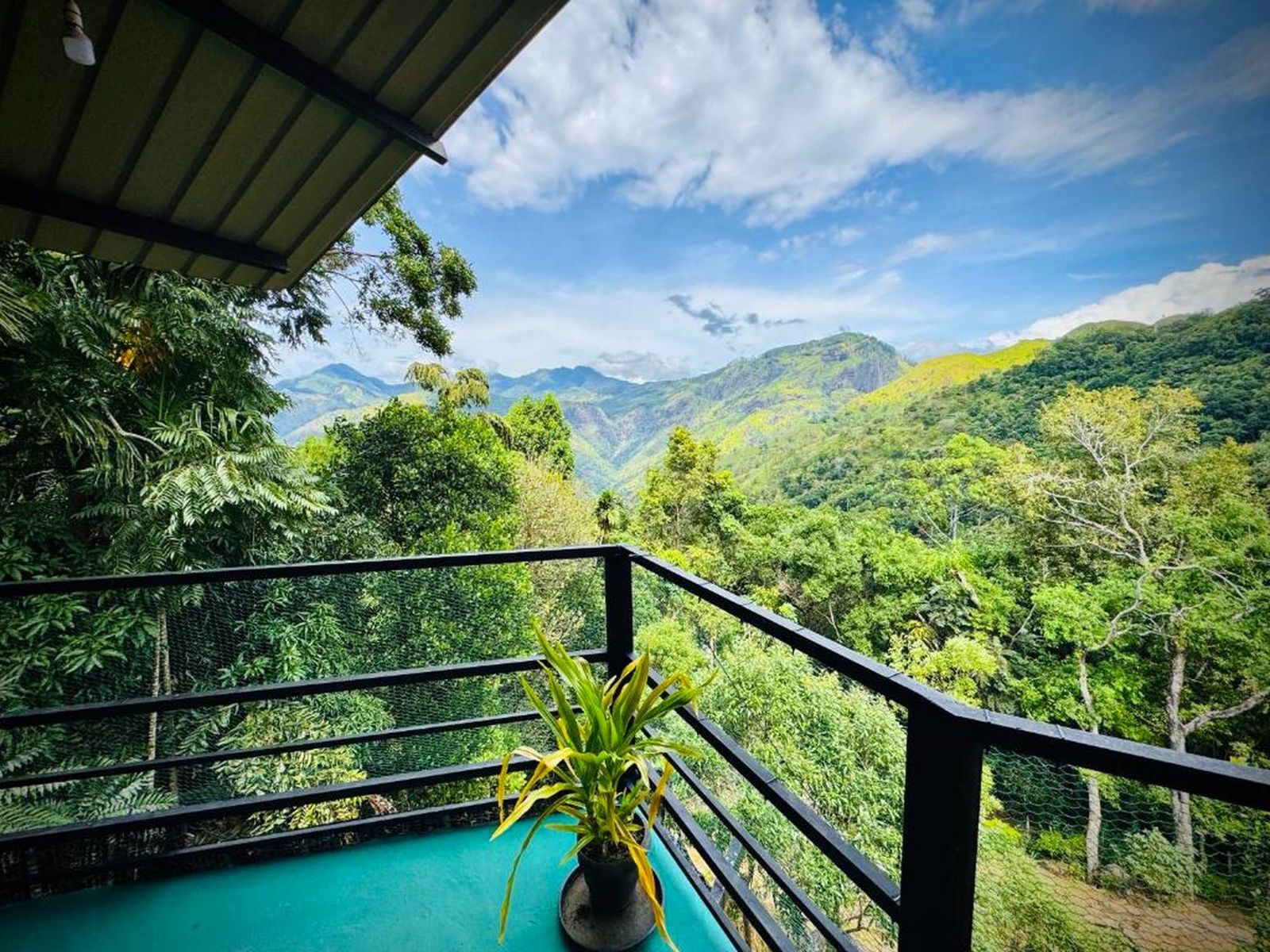
Where to stay near Ravana-watervallen

Compare live prices with our booking partners.

Some links below are affiliate links. If you book through them we may earn a small commission — at no extra cost to you. How this works.

Cost & practical info

Entry fee Free Confirm current fees on site
Best time to visit The dry season (December to April) offers clearer views, while the monsoon season (May to November) presents the falls in their most powerful state.
Suggested time 1 Hour
Difficulty Easy

Prices and opening hours can change — always confirm with the official site before you travel.

The Guide

Feel the mist, hear the roar – Ravana Falls is a breathtaking natural spectacle that plunges into a rocky basin, steeped in ancient legend.

🌊 Witnessing Nature's Grandeur: The Ravana Falls Experience

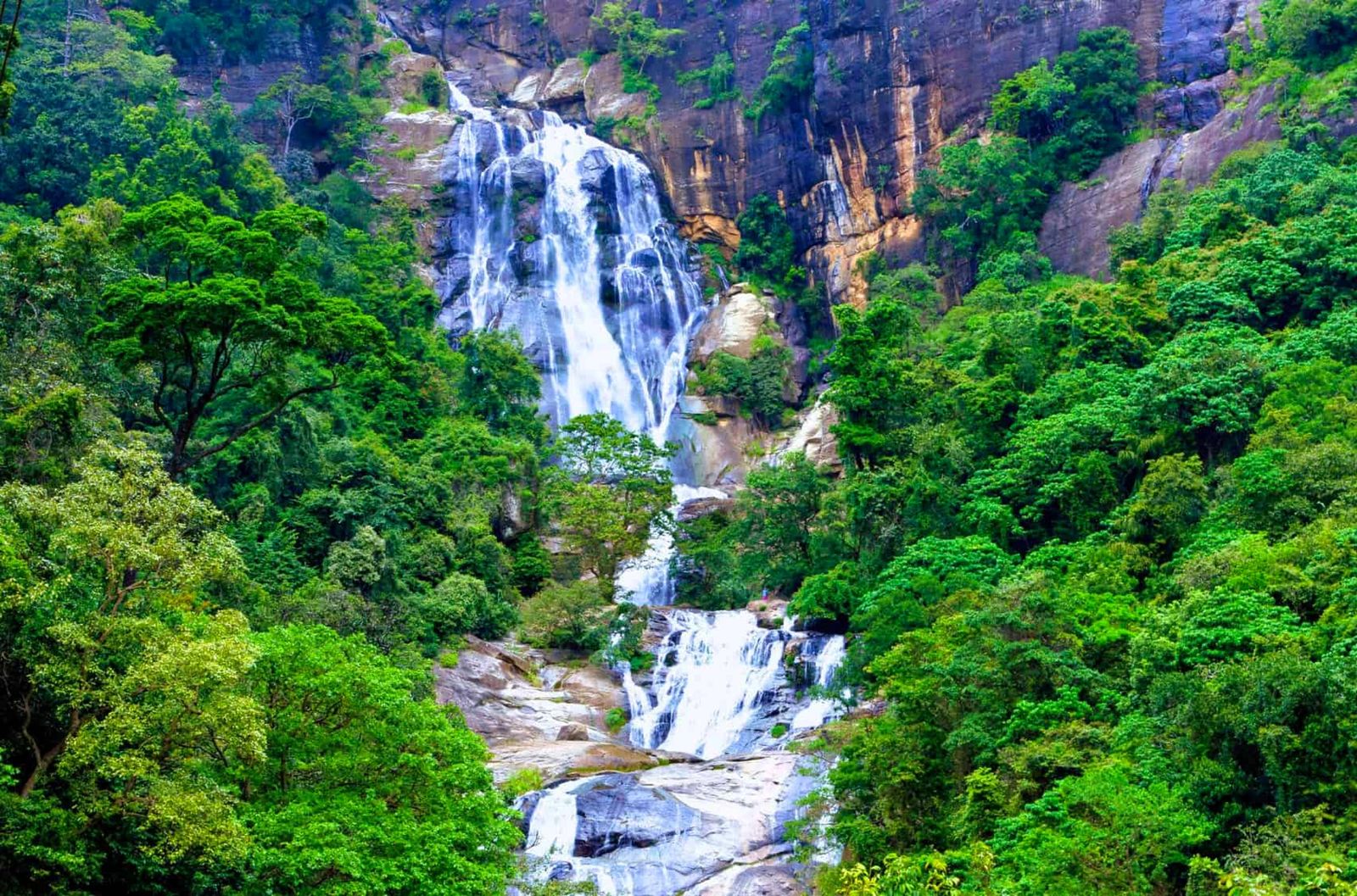
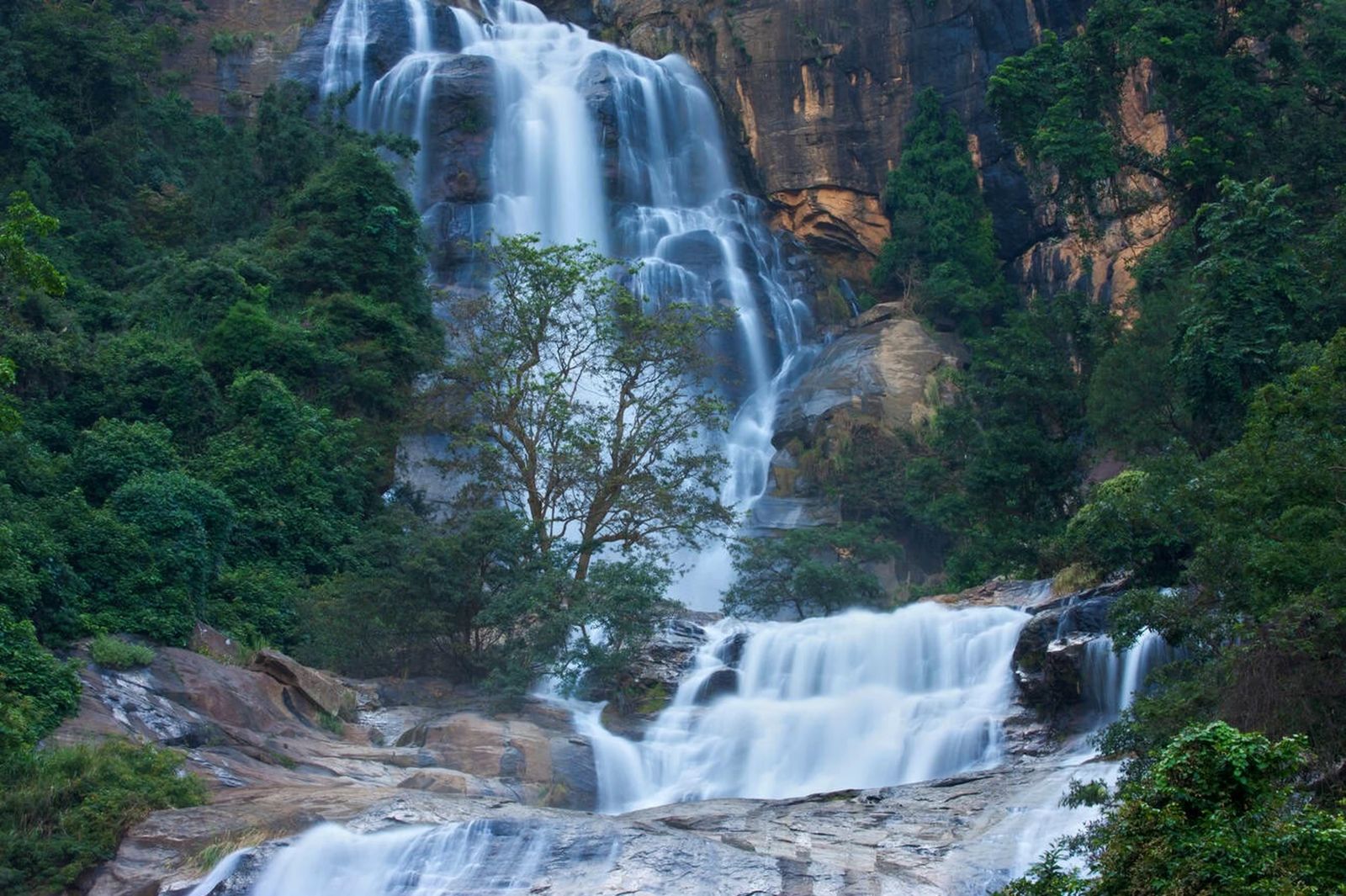
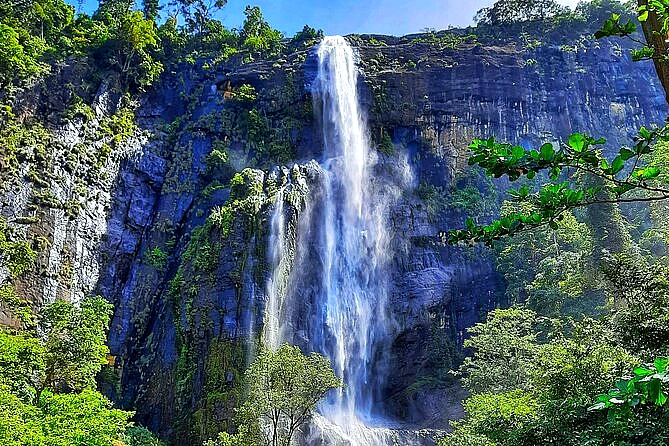
Ravana Falls, or Ravana Ella as it's known locally, is one of Sri Lanka's widest waterfalls, a majestic cascade that tumbles dramatically from an oval-shaped concave rock outcrop. Located just 6 km from the popular hill station of Ella, it's an unmissable stop for anyone exploring the central highlands. The falls are part of the Ravana Ella Wildlife Sanctuary, adding to their allure as a prime example of Sri Lanka's rich biodiversity. This iconic waterfall isn't just a sight for sore eyes; it's a living, breathing entity, constantly changing with the seasons. During the monsoon, it transforms into a powerful torrent, a thundering force of nature that commands respect and awe. In the dry season, while less voluminous, it retains its charm, offering a more serene yet equally captivating display. The sheer scale of the falls, especially after heavy rains, is truly impressive, creating a natural mist that cools the air and invigorates the senses. It's a place where you can truly connect with the raw power of the natural world, a stark contrast to the bustling towns and cities. The surrounding landscape is equally stunning, characterized by lush greenery, dense forests, and the rugged terrain of the Sri Lankan highlands. This makes the journey to the falls almost as rewarding as the destination itself, with picturesque views unfolding at every turn.

📜 Echoes of Legend: The Ravana Mythos 🕉️

Beyond its natural beauty, Ravana Falls is deeply embedded in Sri Lankan folklore and history, particularly linked to the ancient Indian epic, the Ramayana. Legend has it that King Ravana, the mythical Rakshasa king of Lanka, kidnapped Princess Sita and hid her in the caves behind this very waterfall. The Ravana Ella Cave, situated above the falls, is believed to be one of the places where Sita was kept. The story tells of how Sita bathed in the natural pools formed by the waterfall, and how Ravana himself would visit her there. This rich mythological background adds an extra layer of intrigue and mystique to the falls, making it more than just a beautiful natural site; it's a place where history and legend intertwine. Visitors often feel a sense of wonder, imagining the ancient tales unfolding in this very spot. The connection to the Ramayana draws pilgrims and enthusiasts alike, eager to experience a place so profoundly linked to one of the world's greatest epics. Guides often share these captivating stories, bringing the legends to life and enriching the visitor's experience. It's a testament to the enduring power of storytelling and how it can imbue a landscape with such profound cultural significance. This cultural depth truly sets Ravana Falls apart from many other natural attractions.

📸 Capturing the Cascade: Photography Tips & Viewpoints 🏞️

For photographers, Ravana Falls presents an abundance of opportunities. The falls are easily accessible from the main road, making it convenient to get stunning shots from various angles. The sheer drop, the lush green surroundings, and the often-dramatic sky create a perfect canvas. Early mornings or late afternoons usually offer the best light, casting a soft glow on the water and the rocks. Consider bringing a tripod for long exposure shots to capture the silky smooth flow of the water, especially during the wetter months. Don't forget a wide-angle lens to encompass the entire width of the falls and the surrounding landscape. For those feeling adventurous, there are small paths leading to viewpoints slightly higher up, offering different perspectives of the cascade. However, exercise caution, as the rocks can be slippery, particularly after rain. The vibrant hues of the surrounding flora, combined with the powerful white water, make for truly spectacular photographs. You might even spot some local wildlife, adding an unexpected element to your shots. Remember to protect your camera from the mist, which can be quite pervasive, especially when the falls are at their fullest. A waterproof cover or a simple plastic bag can go a long way in safeguarding your equipment. The constant movement of the water and the interplay of light and shadow provide endless creative possibilities, ensuring that no two photographs will ever be exactly alike. It's a photographer's paradise, offering both grand vistas and intricate details.

🚗 Exploring the Vicinity: Beyond the Falls ⛰️

While Ravana Falls is a magnificent attraction in itself, its proximity to Ella means there's a wealth of other experiences to be had in the surrounding area. After marveling at the falls, consider heading to the Ella Rock or Little Adam's Peak for invigorating hikes that offer panoramic views of the Ella Gap. The iconic Nine Arch Bridge, a stunning piece of colonial-era engineering, is another must-visit, especially if you can time your visit to see a train passing over it. The town of Ella itself is a charming hub with a relaxed vibe, offering numerous cafes, restaurants, and guesthouses. You can indulge in some delicious Sri Lankan cuisine, sip on Ceylon tea, or simply soak in the laid-back atmosphere. For those interested in tea culture, a visit to a nearby tea plantation and factory provides fascinating insights into the production process, from leaf to cup. You can learn about different types of tea, witness the intricate machinery, and, of course, enjoy a fresh brew. The Ravana Ella Cave, mentioned in the Ramayana legend, is also accessible and offers a glimpse into the region's historical and mythological past. Exploring these nearby attractions transforms a simple visit to the falls into a richer, more comprehensive exploration of the central highlands. Each location complements the other, creating a diverse and memorable itinerary. The diverse offerings ensure that there's something for every type of traveler, whether you're seeking adventure, cultural immersion, or simply relaxation amidst stunning natural beauty. The entire region is a tapestry of experiences waiting to be discovered, with Ravana Falls serving as a sparkling jewel in its crown.

🌿 Biodiversity & Conservation: A Natural Haven 🐒

Ravana Falls is nestled within the Ravana Ella Wildlife Sanctuary, an area dedicated to preserving the rich biodiversity of the region. This sanctuary is home to a variety of flora and fauna, making it an important ecological site. Keep an eye out for diverse bird species, some endemic to Sri Lanka, as well as monkeys that often frequent the area around the falls, hoping for a snack from tourists. However, it's crucial to remember not to feed wild animals, as it can disrupt their natural behavior and diet. The lush vegetation around the falls includes a mix of montane forests and grasslands, supporting a delicate ecosystem. Conservation efforts are vital here to protect this natural heritage for future generations. Visitors are encouraged to be mindful of their environmental impact, disposing of waste responsibly and sticking to designated paths. The sanctuary plays a significant role in maintaining the ecological balance of the central highlands, acting as a refuge for many species. Educational signboards sometimes provide information about the local wildlife and plant life, enhancing the visitor's understanding of the ecosystem. The cool, moist environment created by the waterfall also supports a unique microclimate, fostering specific plant species that thrive in such conditions. This makes the area around Ravana Falls not just a scenic spot but also a living laboratory of nature. Observing the natural interactions between plants and animals in their untouched habitat is a truly enriching experience. The commitment to conservation here ensures that the falls remain a pristine natural wonder, allowing visitors to appreciate its beauty in an unspoiled state. It's a powerful reminder of the importance of protecting our planet's precious natural resources.

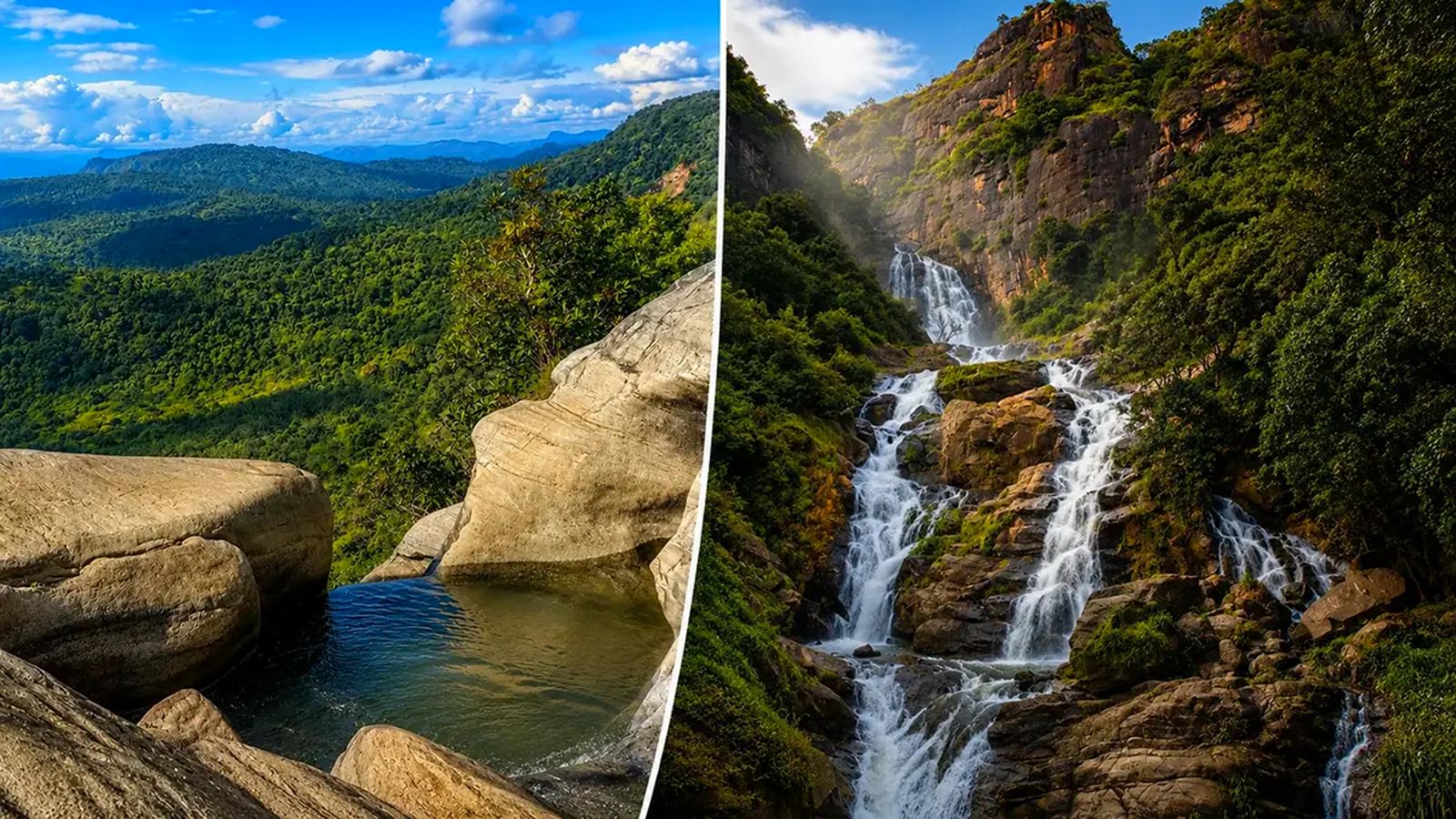
Travel Context

Practical, Sri Lanka-specific detail for Ravana-watervallen — where it sits, how far it really is, what it costs and how to behave so your visit is welcome.

Where you are

Located in Sri Lanka. Distances look short on a map but roads are slow, so plan fewer stops per day than you would at home.

Distance from Colombo

Roughly 180 km by road from Colombo, which is about 4.7 hours depending on traffic, the route and the time of day. The straight-line distance is shorter — allow extra time for hill-country bends, wildlife crossings and roadside stops.

Climate & season

The dry season (December to April) offers clearer views, while the monsoon season (May to November) presents the falls in their most powerful state. The south and west coasts are driest from December to March; the east coast from April to September. Conditions change quickly in the hill country, where mist and afternoon rain are routine.

What it costs

Entry is listed as Free. Budget separately for transport, food and any guide. Foreign-visitor tickets at major sites are priced in USD, and card machines are unreliable outside the main towns — carry rupees in small notes.

Etiquette & safety

Keep a respectful distance, stay quiet, and never ask a driver to chase an animal or leave the track. Dawn and late afternoon are the most productive hours, and muted colours help you blend in.

Best Time to Visit

Jan
Feb
Mar
Apr
May
Jun
Jul
Aug
Sep
Oct
Nov
Dec

Local Weather

Haputale Light rain
24°
Feels like 24°C
71% 1.61 km/h
Light rain
Keep Exploring

Related Travel Guides

Location & Map

Get Directions

Fuel Cost Calculator

How to Get There

Getting to Ravana Falls is straightforward and scenic! 🚂

  • By Train: The most popular and picturesque way is to take a train to Ella Railway Station. From Ella, the falls are just a short 15-minute tuk-tuk ride away (approx. LKR 300-500).
  • By Bus: Local buses frequently ply the Ella-Wellawaya road, and Ravana Falls is conveniently located right beside the main road, making it an easy stop. Just tell the conductor you want to get off at Ravana Falls.
  • By Car/Tuk-tuk: If you're coming from nearby towns like Ella, Bandarawela, or Haputale, hiring a private car or tuk-tuk is a comfortable option. The falls are directly on the A23 road. 🚗

Safety & Travel Tips

Visit Early or Late: To avoid crowds, especially during peak season, try visiting in the early morning or late afternoon. ☀️
Watch Your Step: The rocks around the falls can be very slippery, particularly after rain. Wear appropriate footwear with good grip. ⚠️
Be Mindful of Monkeys: While often playful, monkeys can be opportunistic. Keep food and valuables secure. Do NOT feed them. 🐒
Swimming: While tempting, swimming directly under the main falls can be dangerous due to strong currents and submerged rocks. There are safer, shallower pools further downstream if you wish to dip your feet. 🏊‍♀️
Stay Hydrated: Bring water, especially if visiting during warmer months. 💧
Respect the Environment: Please take all your trash with you and help keep this natural wonder clean. ♻️
Local Vendors: You'll find local vendors selling snacks, drinks, and souvenirs. Support them, but feel free to bargain respectfully. 🛍️

Nearby Amenities

Food & Drinks: Several small stalls and local eateries are located right by the falls, offering snacks, fresh fruit, and drinks. 🍎🥤
Restrooms: Basic public restrooms are usually available near the main viewing area. 🚻
Parking: Limited parking for cars and tuk-tuks is available along the roadside. 🅿️
Accommodation: Ella, just 6 km away, offers a wide range of hotels, guesthouses, and homestays to suit all budgets. 🏨
ATMs & Hospitals: For these services, you'll need to head to Ella town, where you'll find several ATMs and a local hospital/clinic. 🏥💰

Sri Lanka Essentials

The things that catch visitors out on a first trip — money, connectivity, transport, health and the small etiquette rules that make a real difference.

Money & payments

The currency is the Sri Lankan rupee (LKR). Cards work in hotels, supermarkets and larger restaurants, but tuk-tuks, small entry gates, beach cafés and village shops are cash-only. Draw from bank ATMs in towns rather than standalone machines, keep small notes for change, and carry enough cash for two days when you head into the hill country or the north.

Connectivity & data

A local tourist SIM (Dialog, Mobitel or Hutch) is cheap and easy to buy at the airport or in any town with your passport. Coverage is good on the coasts and in towns, patchier in the Knuckles, parts of the north and inside national parks. Download offline maps and screenshots of bookings before remote drives.

Getting around

Trains are slow, scenic and very cheap — the hill-country line is the highlight. Buses cover almost everywhere but can be crowded. Tuk-tuks suit short hops; agree the fare first or use a metered app. Private drivers are good value for multi-stop days. Distances take longer than the map suggests: 100 km can easily be three hours.

Health & safety

Dengue is present, so use repellent and cover up at dusk. Drink bottled or filtered water, and be careful with ice in remote places. The sun is strong even when overcast. Pharmacies are common in towns; serious care is concentrated in Colombo. Travel insurance that covers adventure activities is worth having.

Responsible travel

Sri Lanka is small and heavily visited — small choices add up. Refuse plastic bags and single-use bottles where you can, avoid elephant rides and any attraction that chains wildlife, dress modestly at religious sites, and buy directly from local guides, homestays and cafés rather than international middlemen.

Holidays & opening hours

Poya (full moon) days are public holidays: temples are busy, some shops close and the sale of alcohol is restricted. Many archaeological sites open at 7am and close by 5–6pm, and last entry is usually an hour earlier. Check opening days before building a long drive around one site.

Traveler Reviews (0)

Be the first to review Ravana-watervallen!

✍️ Leave a Review

Frequently Asked

No, there is no entry fee to visit Ravana Falls. It is freely accessible to the public from the main road.
While some visitors wade in the shallow pools downstream, swimming directly under the main falls is generally not recommended due to strong currents, slippery rocks, and potential safety hazards. Exercise extreme caution if you decide to enter the water.
Most visitors spend about 30 minutes to an hour at Ravana Falls, taking photos and enjoying the view. If you plan to explore the surrounding area or visit the Ravana Ella Cave, you might spend a bit longer.
Yes, Ravana Falls is easily viewed from the roadside, making it accessible for people with mobility issues. The main viewing area does not require extensive walking or climbing.
Yes, Ravana Falls is deeply rooted in the ancient Hindu epic, the Ramayana. Legend has it that King Ravana hid Princess Sita in the caves behind the waterfall after abducting her.
Weekly Dispatch

Get Travel Inspiration

Hidden gems, local tips & exclusive guides from Sri Lanka, Asia and beyond — delivered to your inbox, weekly.

No spam, ever. Unsubscribe anytime.