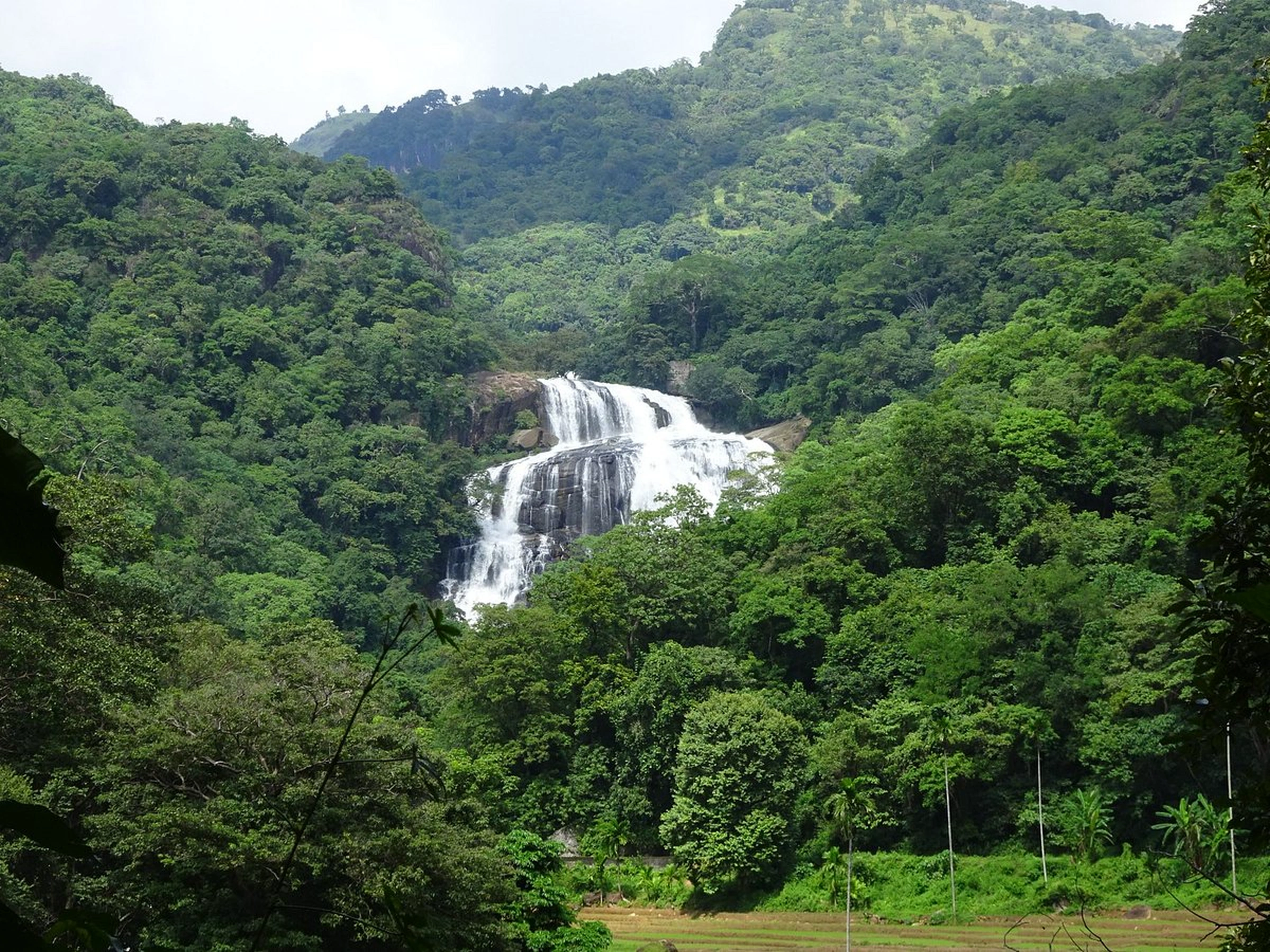
Cascata Rathna Ella
Cascate ๐Ÿ’Ž Hidden Gem 4 min read

Cascata Rathna Ella

0.0 ยท 0 reviews 131 views Last updated Nov 19, 2026
Hasalaka, Kandy
0.0Rating
November to FebruaryBest Time
FreeEntry Fee
Full DaySuggested Time
ModerateDifficulty
4 minRead Time

Where to stay near Cascata Rathna Ella

Compare live prices with our booking partners.

Some links below are affiliate links. If you book through them we may earn a small commission โ€” at no extra cost to you. How this works.

Cost & practical info

Entry fee Free Confirm current fees on site
Best time to visit November to February
Suggested time Full Day
Difficulty Moderate

Prices and opening hours can change โ€” always confirm with the official site before you travel.

The Guide

โ›ฐ๏ธ Introduction to Rathna Ella Waterfall

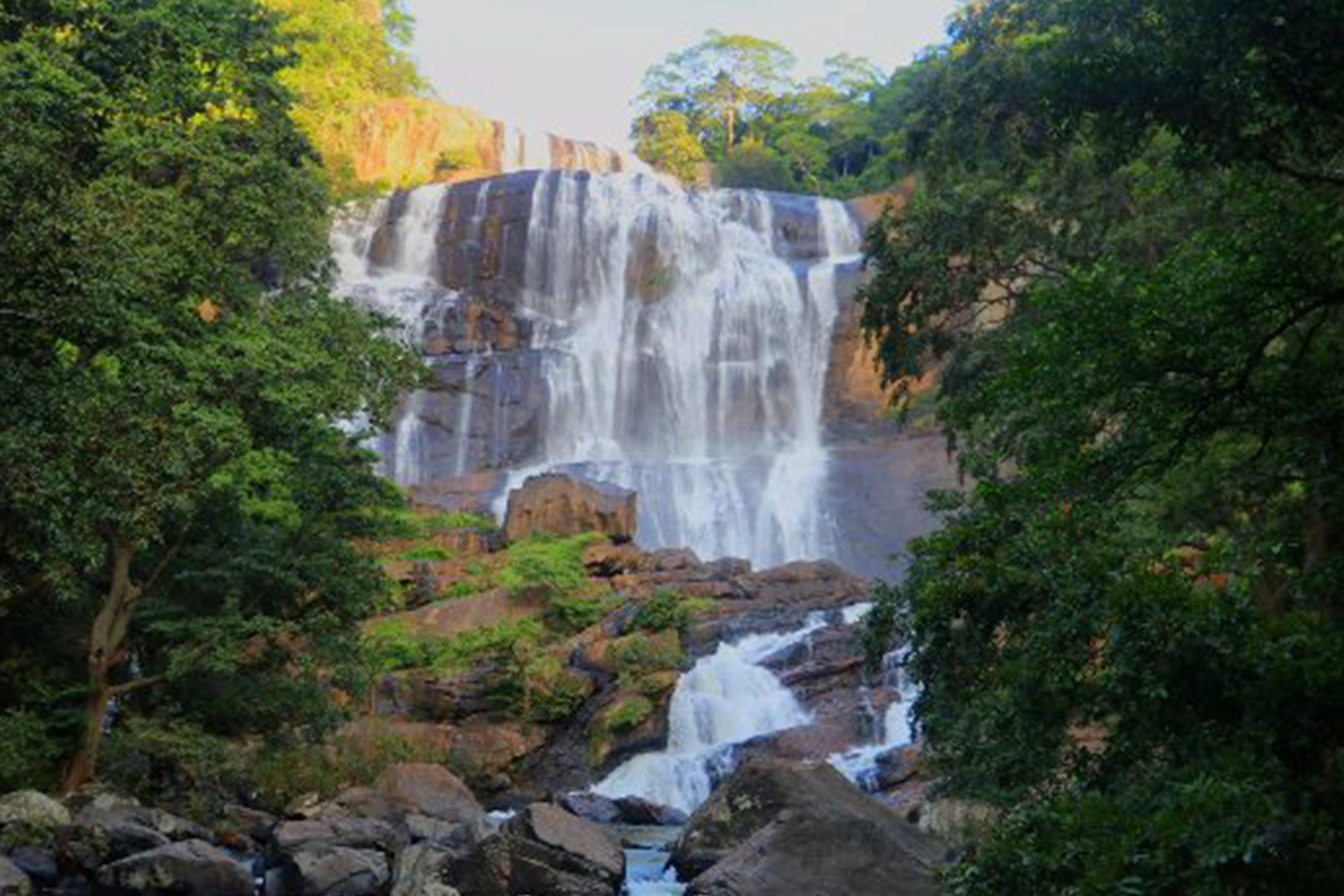
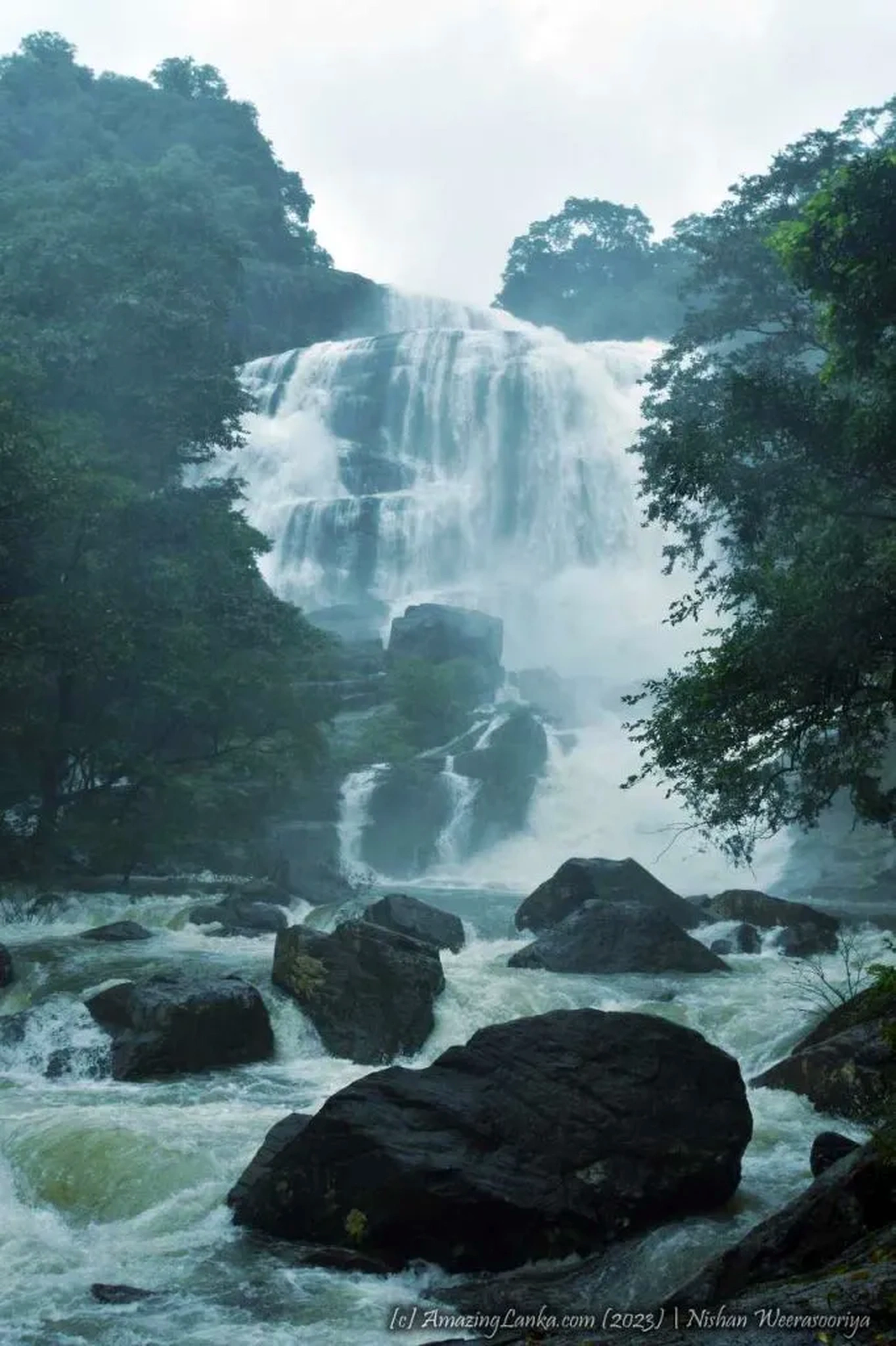
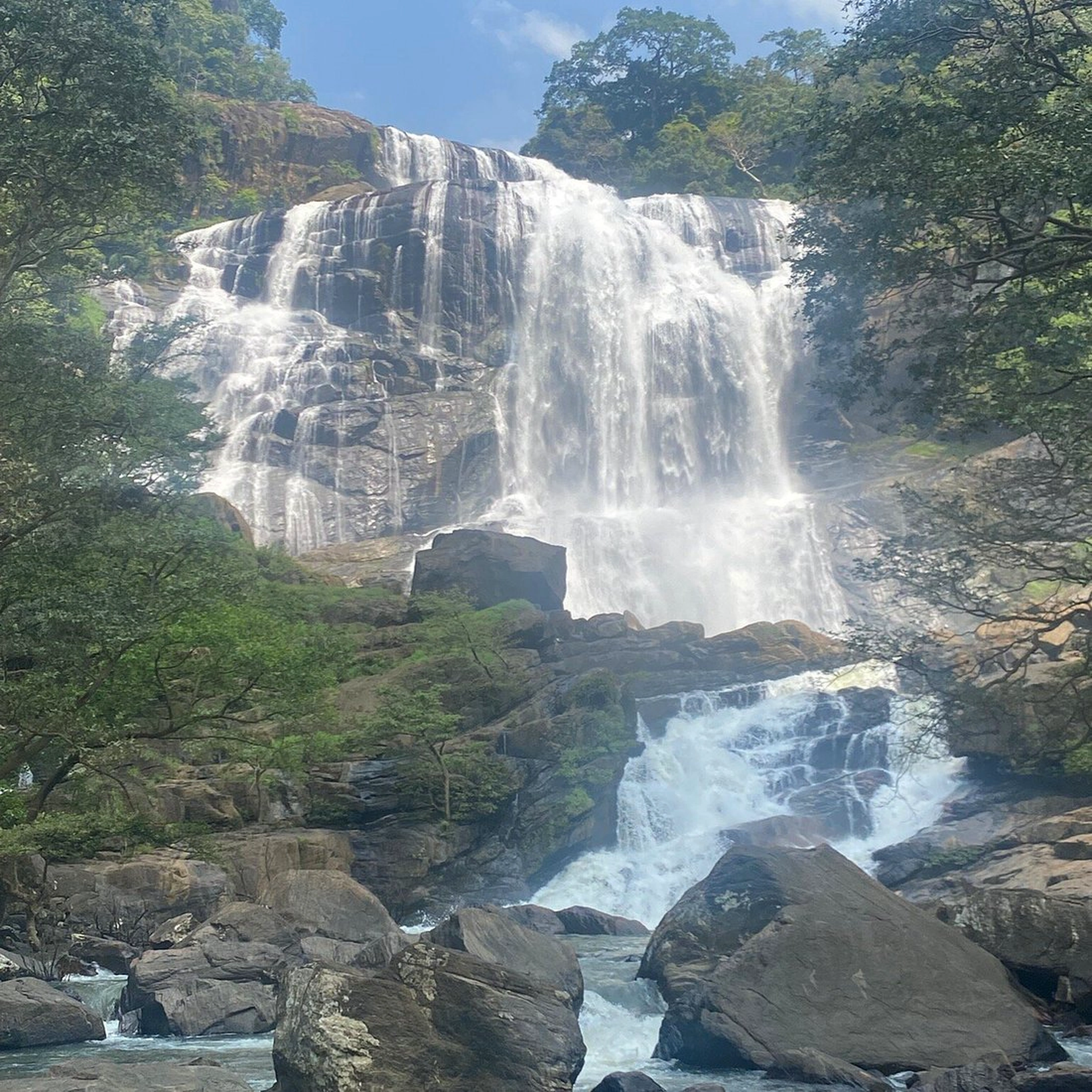
Nestled deep within the verdant embrace of Sri Lanka's central highlands, the Rathna Ella Waterfall (often spelled Rathnaella) is a true hidden gem, a majestic cascade that offers a breathtaking escape from the ordinary. Located near the quiet village of Hasalaka in the Kandy district, this magnificent waterfall stands as a testament to nature's raw power and ethereal beauty. Unlike some of the more frequented waterfalls, Rathna Ella retains an air of unspoiled tranquility, making it a perfect destination for adventurers, nature lovers, and anyone seeking a profound connection with the island's natural wonders. Its name, โ€˜Rathna Ella,โ€™ translates to โ€˜Jewel Waterfall,โ€™ a fitting moniker for a spectacle that truly sparkles amidst the emerald landscape. ๐Ÿ’Ž

Standing at an impressive height, Rathna Ella is not just a visual delight but a sensory experience. The sheer force of the water plummeting down its rocky face creates a mesmerizing symphony, a constant roar that echoes through the surrounding valleys. The air is perpetually cool and mist-laden, carrying the fresh scent of damp earth and lush foliage. This microclimate fosters a rich biodiversity, making the trek to the falls an encounter with a vibrant ecosystem. ๐ŸŒฟ

๐Ÿšถโ€โ™€๏ธ The Journey to Rathna Ella

The adventure to Rathna Ella begins long before you reach the falls themselves. The journey involves a scenic drive through picturesque villages, terraced paddy fields, and dense forests, offering glimpses into rural Sri Lankan life. The final leg of the journey typically involves a moderate trek through charming countryside paths. This hike, while not overly strenuous for most, adds to the sense of discovery and accomplishment. As you walk, you'll be treated to panoramic views of the surrounding hills, often dotted with tea plantations and small homesteads. Keep an eye out for local wildlife; colorful birds, butterflies, and perhaps even some playful monkeys might cross your path. ๐Ÿ’๐Ÿฆ‹

The path to the waterfall can be a mix of well-trodden earth and rocky sections, sometimes crossing small streams. It's an immersive experience that allows you to truly feel connected to the environment. Local guides are often available and highly recommended, not only for navigation but also for their invaluable insights into the local flora, fauna, and cultural significance of the area. They can also point out the best vantage points for those iconic photographs. ๐Ÿ“ธ

๐Ÿ’ง The Majestic Cascade

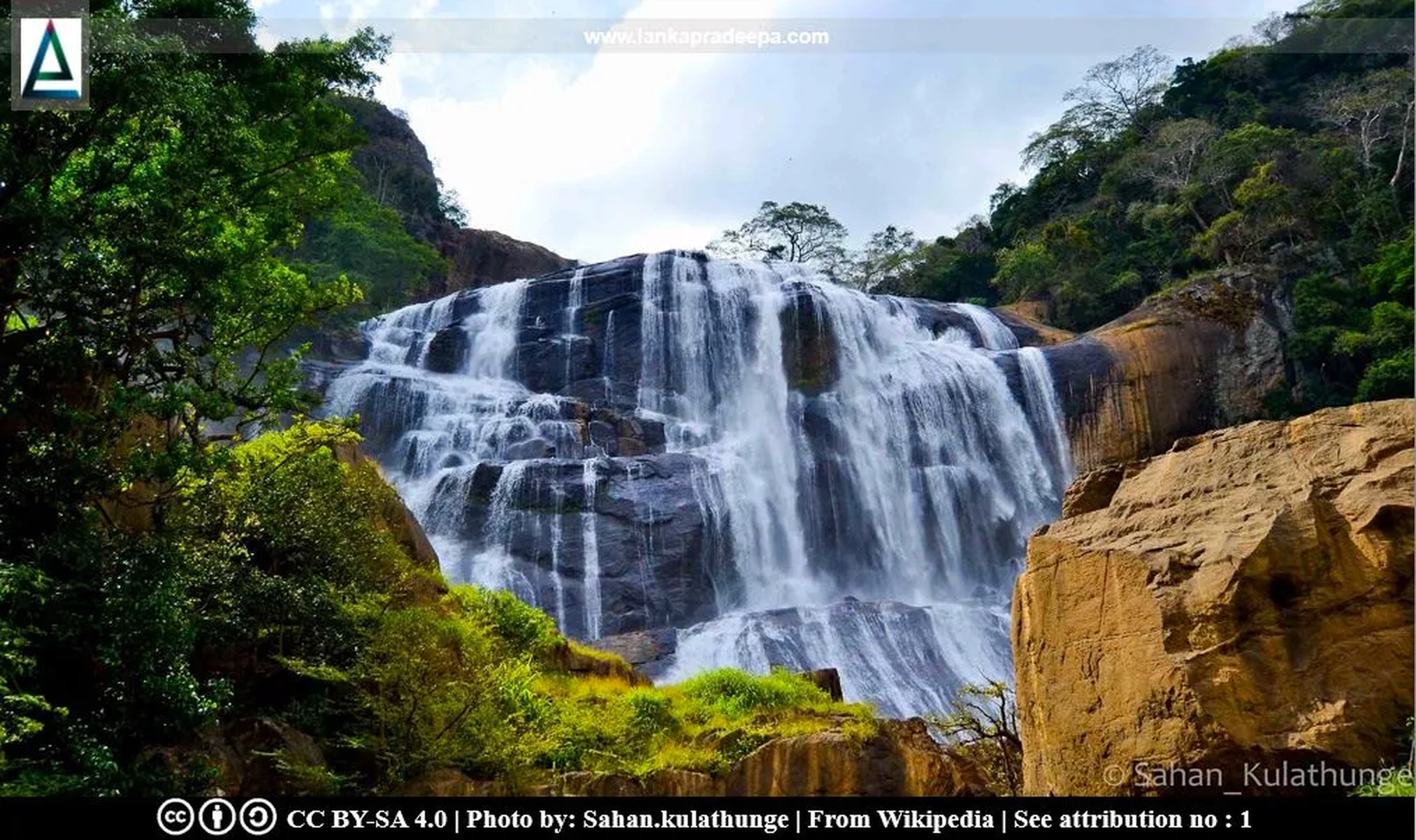
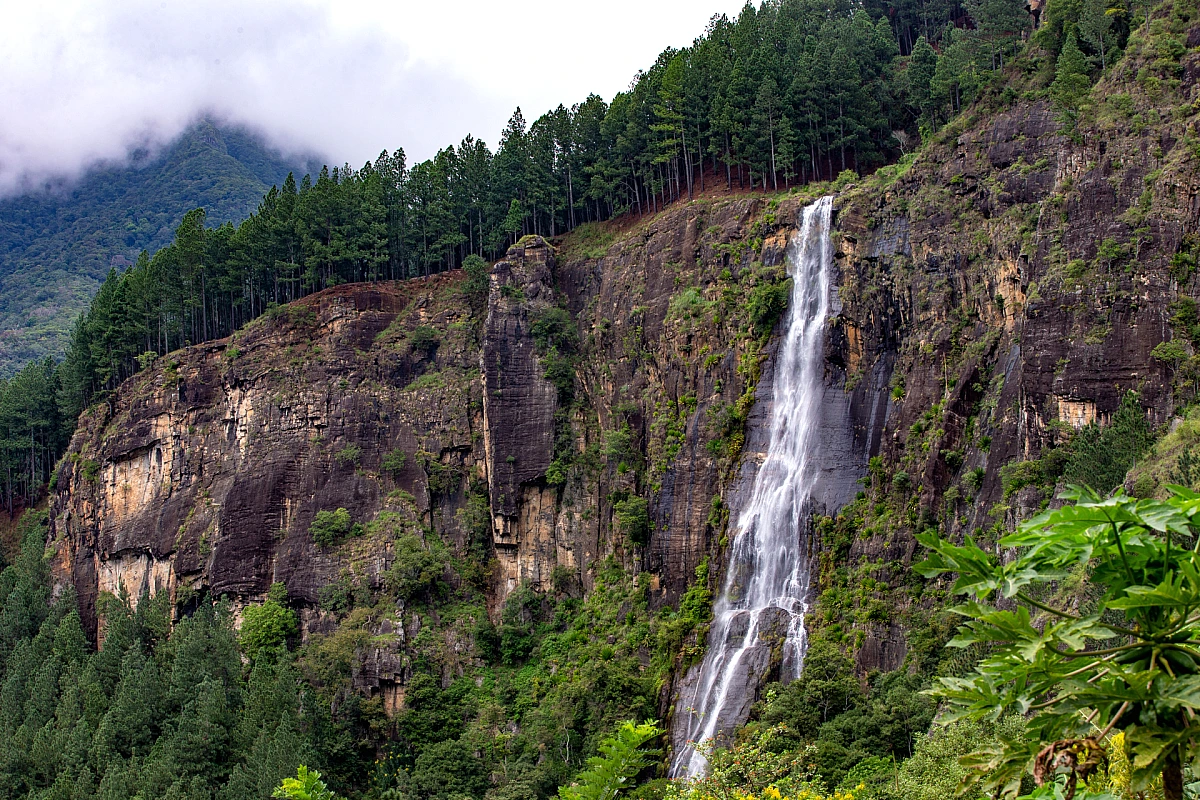
Upon arrival, the sight of Rathna Ella will undoubtedly leave you awe-struck. The water descends in multiple tiers, creating a dramatic and powerful display. During the monsoon season, the waterfall swells to its full glory, a thunderous torrent that commands respect. Even in drier periods, its beauty is undeniable, with the water gracefully carving its path down the ancient rocks. The basin at the bottom often forms a natural pool, inviting weary travelers to cool off in its refreshing waters. However, caution is always advised, especially during high flow, as currents can be strong. ๐ŸŠโ€โ™€๏ธ

The area around the base of the falls is a fantastic spot for relaxation and photography. You can spend hours simply gazing at the water, feeling the cool spray on your face, and listening to the rhythmic roar. The interplay of light and shadow on the water and rocks creates ever-changing scenes, making every moment unique. For photographers, the opportunities are endless, from wide landscape shots to intricate close-ups of the water's patterns and the vibrant plant life. ๐Ÿ–ผ๏ธ

๐ŸŒณ Surrounding Nature and Biodiversity

Rathna Ella is not just about the waterfall; it's about the entire ecosystem it sustains. The surrounding forest is a haven for biodiversity. You'll encounter a rich variety of plant species, some endemic to Sri Lanka. The air is alive with the sounds of various birds, and if you're lucky, you might spot some of the shyer inhabitants of the forest. This natural richness underscores the importance of responsible tourism and preserving such pristine environments for future generations. ๐Ÿฆ‰๐ŸฆŽ

The rural setting of Hasalaka also offers a glimpse into authentic Sri Lankan village life. The warmth and hospitality of the local people are often highlighted by visitors. Engaging with the community, even through simple greetings, can enrich your experience and provide a deeper understanding of the local culture. Consider supporting local businesses by purchasing snacks or drinks from small shops along the way. ๐Ÿค

๐ŸŒŸ Why Rathna Ella is a Must-Visit

For those seeking an authentic, off-the-beaten-path adventure in Sri Lanka, Rathna Ella Waterfall is an absolute must-visit. It offers a perfect blend of natural beauty, moderate physical activity, and cultural immersion. It's a place where you can disconnect from the digital world and reconnect with nature, where the grandeur of the landscape inspires introspection and wonder. Whether you're a solo traveler, a couple, or a family with older children, the memories created at Rathna Ella will last a lifetime. Prepare to be enchanted by its raw power, serene beauty, and the unforgettable journey it offers. Don't forget your camera, sturdy shoes, and an open heart ready to embrace the magic of Sri Lanka! โœจ

Travel Context

Practical, Sri Lanka-specific detail for Cascata Rathna Ella โ€” where it sits, how far it really is, what it costs and how to behave so your visit is welcome.

Where you are

This destination sits in Hasalaka, Kandy โ€” Kandy District, Sri Lanka. Distances look short on a map but Sri Lankan roads are slow, so plan fewer stops per day than you would at home.

Distance from Colombo

Roughly 170 km by road from Colombo, which is about 4.5 hours depending on traffic, the route and the time of day. The straight-line distance is shorter โ€” allow extra time for hill-country bends, wildlife crossings and roadside stops.

Climate & season

November to February The south and west coasts are driest from December to March; the east coast from April to September. Conditions change quickly in the hill country, where mist and afternoon rain are routine.

What it costs

Entry is listed as Free. Budget separately for transport, food and any guide. Foreign-visitor tickets at major sites are priced in USD, and card machines are unreliable outside the main towns โ€” carry rupees in small notes.

Etiquette & safety

Never swim directly under the main drop โ€” plunge pools can recirculate even when the surface looks calm. Avoid swimming after heavy rain, wear shoes with grip on wet rock, and take all rubbish out with you.

Best Time to Visit

Jan
Feb
Mar
Apr
May
Jun
Jul
Aug
Sep
Oct
Nov
Dec

Local Weather

Central Province Broken clouds
23°
Feels like 23°C
69% 0.9 km/h
Broken clouds
Keep Exploring

Related Travel Guides

Location & Map

Hasalaka, Kandy
Get Directions

Fuel Cost Calculator

How to Get There

๐Ÿš— Getting to Rathna Ella Waterfall

Reaching Rathna Ella Waterfall requires a bit of an adventure, but the journey is part of the reward! The waterfall is located near Hasalaka, which is accessible from major cities like Kandy or Mahiyanganaya. ๐Ÿ—บ๏ธ

๐Ÿš‚ By Train + Bus/Tuk-tuk:

  • Train to Kandy: If coming from Colombo or other southern parts, take a scenic train ride to Kandy. The train journey through the hills is an experience in itself. ๐Ÿš‚
  • Bus from Kandy: From Kandy, you'll need to take a local bus towards Mahiyanganaya (via Hasalaka). Ask the bus conductor to drop you off at the closest point to Rathna Ella (often a junction or a specific landmark near Hasalaka). This bus ride can take a couple of hours. ๐ŸšŒ
  • Tuk-tuk/Local Transport from Hasalaka: From the bus stop near Hasalaka, you'll likely need to hire a tuk-tuk for the remaining distance to the trailhead. This final leg will take you through rural roads. Negotiate the price beforehand. ๐Ÿ›บ

๐ŸšŒ By Bus:

  • You can take a direct bus to Mahiyanganaya from Kandy or other major towns. Ensure the bus passes through Hasalaka. From the drop-off point near Hasalaka, proceed as above with a tuk-tuk to the trailhead. ๐Ÿš

๐Ÿš— By Private Vehicle (Car/Van):

  • This is often the most convenient option, especially if you prefer comfort and flexibility. You can hire a car with a driver from Kandy or other nearby cities. The driver can take you directly to the point where the hike to the waterfall begins. ๐Ÿš•
  • Driving Directions: From Kandy, head towards Mahiyanganaya on the A26 road. Look for signposts or ask locals for directions to Rathna Ella near Hasalaka. Ensure your vehicle has good ground clearance for some of the rural roads leading to the trailhead. ๐Ÿ›ฃ๏ธ

Important Note: Regardless of your chosen mode of transport, be prepared for a walk of varying length (usually 1-2 hours depending on your pace and where your transport drops you) from the nearest motorable road to the actual waterfall. Ask locals for directions, or consider hiring a local guide from Hasalaka for the trek. ๐Ÿšถโ€โ™€๏ธ๐Ÿšถโ€โ™‚๏ธ

Safety & Travel Tips

Wear Appropriate Footwear: The trek to the waterfall can be muddy, rocky, and slippery, especially after rain. Sturdy hiking shoes or comfortable, closed-toe walking sandals with good grip are essential. Avoid flip-flops. ๐Ÿ‘Ÿ
Dress Comfortably: Wear light, breathable clothing suitable for hiking and humid weather. A hat and sunglasses are advisable for sun protection. ๐Ÿงข๐Ÿ˜Ž
Carry Enough Water & Snacks: While there might be small local shops near the starting point of the trek, it's best to carry your own sufficient supply of water and some energy-boosting snacks. ๐Ÿ’ง๐ŸŽ
Hire a Local Guide: While not strictly necessary, hiring a local guide is highly recommended. They know the best routes, can share insights about the area, and ensure your safety. Negotiate the price beforehand. ๐Ÿง‘โ€๐Ÿคโ€๐Ÿง‘
Be Mindful of the Weather: The weather in the central highlands can change rapidly. Check the forecast before you go, and consider carrying a light rain jacket, especially during the monsoon season (May to September). ๐ŸŒฆ๏ธโ˜”
Protect Yourself from Insects: Carry insect repellent, especially for mosquitoes and leeches, which can be present in forested areas. ๐ŸฆŸ
Swim with Caution: If you plan to swim in the natural pools at the base of the waterfall, exercise extreme caution. Currents can be strong, especially during heavy rainfall. Avoid swimming during flash floods. ๐ŸŠ๐Ÿšซ
Respect Nature & Local Culture: Do not litter. Take all your trash back with you. Be respectful of local customs and people. โ™ป๏ธ๐Ÿ™
Charge Your Devices: Ensure your phone and camera batteries are fully charged to capture the stunning scenery. A power bank can be useful. ๐Ÿ”‹๐Ÿ“ธ
Inform Someone of Your Plans: If you're venturing out alone, inform your hotel or a trusted person about your itinerary. ๐Ÿ—ฃ๏ธ
Cash is King: While some places might accept cards, it's always best to carry sufficient local currency (Sri Lankan Rupees) for transport, guides, and any purchases from small local vendors. ๐Ÿ’ฐ

Nearby Amenities

Restaurants & Eateries: You'll find local eateries (known as 'hotels' or 'restaurants' in Sri Lanka, often serving rice and curry, kottu, and other local dishes) in Hasalaka town and along the main Kandy-Mahiyanganaya road. These are typically simple, authentic establishments. For more diverse options, Kandy offers a wider range of restaurants. ๐Ÿฝ๏ธ๐Ÿœ
Accommodation: There isn't direct accommodation at the waterfall. However, you can find guesthouses and small hotels in Hasalaka or nearby larger towns like Mahiyanganaya or even back in Kandy, depending on your itinerary. Booking in advance is advisable, especially during peak season. ๐Ÿจ๐Ÿ›Œ
ATMs & Banks: Hasalaka town usually has a few ATMs where you can withdraw cash. It's always a good idea to withdraw enough cash in a major town like Kandy before heading to more remote areas. ๐Ÿ’ธ๐Ÿ’ณ
Hospitals & Medical Facilities: For minor ailments, there might be small clinics or dispensaries in Hasalaka. For more serious medical emergencies, the closest general hospital would likely be in Mahiyanganaya or Kandy. It's always wise to carry a basic first-aid kit. ๐Ÿฉน๐Ÿฅ
Grocery Stores & Provisions: Small general stores ('kades') in Hasalaka and surrounding villages can provide basic necessities, snacks, and drinks. For a wider selection, you'd need to go to larger towns. ๐Ÿ›’๐ŸŽ
Fuel Stations: Fuel stations can be found along the main roads leading to Hasalaka, particularly in larger towns. Ensure your vehicle has enough fuel for the journey. โ›ฝ
Public Toilets: Public toilet facilities are generally scarce in rural areas. It's best to use facilities at restaurants or guesthouses before starting your trek. ๐Ÿšป

Sri Lanka Essentials

The things that catch visitors out on a first trip โ€” money, connectivity, transport, health and the small etiquette rules that make a real difference.

Money & payments

The currency is the Sri Lankan rupee (LKR). Cards work in hotels, supermarkets and larger restaurants, but tuk-tuks, small entry gates, beach cafรฉs and village shops are cash-only. Draw from bank ATMs in towns rather than standalone machines, keep small notes for change, and carry enough cash for two days when you head into the hill country or the north.

Connectivity & data

A local tourist SIM (Dialog, Mobitel or Hutch) is cheap and easy to buy at the airport or in any town with your passport. Coverage is good on the coasts and in towns, patchier in the Knuckles, parts of the north and inside national parks. Download offline maps and screenshots of bookings before remote drives.

Getting around

Trains are slow, scenic and very cheap โ€” the hill-country line is the highlight. Buses cover almost everywhere but can be crowded. Tuk-tuks suit short hops; agree the fare first or use a metered app. Private drivers are good value for multi-stop days. Distances take longer than the map suggests: 100 km can easily be three hours.

Health & safety

Dengue is present, so use repellent and cover up at dusk. Drink bottled or filtered water, and be careful with ice in remote places. The sun is strong even when overcast. Pharmacies are common in towns; serious care is concentrated in Colombo. Travel insurance that covers adventure activities is worth having.

Responsible travel

Sri Lanka is small and heavily visited โ€” small choices add up. Refuse plastic bags and single-use bottles where you can, avoid elephant rides and any attraction that chains wildlife, dress modestly at religious sites, and buy directly from local guides, homestays and cafรฉs rather than international middlemen.

Holidays & opening hours

Poya (full moon) days are public holidays: temples are busy, some shops close and the sale of alcohol is restricted. Many archaeological sites open at 7am and close by 5โ€“6pm, and last entry is usually an hour earlier. Check opening days before building a long drive around one site.

Traveler Reviews (1)

ewoledu nuwanprasanna
ewoledu nuwanprasanna Aug 06, 2026

Absolutely stunning! ๐ŸŒฟ๐Ÿ’ฆ A peaceful place with breathtaking views. Highly recommended!

โœ๏ธ Leave a Review

Frequently Asked

The trek duration can vary, typically taking between 1 to 2 hours one way, depending on your fitness level, the starting point of your walk (where your vehicle drops you), and how often you stop for breaks or photos. The path can be uneven and sometimes muddy.
The trek to Rathna Ella is moderately challenging with uneven terrain. It is suitable for older children who are accustomed to walking and hiking. Younger children might find it too strenuous, and parents should exercise caution near the waterfall's base and slippery rocks.
While there are natural pools at the base of the waterfall that can be inviting, caution is highly advised. Water currents can be strong, especially after rainfall, and rocks can be slippery. Always assess the conditions carefully and avoid swimming if the water levels are high or the currents seem dangerous. It's best to observe and enjoy the view.
The best time to visit is during the dry season, generally from January to April and from July to September, when the weather is more favorable for trekking and the water flow is still impressive but less torrential. During the monsoon season (May-June and October-December), the waterfall is at its most powerful, but trails can be very muddy and slippery, and heavy rains might make the trek difficult or unsafe.
Weekly Dispatch

Get Travel Inspiration

Hidden gems, local tips & exclusive guides from Sri Lanka, Asia and beyond โ€” delivered to your inbox, weekly.

No spam, ever. Unsubscribe anytime.