Riserva forestale di Udawattakele

Riserva forestale di Udawattakele

4.2 · 0 reviews 90 views Last updated Nov 19, 2026
4.2Rating
The dry season from December to April offers the most pleasant weather for exploring.Best Time
LKR 600 for foreigners / LKR 100 for localsEntry Fee
Half DaySuggested Time
EasyDifficulty
7 minRead Time

Where to stay near Riserva forestale di Udawattakele

Compare live prices with our booking partners.

Some links below are affiliate links. If you book through them we may earn a small commission — at no extra cost to you. How this works.

Cost & practical info

Entry fee LKR 600 for foreigners / LKR 100 for locals Confirm current fees on site
Best time to visit The dry season from December to April offers the most pleasant weather for exploring.
Suggested time Half Day
Difficulty Easy

Prices and opening hours can change — always confirm with the official site before you travel.

The Guide

Imagine stepping directly from the bustling streets of Kandy into a whispering, ancient forest – that's the magic of Udawattakele!

🌳 Whispers of the Royal Past & Ancient Trees 📜

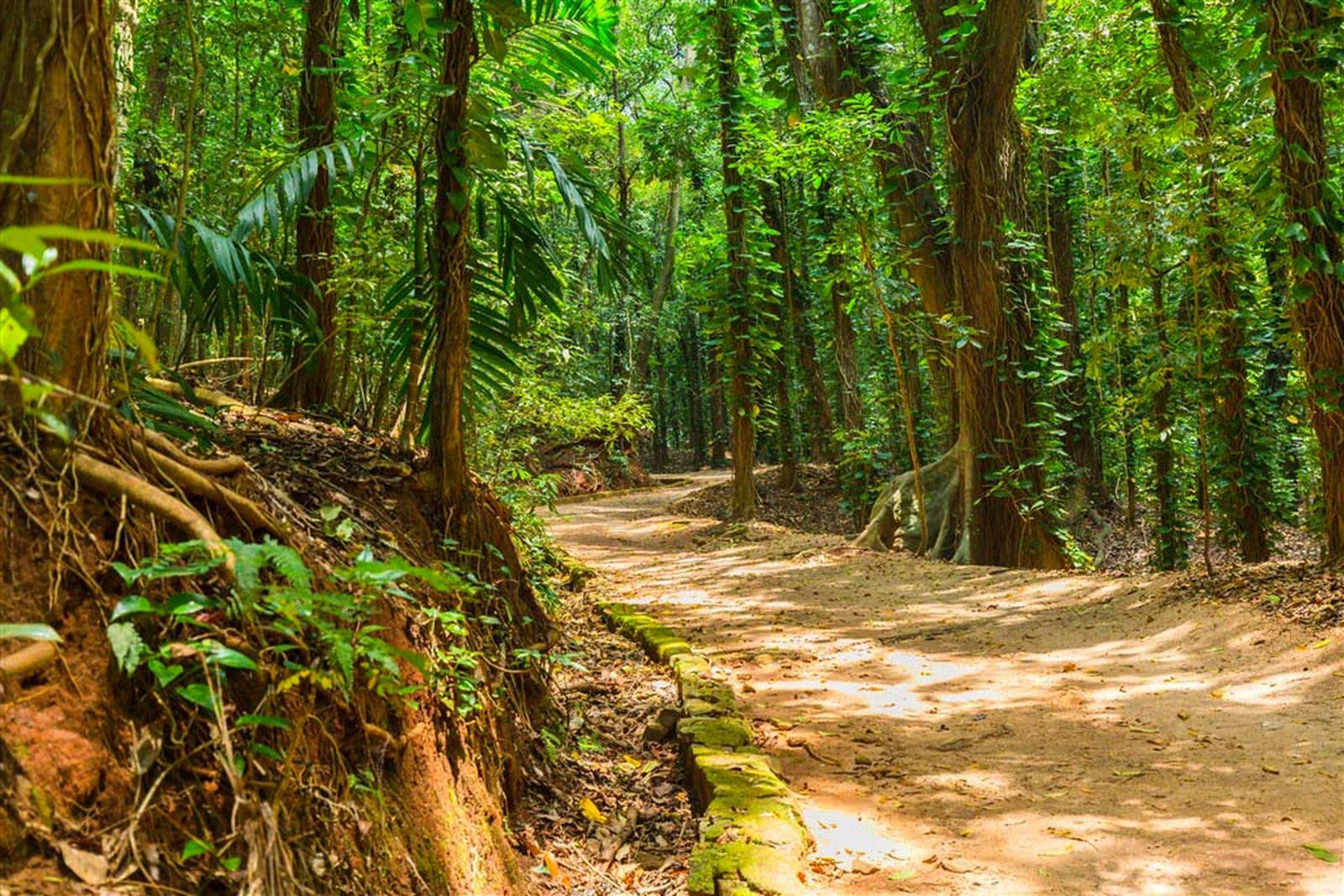
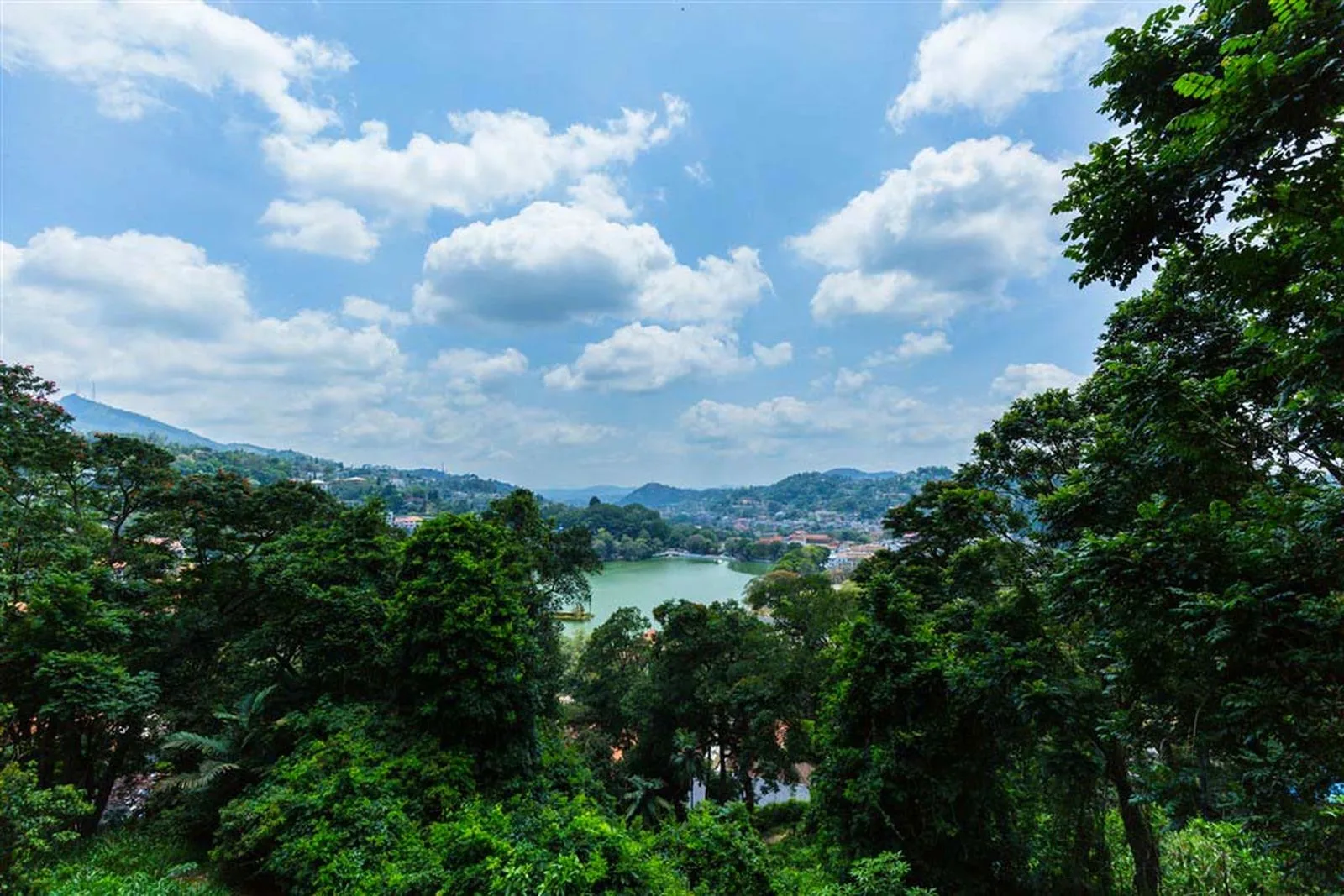
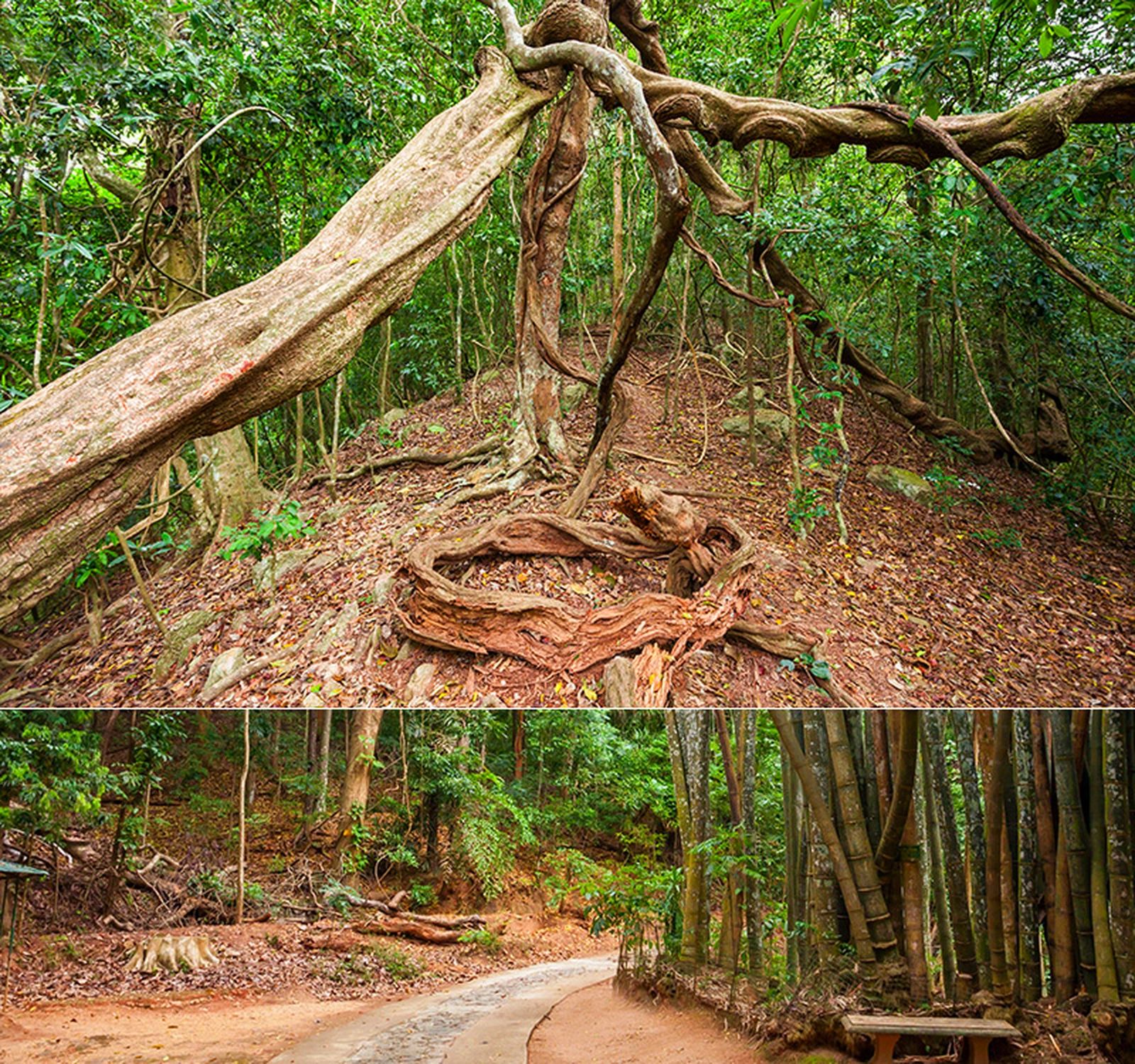
Oh, the sheer delight of discovering Udawattakele Forest Reserve! Tucked away right on the edge of Kandy, this isn't just any patch of green; it's a living, breathing historical tapestry. Known as the Royal Forest Park, it once served as a pleasure garden for the Kandyan kings, and you can almost feel their presence as you wander beneath the towering canopy. The moment you step through the entrance, the city's clamor fades, replaced by a symphony of rustling leaves, chirping birds, and the occasional distant hoot. It’s an immediate immersion into tranquility, a stark contrast to the vibrant chaos just outside its borders. The air instantly feels cooler, cleaner, and carries the sweet, earthy scent of damp soil and ancient trees. I was immediately struck by the sheer scale of some of the trees – colossal giants that have stood sentinel for centuries, their roots snaking across the forest floor like ancient veins. It’s humbling to walk among them, feeling the weight of history and nature’s enduring power.

This reserve is a treasure trove of biodiversity, a dense tropical rainforest that thrives despite its urban proximity. The trails here are well-maintained yet retain a wild, untamed feel, inviting you to explore deeper. I found myself constantly looking up, marveling at the intricate network of branches overhead, forming a natural cathedral ceiling. Sunlight filters through in dappled patches, creating a magical, ethereal glow that changes with every turn of the path. It’s a photographer’s dream, with endless opportunities to capture the interplay of light and shadow. Beyond the visual feast, the sounds are equally captivating. The rustle of leaves underfoot, the distant call of a bird, the gentle hum of insects – it all combines to create a meditative soundscape that soothes the soul. It’s a place where you can truly disconnect from the digital world and reconnect with nature, a rare luxury in our fast-paced lives. The pathways are winding and sometimes a little steep, but nothing too strenuous, making it accessible for a leisurely stroll or a more invigorating hike.

🐒 Wildlife Encounters & Feathered Friends 🦜

Prepare for some delightful encounters! Udawattakele is a haven for wildlife, especially its avian residents. Birdwatchers, grab your binoculars, because this place is buzzing with activity! I spotted so many vibrant species – Sri Lanka Hanging Parrots flitting between branches, iridescent Asian Paradise Flycatchers with their long, elegant tails, and even a few shy Layard's Parakeets. The reserve is home to over 80 species of birds, making it a prime spot for ornithology enthusiasts. But it's not just birds; keep your eyes peeled for other fascinating creatures. The star of the show, in my opinion, are the playful toque macaques. These mischievous monkeys are everywhere, swinging through the trees with effortless grace, grooming each other, and sometimes even peeking curiously at visitors. They’re incredibly entertaining to watch, but remember to keep your distance and avoid feeding them to ensure their natural behavior remains undisturbed.

Beyond the birds and monkeys, I also glimpsed some impressive giant squirrels, their bushy tails a blur as they scampered up tree trunks. There are also porcupines, civets, and various reptiles, though these are much more elusive and require a keen eye and a bit of luck to spot. The forest floor itself is a miniature ecosystem, teeming with insects and smaller creatures, each playing a vital role in this vibrant environment. It’s a constant reminder of the intricate balance of nature. One of the most enchanting aspects is the sheer variety of sounds that fill the air – a symphony of calls, chirps, and rustles that tells you the forest is alive and thriving. Every rustle in the undergrowth or movement in the canopy sparks a sense of wonder and anticipation. It’s not a large safari park, but the intimate scale allows for a more personal and immersive wildlife experience, where you feel truly part of their world rather than just an observer. I spent a good hour just sitting quietly on a bench, letting the sounds wash over me, and was rewarded with a close-up view of a vibrant blue kingfisher diving into a small pond. Magical!

🏛️ Historical Echoes & Sacred Spaces 🙏

What makes Udawattakele truly unique is its blend of natural beauty with historical and spiritual significance. Deep within the reserve, you'll find several Buddhist meditation caves, some of which are still used by monks today. These ancient, rock-hewn sanctuaries offer a profound sense of peace and a glimpse into the spiritual practices that have endured for centuries. The Royal Pond, or Kandyan Raja Pokuna, is another historical highlight. Though often covered in lily pads, it's a serene spot, once used by the Kandyan kings for bathing and rituals. The history here isn't just in grand monuments; it's woven into the very fabric of the forest, in the ancient pathways and the sacred nooks.

Perhaps the most poignant historical feature is the Garrison Cemetery, located just outside one of the reserve's entrances. While not strictly *inside* the forest, it's intrinsically linked to its history and offers a reflective counterpoint to the vibrant life within. This beautifully maintained cemetery is the final resting place for British colonialists who lived and died in Kandy, their gravestones telling silent stories of a bygone era. Walking among the weathered stones, shaded by ancient trees, provides a moment for quiet contemplation and a deeper understanding of Kandy's multifaceted past. It’s a stark reminder of the different layers of history that have shaped this island. The blend of natural wonder and human history creates a truly enriching experience, appealing to both nature lovers and history buffs alike. I found myself pausing at various points, imagining the lives that unfolded here, from kings to colonialists, all under the watchful gaze of this ancient forest. The sense of continuity, of nature enduring while human narratives play out, is palpable. The forest reserve isn't just a place to see; it's a place to feel and connect with the profound heritage of Sri Lanka.

🌿 Trails & Tranquility: Your Forest Escape 🚶‍♀️

The network of trails within Udawattakele is remarkably diverse, offering something for every level of walker. From gentle, wide paths perfect for a leisurely stroll to more challenging, winding routes that take you deeper into the wilderness, you can tailor your experience. I particularly enjoyed the 'Forest Circuit' path, which offers a comprehensive loop, taking you past many of the key points of interest without feeling overly strenuous. Signage, while sometimes a little faded, is generally sufficient to keep you on track, but a sense of adventure is always a good companion!

One of the true joys of Udawattakele is the opportunity for quiet introspection. Despite its proximity to Kandy, the forest absorbs sound remarkably well, creating pockets of profound silence broken only by nature's chorus. I found a secluded bench overlooking a small valley and simply sat there for a long while, breathing in the fresh air and letting my thoughts drift. It’s a perfect antidote to travel fatigue or the general hustle and bustle of daily life. The air quality here is noticeably better, a refreshing change from the urban environment. The canopy provides excellent shade, making it a comfortable place to explore even on warmer days, though the humidity can still be a factor. I recommend taking your time, not rushing through, but truly savouring each moment, each view, each sound. It’s not about covering miles; it’s about absorbing the essence of the place. The changing topography, from gentle slopes to slightly steeper inclines, adds variety to the walk, keeping it engaging without being exhausting. You’ll find yourself discovering hidden nooks and crannies, small streams, and perhaps even a waterfall or two after heavy rains, adding to the sense of discovery. It’s a sanctuary, a green lung for Kandy, and an absolute must-visit for anyone seeking peace and natural beauty.

Travel Context

Practical, Sri Lanka-specific detail for Riserva forestale di Udawattakele — where it sits, how far it really is, what it costs and how to behave so your visit is welcome.

Where you are

Located in Sri Lanka. Distances look short on a map but roads are slow, so plan fewer stops per day than you would at home.

Distance from Colombo

Roughly 130 km by road from Colombo, which is about 3.4 hours depending on traffic, the route and the time of day. The straight-line distance is shorter — allow extra time for hill-country bends, wildlife crossings and roadside stops.

Climate & season

The dry season from December to April offers the most pleasant weather for exploring. The south and west coasts are driest from December to March; the east coast from April to September. Conditions change quickly in the hill country, where mist and afternoon rain are routine.

What it costs

Entry is listed as LKR 600 for foreigners / LKR 100 for locals. Budget separately for transport, food and any guide. Foreign-visitor tickets at major sites are priced in USD, and card machines are unreliable outside the main towns — carry rupees in small notes.

Etiquette & safety

Keep a respectful distance, stay quiet, and never ask a driver to chase an animal or leave the track. Dawn and late afternoon are the most productive hours, and muted colours help you blend in.

Best Time to Visit

Jan
Feb
Mar
Apr
May
Jun
Jul
Aug
Sep
Oct
Nov
Dec

Local Weather

Kandy Overcast clouds
27°
Feels like 28°C
60% 1.32 km/h
Overcast clouds
Keep Exploring

Related Travel Guides

Location & Map

Get Directions

Fuel Cost Calculator

How to Get There

Getting to Udawattakele Forest Reserve is delightfully easy, given its prime location right on the edge of Kandy city! 🚗

  • By Tuk-Tuk: This is probably the most convenient and common way. Simply hail a tuk-tuk from anywhere in Kandy city center, and they'll know exactly where to take you. The ride is short, usually 5-10 minutes, and quite affordable (expect around LKR 300-500 depending on your starting point and bargaining skills).
  • By Walk: If you're staying close to the Temple of the Tooth or Kandy Lake, you can actually walk to one of the entrances, particularly the main one near the Malwatte Temple. It's an uphill walk, but very pleasant, offering glimpses of local life along the way. Allow about 20-30 minutes.
  • By Car/Taxi: If you have a driver, they can easily drop you off at the main entrance. Parking is limited but usually manageable.
  • By Bus: While local buses run in Kandy, they don't go directly to the reserve's entrance. You'd need to take a bus towards a nearby point and then walk or take a short tuk-tuk ride. Given the ease of tuk-tuks, this isn't usually the preferred option.

The main entrance is well-marked and usually has a small ticket office. Enjoy the scenic journey!

Safety & Travel Tips

👟 Wear Comfortable Shoes: The trails are natural and can be uneven, so good walking shoes are essential.
💧 Carry Water: It can get humid, and there are no shops inside the reserve. Stay hydrated!
🐒 Be Aware of Monkeys: While generally harmless, don't feed them, and keep your belongings secure to avoid any cheeky snatching.
📸 Bring a Camera: The wildlife and lush scenery are incredibly photogenic.
🦟 Insect Repellent: As it's a forest, mosquitoes and other insects can be present, especially during certain times of the day.
🤫 Respect the Silence: Many parts of the forest are used for meditation; maintain a respectful quiet.
☀️ Go Early: The early morning offers cooler temperatures, better light for photography, and more active wildlife.
🗑️ Leave No Trace: Take all your rubbish with you to preserve the pristine environment.
🧭 Stay on Trails: For your safety and to protect the ecosystem, stick to marked paths.

Nearby Amenities

🎟️ Ticket Office: Located at the main entrance for entry fees.
🚽 Restrooms: Basic toilet facilities are available near the main entrance.
🅿️ Limited Parking: Small parking area near the main entrance.
🍽️ Restaurants/Cafes: No food or drink vendors inside the reserve. Kandy city center (a short tuk-tuk ride away) offers a plethora of dining options from local eateries to international cuisine.
🏨 Accommodation: Kandy city has a wide range of hotels, guesthouses, and homestays to suit all budgets, all within a short distance.
🏧 ATMs: Numerous ATMs are available throughout Kandy city center.
🏥 Hospitals/Pharmacies: Kandy General Hospital and several private hospitals and pharmacies are easily accessible in the city.

Sri Lanka Essentials

The things that catch visitors out on a first trip — money, connectivity, transport, health and the small etiquette rules that make a real difference.

Money & payments

The currency is the Sri Lankan rupee (LKR). Cards work in hotels, supermarkets and larger restaurants, but tuk-tuks, small entry gates, beach cafés and village shops are cash-only. Draw from bank ATMs in towns rather than standalone machines, keep small notes for change, and carry enough cash for two days when you head into the hill country or the north.

Connectivity & data

A local tourist SIM (Dialog, Mobitel or Hutch) is cheap and easy to buy at the airport or in any town with your passport. Coverage is good on the coasts and in towns, patchier in the Knuckles, parts of the north and inside national parks. Download offline maps and screenshots of bookings before remote drives.

Getting around

Trains are slow, scenic and very cheap — the hill-country line is the highlight. Buses cover almost everywhere but can be crowded. Tuk-tuks suit short hops; agree the fare first or use a metered app. Private drivers are good value for multi-stop days. Distances take longer than the map suggests: 100 km can easily be three hours.

Health & safety

Dengue is present, so use repellent and cover up at dusk. Drink bottled or filtered water, and be careful with ice in remote places. The sun is strong even when overcast. Pharmacies are common in towns; serious care is concentrated in Colombo. Travel insurance that covers adventure activities is worth having.

Responsible travel

Sri Lanka is small and heavily visited — small choices add up. Refuse plastic bags and single-use bottles where you can, avoid elephant rides and any attraction that chains wildlife, dress modestly at religious sites, and buy directly from local guides, homestays and cafés rather than international middlemen.

Holidays & opening hours

Poya (full moon) days are public holidays: temples are busy, some shops close and the sale of alcohol is restricted. Many archaeological sites open at 7am and close by 5–6pm, and last entry is usually an hour earlier. Check opening days before building a long drive around one site.

Traveler Reviews (0)

Be the first to review Riserva forestale di Udawattakele!

✍️ Leave a Review

Frequently Asked

Yes, it's generally suitable for children, especially older ones who can manage walking on uneven trails. The wildlife (monkeys, birds) is often a big hit with kids. Younger children might need to be carried or have a stroller suitable for rough terrain.
A typical visit can range from 2 to 4 hours, depending on how many trails you explore and how much time you spend birdwatching or simply enjoying the tranquility. You can easily spend half a day here if you're a keen nature lover.
While official guides are not typically stationed at the entrance, you might find locals offering their services. However, the trails are generally well-marked, and you can explore independently. A good guidebook or a local bird app can enhance your experience.
While Udawattakele is a wildlife sanctuary, it's a relatively small forest reserve on the edge of a city. You are highly unlikely to see large predators like leopards. The primary wildlife sightings are birds, monkeys, giant squirrels, and various reptiles and insects.
Weekly Dispatch

Get Travel Inspiration

Hidden gems, local tips & exclusive guides from Sri Lanka, Asia and beyond — delivered to your inbox, weekly.

No spam, ever. Unsubscribe anytime.