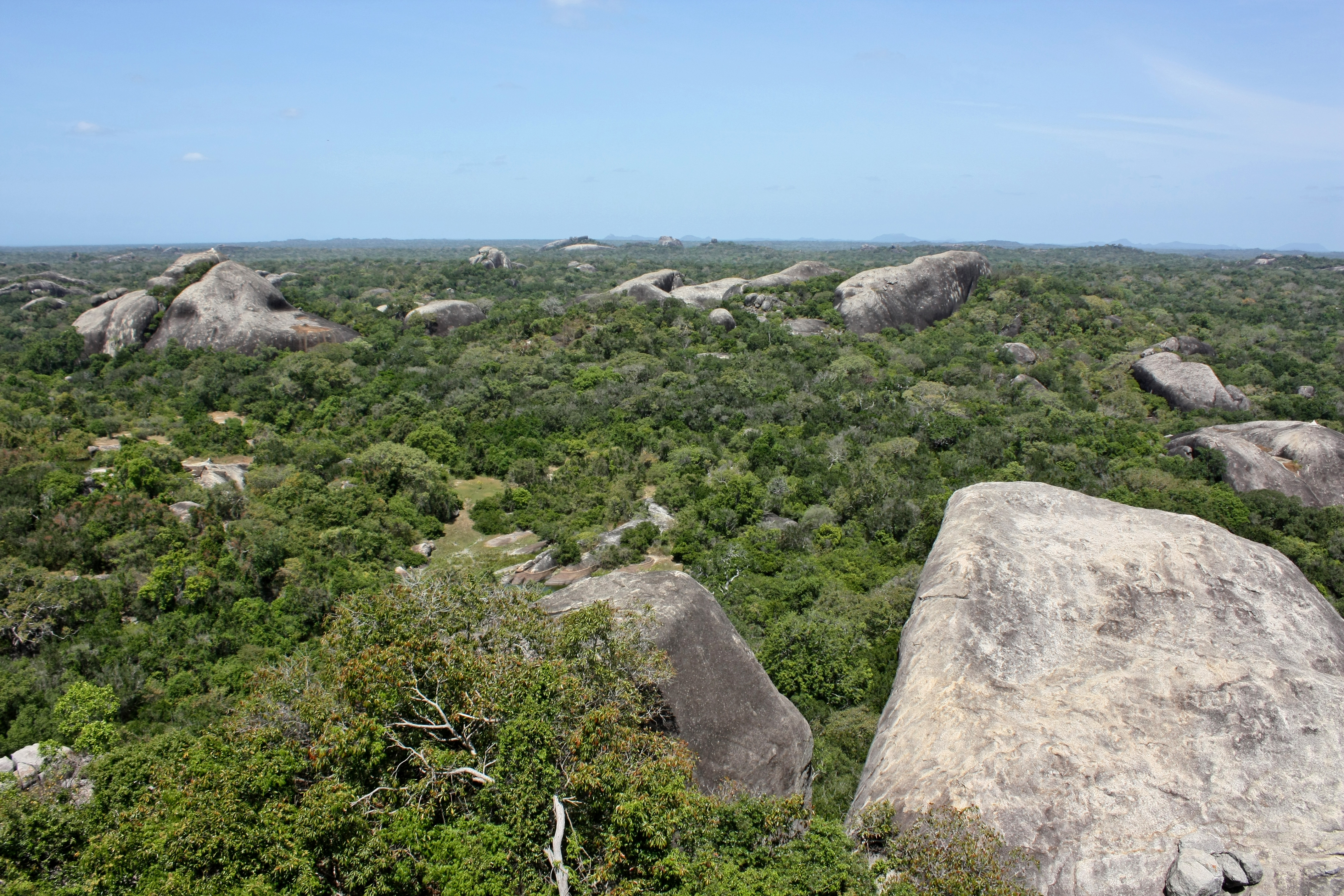
Catena montuosa delle nocche

Catena montuosa delle nocche

0.0 · 0 reviews 122 views Last updated Nov 19, 2026
Kandy, Kandy
0.0Rating
February to AprilBest Time
VariableEntry Fee
Full DaySuggested Time
HardDifficulty
6 minRead Time

Where to stay near Catena montuosa delle nocche

Compare live prices with our booking partners.

Some links below are affiliate links. If you book through them we may earn a small commission — at no extra cost to you. How this works.

Cost & practical info

Entry fee Variable Confirm current fees on site
Best time to visit February to April
Suggested time Full Day
Difficulty Hard

Prices and opening hours can change — always confirm with the official site before you travel.

The Guide

⛰️ Introduction to the Mystical Knuckles Mountain Range

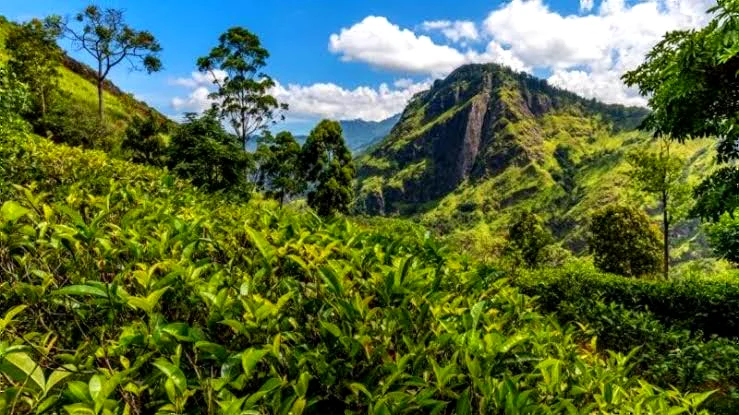
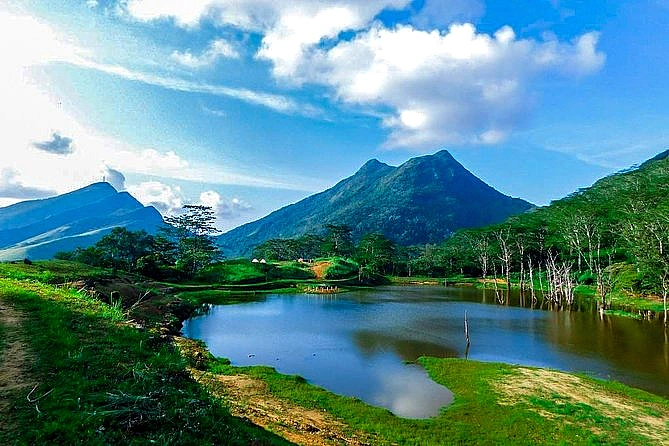
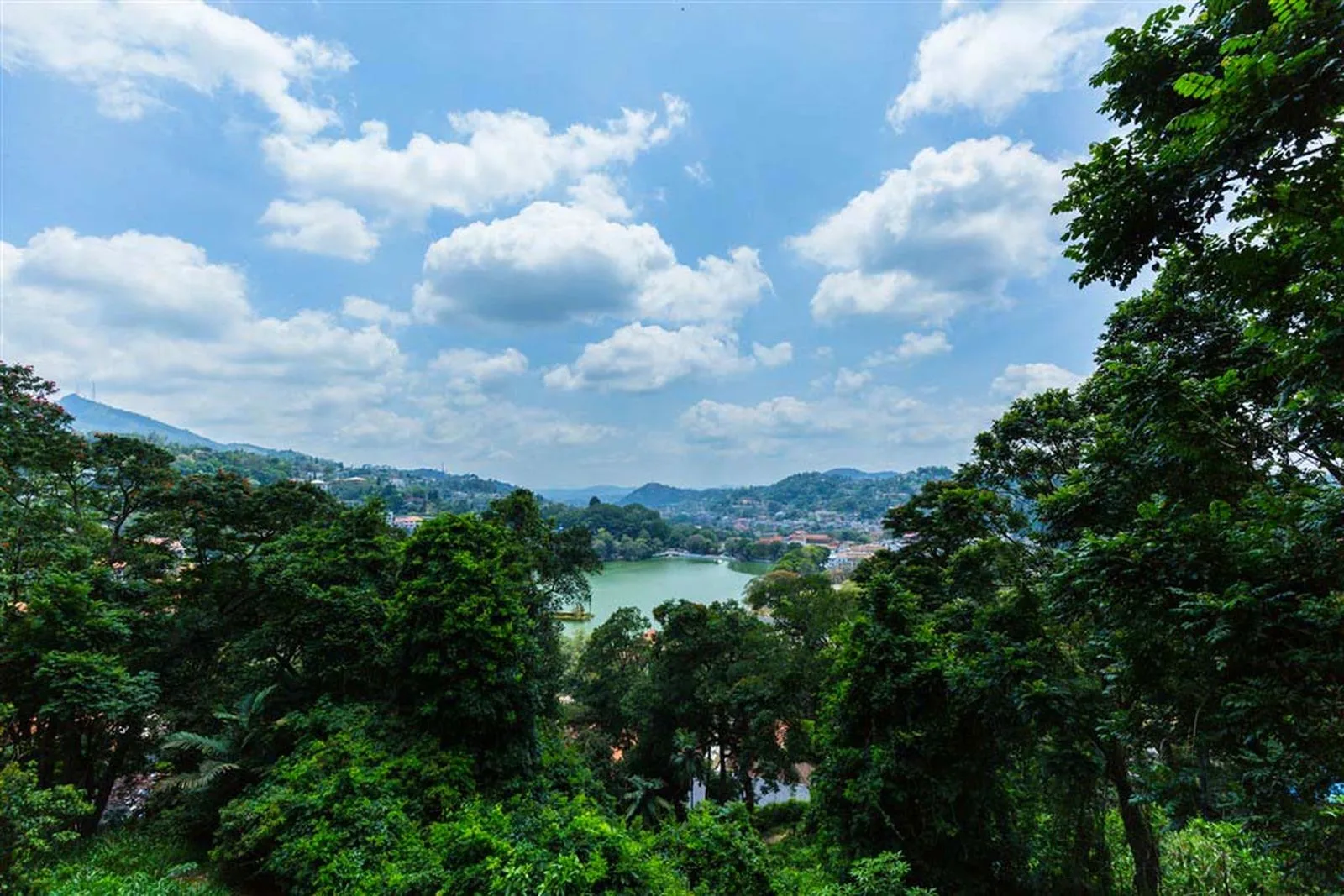
Nestled in the heart of Sri Lanka, a mere stone's throw from the ancient city of Kandy, lies the breathtaking Knuckles Mountain Range. This UNESCO World Heritage Site, known locally as Dumbara Kanduvetiya (meaning 'misty mountain range'), is a geological marvel and a biodiversity hotspot that beckons adventurers, nature lovers, and tranquility seekers alike. Its distinctive series of peaks and folds, resembling a clenched fist from certain vantage points, gives the range its evocative name. Spanning an impressive 155 square kilometers, this untouched wilderness is a sanctuary of endemic flora and fauna, boasting a staggering array of ecosystems that range from lush rainforests and cloud forests to dry evergreen forests and montane grasslands. Prepare to be enchanted by its raw beauty and profound serenity.

🌿 A Tapestry of Biodiversity and Ecosystems

The Knuckles Mountain Range is not just a collection of peaks; it's a living laboratory of nature. Its isolated nature and unique microclimates have fostered an incredible level of endemism, making it a critical conservation area. Imagine trekking through dense jungle where sunlight filters through a canopy of ancient trees, revealing a vibrant undergrowth teeming with life. You might spot the elusive purple-faced langur, the giant squirrel, or a myriad of colorful bird species flitting between branches. The range is home to over 1033 species of plants, many of which are found nowhere else on Earth. The diverse ecosystems include wet evergreen forests on the western slopes, transitioning to dry patana grasslands and savannas on the eastern side. This ecological mosaic creates a stunning visual spectacle and an unparalleled opportunity for ecological exploration. From the delicate orchids clinging to moss-covered trees to the towering dipterocarps, every step unveils a new natural wonder.

🚶‍♀️ Trekking Adventures and Scenic Trails

For the avid hiker, the Knuckles Mountain Range offers an unparalleled trekking experience. With trails ranging from gentle strolls through tea plantations to challenging ascents up rugged peaks, there's a route for every fitness level and ambition. Popular trails include the trek to Mini World's End, offering panoramic vistas that stretch for miles, and the journey to the summit of Knuckles Peak itself. As you traverse these paths, you'll encounter cascading waterfalls, crystal-clear streams, and charming traditional villages where time seems to stand still. Local guides, often from these very villages, are invaluable companions, sharing their deep knowledge of the terrain, local folklore, and hidden gems. Remember to wear sturdy hiking boots, carry sufficient water, and be prepared for sudden changes in weather, as the mountains can be unpredictable. The reward for your efforts will be breathtaking views and a profound connection with nature.

💦 Waterfalls and Refreshing Streams

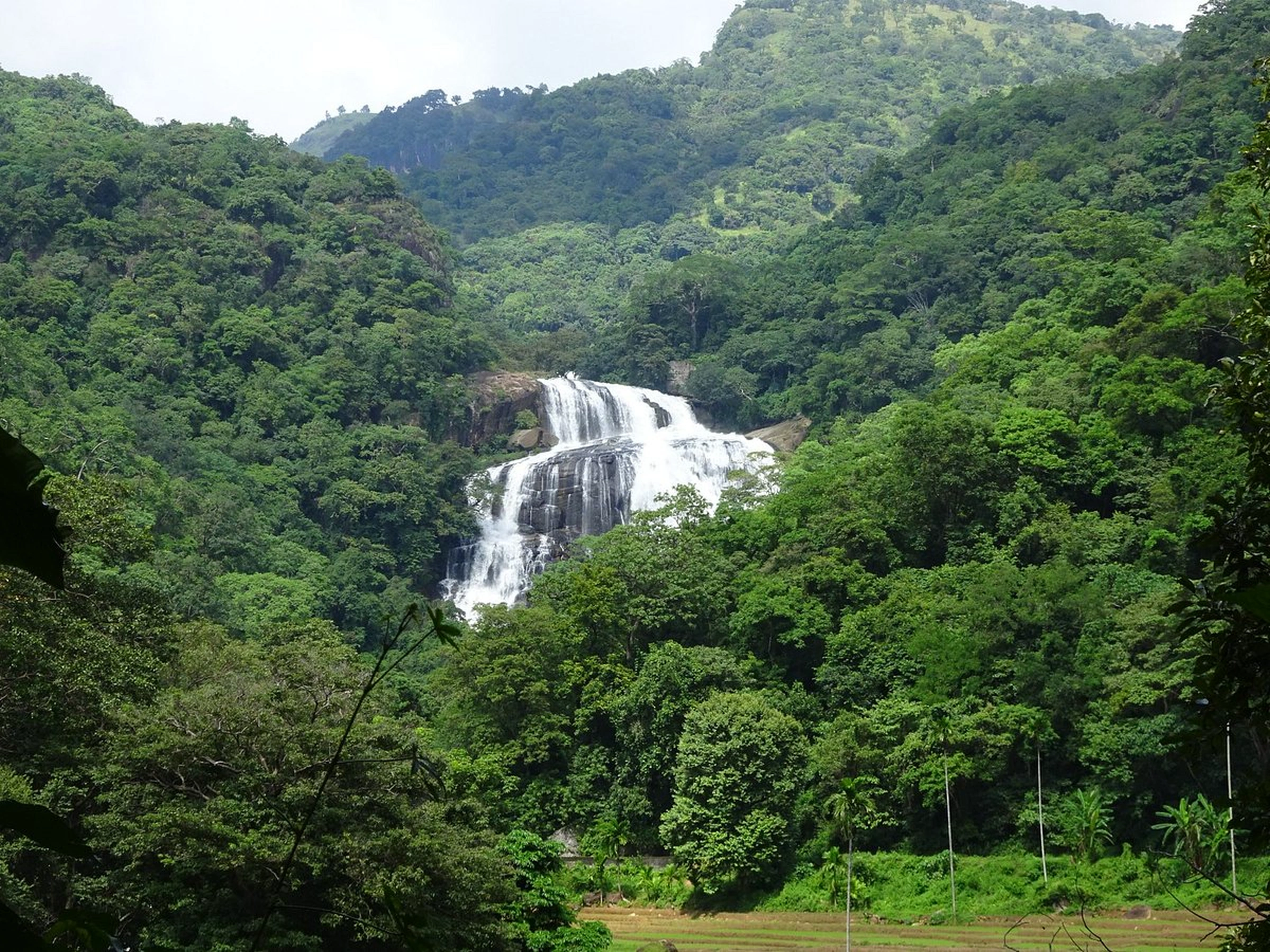
The Knuckles Mountain Range is a land of abundant water, characterized by numerous pristine waterfalls and refreshing streams that crisscross its landscape. These natural water features are not only aesthetically pleasing but also provide vital habitats for various aquatic species. Imagine dipping your toes into the cool, clear waters of a mountain stream after a long hike, or standing in awe before the majestic cascade of a waterfall, its roar echoing through the valleys. Some of the notable waterfalls in the region include the Sera Ella Falls, a multi-tiered beauty, and the Bambarakiri Ella Falls, each offering a unique charm. These natural pools and cascades offer perfect spots for a refreshing swim, a picnic, or simply to relax and absorb the serene atmosphere. The sound of rushing water is a constant, soothing companion throughout your journey.

📸 Capturing the Essence: Photography Opportunities

For photographers, the Knuckles Mountain Range is a paradise. The dramatic landscapes, ever-changing weather patterns, and rich biodiversity offer endless opportunities to capture stunning images. From mist-shrouded peaks at dawn to vibrant sunsets casting long shadows over the valleys, every moment is a potential masterpiece. Focus on the intricate details of the flora, the vibrant plumage of the birds, or the majestic sweep of the mountain ranges. The interplay of light and shadow, especially in the early mornings and late afternoons, creates a magical ambiance. Don't forget to capture the charming local life in the small villages and the terraced rice paddies that add to the region's picturesque appeal. A wide-angle lens is ideal for capturing the expansive vistas, while a macro lens will allow you to explore the intricate beauty of the smaller inhabitants of this incredible ecosystem. Prepare to fill your memory cards with unforgettable memories.

🏡 Cultural Encounters and Local Life

Beyond its natural splendor, the Knuckles Mountain Range offers a glimpse into the authentic rural life of Sri Lanka. Scattered throughout the valleys are charming villages where traditional customs and a slower pace of life prevail. Engaging with the local communities, often involved in farming and tea cultivation, provides a rich cultural experience. You might have the opportunity to witness traditional farming practices, taste freshly prepared local delicacies, or simply share a cup of Ceylon tea with a friendly villager. These interactions add another layer of depth to your journey, reminding you of the human connection to this magnificent landscape. Many guesthouses and homestays in the area offer an immersive experience, allowing you to live like a local and gain a deeper appreciation for their way of life and their intrinsic connection to the land.

🌌 Stargazing and Night Sky Wonders

Far removed from the light pollution of urban centers, the Knuckles Mountain Range offers spectacular opportunities for stargazing. On clear nights, the sky transforms into a dazzling canvas of stars, constellations, and the Milky Way, visible in all its glory. Camping under this celestial dome is an unforgettable experience, allowing you to connect with the universe in a profound way. The crisp, clean mountain air and the profound silence amplify the sense of wonder. Bring a good blanket, a hot drink, and prepare to be mesmerized by the cosmic spectacle above. It's a perfect way to end a day of exploration, reflecting on the vastness of nature and your place within it. The absence of artificial light truly allows the natural beauty of the night sky to shine through, creating a truly magical atmosphere.

Conservation Efforts and Sustainable Tourism

Recognizing its immense ecological value, significant efforts are being made to conserve the Knuckles Mountain Range. As a responsible traveler, it's crucial to practice sustainable tourism. Stick to marked trails, avoid littering, respect wildlife, and support local businesses. By doing so, you contribute to the preservation of this precious natural heritage for future generations. Many local initiatives focus on environmental education and community-based tourism, ensuring that the benefits of tourism are shared with the people who call this magnificent region home. Your visit can directly contribute to these vital conservation efforts, helping to protect its unique biodiversity and cultural landscape. Always remember the principle of 'leave no trace' to ensure the pristine beauty of the Knuckles remains intact.

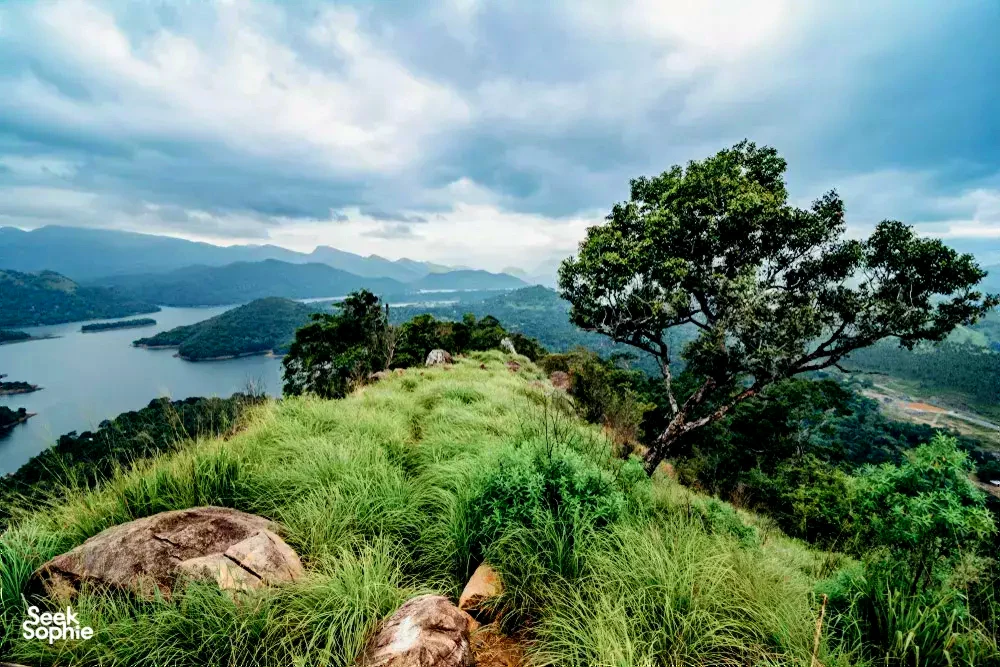
Travel Context

Practical, Sri Lanka-specific detail for Catena montuosa delle nocche — where it sits, how far it really is, what it costs and how to behave so your visit is welcome.

Where you are

This destination sits in Kandy, Kandy — Kandy District, Sri Lanka. Distances look short on a map but Sri Lankan roads are slow, so plan fewer stops per day than you would at home.

Distance from Colombo

Roughly 165 km by road from Colombo, which is about 4.3 hours depending on traffic, the route and the time of day. The straight-line distance is shorter — allow extra time for hill-country bends, wildlife crossings and roadside stops.

Climate & season

February to April The south and west coasts are driest from December to March; the east coast from April to September. Conditions change quickly in the hill country, where mist and afternoon rain are routine.

What it costs

Entry is listed as Variable. Budget separately for transport, food and any guide. Foreign-visitor tickets at major sites are priced in USD, and card machines are unreliable outside the main towns — carry rupees in small notes.

Etiquette & safety

Start early, carry at least two litres of water per person, and tell your guesthouse your route. Trails often cross private tea-estate or temple land, so stay on marked paths and ask before crossing farmland.

Best Time to Visit

Jan
Feb
Mar
Apr
May
Jun
Jul
Aug
Sep
Oct
Nov
Dec

Local Weather

Central Province Overcast clouds
29°
Feels like 29°C
48% 1.97 km/h
Overcast clouds
Keep Exploring

Related Travel Guides

Location & Map

Kandy, Kandy
Get Directions

Fuel Cost Calculator

How to Get There

🚗 Getting to the Knuckles Mountain Range

Reaching the Knuckles Mountain Range, while an adventure in itself, is relatively straightforward from Kandy. Here are your primary options:

🚌 By Bus:

The most economical way to get close to the Knuckles is by public bus. From the Kandy Good Shed Bus Stand, you can take a bus towards destinations like Hunnasgiriya or Madulkelle. These towns serve as popular entry points to the range. The journey can take 1.5 to 2.5 hours, depending on traffic and the specific bus route. From Hunnasgiriya or Madulkelle, you'll likely need to hire a tuk-tuk or a private vehicle to reach your specific starting point for trekking or accommodation within the range. 🚌💨

🚕 By Taxi/Tuk-tuk:

For a more comfortable and direct journey, hiring a taxi or a tuk-tuk from Kandy is a good option. A taxi will be faster and more comfortable, especially if you have luggage, and can take you directly to your accommodation or trailhead. A tuk-tuk offers a more adventurous and scenic ride, particularly on the winding mountain roads, but might be less comfortable for longer distances. Ensure you negotiate the fare beforehand or use a metered taxi service. The drive from Kandy can take around 1 to 2 hours, depending on your destination within the range. 🚗💨

🚂 By Train (Partial):

While there isn't a direct train station within the Knuckles Mountain Range, you can take a scenic train journey from Kandy to nearby towns like Matale. From Matale, you would then need to take a bus or hire a tuk-tuk/taxi further into the Knuckles region. This option offers a beautiful train ride through the Sri Lankan countryside before transitioning to road travel. 🚂➡️🚌/🚕

🗺️ Self-Drive:

If you're comfortable driving in Sri Lanka, renting a car provides the most flexibility to explore the Knuckles at your own pace. The roads leading into and within the range can be narrow and winding, with some sections requiring a 4x4 vehicle, especially if you plan to venture off the main routes. Ensure you have a reliable GPS or map and are confident navigating mountainous terrain. 🗺️🚙

Important Note: Whichever method you choose, it's advisable to arrange your transport in advance, especially if you're heading to a remote guesthouse or trailhead. Local drivers are familiar with the terrain and can navigate the challenging roads with ease. Consider hiring a local guide who often provides transport options as part of their trekking packages. 📞✅

Safety & Travel Tips

Hire a Local Guide: Absolutely essential for safe and enriching treks. Guides know the trails, potential dangers (leeches, snakes), and can share invaluable local knowledge. Book in advance! 🚶‍♂️🗺️
Pack Appropriately: The weather in the Knuckles can change rapidly. Bring layers (light and warm), rain gear (a lightweight waterproof jacket), sturdy hiking boots with good ankle support, and a hat. 🌦️👟🎒
Leech Socks/Repellent: Leeches are common, especially during the rainy season. Invest in leech socks or apply a strong repellent to your legs and shoes. Salt can also deter them. 🐛🚫
Carry Sufficient Water & Snacks: While there are streams, it's best to carry your own purified water. Pack energy-boosting snacks as there are limited shops within the range. 💧🍫
Inform Someone of Your Plans: If you're venturing on less-traveled paths, always inform your accommodation or a trusted person about your trekking route and expected return time. 🗣️📍
Respect Nature: The Knuckles is a protected area. Stick to marked trails, do not litter, do not disturb wildlife, and avoid plucking plants. Leave no trace behind. 🌳🐾♻️
Sun Protection: Even on cloudy days, the sun can be strong. Use sunscreen, sunglasses, and wear a hat. ☀️🕶️
Cash is King: Many smaller establishments, guides, and local shops in the villages may not accept card payments. Carry enough local currency (LKR). 💰
Check Weather Forecasts: Before embarking on a trek, check the local weather forecast. Heavy rains can make trails slippery and dangerous. ☔☁️
Early Start: Begin your treks early in the morning to avoid the midday heat and allow ample time to complete your chosen route before sunset. 🌅🚶‍♀️
Bring a Power Bank: Keep your phone charged for navigation (offline maps!) and emergencies, as electricity can be intermittent in remote areas. 🔋📱
Binoculars: Enhance your wildlife spotting experience, particularly for birdwatching. 🔭🦅

Nearby Amenities

Kandy: You'll find numerous banks and ATMs (e.g., Bank of Ceylon, Commercial Bank, Hatton National Bank) readily available throughout Kandy city. It's highly recommended to withdraw sufficient cash here before heading to the Knuckles. 🏦🏧
Hunnasgiriya/Madulkelle: These smaller towns may have one or two ATMs, but their reliability can be inconsistent. Don't rely solely on them for large withdrawals. 💰
Kandy: The Kandy National Hospital is the primary and largest government hospital in the region, offering comprehensive medical services. There are also several private hospitals and clinics in Kandy. 🏥👨‍⚕️
Local Dispensaries/Clinics: Smaller villages like Hunnasgiriya or Madulkelle might have basic government dispensaries or private clinics for minor ailments, but for serious medical emergencies, Kandy is the nearest option. 🩹💊
Kandy: Offers a vast array of dining options, from local Sri Lankan rice and curry restaurants to international cuisine, cafes, and fast-food outlets. 🍽️🍜
Hunnasgiriya/Madulkelle: You'll find local eateries (boutiques) offering simple, traditional Sri Lankan meals. Some guesthouses and hotels in these areas also have their own restaurants. Expect authentic, home-cooked style food. 🍛🌶️
Within the Knuckles: Options are extremely limited. Some eco-lodges and homestays will provide meals for their guests. For trekkers, packed lunches are usually arranged by your guide or accommodation. 🍎🥪
Kandy: A wide range of accommodation is available, from luxury hotels to budget guesthouses and hostels. 🏨🌟
Hunnasgiriya/Madulkelle & Surrounding Villages: You'll find a growing number of eco-lodges, boutique hotels, guesthouses, and homestays that cater to visitors exploring the Knuckles. These often offer stunning views and a more immersive nature experience. It's recommended to book in advance, especially during peak season. 🏡🛌
Kandy: Large supermarkets (Cargills Food City, Keells Super) and pharmacies are plentiful. 🛒💊
Hunnasgiriya/Madulkelle: Smaller general stores (kade) will have basic necessities, snacks, and some common medications. For specific items, it's best to purchase them in Kandy. 🛍️

Sri Lanka Essentials

The things that catch visitors out on a first trip — money, connectivity, transport, health and the small etiquette rules that make a real difference.

Money & payments

The currency is the Sri Lankan rupee (LKR). Cards work in hotels, supermarkets and larger restaurants, but tuk-tuks, small entry gates, beach cafés and village shops are cash-only. Draw from bank ATMs in towns rather than standalone machines, keep small notes for change, and carry enough cash for two days when you head into the hill country or the north.

Connectivity & data

A local tourist SIM (Dialog, Mobitel or Hutch) is cheap and easy to buy at the airport or in any town with your passport. Coverage is good on the coasts and in towns, patchier in the Knuckles, parts of the north and inside national parks. Download offline maps and screenshots of bookings before remote drives.

Getting around

Trains are slow, scenic and very cheap — the hill-country line is the highlight. Buses cover almost everywhere but can be crowded. Tuk-tuks suit short hops; agree the fare first or use a metered app. Private drivers are good value for multi-stop days. Distances take longer than the map suggests: 100 km can easily be three hours.

Health & safety

Dengue is present, so use repellent and cover up at dusk. Drink bottled or filtered water, and be careful with ice in remote places. The sun is strong even when overcast. Pharmacies are common in towns; serious care is concentrated in Colombo. Travel insurance that covers adventure activities is worth having.

Responsible travel

Sri Lanka is small and heavily visited — small choices add up. Refuse plastic bags and single-use bottles where you can, avoid elephant rides and any attraction that chains wildlife, dress modestly at religious sites, and buy directly from local guides, homestays and cafés rather than international middlemen.

Holidays & opening hours

Poya (full moon) days are public holidays: temples are busy, some shops close and the sale of alcohol is restricted. Many archaeological sites open at 7am and close by 5–6pm, and last entry is usually an hour earlier. Check opening days before building a long drive around one site.

Traveler Reviews (0)

Be the first to review Catena montuosa delle nocche!

✍️ Leave a Review

Frequently Asked

The best time to visit the Knuckles Mountain Range is during the dry season, which typically runs from March to May and from August to September. During these months, the weather is generally clear, and the trails are less slippery, making for more enjoyable trekking. However, be prepared for leeches during any visit, especially after rainfall.
Yes, it is highly recommended and often mandatory by local authorities to hire a registered local guide for trekking in the Knuckles Mountain Range. Guides not only ensure your safety by knowing the terrain and potential hazards but also enrich your experience with their knowledge of the local flora, fauna, and culture. They can also assist with permits and logistics.
Yes, visitors entering the Knuckles Conservation Forest, which is a UNESCO World Heritage site, are required to obtain permits. These permits can usually be arranged through your local guide or accommodation provider. The fees collected contribute to the conservation efforts of the range.
The Knuckles Mountain Range is a biodiversity hotspot. You might encounter various species of primates like the purple-faced langur, giant squirrels, barking deer, and a rich diversity of birdlife, including several endemic species. While rare, leopards and sloth bears also inhabit the range. Keep an eye out for interesting reptiles and amphibians as well.
Yes, camping is permitted in designated areas within the Knuckles Mountain Range, often requiring prior permission from the forest department. Many eco-lodges and guides can facilitate camping experiences, providing equipment and ensuring safety. Camping offers a unique opportunity to experience the pristine wilderness and stargaze.
Weekly Dispatch

Get Travel Inspiration

Hidden gems, local tips & exclusive guides from Sri Lanka, Asia and beyond — delivered to your inbox, weekly.

No spam, ever. Unsubscribe anytime.