Kelaniya Raja Maha Vihara

Kelaniya Raja Maha Vihara

4.5 · 0 reviews 74 views Last updated Nov 19, 2026
4.5Rating
The dry season from December to March offers pleasant weather.Best Time
Free (donations welcome)Entry Fee
EasyDifficulty
6 minRead Time

Where to stay near Kelaniya Raja Maha Vihara

Compare live prices with our booking partners.

Some links below are affiliate links. If you book through them we may earn a small commission — at no extra cost to you. How this works.

Cost & practical info

Entry fee Free (donations welcome) Confirm current fees on site
Best time to visit The dry season from December to March offers pleasant weather.
Suggested time Half a day
Difficulty Easy

Prices and opening hours can change — always confirm with the official site before you travel.

The Guide

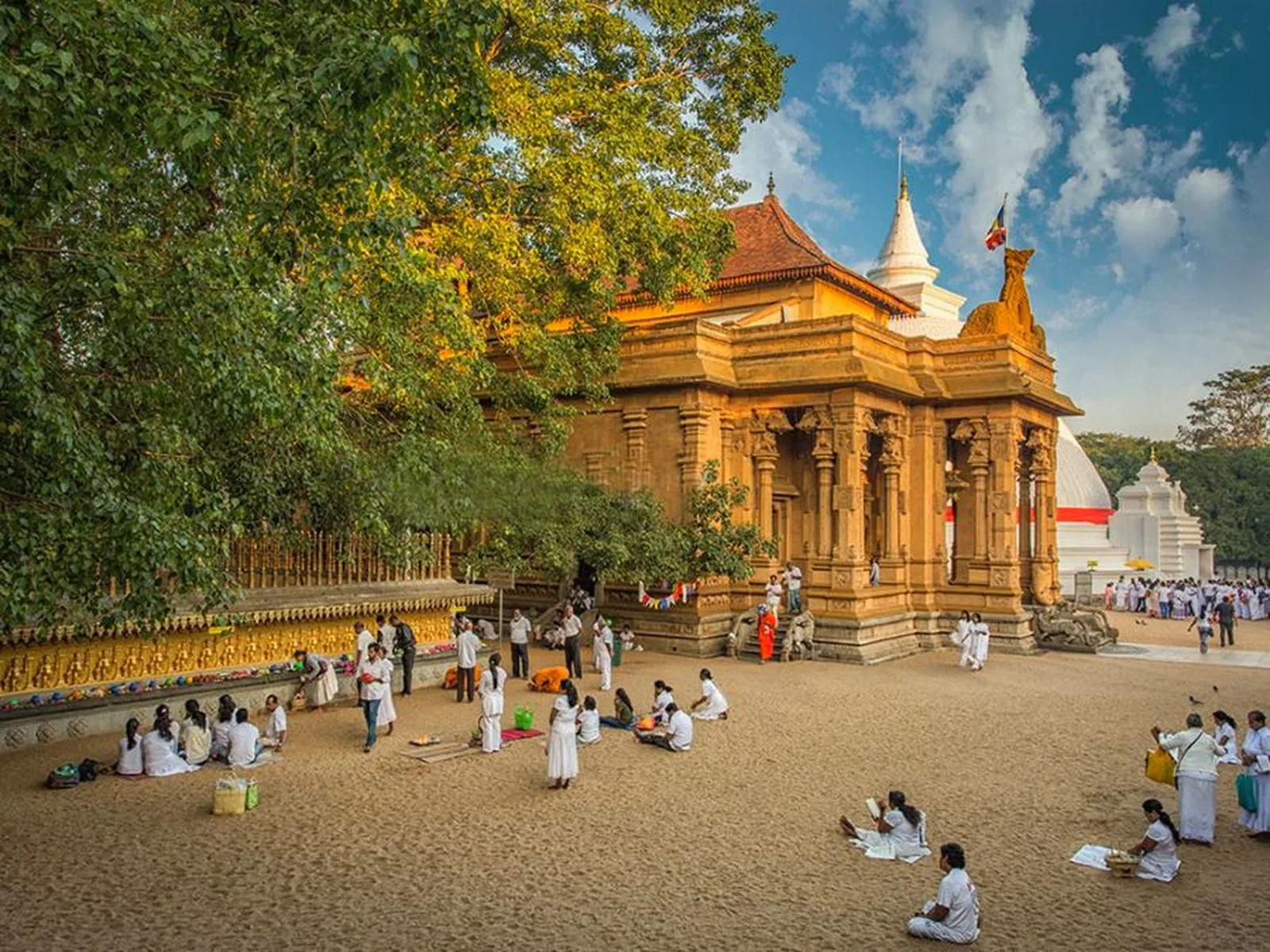
The air, thick with the scent of jasmine and burning incense, hums with a quiet reverence as the first rays of dawn kiss the ancient stupa. A gentle breeze rustles the leaves of sacred bo trees, carrying whispers of millennia. Here, where the Kelani River winds its timeless path, stands the Kelaniya Raja Maha Vihara, a beacon of Buddhist devotion and artistic grandeur. This is not merely a temple; it is a living chronicle, a vibrant tapestry woven with tales of the Buddha’s visits and the enduring spirit of a nation.

Stepping onto the cool, polished stone, one immediately feels a shift in atmosphere. The clamor of the outside world recedes, replaced by a profound sense of peace. Your gaze is drawn upwards to the towering dagoba, its pristine white dome gleaming against the azure sky, a silent testament to faith. Around it, the intricate architecture of the image houses beckons, promising revelations within. It’s a place where history isn’t just studied; it’s felt, breathed, and absorbed into the very fiber of your being. From the vibrant murals depicting Jataka tales to the serene Buddha statues, every element at Kelaniya is a brushstroke in a grand, spiritual masterpiece.

The Whispering Walls: Art & Ancient Legends 🎨📜

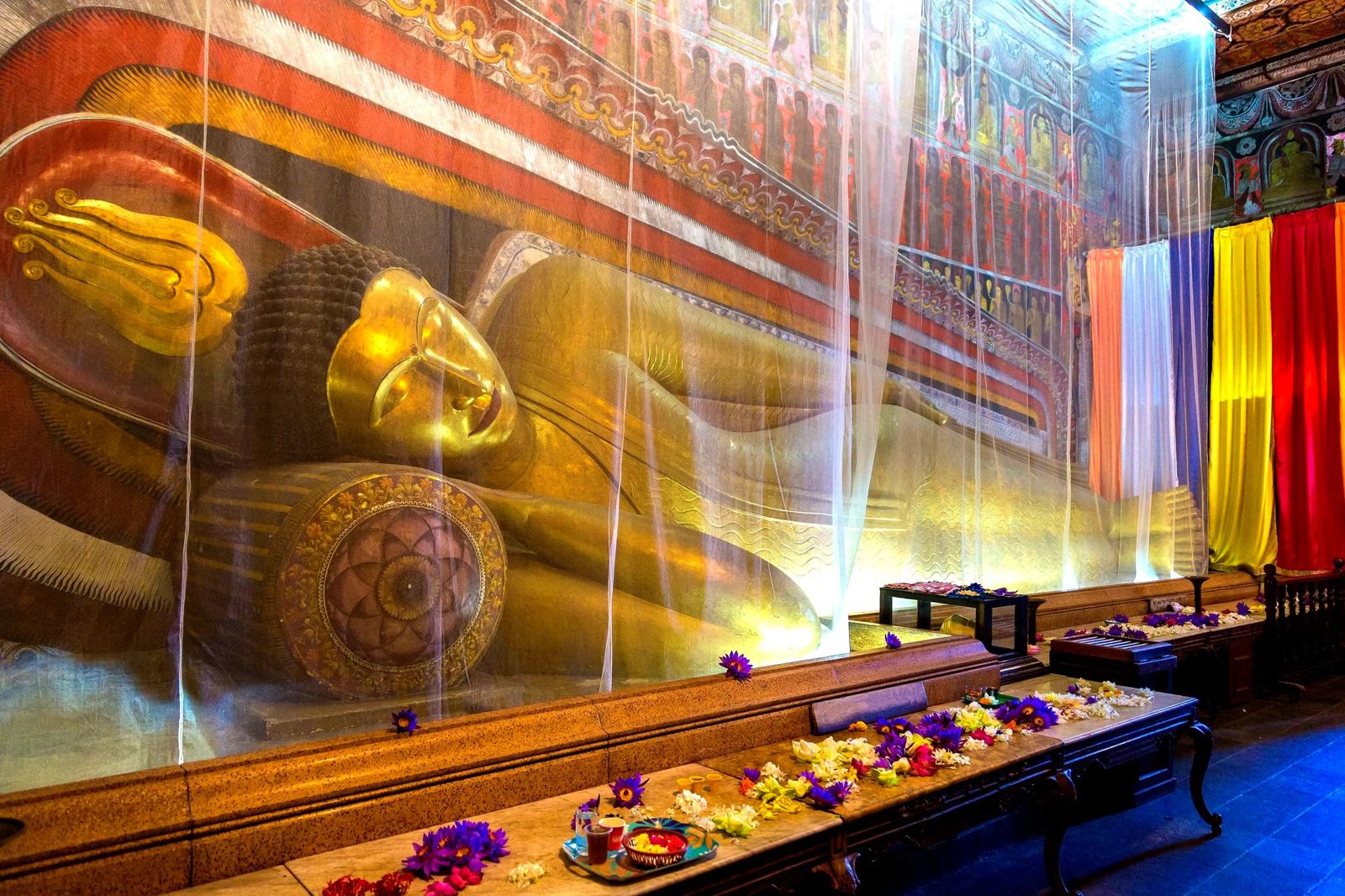
The true heart of Kelaniya Raja Maha Vihara lies within its exquisitely painted walls. The main image house, a treasure trove of Sinhalese artistry, unfolds like an ancient scroll. Here, the murals are not just decorations; they are narratives, vibrant lessons in Buddhist philosophy and history. Unlike many other temples where the art might be older and more faded, Kelaniya boasts remarkably well-preserved, often vibrantly restored, frescoes that captivate with their detail and emotional depth. Scenes from the Jataka stories, tales of the Buddha’s previous births, adorn the ceilings and walls, each panel a window into a world of compassion, sacrifice, and wisdom.

One of the most compelling narratives depicted is the legend of the Buddha's three visits to Sri Lanka, with Kelaniya being the site of his third and final visit. Imagine the powerful King Maniakkhika of Kelaniya extending an invitation to the Buddha, who then miraculously flew to the island with 500 arhats. These moments, steeped in myth and devotion, are brought to life with breathtaking artistry. The vibrant colors, the expressive faces of the figures, and the intricate patterns create an immersive experience, drawing you deeper into the spiritual significance of the site. Take your time to trace the stories with your eyes, allowing the ancient narratives to unfold before you. Each stroke of the brush tells a story not just of the Buddha, but of the enduring faith of the Sinhalese people.

Architectural Grandeur: A Symphony in Stone and Wood 🏛️✨

Beyond the murals, the architectural prowess displayed at Kelaniya is a marvel in itself. The temple complex is a harmonious blend of various architectural styles, reflecting centuries of restoration and expansion. The central dagoba, believed to enshrine a gem-studded throne on which the Buddha sat during his visit, is a focal point of veneration. Its bell-shaped structure, characteristic of ancient Sri Lankan stupas, exudes a sense of timeless majesty. Surrounding it are several image houses, each with its unique charm and historical significance.

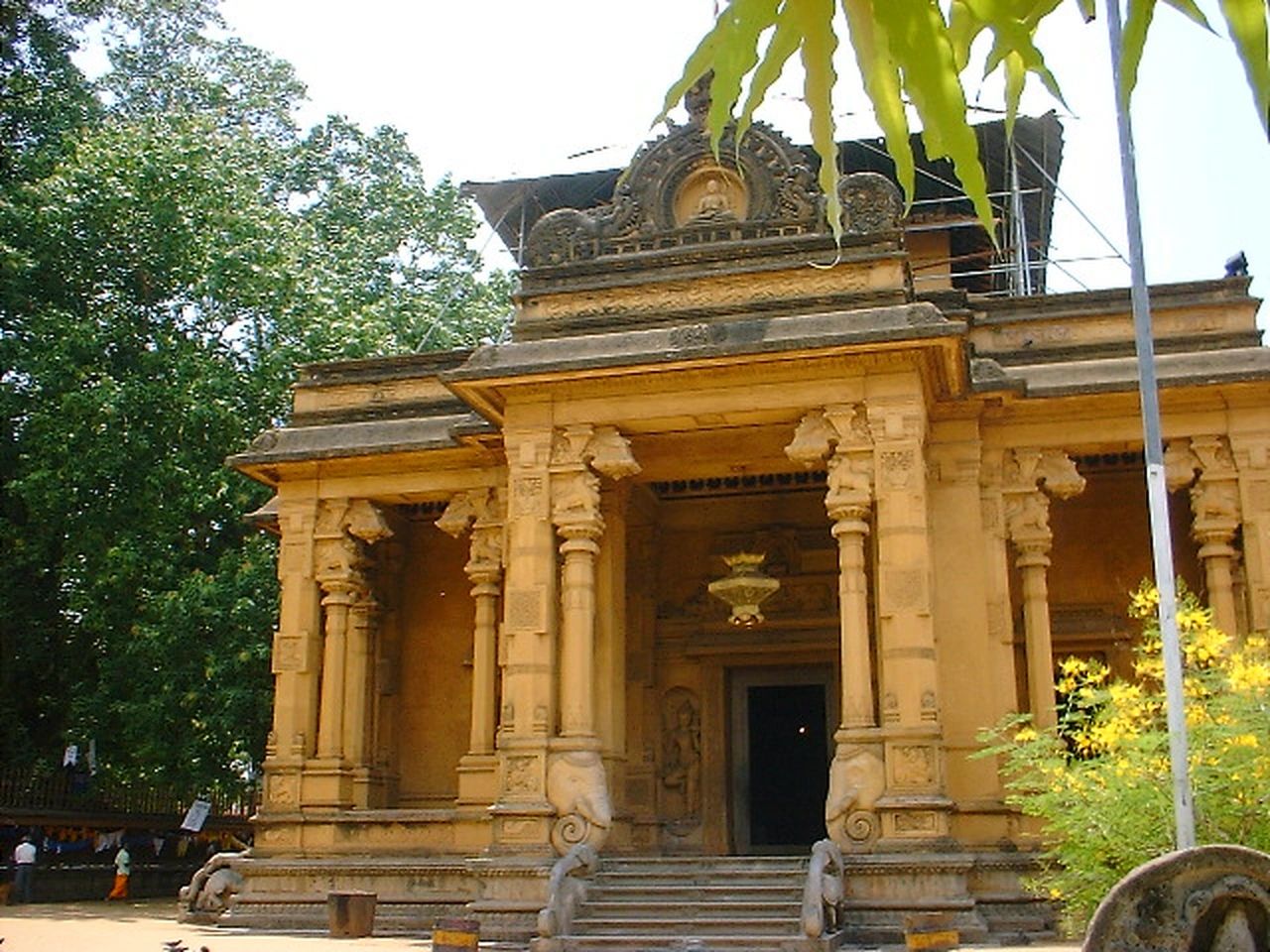
Notice the intricate wood carvings that adorn doorways and pillars, showcasing the exquisite craftsmanship of bygone eras. The moonstones at the entrance, with their delicate carvings of animals and floral motifs, are quintessential examples of ancient Sinhalese art, symbolizing the journey towards enlightenment. The inner sanctums often feature beautifully carved stone pillars and intricately painted ceilings, creating an atmosphere of profound sanctity. Even the smaller shrines dedicated to deities like God Vishnu and God Kataragama, while distinct, blend seamlessly into the overall spiritual landscape, reflecting the syncretic nature of Sri Lankan Buddhism.

The temple grounds themselves are meticulously maintained, with well-manicured gardens and ancient trees providing ample shade and a tranquil environment for contemplation. The sheer scale of the complex, combined with the detailed artistry, makes it clear why Kelaniya Raja Maha Vihara is considered one of Sri Lanka’s most sacred and historically significant Buddhist sites. It’s a place where every corner holds a story, every carving a whisper from the past.

Sacred Waters & Serene Gardens: A Breath of Fresh Air 🌳💧

While the temple's interior is a feast for the eyes and soul, the surrounding grounds offer their own unique tranquility. The Kelani River, which lends its name to the temple, flows nearby, its gentle currents a constant reminder of the passage of time. Though not directly adjacent to the main temple grounds, its presence is felt, a historical anchor for the entire region. Within the complex, you’ll find beautifully landscaped gardens, providing a peaceful respite from the vibrant energy of the shrines. Ancient Bo trees, revered in Buddhism as the trees under which the Buddha attained enlightenment, stand tall and majestic, offering cool shade and a sense of enduring calm.

The air here often carries the scent of fresh flowers, offered by devotees, mingling with the earthy aroma of the ancient trees. It’s a wonderful place to simply sit, observe, and absorb the spiritual energy. The quiet murmur of prayers, the soft rustle of leaves, and the distant chiming of bells create a meditative soundscape. This balance between intricate artistry and natural serenity is a hallmark of Sri Lankan temple architecture, and Kelaniya exemplifies it beautifully. It’s a space designed not just for worship, but for reflection, for finding a moment of inner peace amidst the hustle and bustle of modern life. A walk through these serene gardens offers a chance to connect with nature and history simultaneously, grounding your visit in a holistic experience.

The Annual Duruthu Perahera: A Spectacle of Devotion 🐘🥁

For those fortunate enough to visit in January, the Kelaniya Raja Maha Vihara transforms into a vibrant spectacle during the annual Duruthu Perahera. This grand procession, commemorating the Buddha's first visit to Sri Lanka, is a cultural and religious extravaganza. Majestic elephants, adorned in elaborate ceremonial attire, parade through the streets, accompanied by drummers, dancers, and torchbearers. The air vibrates with the rhythmic beat of traditional drums, the haunting melodies of flutes, and the chants of devotees. It's an explosion of color, sound, and devotion that truly brings the ancient legends to life.

Witnessing the Duruthu Perahera is an unforgettable experience, offering a profound insight into the rich cultural heritage and deep-seated faith of the Sri Lankan people. The procession features various segments, including the Diyakapana Mangallaya (water cutting ceremony) and the Deva Dana (alms giving), each steeped in tradition and symbolism. Even if you miss the Perahera, the temple's regular daily rituals and the constant flow of devotees offering flowers and lighting oil lamps provide a palpable sense of living tradition. The atmosphere is always one of reverence and peaceful activity, a testament to the temple’s enduring role as a spiritual heartland.

Kelaniya Raja Maha Vihara is more than just a destination; it's an immersion into the soul of Sri Lanka. It’s a place where every stone, every brushstroke, and every whispered prayer tells a story of faith, resilience, and artistic brilliance. Allow yourself to be captivated by its beauty, its history, and its profound sense of peace. Whether you are a spiritual seeker, a history enthusiast, or simply a traveler in search of authentic cultural experiences, Kelaniya promises an enriching and unforgettable journey.

Travel Context

Practical, Sri Lanka-specific detail for Kelaniya Raja Maha Vihara — where it sits, how far it really is, what it costs and how to behave so your visit is welcome.

Where you are

Located in Sri Lanka. Distances look short on a map but roads are slow, so plan fewer stops per day than you would at home.

Distance from Colombo

Roughly 10 km by road from Colombo, which is about 0.3 hours depending on traffic, the route and the time of day. The straight-line distance is shorter — allow extra time for hill-country bends, wildlife crossings and roadside stops.

Climate & season

The dry season from December to March offers pleasant weather. The south and west coasts are driest from December to March; the east coast from April to September. Conditions change quickly in the hill country, where mist and afternoon rain are routine.

What it costs

Entry is listed as Free (donations welcome). Budget separately for transport, food and any guide. Foreign-visitor tickets at major sites are priced in USD, and card machines are unreliable outside the main towns — carry rupees in small notes.

Etiquette & safety

Remove shoes and hats before entering sacred grounds, cover shoulders and knees, and never pose with your back to a Buddha image. Walk clockwise around dagobas, keep your voice low, and photograph people only with permission.

Best Time to Visit

Jan
Feb
Mar
Apr
May
Jun
Jul
Aug
Sep
Oct
Nov
Dec

Local Weather

Kelaniya Broken clouds
30°
Feels like 34°C
63% 4.98 km/h
Broken clouds
Keep Exploring

Related Travel Guides

Location & Map

Get Directions

Fuel Cost Calculator

How to Get There

Getting to Kelaniya Raja Maha Vihara is relatively straightforward, as it's quite close to Colombo. 🚗 By Car/Taxi: The most convenient option. It's about a 30-45 minute drive from central Colombo, depending on traffic. You can easily book a taxi through ride-hailing apps like PickMe or Uber, or arrange one with a local driver. 🚌 By Bus: Public buses are a budget-friendly option. Take a bus from the Pettah Bus Stand in Colombo towards Kelaniya. Look for buses heading to 'Kelaniya' or 'Kiribathgoda'. The temple is a short walk or a quick tuk-tuk ride from the main Kelaniya bus stop. 🚂 By Train: While there isn't a direct train station right at the temple, you can take a train to the Kelaniya railway station. From there, it's a short tuk-tuk ride (about 10-15 minutes) to the Vihara. This can be a scenic option, though less direct than a car or bus for the final leg. Always confirm directions with locals or your driver.

Safety & Travel Tips

Dress respectfully: Shoulders and knees must be covered. It's advisable to wear modest clothing. 👚👖
Remove footwear: You'll need to remove your shoes and hats before entering the temple premises. Socks are allowed. 👟🚫
Be mindful of photography: While photography is generally allowed, be respectful, especially during prayer times. Avoid flash photography inside image houses. 📸🤫
Stay hydrated: Sri Lanka can be hot and humid. Carry water, especially if visiting during the day. 💧
Consider a guide: A local guide can provide invaluable insights into the history and significance of the murals and architecture. 🗣️
Visit early morning or late afternoon: To avoid crowds and the midday heat, consider visiting during these times. The light is also beautiful for photography. 🌅
Carry small denominations: For offerings or purchasing flowers/incense. 💰

Sri Lanka Essentials

The things that catch visitors out on a first trip — money, connectivity, transport, health and the small etiquette rules that make a real difference.

Money & payments

The currency is the Sri Lankan rupee (LKR). Cards work in hotels, supermarkets and larger restaurants, but tuk-tuks, small entry gates, beach cafés and village shops are cash-only. Draw from bank ATMs in towns rather than standalone machines, keep small notes for change, and carry enough cash for two days when you head into the hill country or the north.

Connectivity & data

A local tourist SIM (Dialog, Mobitel or Hutch) is cheap and easy to buy at the airport or in any town with your passport. Coverage is good on the coasts and in towns, patchier in the Knuckles, parts of the north and inside national parks. Download offline maps and screenshots of bookings before remote drives.

Getting around

Trains are slow, scenic and very cheap — the hill-country line is the highlight. Buses cover almost everywhere but can be crowded. Tuk-tuks suit short hops; agree the fare first or use a metered app. Private drivers are good value for multi-stop days. Distances take longer than the map suggests: 100 km can easily be three hours.

Health & safety

Dengue is present, so use repellent and cover up at dusk. Drink bottled or filtered water, and be careful with ice in remote places. The sun is strong even when overcast. Pharmacies are common in towns; serious care is concentrated in Colombo. Travel insurance that covers adventure activities is worth having.

Responsible travel

Sri Lanka is small and heavily visited — small choices add up. Refuse plastic bags and single-use bottles where you can, avoid elephant rides and any attraction that chains wildlife, dress modestly at religious sites, and buy directly from local guides, homestays and cafés rather than international middlemen.

Holidays & opening hours

Poya (full moon) days are public holidays: temples are busy, some shops close and the sale of alcohol is restricted. Many archaeological sites open at 7am and close by 5–6pm, and last entry is usually an hour earlier. Check opening days before building a long drive around one site.

Traveler Reviews (0)

Be the first to review Kelaniya Raja Maha Vihara!

✍️ Leave a Review

Frequently Asked

Kelaniya Raja Maha Vihara is one of Sri Lanka's most sacred Buddhist sites, believed to have been visited by Lord Buddha during his third and final visit to the island. It is mentioned in the ancient Mahavamsa chronicle and has been a significant center of Buddhist worship for over 2,500 years.
Visitors can observe daily Pūjā (offering) ceremonies, where devotees offer flowers, light oil lamps, and incense. If visiting in January, the annual Duruthu Perahera (procession) is a major cultural and religious event celebrating the Buddha's visit.
While there is no official entry fee to the main temple complex, a small donation is often requested from foreigners, particularly for photography or temple maintenance. This is usually voluntary and contributes to the upkeep of the sacred site.
The temple is renowned for its vibrant murals and frescoes, particularly those depicting Jataka tales (stories of the Buddha's previous births) and scenes from the Buddha's three visits to Sri Lanka. The architecture, including the dagoba, moonstones, and intricate wood carvings, also showcases exquisite Sinhalese artistry.
Weekly Dispatch

Get Travel Inspiration

Hidden gems, local tips & exclusive guides from Sri Lanka, Asia and beyond — delivered to your inbox, weekly.

No spam, ever. Unsubscribe anytime.