The Guide
Contents
Sigiriya Rock Fortress – The Ancient Palace in the Sky
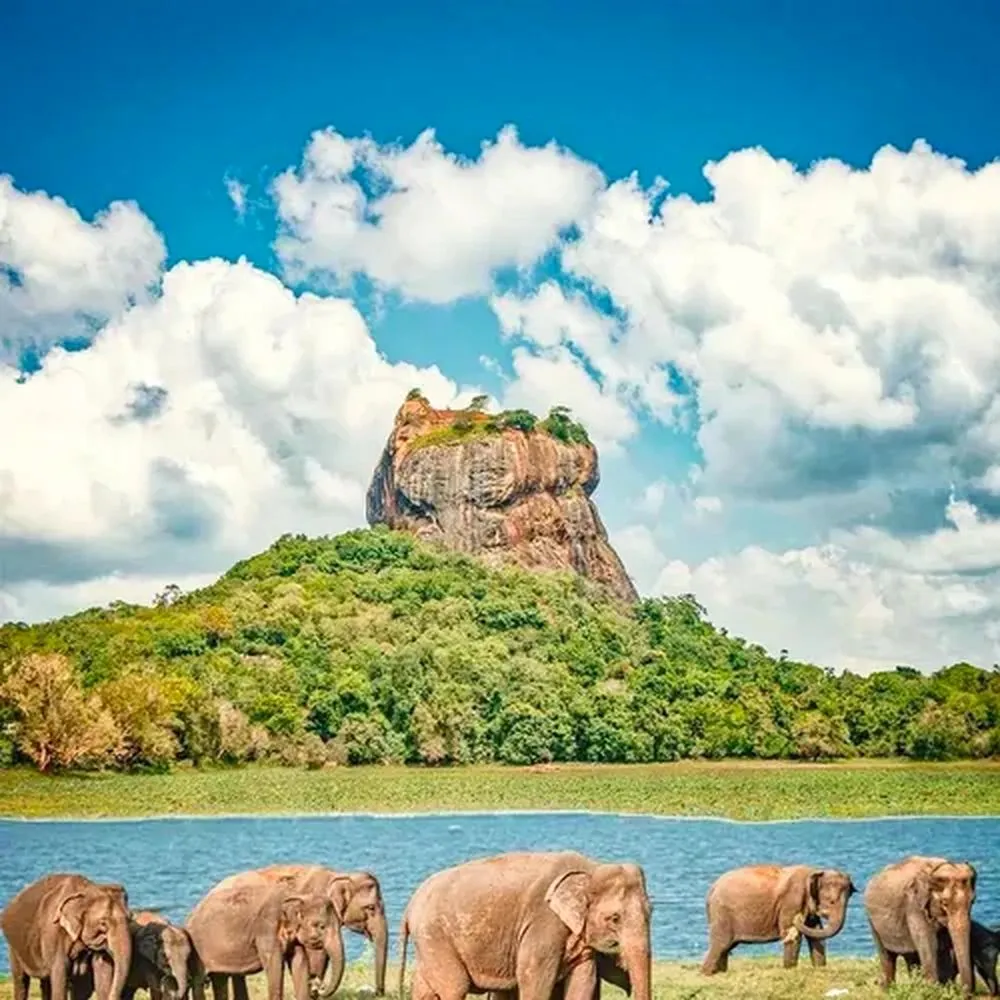
Sigiriya, often called the “Lion Rock,” is one of the most remarkable historical and archaeological sites in Sri Lanka. Rising nearly 200 meters (about 660 feet) above the surrounding plains, this massive rock fortress was once the center of a powerful kingdom during the 5th century AD. Located near the town of Sigiriya in the Central Province of Sri Lanka, it is widely recognized as one of the most impressive ancient urban planning achievements in the world. Because of its cultural and historical value, Sigiriya was declared a UNESCO World Heritage Site in 1982. 🌍
Historical Background of Sigiriya
The history of Sigiriya is closely connected with King Kashyapa I, who ruled Sri Lanka from 477 to 495 AD. According to historical chronicles, Kashyapa seized the throne after overthrowing his father, King Dhatusena. Fearing revenge from his brother Moggallana, the rightful heir who fled to South India, Kashyapa decided to build a heavily fortified capital.
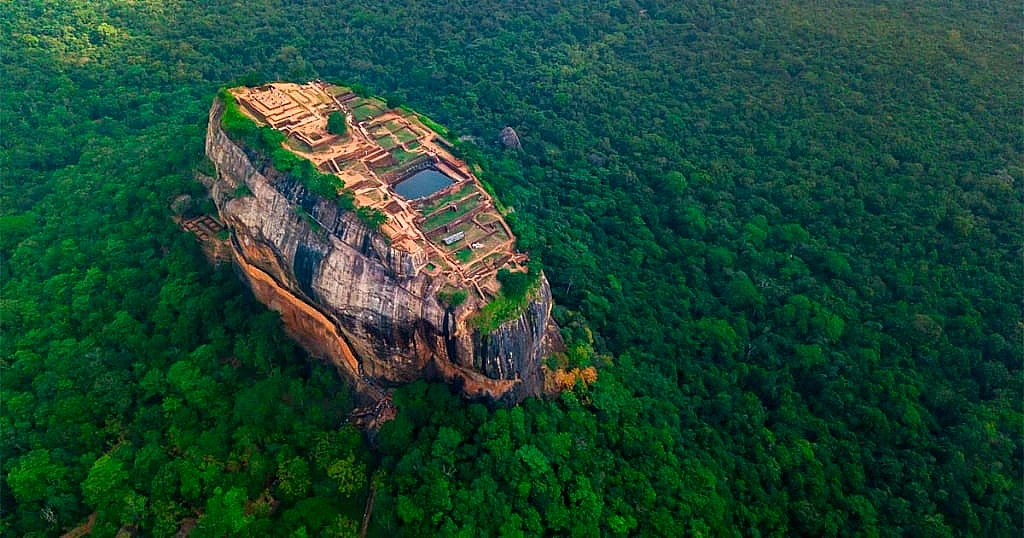
He chose the enormous rock of Sigiriya as the ideal location. The summit was transformed into a royal palace, while the surrounding areas were developed with advanced gardens, reservoirs, and defensive structures. After Kashyapa's death in battle against Moggallana, Sigiriya was abandoned as a royal residence and later used as a Buddhist monastery until the 14th century.
The Lion Staircase
One of the most iconic features of Sigiriya is the Lion Staircase. Halfway up the rock stands the entrance to the final ascent leading to the summit.
Originally, visitors entered the palace through the mouth of a gigantic lion statue carved from brick and plaster. The lion symbolized power and royal authority. Over time, the upper parts of the statue collapsed, but the massive lion paws still remain today. These paws are among the most photographed features of Sigiriya and serve as a dramatic gateway to the palace ruins above.
The Sigiriya Frescoes
The Sigiriya Frescoes are among the most celebrated ancient paintings in Asia. These vibrant artworks are located in a sheltered pocket of the rock about halfway up the climb.
The frescoes depict beautiful women dressed in elaborate jewelry and clothing, often holding flowers or trays. Scholars believe they may represent celestial maidens, royal attendants, or divine figures. Originally, it is estimated that over 500 frescoes decorated the rock face, though only about 20 paintings survive today.
Despite being more than 1,500 years old, the colors remain surprisingly vivid, demonstrating the extraordinary artistic skill and painting techniques of ancient Sri Lankan artists.
The Mirror Wall
Just below the frescoes lies the famous Mirror Wall, a polished wall made from a special mixture of lime, egg whites, and honey. During the reign of King Kashyapa, the surface was polished so smoothly that it reflected like a mirror.
Visitors and poets who climbed the rock between the 8th and 13th centuries wrote graffiti poems on the wall. These inscriptions are considered some of the oldest examples of Sinhala poetry and provide valuable insights into the thoughts and culture of people who visited Sigiriya centuries ago.
The Royal Gardens
At the base of Sigiriya lies one of the oldest landscaped garden complexes in the world. The gardens demonstrate a sophisticated understanding of hydraulic engineering and urban planning.
The garden complex includes three main sections:
- Water Gardens – Symmetrical pools, fountains, and canals that were powered by an underground water system. Some fountains still function during the rainy season.
- Boulder Gardens – Large natural rocks that were incorporated into pathways and used as natural defensive barriers.
- Terrace Gardens – A series of terraced levels leading up to the rock, creating a gradual ascent toward the fortress.
These gardens are considered among the best-preserved ancient gardens in Asia.
The Summit Palace
At the top of the rock once stood the royal palace of King Kashyapa. Archaeological remains show that the summit contained:
- Royal residences
- Audience halls
- Water tanks and pools
- Observation points overlooking the surrounding landscape
One of the most impressive features is the large summit pool, carved directly into the rock. This suggests that even at such a height, the palace had an advanced water management system.
From the top of Sigiriya, visitors can see breathtaking panoramic views of forests, villages, and distant mountains.
Archaeological Importance
Sigiriya is not only a historical monument but also a masterpiece of ancient engineering, architecture, and urban planning. Archaeologists consider it one of the most advanced city designs of the ancient world.
Key innovations include:
- Sophisticated water management systems
- Highly organized city planning
- Advanced defensive structures
- Integration of art, architecture, and nature
These elements demonstrate the remarkable technological and artistic achievements of ancient Sri Lankan civilization.
Sigiriya as the Eighth Wonder of the World
Many visitors and historians often refer to Sigiriya as the “Eighth Wonder of the World.” While this title is not official, it reflects the awe people feel when seeing the massive rock fortress rising dramatically above the jungle landscape.
Every year, thousands of visitors from around the world travel to **Sigiriya Rock Fortress to experience its history, art, and breathtaking scenery.