Katharagama Temple

Katharagama Temple

0.0 · 0 reviews 85 views Last updated Nov 19, 2026
Kataragama, Monaragala
0.0Rating
Year-round, especially during festivalsBest Time
Free, donations acceptedEntry Fee
Half DaySuggested Time
EasyDifficulty
4 minRead Time

Where to stay near Katharagama Temple

Compare live prices with our booking partners.

Some links below are affiliate links. If you book through them we may earn a small commission — at no extra cost to you. How this works.

Cost & practical info

Entry fee Free, donations accepted Confirm current fees on site
Best time to visit Year-round, especially during festivals
Suggested time Half Day
Difficulty Easy

Prices and opening hours can change — always confirm with the official site before you travel.

The Guide

🙏 Introduction to the Sacred Kataragama Temple

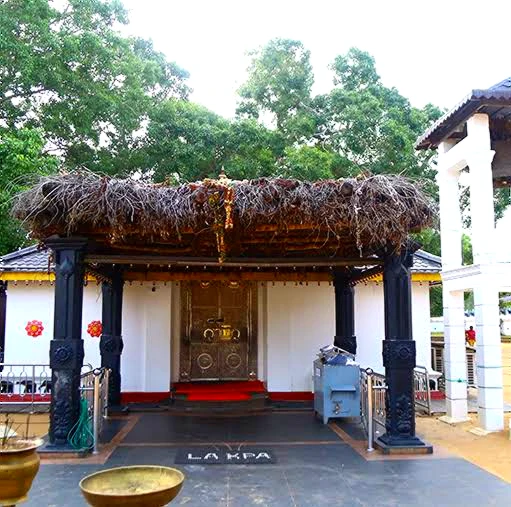
Nestled amidst the lush landscapes of Sri Lanka's Uva Province, the ancient and revered Kataragama Temple, or Ruhunu Maha Kataragama Devalaya, stands as a testament to centuries of spiritual devotion and cultural harmony. This sacred complex, dedicated to Skanda-Murugan, also known as Kataragama Deviyo, is a unique pilgrimage site where Buddhist, Hindu, and indigenous Vedda traditions converge, creating an atmosphere of profound reverence and shared faith. Pilgrims from all walks of life, both local and international, journey to Kataragama throughout the year, seeking blessings, fulfilling vows, and experiencing the spiritual energy that permeates this hallowed ground. 🌿

🌟 A Tapestry of Faiths and Legends

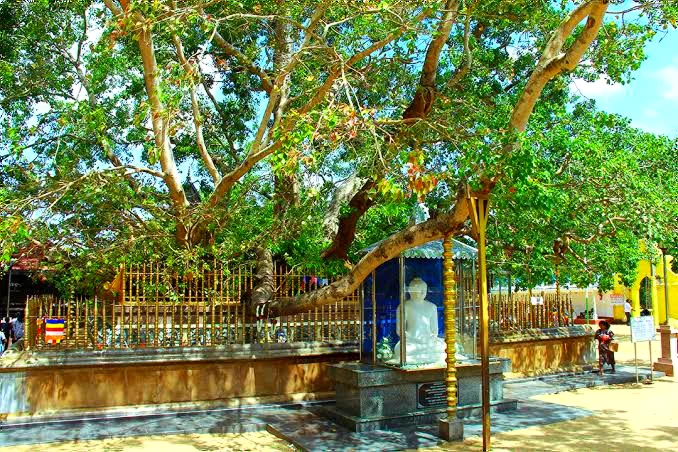
The history of Kataragama Temple is steeped in myth and legend, intertwining with the rich tapestry of Sri Lankan folklore. While primarily associated with Lord Murugan (Skanda), the Hindu God of War and Victory, the site also holds immense significance for Buddhists, who believe that Lord Buddha himself visited Kataragama. The Kiri Vehera, a magnificent white stupa within the complex, is believed to enshrine a relic of the Buddha and stands as a prominent symbol of Buddhist presence. The Vedda community, Sri Lanka's indigenous people, also have a deep spiritual connection to Kataragama, considering it a sacred ancestral land. This incredible confluence of faiths makes Kataragama a truly unique spiritual destination, fostering a sense of unity and mutual respect among its diverse devotees. 🕊️

🏛️ Exploring the Temple Complex

The Kataragama Temple complex is a sprawling expanse, offering a captivating journey through various shrines and sacred spaces. The main shrine, dedicated to Kataragama Deviyo, is the heart of the complex, where daily poojas (offerings and rituals) are performed. Devotees often bring offerings of fruit, flowers, and sweets, seeking blessings for health, prosperity, and the fulfillment of their wishes. The air is thick with the scent of incense, the chanting of prayers, and the rhythmic beat of drums, creating an immersive sensory experience. Don't miss the opportunity to witness a 'thevava' (ritual offering) – it's a truly mesmerizing spectacle. 🎶

Beyond the main shrine, explore the Kiri Vehera, a serene and imposing stupa that offers a tranquil space for meditation and reflection. The Mahadewalaya, dedicated to Goddess Pattini, and other smaller shrines dedicated to various deities further enrich the spiritual landscape. The Menik Ganga (Gem River), flowing alongside the temple, is considered sacred, and pilgrims often perform ritualistic bathing before entering the main shrines. The surrounding area is dotted with small shops selling religious paraphernalia, souvenirs, and local delicacies, adding to the vibrant atmosphere. 🛍️

🌅 The Esala Perahera: A Grand Spectacle

While Kataragama is a vibrant pilgrimage site year-round, the annual Esala Perahera (Procession) is undoubtedly its most spectacular event. Held during the months of July or August, this grand festival is a dazzling display of cultural heritage, religious fervor, and artistic brilliance. Elephants adorned in magnificent regalia, traditional dancers, drummers, and fire-eaters parade through the streets, accompanied by thousands of devotees. The Esala Perahera is not just a religious procession; it's a celebration of Sri Lankan identity, attracting visitors from across the globe. Witnessing this ancient tradition is an unforgettable experience, a vibrant explosion of color, sound, and devotion. 🐘🎇

🧘 Spiritual Significance and Personal Reflection

For many, a visit to Kataragama is more than just a sightseeing trip; it's a profound spiritual journey. The atmosphere encourages introspection and a connection to something greater than oneself. Whether you're a devout follower, a curious traveler, or simply seeking a moment of peace, the energy of Kataragama is palpable. Take time to sit by the Menik Ganga, observe the rituals, and absorb the collective devotion. Many pilgrims engage in acts of penance, such as carrying Kavadi (ornate structures adorned with peacock feathers) or fire-walking, as a demonstration of their unwavering faith. While these practices are intense, they highlight the deep commitment and spiritual intensity of the devotees. 🙏

📸 Capturing the Essence of Kataragama

The visual splendor of Kataragama is immense, offering countless opportunities for photography. From the intricate carvings of the shrines to the vibrant attire of the devotees, and the majestic elephants of the Perahera, every corner tells a story. Remember to be respectful when taking photos, especially during religious ceremonies. The golden hour, just before sunset, casts a magical glow over the temple complex, creating breathtaking photographic opportunities. The blend of ancient architecture, natural beauty, and human devotion makes Kataragama a truly inspiring subject for any photographer. 🌄📸

🌍 Beyond the Temple: Exploring the Region

While the Kataragama Temple is the primary draw, the surrounding region offers additional attractions for visitors. Yala National Park, famous for its leopards and diverse wildlife, is a short drive away, making it an excellent extension to your itinerary for nature lovers. Lunugamvehera National Park is another nearby option, offering a chance to spot elephants and other animals in their natural habitat. The serene Tissamaharama Raja Maha Vihara, an ancient Buddhist temple, is also worth a visit for its historical significance and peaceful ambiance. Combining your spiritual journey with a wildlife safari or cultural exploration creates a truly enriching Sri Lankan experience. 🐘🦒🌳

Travel Context

Practical, Sri Lanka-specific detail for Katharagama Temple — where it sits, how far it really is, what it costs and how to behave so your visit is welcome.

Where you are

This destination sits in Kataragama, Monaragala — Monaragala District, Sri Lanka. Distances look short on a map but Sri Lankan roads are slow, so plan fewer stops per day than you would at home.

Distance from Colombo

Roughly 235 km by road from Colombo, which is about 6.2 hours depending on traffic, the route and the time of day. The straight-line distance is shorter — allow extra time for hill-country bends, wildlife crossings and roadside stops.

Climate & season

Year-round, especially during festivals The south and west coasts are driest from December to March; the east coast from April to September. Conditions change quickly in the hill country, where mist and afternoon rain are routine.

What it costs

Entry is listed as Free, donations accepted. Budget separately for transport, food and any guide. Foreign-visitor tickets at major sites are priced in USD, and card machines are unreliable outside the main towns — carry rupees in small notes.

Etiquette & safety

Remove shoes and hats before entering sacred grounds, cover shoulders and knees, and never pose with your back to a Buddha image. Walk clockwise around dagobas, keep your voice low, and photograph people only with permission.

Best Time to Visit

Jan
Feb
Mar
Apr
May
Jun
Jul
Aug
Sep
Oct
Nov
Dec

Local Weather

Hambantota Broken clouds
31°
Feels like 38°C
70% 3.03 km/h
Broken clouds
Keep Exploring

Related Travel Guides

Location & Map

Kataragama, Monaragala
Get Directions

Fuel Cost Calculator

How to Get There

🚗 Getting to Kataragama Temple

Reaching the sacred grounds of Kataragama is an integral part of the pilgrimage. Here's how you can make your journey:

  • By Bus: 🚌 Buses are the most common and economical way to reach Kataragama. Direct buses operate from major cities like Colombo, Galle, Matara, and Kandy. The journey can be long, but it offers a glimpse into local life. Look for buses heading towards 'Kataragama' or 'Tissamaharama' (from where you can take a shorter bus or tuk-tuk to Kataragama).
  • By Train: 🚂 While there isn't a direct train station in Kataragama, you can take a train to Matara, the southern railway terminus. From Matara, frequent buses and vans are available to Kataragama. This scenic train journey along the coast is an experience in itself!
  • By Car/Taxi: 🚕 For convenience and comfort, hiring a private car or taxi is an excellent option. This allows for flexibility in your schedule and the opportunity to stop at attractions along the way. The drive from Colombo takes approximately 5-6 hours, depending on traffic.
  • By Tuk-Tuk: 🛵 If you're coming from nearby towns like Tissamaharama or Debarawewa, a tuk-tuk is a quick and easy way to get to the temple. Agree on the fare beforehand.

Safety & Travel Tips

Dress Code: 🙏 Dress modestly. Shoulders and knees should be covered for both men and women when entering the temple premises. It's advisable to wear comfortable, light clothing as it can get hot.
Footwear: 👟 You will need to remove your shoes before entering the main temple areas. It's a good idea to bring a small bag to carry them or wear flip-flops that are easy to slip on and off.
Offerings (Pooja Watti): 🍎🍍 If you wish to make an offering, you can purchase 'Pooja Watti' (baskets of fruit, flowers, and sweets) from vendors outside the temple.
Timing Your Visit: ⏰ The temple can get very crowded, especially during public holidays and the Esala Perahera season (July/August). Visiting early in the morning or late in the afternoon can offer a more peaceful experience.
Water: 💧 Stay hydrated! Carry a water bottle, especially if you're visiting during the hotter months.
Respectful Behavior: 🤫 Maintain silence and respect the religious customs and traditions. Avoid loud conversations or disruptive behavior.
Photography: 📸 Photography is generally allowed in most areas, but always be respectful and ask for permission if you are photographing people. Avoid flash photography inside the shrines.
Bathing in Menik Ganga: 🚿 If you plan to bathe in the sacred Menik Ganga, be mindful of local customs and dress appropriately (e.g., sarong for men, modest attire for women).
Beware of Scams: ⚠️ Be cautious of touts or individuals offering unsolicited services. Stick to official guides if you need one.

Nearby Amenities

Accommodation: 🛌 You'll find a variety of guesthouses, small hotels, and pilgrim rests (Ambalama) in and around Kataragama to suit different budgets. It's advisable to book in advance, especially during peak seasons.
Restaurants & Eateries: 🍽️ Numerous local restaurants and food stalls offer traditional Sri Lankan cuisine, including rice and curry, hoppers, and fresh fruit juices. There are also a few places offering basic Western options.
ATMs & Banks: 💰 Several banks with ATM facilities are available in the main town area of Kataragama, making it easy to withdraw cash.
Medical Facilities: 🏥 A government hospital and several private clinics are located in Kataragama, providing basic medical services. For more serious conditions, Tissamaharama or Hambantota would have larger hospitals.
Shops: 🛍️ You'll find shops selling religious items, souvenirs, local crafts, clothing, and general provisions.
Pharmacies: 💊 Pharmacies are available for basic medicines and toiletries.
Transportation: 🚕 Tuk-tuks are readily available for local travel, and bus services connect Kataragama to other major towns.

Sri Lanka Essentials

The things that catch visitors out on a first trip — money, connectivity, transport, health and the small etiquette rules that make a real difference.

Money & payments

The currency is the Sri Lankan rupee (LKR). Cards work in hotels, supermarkets and larger restaurants, but tuk-tuks, small entry gates, beach cafés and village shops are cash-only. Draw from bank ATMs in towns rather than standalone machines, keep small notes for change, and carry enough cash for two days when you head into the hill country or the north.

Connectivity & data

A local tourist SIM (Dialog, Mobitel or Hutch) is cheap and easy to buy at the airport or in any town with your passport. Coverage is good on the coasts and in towns, patchier in the Knuckles, parts of the north and inside national parks. Download offline maps and screenshots of bookings before remote drives.

Getting around

Trains are slow, scenic and very cheap — the hill-country line is the highlight. Buses cover almost everywhere but can be crowded. Tuk-tuks suit short hops; agree the fare first or use a metered app. Private drivers are good value for multi-stop days. Distances take longer than the map suggests: 100 km can easily be three hours.

Health & safety

Dengue is present, so use repellent and cover up at dusk. Drink bottled or filtered water, and be careful with ice in remote places. The sun is strong even when overcast. Pharmacies are common in towns; serious care is concentrated in Colombo. Travel insurance that covers adventure activities is worth having.

Responsible travel

Sri Lanka is small and heavily visited — small choices add up. Refuse plastic bags and single-use bottles where you can, avoid elephant rides and any attraction that chains wildlife, dress modestly at religious sites, and buy directly from local guides, homestays and cafés rather than international middlemen.

Holidays & opening hours

Poya (full moon) days are public holidays: temples are busy, some shops close and the sale of alcohol is restricted. Many archaeological sites open at 7am and close by 5–6pm, and last entry is usually an hour earlier. Check opening days before building a long drive around one site.

Traveler Reviews (0)

Be the first to review Katharagama Temple!

✍️ Leave a Review

Frequently Asked

The best time to visit Kataragama Temple is generally during the dry season, from December to April, when the weather is pleasant. However, if you wish to experience the grand Esala Perahera, you should plan your visit for July or August, though it will be more crowded.
There is no official entry fee to the Kataragama Temple complex itself. However, donations are welcome, and you might need to pay a small fee for parking or specific services like baggage storage.
Visitors are required to dress modestly. Both men and women should cover their shoulders and knees. It's recommended to wear comfortable, light clothing as you will also need to remove your shoes before entering the main shrines.
Yes, Kataragama Temple welcomes people of all faiths and backgrounds. It's a testament to religious harmony. Visitors are expected to be respectful of the customs and traditions observed at the sacred site.
While official guided tours are not widely advertised, you can often find local individuals who can provide insights and explanations about the temple's history and rituals. It's advisable to agree on a fee beforehand.
Weekly Dispatch

Get Travel Inspiration

Hidden gems, local tips & exclusive guides from Sri Lanka, Asia and beyond — delivered to your inbox, weekly.

No spam, ever. Unsubscribe anytime.