The Guide
Contents
✨ First Glimpse: Awe-Inspiring Grandeur! ✨
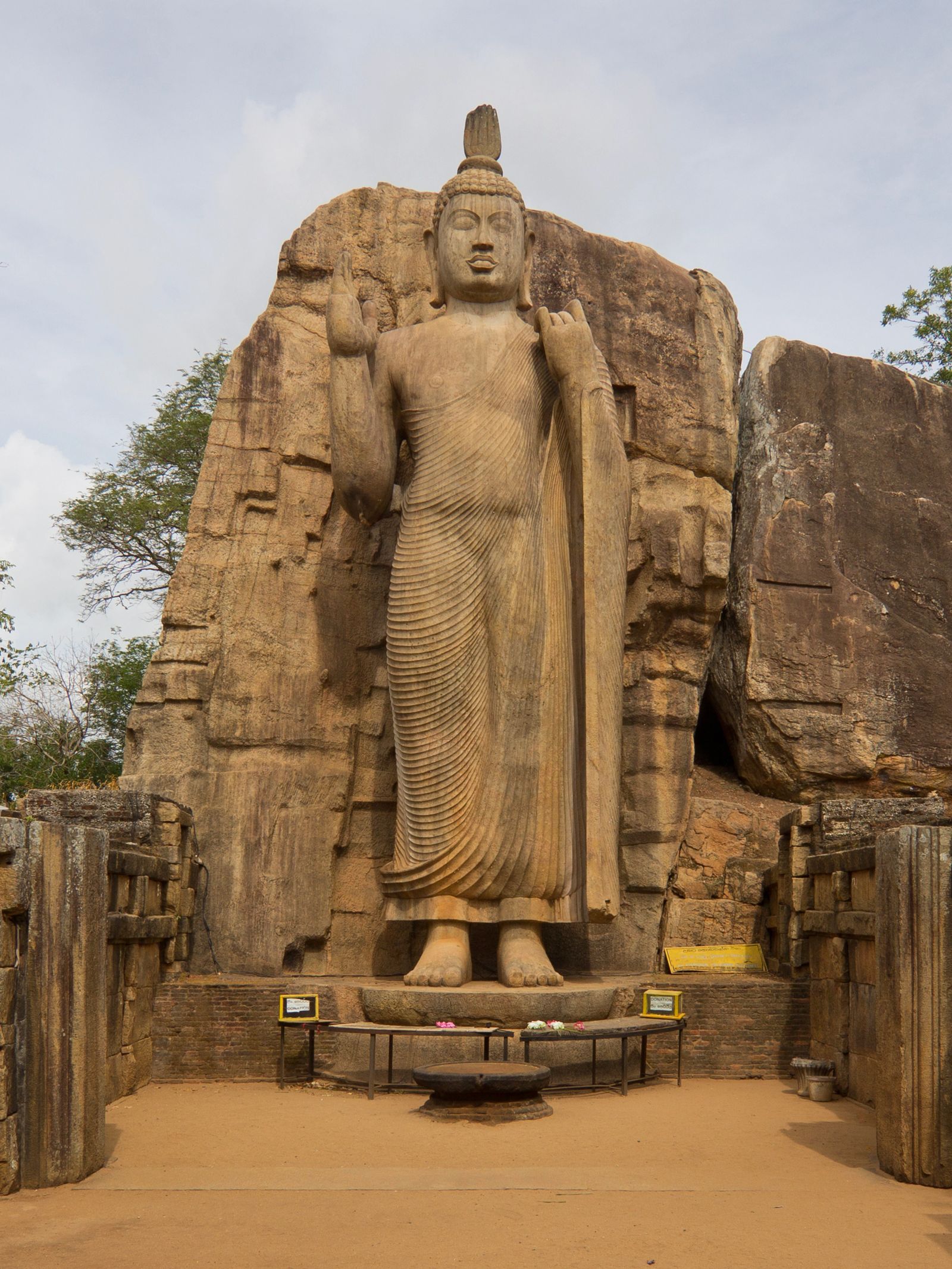
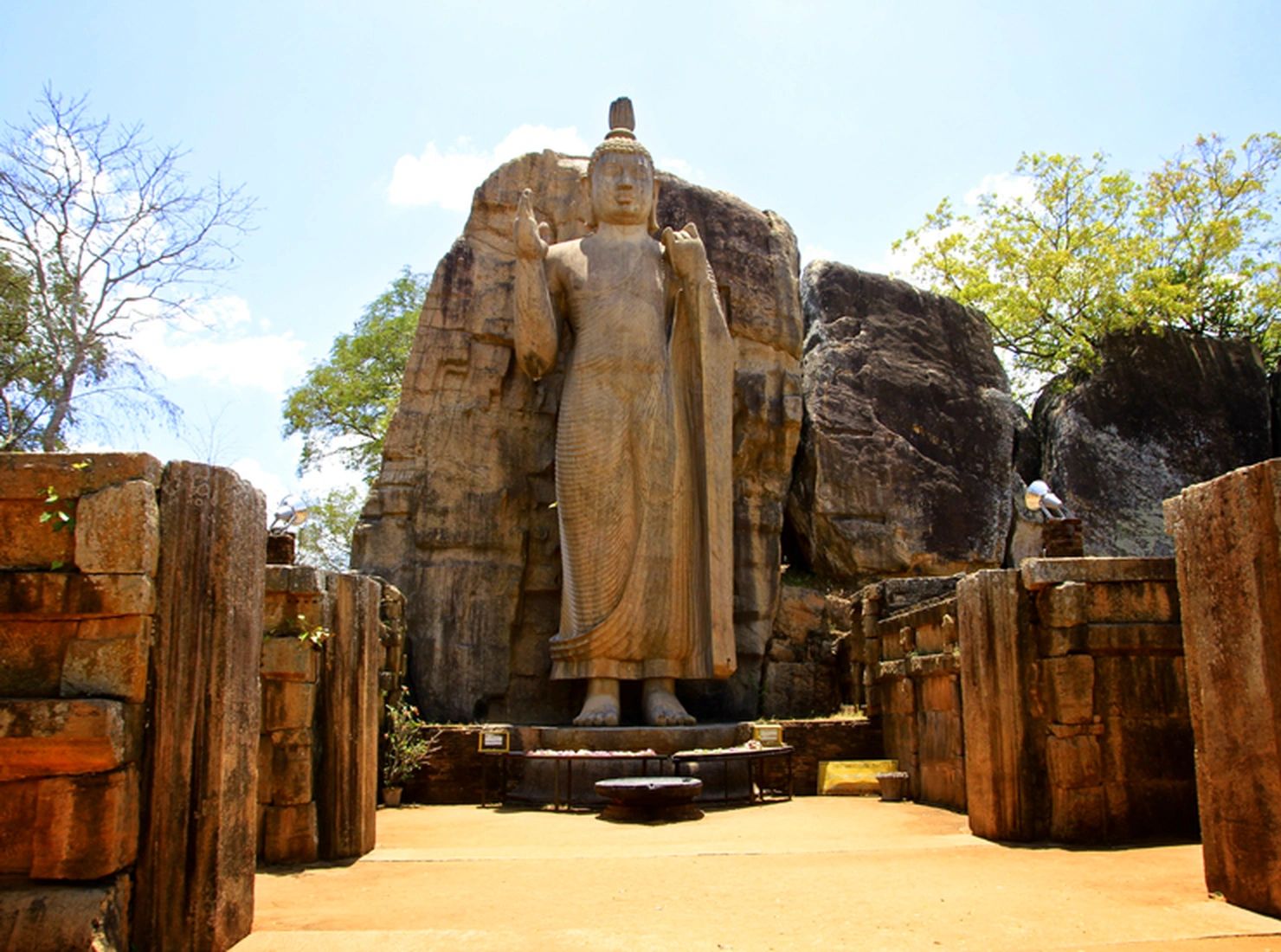
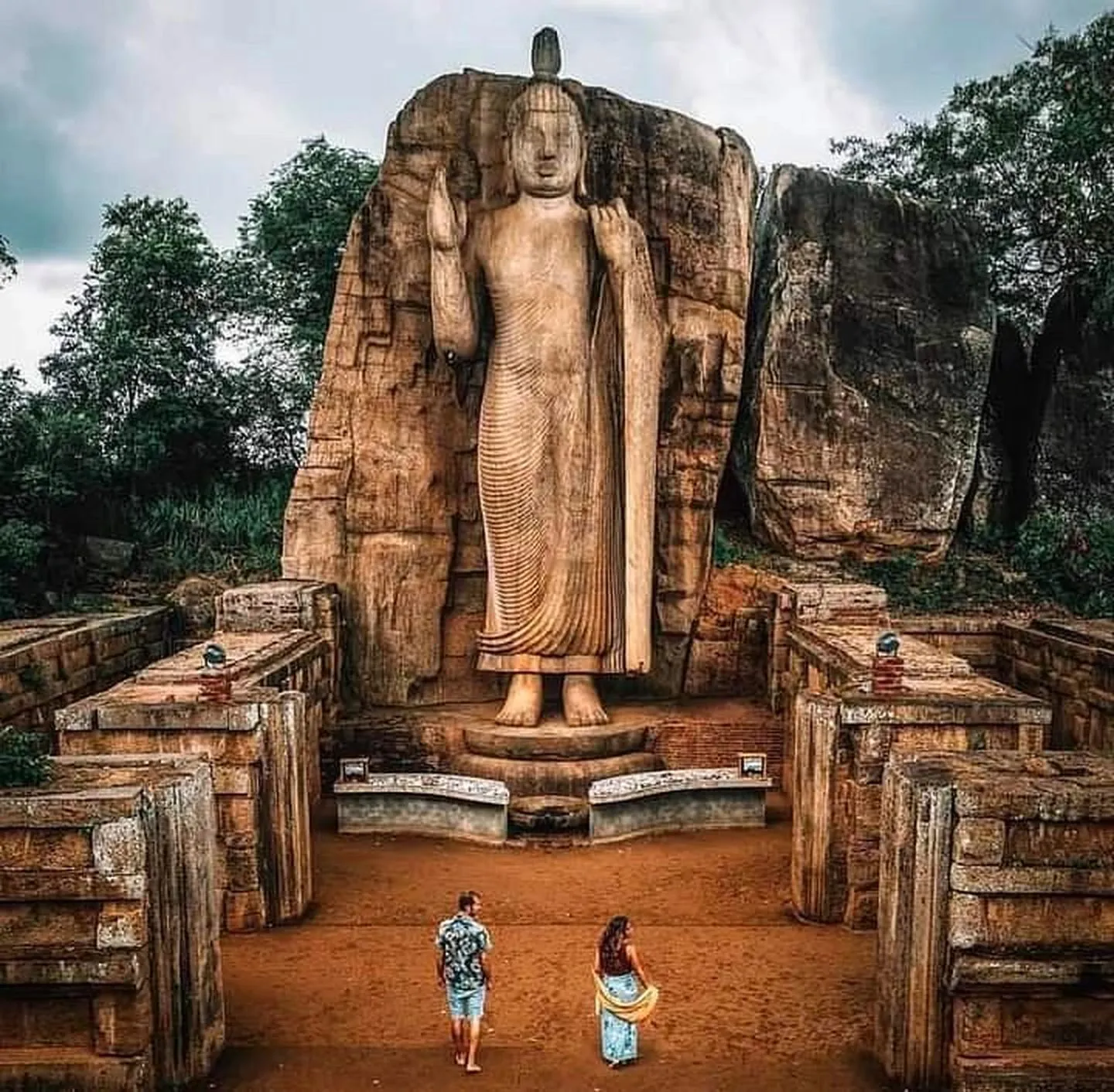
The first thing that hits you as you approach the Avukana Buddha is its sheer scale. It’s absolutely colossal! Standing at an astounding 40 feet (12 meters) tall, carved out of a single, massive granite rock face, it commands your attention with an almost magnetic force. You walk up a series of steps, and with every step, the statue seems to grow, its serene face becoming clearer, its intricate details slowly revealing themselves. The sense of peace and tranquility emanating from this ancient masterpiece is palpable. It’s not just a large statue; it’s a spiritual experience that unfolds before your very eyes. I found myself simply standing there, gazing up, mouth agape, trying to absorb every detail of this incredible feat of ancient engineering and artistry. The scale is truly humbling, making you feel tiny yet connected to something immense and timeless. It’s a moment that stays with you long after you’ve left.
The location itself adds to the mystique. Nestled amidst lush greenery and ancient trees, it feels like a hidden gem, a sacred secret waiting to be discovered. The air is often filled with the gentle rustle of leaves and the distant chirping of birds, creating a natural symphony that complements the statue's peaceful aura. There's a subtle spirituality that permeates the atmosphere, inviting contemplation and quiet reverence. It's not a bustling tourist hub; rather, it’s a place for quiet reflection, a chance to connect with history and spirituality on a deeper level. I loved how the natural surroundings enhanced the statue’s presence, making it feel truly at one with the land.
🗿 Decoding the Masterpiece: Carving & Symbolism 🗿
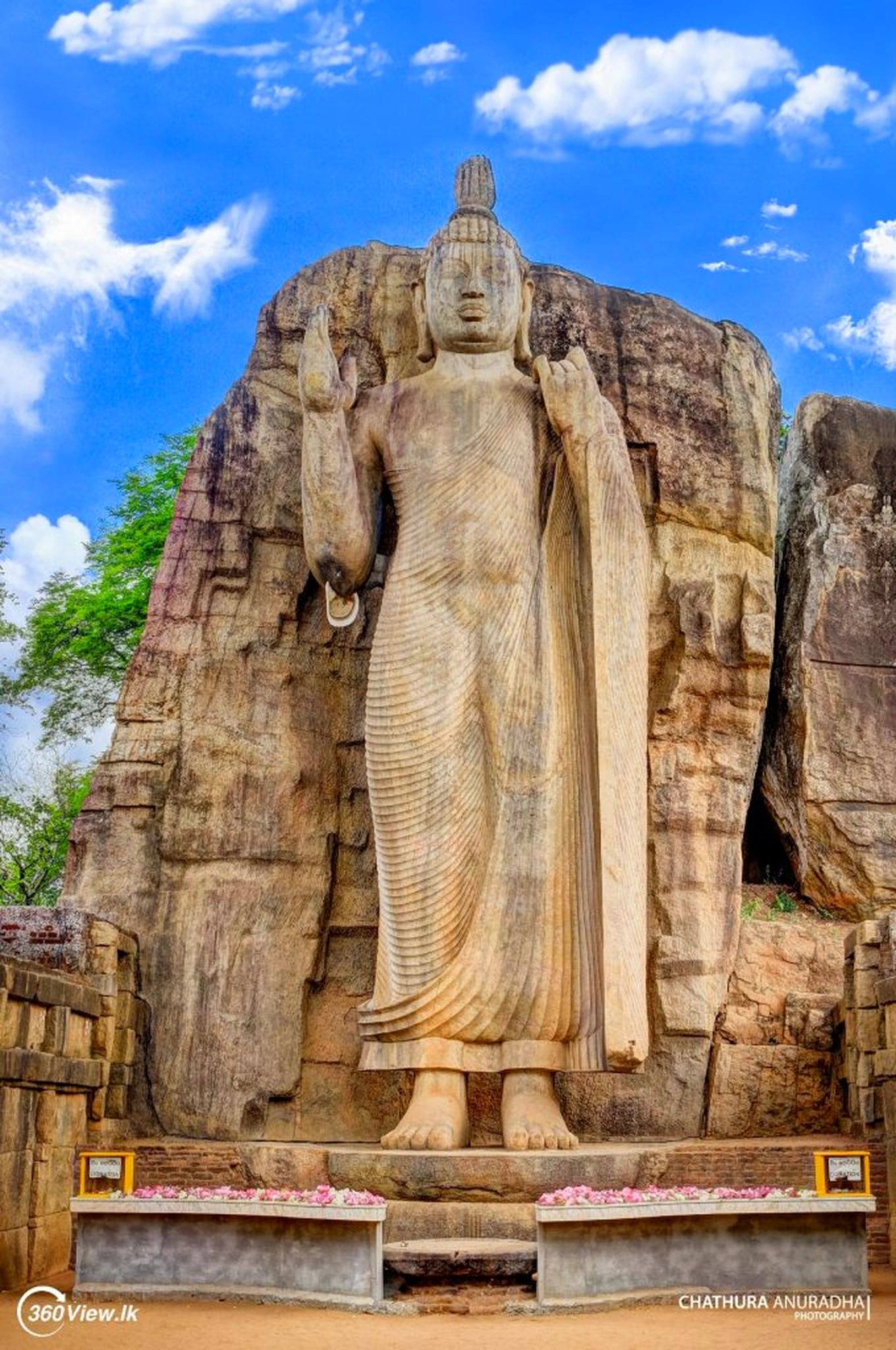
What truly fascinates me about the Avukana Buddha is the incredible detail and the masterful execution, especially considering it was carved over 1500 years ago! The statue depicts the Buddha in the 'Abhaya Mudra,' a gesture of fearlessness and reassurance, with his right hand raised to the shoulder and the palm facing outwards. His left hand is held close to the body, fingers curled. This mudra is incredibly powerful, conveying a sense of protection and peace. His robes are carved with such fluidity that they appear to drape naturally, almost as if made of soft cloth rather than solid stone. The precision in the folds, the delicate carving of the fingers, and the serene expression on his face are simply breathtaking. You can spend ages just admiring the intricate lines and contours, each telling a story of devotion and skill.
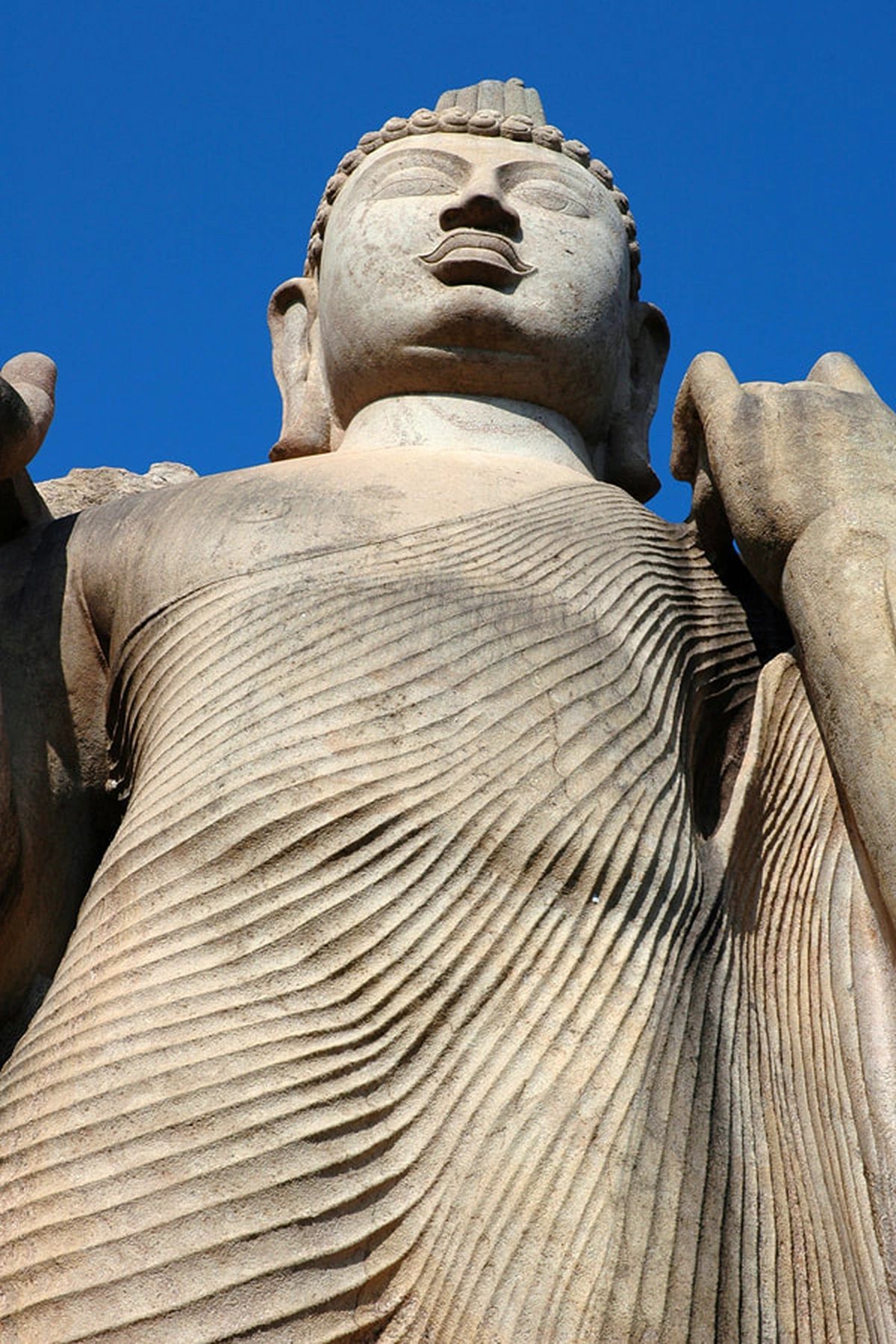
The statue also showcases the distinct 'Samabhanga' posture, where the body is perfectly straight, without any bend, emphasizing stability and balance. The elongated earlobes, a common feature in Buddha statues, symbolize his renunciation of worldly possessions, having once worn heavy earrings as a prince. The 'urna' – a dot between the eyebrows – represents spiritual insight, and the 'ushnisha' – the cranial protuberance on the top of his head – signifies his attainment of enlightenment. Every single element, from the subtle smile to the intricate hair curls, is imbued with deep symbolic meaning, making it a profound visual representation of Buddhist philosophy. It’s like reading a sacred text etched in stone, each detail a chapter in itself. The more you learn about the symbolism, the more profound the experience becomes, adding layers of appreciation to this ancient marvel.
🌿 Surrounding Serenity: A Natural Sanctuary 🌿
Beyond the colossal statue itself, the surrounding environment at Avukana is a beautiful, tranquil retreat. The statue is situated near the Kala Wewa reservoir, an ancient irrigation tank also built during the reign of King Dhatusena, the same monarch credited with commissioning the Avukana Buddha. The reservoir is a marvel of ancient hydraulic engineering and contributes significantly to the peaceful ambiance of the area. The walk up to the statue is pleasant, lined with trees and often shaded, offering a refreshing respite from the tropical sun. You’ll notice pilgrims offering flowers and incense, adding to the spiritual atmosphere. It’s a place where you can truly slow down, breathe deeply, and soak in the serene vibes. The blend of historical significance, artistic brilliance, and natural beauty creates an unforgettable experience.
The area around Avukana is relatively undeveloped, which only adds to its charm as a truly authentic cultural site. You won't find bustling markets or flashy tourist traps here. Instead, you'll encounter local vendors selling simple offerings, and perhaps a few small stalls with refreshments. This understated approach allows the statue and its history to speak for themselves, without distraction. The drive through the countryside to get here is also a treat in itself, offering glimpses into rural Sri Lankan life, lush paddy fields, and small villages. It's a journey that prepares you for the profound experience awaiting you. I truly appreciated the untouched quality of the surroundings, making the visit feel like a genuine exploration rather than a typical tourist outing. It felt like stepping back in time, into a quieter, more spiritual era.
📸 Capturing the Moment: Photography Tips 📸
Photographing the Avukana Buddha can be a rewarding challenge! The sheer height means you'll want to experiment with different angles. Early morning or late afternoon light is always best – the golden hour casts a beautiful glow on the granite, highlighting its textures and bringing out the serene expression on the Buddha's face. Avoid midday if possible, as the harsh sun can create strong shadows and wash out details. A wide-angle lens is useful to capture the entire statue in its grandeur, especially if you want to include some of the surrounding natural elements. Don't forget to get some shots from a lower angle, looking up, to emphasize its towering presence. Also, try to capture the pilgrims and their offerings, as this adds a human element to the spiritual narrative. Remember to be respectful of those worshipping and avoid using flash, especially during prayers. It's a sacred site, so discretion and mindfulness are key. I managed to get some absolutely stunning photos by simply waiting for the perfect light and being patient. The changing light throughout the day offers completely different perspectives, so if you have the time, linger a little and observe how the statue transforms with the sun's journey across the sky. It's a photographer's dream, offering endless opportunities to capture its timeless beauty.
Another tip for photographers: consider the foreground and background. The lush trees and the vast sky can provide an excellent frame for the statue. If you’re lucky, you might even catch some interesting cloud formations that add drama to your shots. Don't just focus on the statue itself; try to compose shots that tell a broader story of the location, including the ancient architecture of the surrounding structures or the peaceful pathways leading up to the main attraction. Sometimes, a subtle detail, like a single lotus flower offered at its base, can convey as much emotion as a grand panoramic shot. Experiment with close-ups of the intricate carvings, the robes, and the serene facial features. These details often go unnoticed in wider shots but reveal the true mastery of the ancient sculptors. The challenge of capturing its majesty is part of the fun, and the results are truly rewarding, giving you a lasting memory of this magnificent site.