قلعة ياباهوا روك

قلعة ياباهوا روك

0.0 · 0 reviews 90 views Last updated Nov 19, 2026
ياباهوا, كورونيجالا
0.0Rating
December to AprilBest Time
Approximately $10-15 USDEntry Fee
Half DaySuggested Time
ModerateDifficulty
4 minRead Time

Where to stay near قلعة ياباهوا روك

Compare live prices with our booking partners.

Some links below are affiliate links. If you book through them we may earn a small commission — at no extra cost to you. How this works.

Cost & practical info

Entry fee Approximately $10-15 USD Confirm current fees on site
Best time to visit December to April
Suggested time Half Day
Difficulty Moderate

Prices and opening hours can change — always confirm with the official site before you travel.

The Guide

⛰️ Introduction to Yapahuwa Rock Fortress: A Glimpse into Sri Lankan Royalty

Nestled amidst the lush landscapes of Sri Lanka's North Western Province, the Yapahuwa Rock Fortress stands as a silent testament to a bygone era of royal grandeur and strategic brilliance. Often overshadowed by its more famous counterparts like Sigiriya, Yapahuwa offers a uniquely captivating experience for the intrepid traveler seeking a blend of history, archaeology, and breathtaking natural beauty. This magnificent rock citadel served as the capital of Sri Lanka for a brief but significant period in the 13th century, under the reign of King Buwanekabahu I. Its impressive architectural remnants and the panoramic vistas from its summit make it a truly rewarding destination for history buffs, nature lovers, and photographers alike. 📸

Unlike Sigiriya's steep ascent, Yapahuwa presents a more gradual but equally rewarding climb, revealing intricate carvings and impressive fortifications at every turn. The site is a treasure trove of archaeological wonders, offering a fascinating insight into the artistic and engineering prowess of ancient Sri Lankan civilization. From the elaborate ornamental stairway to the remnants of the royal palace, every stone whispers tales of kings, warriors, and the sacred Tooth Relic of the Buddha, which was once housed here. 🌿

🏰 The Architectural Marvels of Yapahuwa

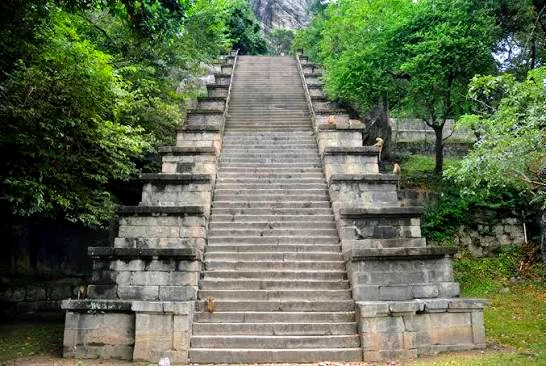
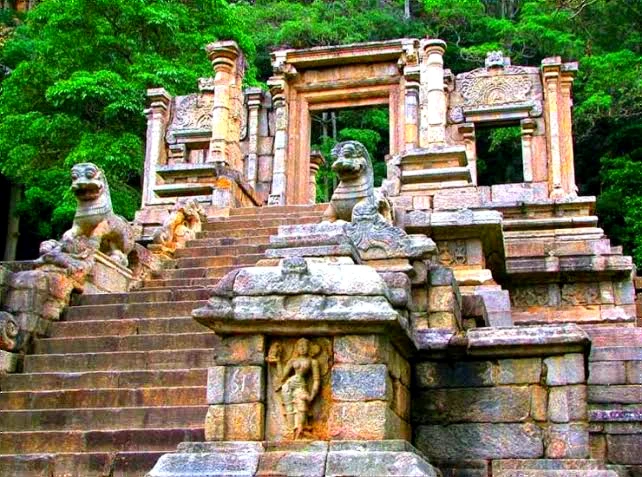
The most iconic feature of Yapahuwa is undoubtedly its grand ornamental stairway, a masterpiece of ancient stone carving. Flanked by magnificent lion sculptures and adorned with intricate figures of musicians, dancers, and mythical creatures, this staircase is a true work of art. Imagine ascending these very steps, once trodden by kings and courtiers, leading to the upper terraces where the royal palace and the Temple of the Tooth once stood. The attention to detail in these carvings is simply astounding, showcasing the rich cultural heritage of Sri Lanka. 🦁🎶

Beyond the main staircase, the ruins of the royal palace complex offer a glimpse into the daily life of the ancient monarchy. While only foundations and walls remain, one can still discern the layout of various chambers, courtyards, and perhaps even a throne room. The strategic placement of the palace, offering commanding views of the surrounding plains, underscores Yapahuwa's importance as a defensive stronghold. The sheer scale of the construction on top of this massive rock is a testament to the organizational skills and engineering capabilities of the time. 👑

🙏 The Sacred Significance and the Tooth Relic

Yapahuwa holds significant religious importance due to its brief custodianship of the sacred Tooth Relic of the Buddha. During a volatile period in Sri Lankan history, the Tooth Relic, a symbol of sovereignty and legitimacy, was moved to Yapahuwa for safekeeping. Although it was later taken by invaders, its presence here for a time elevated Yapahuwa's status as a sacred site. Today, while the original temple is gone, the spiritual aura of the place remains, inviting contemplation and reverence. Visitors can still see the remains of the Bodhi tree shrine and other religious structures that once graced the fortress. 🧘‍♀️

🌄 Panoramic Views and Natural Beauty

Reaching the summit of Yapahuwa Rock Fortress is an incredibly rewarding experience. The panoramic views from the top are simply breathtaking, offering an unobstructed vista of the surrounding verdant plains, distant mountains, and the serene countryside. It's an ideal spot for photography, especially during sunrise or sunset when the landscape is bathed in a golden glow. The trek itself, while not overly strenuous, provides an opportunity to connect with nature and appreciate the unique ecosystem that thrives around the rock. Keep an eye out for interesting birdlife and other small creatures. 🕊️🦋

The base of the rock also features a fascinating museum, housing artifacts unearthed during archaeological excavations at Yapahuwa. Here, you can see ancient pottery, coins, sculptures, and other remnants that further enrich your understanding of this historical site. A visit to the museum before or after your climb provides valuable context and deepens your appreciation for the ingenuity and artistry of the ancient Sri Lankans. 🏺📜

Yapahuwa Rock Fortress is more than just a collection of ruins; it's a journey back in time, an opportunity to walk in the footsteps of kings, and a chance to witness the enduring legacy of a remarkable civilization. For those seeking an authentic and less crowded historical experience in Sri Lanka, Yapahuwa is an absolute must-visit. Its blend of historical significance, architectural beauty, and natural splendor promises an unforgettable adventure. 🌟

Travel Context

Practical, Sri Lanka-specific detail for قلعة ياباهوا روك — where it sits, how far it really is, what it costs and how to behave so your visit is welcome.

Where you are

This destination sits in ياباهوا, كورونيجالا — كورونيجالا District, Sri Lanka. Distances look short on a map but Sri Lankan roads are slow, so plan fewer stops per day than you would at home.

Distance from Colombo

Roughly 155 km by road from Colombo, which is about 4.1 hours depending on traffic, the route and the time of day. The straight-line distance is shorter — allow extra time for hill-country bends, wildlife crossings and roadside stops.

Climate & season

December to April The south and west coasts are driest from December to March; the east coast from April to September. Conditions change quickly in the hill country, where mist and afternoon rain are routine.

What it costs

Entry is listed as Approximately $10-15 USD. Budget separately for transport, food and any guide. Foreign-visitor tickets at major sites are priced in USD, and card machines are unreliable outside the main towns — carry rupees in small notes.

Etiquette & safety

Start early, carry at least two litres of water per person, and tell your guesthouse your route. Trails often cross private tea-estate or temple land, so stay on marked paths and ask before crossing farmland.

Best Time to Visit

Jan
Feb
Mar
Apr
May
Jun
Jul
Aug
Sep
Oct
Nov
Dec

Local Weather

Dambulla Few clouds
25°
Feels like 25°C
65% 0.78 km/h
Few clouds
Keep Exploring

Related Travel Guides

Location & Map

ياباهوا, كورونيجالا
Get Directions

Fuel Cost Calculator

How to Get There

🚗 Getting to Yapahuwa Rock Fortress

Yapahuwa is located in the Kurunegala District, making it accessible from various parts of Sri Lanka. Here are some common ways to reach this historical marvel:

  • By Car/Taxi: The most convenient way to reach Yapahuwa is by private car or taxi. 🚕 From Colombo, it's approximately a 3-4 hour drive, depending on traffic. From Kandy, it's about a 2-3 hour drive. Using a GPS or a local driver is highly recommended. The roads are generally in good condition, offering a comfortable journey.
  • By Bus: Public buses are a more budget-friendly option. 🚌 You can take a bus to Kurunegala from major cities like Colombo or Kandy. From Kurunegala, you'll need to take another local bus or a tuk-tuk to Yapahuwa. Be prepared for potentially longer travel times and less direct routes with public transport.
  • By Train: While there isn't a direct train station at Yapahuwa, you can take a train to Maho Junction (Mahawa) or Kurunegala. 🚂 From either of these stations, you'll need to arrange for a bus or a tuk-tuk to complete your journey to Yapahuwa. The train journey itself can be a scenic experience, especially through the countryside.

Regardless of your chosen mode of transport, ensure you have clear directions and consider the time of day for travel, especially if you plan to climb the rock. 🗺️

Safety & Travel Tips

Best Time to Visit: The dry season (roughly May to September) is ideal for visiting, as the weather is generally sunny and conducive for climbing. ☀️ Avoid the monsoon season if possible, as the steps can become slippery.
Dress Appropriately: Wear light, comfortable clothing suitable for climbing and walking. As it's a historical and somewhat religious site, modest attire is appreciated, especially if you plan to visit any religious structures. 👕👖
Footwear: Sturdy walking shoes with good grip are essential, as you'll be navigating ancient stone steps and uneven terrain. 👟
Hydration: Carry plenty of water, especially if you're visiting during warmer months. There might be limited options to purchase beverages on site. 💧
Sun Protection: A hat, sunglasses, and sunscreen are highly recommended, as there's limited shade during the climb. 🧢🕶️🧴
Camera: Don't forget your camera! The panoramic views and intricate carvings offer fantastic photo opportunities. 📸
Guide: Consider hiring a local guide at the entrance. They can provide valuable insights into the history and significance of the site, enriching your experience. 🗣️
Respect the Site: Remember that Yapahuwa is a historical and archaeological site. Do not climb on fragile structures, litter, or deface any part of the fortress. 🙏
Time Allocation: Allow at least 2-3 hours to fully explore the site, including the climb, the museum, and enjoying the views. ⏳
Snacks: While there might be small vendors, it's always a good idea to carry some energy bars or snacks for your climb. 🍎🍪

Nearby Amenities

Restaurants/Eateries: You'll find a few small local eateries and 'rice and curry' shops in the Yapahuwa village area, offering authentic Sri Lankan cuisine. 🍽️ For more diverse options, you might need to head towards Maho Junction or Kurunegala, which have a wider selection of restaurants and cafes.
Accommodation: Limited guesthouses and budget-friendly hotels are available in and around Yapahuwa village. 🏨 For more upscale accommodation, consider staying in Kurunegala or Dambulla, which are within reasonable driving distance.
ATMs/Banks: There are no ATMs directly at the Yapahuwa site. The closest ATMs and banks can be found in Maho Junction (Mahawa) or Kurunegala. It's advisable to carry sufficient local currency (Sri Lankan Rupees) for entrance fees, guides, and small purchases. 💰🏧
Hospitals/Medical Facilities: For any medical emergencies, the closest government hospitals are located in Maho Junction and Kurunegala. For minor ailments, local pharmacies might be available in the nearby villages. 🏥💊
Toilets: Basic toilet facilities are usually available near the entrance of the Yapahuwa site. 🚻
Shops: Small local shops in the village sell basic necessities, snacks, and drinks. For a wider range of goods, Maho or Kurunegala are your best bet. 🛍️🛒

Sri Lanka Essentials

The things that catch visitors out on a first trip — money, connectivity, transport, health and the small etiquette rules that make a real difference.

Money & payments

The currency is the Sri Lankan rupee (LKR). Cards work in hotels, supermarkets and larger restaurants, but tuk-tuks, small entry gates, beach cafés and village shops are cash-only. Draw from bank ATMs in towns rather than standalone machines, keep small notes for change, and carry enough cash for two days when you head into the hill country or the north.

Connectivity & data

A local tourist SIM (Dialog, Mobitel or Hutch) is cheap and easy to buy at the airport or in any town with your passport. Coverage is good on the coasts and in towns, patchier in the Knuckles, parts of the north and inside national parks. Download offline maps and screenshots of bookings before remote drives.

Getting around

Trains are slow, scenic and very cheap — the hill-country line is the highlight. Buses cover almost everywhere but can be crowded. Tuk-tuks suit short hops; agree the fare first or use a metered app. Private drivers are good value for multi-stop days. Distances take longer than the map suggests: 100 km can easily be three hours.

Health & safety

Dengue is present, so use repellent and cover up at dusk. Drink bottled or filtered water, and be careful with ice in remote places. The sun is strong even when overcast. Pharmacies are common in towns; serious care is concentrated in Colombo. Travel insurance that covers adventure activities is worth having.

Responsible travel

Sri Lanka is small and heavily visited — small choices add up. Refuse plastic bags and single-use bottles where you can, avoid elephant rides and any attraction that chains wildlife, dress modestly at religious sites, and buy directly from local guides, homestays and cafés rather than international middlemen.

Holidays & opening hours

Poya (full moon) days are public holidays: temples are busy, some shops close and the sale of alcohol is restricted. Many archaeological sites open at 7am and close by 5–6pm, and last entry is usually an hour earlier. Check opening days before building a long drive around one site.

Traveler Reviews (0)

Be the first to review قلعة ياباهوا روك!

✍️ Leave a Review

Frequently Asked

Yapahuwa served as the capital of Sri Lanka in the 13th century under King Buwanekabahu I. It was a strategically important stronghold and briefly housed the sacred Tooth Relic of the Buddha, making it a significant historical and religious site.
The climb to the top of Yapahuwa is moderate. While it involves ancient stone steps that can be steep in parts, it's generally considered less strenuous than Sigiriya. Comfortable shoes and a good level of fitness are recommended.
Yes, there is an entrance fee for foreign visitors to Yapahuwa Rock Fortress, which includes access to the site and the museum. It's advisable to check the current rates before your visit.
Yes, there is a small archaeological museum located at the base of Yapahuwa Rock Fortress. It displays artifacts unearthed from the site, providing valuable context and insights into its history.
Yes, local guides are usually available at the entrance of Yapahuwa Rock Fortress. Hiring a guide can greatly enhance your visit by providing detailed information about the history, architecture, and significance of the site.
Weekly Dispatch

Get Travel Inspiration

Hidden gems, local tips & exclusive guides from Sri Lanka, Asia and beyond — delivered to your inbox, weekly.

No spam, ever. Unsubscribe anytime.