موقع ريتيجالا الأثري

موقع ريتيجالا الأثري

0.0 · 0 reviews 81 views Last updated Nov 19, 2026
هابارانا, أنورادهابورا
0.0Rating
February to SeptemberBest Time
LKR 1000Entry Fee
Half DaySuggested Time
ModerateDifficulty
5 minRead Time

Where to stay near موقع ريتيجالا الأثري

Compare live prices with our booking partners.

Some links below are affiliate links. If you book through them we may earn a small commission — at no extra cost to you. How this works.

Cost & practical info

Entry fee LKR 1000 Confirm current fees on site
Best time to visit February to September
Suggested time Half Day
Difficulty Moderate

Prices and opening hours can change — always confirm with the official site before you travel.

The Guide

⛰️ Introduction to Ritigala Archaeological Site

Nestled amidst the dense jungle of Sri Lanka's North Central Province, the Ritigala Archaeological Site offers a captivating journey back in time, revealing the remnants of an ancient forest monastery. Unlike the grand stupas and elaborate rock frescoes of other historical sites, Ritigala presents a unique, austere beauty, reflecting a monastic tradition deeply rooted in nature and meditation. This sacred mountain, rising majestically from the flat plains, holds a mystical aura, believed to be a source of rare medicinal herbs and home to an ancient civilization. Visitors are drawn not only by the historical significance but also by the tranquil atmosphere and the sense of discovery that permeates every step of the exploration. It's a place where history, nature, and spirituality intertwine, offering a profoundly enriching experience for those who seek to connect with Sri Lanka's ancient past and serene landscapes. 🌿

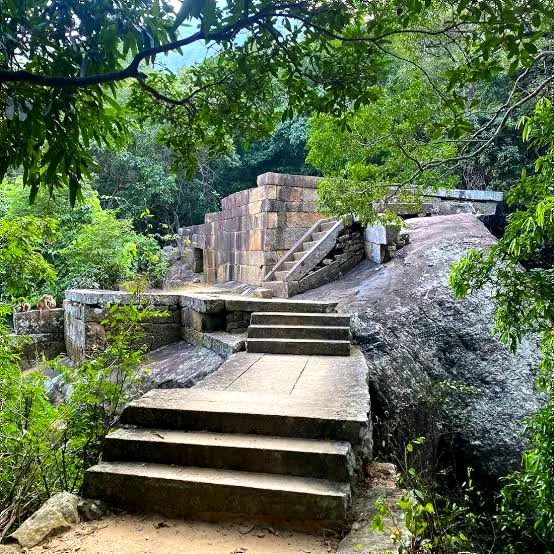
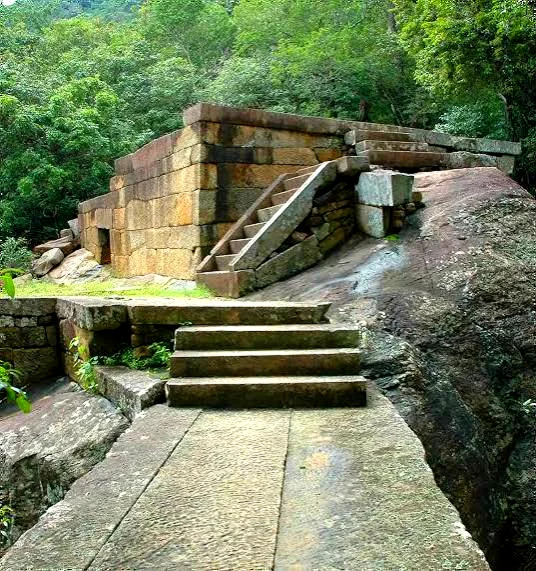
The Ritigala complex is a testament to the sophisticated engineering and spiritual dedication of its ancient inhabitants. The ruins, spread across several terraces, include an intricate network of pathways, stone bridges, meditation platforms, and bathing ponds. The site's unique architectural style, characterized by its simplicity and integration with the natural environment, sets it apart from other archaeological sites in Sri Lanka. It’s believed to have been a retreat for meditating monks, providing an environment conducive to deep contemplation and spiritual practice. The sheer effort involved in constructing these structures, often using massive granite slabs, without the aid of modern machinery, is truly astounding and speaks volumes about the determination and skill of the ancient builders. 🗿

📜 A Glimpse into Ritigala's History

Ritigala's history stretches back over two millennia, with evidence suggesting human habitation and monastic activity from as early as the 1st century BCE. However, its most prominent period of development was during the Anuradhapura Kingdom, particularly from the 8th to the 10th centuries CE. It was during this era that the elaborate monastic complex, whose ruins we see today, was constructed. The site is associated with the 'Pamsukulika' monks, an ascetic sect known for their austere practices and preference for forest dwellings. Ritigala served as a secluded sanctuary where these monks could pursue their spiritual enlightenment away from the distractions of urban life. The inscriptions found at the site provide valuable insights into the grants made to the monastery by various kings and nobles, highlighting its importance as a center of Buddhist learning and practice. The site was eventually abandoned, likely due to invasions or the decline of the Anuradhapura Kingdom, leaving its structures to be reclaimed by the jungle until their rediscovery in the 19th century. 🕰️

🚶‍♀️ Exploring the Ancient Monastic Complex

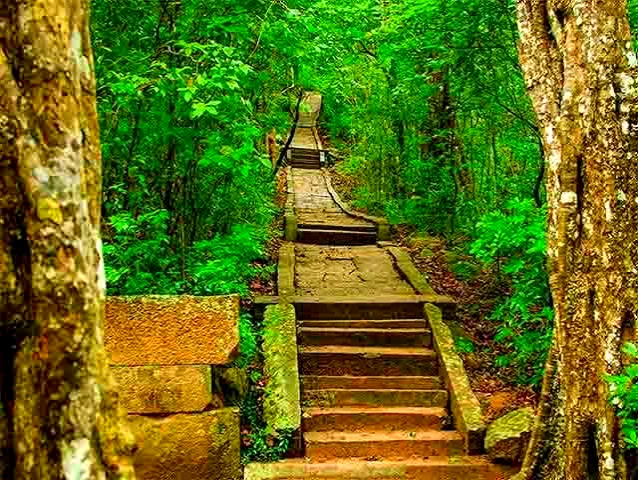
The main monastic complex at Ritigala is accessed via a well-maintained path that leads visitors through the various sections of the site. The journey begins with the impressive 'Padhanagara' (meditation platforms), which are large, elevated stone platforms believed to have been used for walking meditation. These platforms are connected by stone bridges and causeways, creating a sense of a carefully planned spiritual landscape. Further along, you'll discover the remains of bathing ponds ('Pokuna'), some of which are remarkably well-preserved, showcasing the ancient Sri Lankans' mastery of hydraulic engineering. The cool, clear water collected in these ponds would have been essential for the monks' daily rituals and personal hygiene. 💧

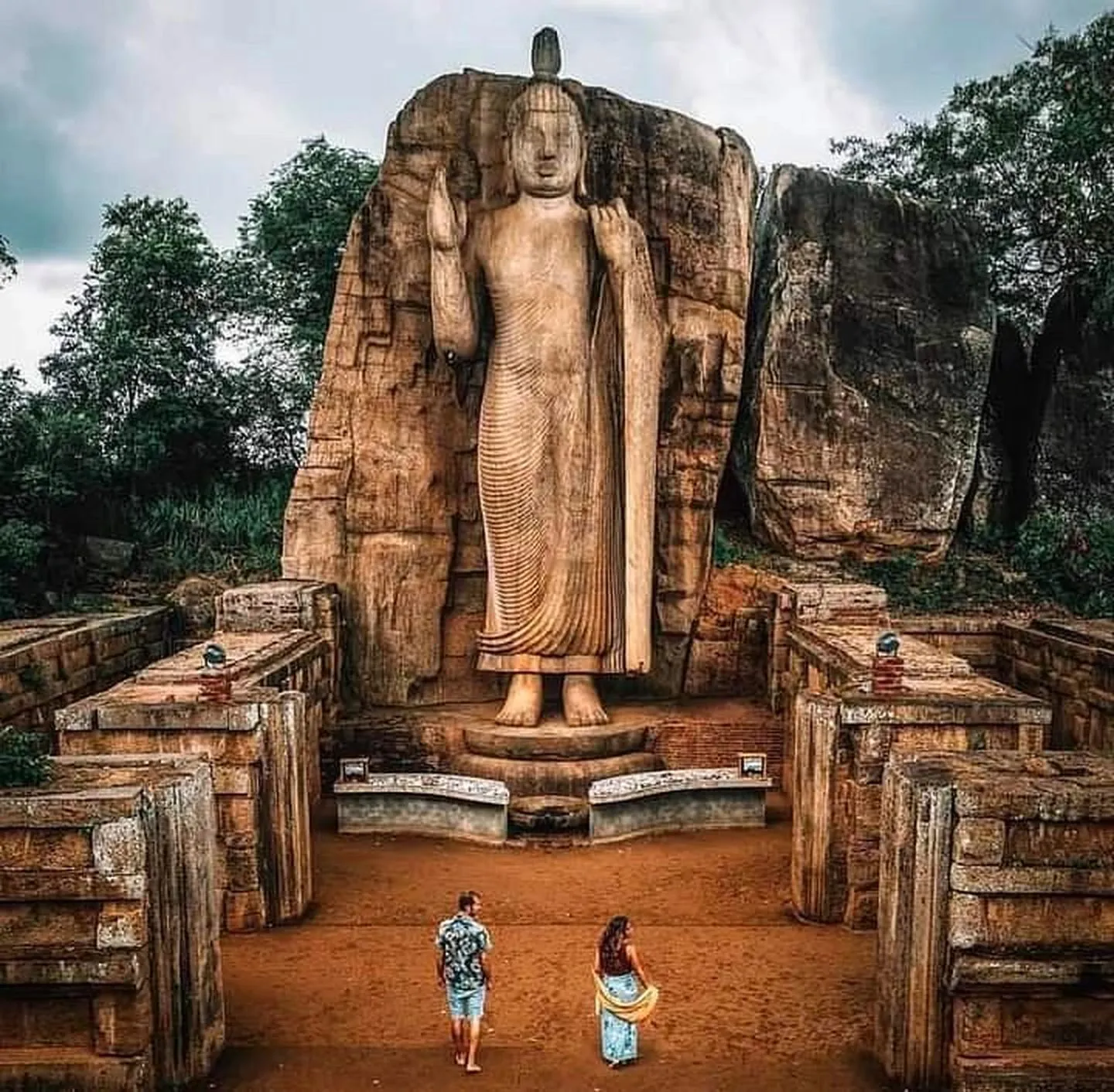
One of the most striking features of Ritigala is the absence of any Buddha statues or elaborate carvings, which are common in other Sri Lankan temples. This reflects the austere nature of the Pamsukulika monks and their focus on internal spiritual development rather than external veneration. Instead, the architecture itself, with its clean lines and minimalist design, serves as a testament to their philosophy. The sheer scale of some of the stone work, particularly the long, narrow stone-lined pathways and the foundations of ancient buildings, is awe-inspiring. Imagine the dedication and communal effort required to transport and precisely place these massive stones. The site also features a hospital complex, indicating the monks' holistic approach to well-being, caring for both the mind and body. This ancient infirmary, with its grinding stones for medicine and bathing facilities, provides a fascinating glimpse into the healthcare practices of the time. 🏥

🌳 Ritigala's Natural Wonders

Beyond its archaeological significance, Ritigala is also a designated Strict Nature Reserve, renowned for its rich biodiversity. The mountain is home to a unique ecosystem, supporting a variety of flora and fauna, some of which are endemic to Sri Lanka. The dense forest cover provides a refreshing canopy, making the exploration a pleasant experience even on a warm day. Keep an eye out for various bird species, butterflies, and perhaps even some of the shyer forest dwellers. The legend of Ritigala also speaks of its medicinal properties, with folklore suggesting that the mountain is home to a rare herb that can grant eternal youth, brought by Hanuman from the Himalayas. While this remains a legend, the mountain's rich botanical diversity is undeniable, making it a fascinating destination for nature lovers as well. The vibrant greenery and the sounds of the jungle create a truly immersive experience, reminding visitors of the deep connection between the ancient monks and their natural surroundings. It's a perfect blend of history and ecological marvel. 🦋🍃

📸 Photography and Serenity

Ritigala offers incredible photographic opportunities, from the ancient stone structures bathed in dappled sunlight to the lush jungle canopy. The play of light and shadow, combined with the serene atmosphere, makes for truly captivating shots. Remember to capture the intricate details of the stonework, the reflections in the ancient ponds, and the overall grandeur of the site. More importantly, take time to simply sit and absorb the tranquility. The silence, broken only by the sounds of nature, is profoundly peaceful, offering a chance for introspection and a momentary escape from the hustle and bustle of modern life. It's a place where you can truly connect with the past and find inner calm. 🧘‍♀️🌄

Travel Context

Practical, Sri Lanka-specific detail for موقع ريتيجالا الأثري — where it sits, how far it really is, what it costs and how to behave so your visit is welcome.

Where you are

This destination sits in هابارانا, أنورادهابورا — أنورادهابورا District, Sri Lanka. Distances look short on a map but Sri Lankan roads are slow, so plan fewer stops per day than you would at home.

Distance from Colombo

Roughly 205 km by road from Colombo, which is about 5.4 hours depending on traffic, the route and the time of day. The straight-line distance is shorter — allow extra time for hill-country bends, wildlife crossings and roadside stops.

Climate & season

February to September The south and west coasts are driest from December to March; the east coast from April to September. Conditions change quickly in the hill country, where mist and afternoon rain are routine.

What it costs

Entry is listed as LKR 1000. Budget separately for transport, food and any guide. Foreign-visitor tickets at major sites are priced in USD, and card machines are unreliable outside the main towns — carry rupees in small notes.

Etiquette & safety

Start early, carry at least two litres of water per person, and tell your guesthouse your route. Trails often cross private tea-estate or temple land, so stay on marked paths and ask before crossing farmland.

Best Time to Visit

Jan
Feb
Mar
Apr
May
Jun
Jul
Aug
Sep
Oct
Nov
Dec

Local Weather

Sigiriya Overcast clouds
30°
Feels like 32°C
56% 1 km/h
Overcast clouds
Keep Exploring

Related Travel Guides

Location & Map

هابارانا, أنورادهابورا
Get Directions

Fuel Cost Calculator

How to Get There

🚗 Getting to Ritigala Archaeological Site

Ritigala is somewhat off the beaten path, adding to its allure and sense of discovery. The most convenient way to reach the site is by car or a hired tuk-tuk/taxi. It's located approximately 25-30 km southeast of Anuradhapura and about 40-50 km north of Dambulla, making it an ideal day trip from either of these major cultural triangle hubs. 🗺️

  • By Car/Taxi: This is the most flexible and recommended option. You can hire a private car with a driver for the day from Anuradhapura, Dambulla, or Habarana. The drive offers scenic views of the rural Sri Lankan landscape. Ensure your driver knows the exact location, as signage can be limited in some areas. 🚕💨
  • By Tuk-tuk: For a more adventurous and budget-friendly option, a tuk-tuk can take you to Ritigala. Negotiate the fare beforehand, especially if you plan for the tuk-tuk to wait for you. The ride can be a bit bumpy on some stretches of road, but it's an authentic local experience! 🛵💨
  • By Bus: While there isn't a direct public bus service right up to the archaeological site, you can take a bus to the nearest major town, Habarana, or one of the villages along the A6 highway (Habarana - Trincomalee road). From there, you would need to hire a tuk-tuk for the remaining distance to Ritigala. This option requires more planning and transfers but is the most economical. 🚌➡️🛵
  • Train: The closest major train station is Habarana. If you're coming by train, you'll need to arrange for a tuk-tuk or taxi from Habarana station to Ritigala. Train journeys in Sri Lanka are often scenic and a great way to experience the country. 🚂➡️🚕

Regardless of your chosen mode of transport, be sure to confirm return arrangements if you're not driving your own vehicle. The last few kilometers to the site are on a slightly narrower, unpaved road, but it's generally manageable for most vehicles. Enjoy the journey through the serene Sri Lankan countryside! 🌳✨

Safety & Travel Tips

Wear Comfortable Shoes: The site involves a fair amount of walking on uneven stone paths, steps, and natural terrain. Sturdy, comfortable shoes are a must. 👟
Dress Modestly: As a sacred Buddhist site, it's respectful to dress modestly. Shoulders and knees should be covered. Lightweight, breathable clothing is ideal. 👚👖
Carry Water: It can get hot, especially during the dry season. There are limited facilities at the site, so bring sufficient water to stay hydrated. 💧
Bring Insect Repellent: Being in a jungle environment, mosquitoes and other insects can be present, especially during certain times of the day or year. 🦟
Go Early or Late: To avoid the midday heat and larger crowds, plan your visit for early morning (when the site opens) or late afternoon. The light is also beautiful for photography during these times. ☀️📸
Respect the Ruins: Do not climb on or deface any of the ancient structures. Stick to marked paths and follow any instructions from site personnel. 🙏
Hire a Guide: While not strictly necessary, a local guide can provide invaluable insights into the history, architecture, and legends of Ritigala, enriching your experience. Negotiate the price beforehand. 🗣️
Look Out for Wildlife: Ritigala is a nature reserve. Keep an eye out for birds, butterflies, and other small jungle creatures, but maintain a respectful distance. 🐒🦋
Allow Ample Time: To truly appreciate the tranquility and explore the various sections, allocate at least 2-3 hours for your visit. ⏳
Check Opening Hours: Confirm the current opening and closing times before your visit to plan your day effectively. ⏰
Pack a Snack: There are no food vendors inside the site. A light snack might be useful. 🍎

Nearby Amenities

Restaurants/Eateries: There are no restaurants directly at the site. You will find a good selection of local eateries and more established restaurants in Habarana (approx. 30-40 minutes drive), which is a popular tourist stop. Dambulla and Anuradhapura also offer numerous dining options. Consider packing a picnic or snacks for your visit. 🍽️🧺
Accommodation: No accommodation is available at Ritigala. The best options for hotels, guesthouses, and resorts are in Habarana, Dambulla, or Anuradhapura. Habarana, in particular, has a range of choices from budget-friendly to luxury, often catering to safari and cultural triangle visitors. 🏨🛌
ATMs/Banks: There are no ATMs at Ritigala. The nearest ATMs and banks can be found in Habarana, Dambulla, and Anuradhapura. It's advisable to carry some local currency (LKR) for entrance fees and small purchases. 🏧💰
Hospitals/Medical Facilities: For serious medical emergencies, the nearest general hospitals are in Dambulla and Anuradhapura. For minor ailments, local clinics might be available in surrounding villages, but it's always best to have travel insurance. 🏥💊
Toilets: Basic toilet facilities are usually available near the entrance of the archaeological site. 🚻
Shops: There are no shops selling souvenirs or other items directly at the site. Any purchases would need to be made in the nearby towns. 🛍️
Parking: A designated parking area is available near the entrance to the site. 🅿️

Sri Lanka Essentials

The things that catch visitors out on a first trip — money, connectivity, transport, health and the small etiquette rules that make a real difference.

Money & payments

The currency is the Sri Lankan rupee (LKR). Cards work in hotels, supermarkets and larger restaurants, but tuk-tuks, small entry gates, beach cafés and village shops are cash-only. Draw from bank ATMs in towns rather than standalone machines, keep small notes for change, and carry enough cash for two days when you head into the hill country or the north.

Connectivity & data

A local tourist SIM (Dialog, Mobitel or Hutch) is cheap and easy to buy at the airport or in any town with your passport. Coverage is good on the coasts and in towns, patchier in the Knuckles, parts of the north and inside national parks. Download offline maps and screenshots of bookings before remote drives.

Getting around

Trains are slow, scenic and very cheap — the hill-country line is the highlight. Buses cover almost everywhere but can be crowded. Tuk-tuks suit short hops; agree the fare first or use a metered app. Private drivers are good value for multi-stop days. Distances take longer than the map suggests: 100 km can easily be three hours.

Health & safety

Dengue is present, so use repellent and cover up at dusk. Drink bottled or filtered water, and be careful with ice in remote places. The sun is strong even when overcast. Pharmacies are common in towns; serious care is concentrated in Colombo. Travel insurance that covers adventure activities is worth having.

Responsible travel

Sri Lanka is small and heavily visited — small choices add up. Refuse plastic bags and single-use bottles where you can, avoid elephant rides and any attraction that chains wildlife, dress modestly at religious sites, and buy directly from local guides, homestays and cafés rather than international middlemen.

Holidays & opening hours

Poya (full moon) days are public holidays: temples are busy, some shops close and the sale of alcohol is restricted. Many archaeological sites open at 7am and close by 5–6pm, and last entry is usually an hour earlier. Check opening days before building a long drive around one site.

Traveler Reviews (0)

Be the first to review موقع ريتيجالا الأثري!

✍️ Leave a Review

Frequently Asked

The best time to visit Ritigala is during the dry season, which generally runs from May to September and from December to February. During these months, the weather is more predictable, with less rain, making exploration more comfortable. However, even during the wet season, short bursts of rain often give way to sunshine, and the jungle can appear even more vibrant. Avoid visiting during peak midday heat.
Ritigala can be suitable for older children who have an interest in history and nature and are capable of walking for an extended period. The site involves walking on uneven paths and some steps, so it might be challenging for very young children or those requiring strollers. There are no specific child-focused activities, but the natural environment and ancient ruins can be engaging for curious minds.
Yes, there is an entrance fee for foreign visitors to the Ritigala Archaeological Site, which contributes to its maintenance and preservation. The fee structure can change, so it's advisable to check the most current rates from official sources or your tour operator before your visit. Sri Lankan citizens usually have a different, lower fee or free entry.
Ritigala stands out due to its unique architectural style and its identity as a 'forest monastery' of the Pamsukulika monks. Unlike sites like Polonnaruwa or Sigiriya, it lacks elaborate Buddha statues or frescoes, focusing instead on austere, nature-integrated structures like meditation platforms, stone bridges, and bathing ponds. Its primary purpose was for deep meditation and ascetic practice, making it a place of profound tranquility and minimalist beauty amidst a strict nature reserve.
Access to the very summit of Ritigala mountain is restricted as it is a designated Strict Nature Reserve and a sensitive ecological zone. Visitors are generally allowed to explore the main archaeological complex, which extends up several terraces of the mountain. Climbing beyond the designated visitor areas is usually not permitted to protect the fragile ecosystem and archaeological integrity.
Weekly Dispatch

Get Travel Inspiration

Hidden gems, local tips & exclusive guides from Sri Lanka, Asia and beyond — delivered to your inbox, weekly.

No spam, ever. Unsubscribe anytime.