ලිහිණිහෙල ඇල්ල

ලිහිණිහෙල ඇල්ල

4.5 · 0 reviews 93 views Last updated Nov 20, 2026
4.5Rating
The dry season, from December to April, is ideal for visiting.Best Time
FreeEntry Fee
Half DaySuggested Time
ModerateDifficulty
7 minRead Time

Where to stay near ලිහිණිහෙල ඇල්ල

Compare live prices with our booking partners.

Some links below are affiliate links. If you book through them we may earn a small commission — at no extra cost to you. How this works.

Cost & practical info

Entry fee Free Confirm current fees on site
Best time to visit The dry season, from December to April, is ideal for visiting.
Suggested time Half Day
Difficulty Moderate

Prices and opening hours can change — always confirm with the official site before you travel.

The Guide

Have you ever stood at the foot of a colossal cascade, feeling the sheer force of nature reverberate through your very being, leaving you utterly breathless and awestruck? Lihinihela Ella, a magnificent yet often overlooked waterfall tucked away in the verdant embrace of Sri Lanka's central highlands, promises just such an experience. It’s not merely a sight to behold; it's a symphony of sound, a misty embrace, and a powerful testament to the island's raw, untamed beauty. While many flock to the more famous waterfalls, Lihinihela Ella offers a sense of discovery, a quiet grandeur that rewards those willing to venture slightly off the well-trodden path. Its name, 'Lihinihela', evokes images of soaring birds, perhaps a nod to the swift, graceful descent of its waters, or the avian life that thrives in its pristine surroundings. This is a place where time seems to slow, allowing for profound connection with the natural world, a perfect antidote to the hurried pace of modern life.

🌊 The Cascading Majesty Unveiled

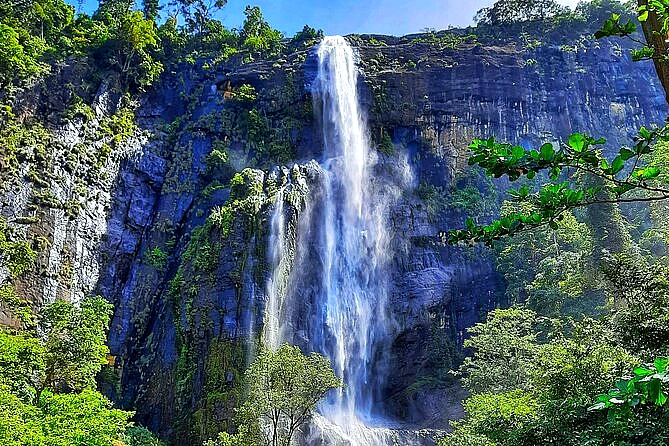
Lihinihela Ella isn't just a single drop; it's a dramatic, multi-tiered spectacle, each section contributing to its overall imposing presence. The water, fed by the catchment areas of the surrounding hills, gathers momentum before plunging over rugged rock faces, creating a mesmerizing display of white foam against the dark, wet stone. The sheer volume of water, especially after a good rain, is truly impressive, sending a fine, refreshing spray far into the air. This mist, a natural air conditioner, hangs heavy in the atmosphere, cooling the air and lending a mystical, ethereal quality to the entire scene. Sunlight, when it pierces through the canopy, often creates fleeting rainbows in the spray, adding another layer of magic to the already captivating vista. The sound is equally immersive – a continuous, powerful roar that drowns out all other noise, a primal thrum that resonates deep within. It's a sound that speaks of ancient forces, of water carving landscapes over millennia, an unending, powerful current of life.

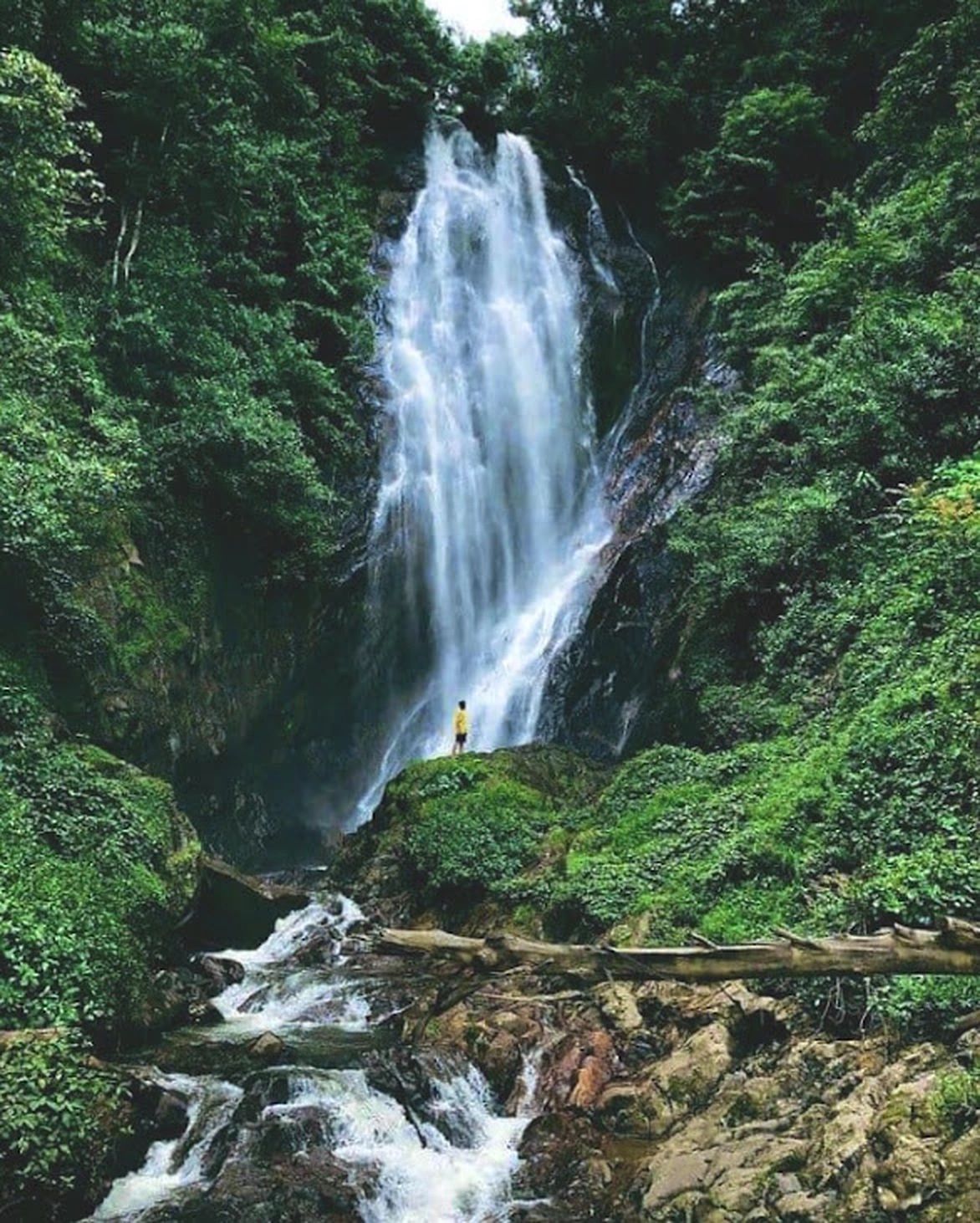
Standing at the base, gazing upwards, one can't help but feel a profound sense of humility. The scale of Lihinihela Ella is immense, dwarfing human visitors. The rock formations, sculpted by countless years of erosion, tell a silent story of geological time, each crevice and overhang a testament to the water's persistent power. Lush green foliage, vibrant and glistening from the constant moisture, clings to every available surface, framing the waterfall like a living, breathing emerald tapestry. This verdant embrace is home to a myriad of plant species, some endemic, thriving in the unique microclimate created by the waterfall. The air itself feels different here – cleaner, crisper, charged with the energy of the falling water. It’s an invigorating sensation, a natural therapy for the mind and body. The sheer verticality of the fall, combined with the surrounding dense forest, creates a sense of being enveloped, of being truly immersed in a wild, untamed corner of the world.

🌿 Surrounding Wilderness & Biodiversity Wonders

Beyond the immediate spectacle of the waterfall, the area around Lihinihela Ella is a treasure trove of biodiversity. The dense tropical rainforest that enshrouds the falls is a vibrant ecosystem, teeming with life. Birdwatchers will be delighted by the calls and flashes of colorful plumage from species like the Sri Lanka Junglefowl, various barbets, and elusive hornbills. Keep an eye out for endemic butterflies fluttering through sun-dappled clearings, their wings painted in intricate patterns. The forest floor, often damp and rich with decaying leaves, supports a fascinating array of smaller creatures – insects, amphibians, and reptiles that play crucial roles in this delicate balance. If you're lucky and observant, you might even spot a shy deer or a troop of playful monkeys scampering through the branches high above. The air is alive with the hum of unseen insects, the rustle of leaves, and the distant chirps of unseen birds, creating a natural soundtrack that complements the roar of the falls.

This rich ecological tapestry is precisely why Lihinihela Ella feels so special. It's not just a waterfall; it's a sanctuary, a living laboratory where nature flourishes largely undisturbed. The cool, moist environment fostered by the waterfall creates ideal conditions for epiphytic plants – orchids, ferns, and mosses – that cling to tree trunks and branches, forming miniature hanging gardens. The intertwining roots of ancient trees create natural pathways and hidden nooks, inviting exploration. While venturing too far off marked paths is not advisable for safety and conservation reasons, the sheer sensory experience of being within this vibrant ecosystem is profound. The scent of damp earth, decaying leaves, and fresh foliage fills the air, a complex perfume of the forest. It’s a place that encourages quiet contemplation, a deep appreciation for the intricate web of life that surrounds us, and a stark reminder of the importance of preserving such pristine natural habitats for future generations.

🚶‍♀️ Finding Your Way to the Water's Edge

Reaching Lihinihela Ella is part of the adventure. Unlike some of the more accessible waterfalls, getting close to its base often involves a moderate trek, adding to the sense of accomplishment. The path, while generally well-defined, can be uneven, muddy, and slippery, especially after rainfall. This isn't a manicured park; it's a wild place, and visitors should come prepared for an authentic nature experience. The journey takes you deeper into the forest, away from the sounds of civilization, replacing them with the chorus of nature. Along the way, you'll cross small streams, navigate over roots, and perhaps even encounter local villagers going about their daily routines, offering a glimpse into rural Sri Lankan life. The anticipation builds with every step, the sound of the waterfall growing louder and more resonant as you approach. This gradual immersion amplifies the impact when you finally emerge into the clearing and witness the full force of Lihinihela Ella. It's a rewarding pilgrimage for those who appreciate the journey as much as the destination.

The final approach to the viewing points can vary depending on recent weather and local conditions. Sometimes, it's possible to get relatively close to the pool at the base, allowing you to feel the full force of the spray and experience the invigorating chill of the water. Other times, for safety reasons due to high water levels or slippery rocks, it's best to admire from a slightly greater distance. Always exercise caution and heed any local advice or signage. The sheer power of the water should never be underestimated. Regardless of how close you get, the visual impact and the sensory experience remain breathtaking. The verdant slopes, the towering trees, and the dramatic rock faces all converge to create a truly unforgettable panorama. It’s a photographer’s dream, offering countless angles and perspectives to capture its raw beauty. But perhaps more importantly, it's a place to simply be, to breathe, and to absorb the profound energy of nature.

📸 Capturing the Ephemeral Beauty

For photographers, Lihinihela Ella presents a canvas of endless possibilities. The interplay of light and shadow, the constant movement of water, and the lush green surroundings create dynamic compositions. Long exposure shots can transform the powerful cascade into silken threads, blurring the water into an ethereal, dreamlike flow. Conversely, fast shutter speeds can freeze individual droplets, capturing the raw power and texture of the falling water. The misty atmosphere often lends a soft, diffused light that is perfect for capturing the vibrant greens of the foliage. Don't forget to look for those fleeting rainbows in the spray, a truly magical moment to capture. Wide-angle lenses are excellent for encompassing the full scale of the waterfall and its surrounding landscape, while telephoto lenses can help isolate details or capture wildlife if you're patient enough. Remember to protect your gear from the constant mist; a rain cover or waterproof bag is essential. And while cameras can capture its image, no photograph can truly convey the visceral experience of standing before Lihinihela Ella. So, take your pictures, but also take a moment to put the camera down and simply absorb the magnificence with all your senses.

Beyond the technical aspects, consider the emotional impact you want to convey. Is it the sheer power, the tranquil beauty, or the sense of isolation and discovery? Experiment with different angles – from low vantage points looking up to emphasize its height, to wider perspectives that include the surrounding forest to showcase its context. The textures of the wet rock, the swirling patterns in the pool below, and the delicate details of the ferns clinging to the cliffs all offer unique photographic opportunities. Sunrise or late afternoon light can be particularly dramatic, casting golden hues on the water or creating stark contrasts. Remember to respect the environment and other visitors while composing your shots. This is a place of natural wonder, and everyone deserves to experience its tranquility. Ultimately, the best photograph will be the one that most authentically captures your personal connection to this extraordinary place, a visual memory of a truly wild encounter in the heart of Sri Lanka.

Travel Context

Practical, Sri Lanka-specific detail for ලිහිණිහෙල ඇල්ල — where it sits, how far it really is, what it costs and how to behave so your visit is welcome.

Where you are

Located in Sri Lanka. Distances look short on a map but roads are slow, so plan fewer stops per day than you would at home.

Distance from Colombo

Roughly 105 km by road from Colombo, which is about 2.8 hours depending on traffic, the route and the time of day. The straight-line distance is shorter — allow extra time for hill-country bends, wildlife crossings and roadside stops.

Climate & season

The dry season, from December to April, is ideal for visiting. The south and west coasts are driest from December to March; the east coast from April to September. Conditions change quickly in the hill country, where mist and afternoon rain are routine.

What it costs

Entry is listed as Free. Budget separately for transport, food and any guide. Foreign-visitor tickets at major sites are priced in USD, and card machines are unreliable outside the main towns — carry rupees in small notes.

Etiquette & safety

Never swim directly under the main drop — plunge pools can recirculate even when the surface looks calm. Avoid swimming after heavy rain, wear shoes with grip on wet rock, and take all rubbish out with you.

Best Time to Visit

Jan
Feb
Mar
Apr
May
Jun
Jul
Aug
Sep
Oct
Nov
Dec

Local Weather

Ratnapura Heavy intensity rain
27°
Feels like 31°C
86% 0.37 km/h
Heavy intensity rain
Keep Exploring

Related Travel Guides

Location & Map

Get Directions

Fuel Cost Calculator

How to Get There

Getting to Lihinihela Ella requires a bit of planning, as it's not directly on a main tourist route, which adds to its charm! 🚌

By Bus: From major towns like Badulla or Ella, you can take a local bus towards the general area. You'll likely need to alight at a junction near the village closest to the falls, and then arrange for a tuk-tuk or walk the rest of the way. Ask locals for 'Lihinihela Ella' or 'Lihinihela Watta' (estate) to get directions. Be prepared for a walk through tea plantations and rural paths.

By Train: The nearest major train station would be Badulla or Ella. From there, follow the bus or tuk-tuk instructions. The train journey through the highlands itself is incredibly scenic and highly recommended! 🚂

By Tuk-tuk/Taxi: This is often the most convenient option, especially for the final leg. A tuk-tuk can take you closer to the trailhead than a bus. Negotiate the price beforehand and confirm they know the exact location. If coming from a more distant town, hiring a taxi for the day might be a comfortable option. 🚕

By Car: If you have your own vehicle or a rented car with a driver, you can drive to the vicinity. However, the final approach to the falls may involve roads that are not suitable for all vehicles, requiring you to park and walk or hire a local tuk-tuk for the last stretch. 🚗

Remember, the precise starting point for the trek can vary, so always ask locals for the most current and best route!

Safety & Travel Tips

👟 Wear Appropriate Footwear: Sturdy, closed-toe shoes with good grip are essential, as paths can be slippery and uneven.
💧 Carry Water: Stay hydrated, especially if you're trekking.
🎒 Pack Light: Only bring essentials for the hike.
☔ Be Prepared for Rain: The weather in the highlands can change quickly; a light rain jacket or umbrella is advisable.
🦟 Insect Repellent: Protect yourself from mosquitoes and other insects.
🍎 Snacks: There are limited facilities nearby, so pack some energy-boosting snacks.
🗑️ Leave No Trace: Carry out all your trash to help preserve the pristine environment.
🤝 Hire a Local Guide (Optional): For a more informed and safer experience, especially if you're unsure of the path, consider hiring a local guide from a nearby village.
🔋 Charge Your Devices: Ensure your phone and camera are fully charged.
⚠️ Exercise Caution: Do not attempt to climb slippery rocks or get too close to the powerful currents.
🗣️ Learn Basic Phrases: Knowing a few Sinhala phrases can enhance your interaction with locals.
🌅 Go Early: Visiting in the morning often offers better light for photography and cooler temperatures.

Nearby Amenities

🍽️ Restaurants: Very limited or no formal restaurants right at the waterfall. You might find small local eateries (kadés) in nearby villages serving basic Sri Lankan fare. It's best to pack your own food or plan to eat in larger towns like Badulla or Ella before or after your visit.
🏨 Accommodation: No hotels directly at the waterfall. Guesthouses and homestays can be found in surrounding villages or tea estates. For more options, consider staying in Ella or Badulla, which offer a range of hotels and resorts.
🏧 ATMs: The closest ATMs will be in larger towns like Badulla or Ella. It's wise to carry sufficient cash for local transport and small purchases.
🏥 Hospitals/Medical Facilities: Basic medical centers may be available in larger villages, but for serious emergencies, the closest general hospitals would be in Badulla or Bandarawela.
⛽ Fuel Stations: Available in Badulla, Ella, and other main towns.
🛒 Shops: Small village shops (boutiques) might sell basic necessities, snacks, and drinks.

Sri Lanka Essentials

The things that catch visitors out on a first trip — money, connectivity, transport, health and the small etiquette rules that make a real difference.

Money & payments

The currency is the Sri Lankan rupee (LKR). Cards work in hotels, supermarkets and larger restaurants, but tuk-tuks, small entry gates, beach cafés and village shops are cash-only. Draw from bank ATMs in towns rather than standalone machines, keep small notes for change, and carry enough cash for two days when you head into the hill country or the north.

Connectivity & data

A local tourist SIM (Dialog, Mobitel or Hutch) is cheap and easy to buy at the airport or in any town with your passport. Coverage is good on the coasts and in towns, patchier in the Knuckles, parts of the north and inside national parks. Download offline maps and screenshots of bookings before remote drives.

Getting around

Trains are slow, scenic and very cheap — the hill-country line is the highlight. Buses cover almost everywhere but can be crowded. Tuk-tuks suit short hops; agree the fare first or use a metered app. Private drivers are good value for multi-stop days. Distances take longer than the map suggests: 100 km can easily be three hours.

Health & safety

Dengue is present, so use repellent and cover up at dusk. Drink bottled or filtered water, and be careful with ice in remote places. The sun is strong even when overcast. Pharmacies are common in towns; serious care is concentrated in Colombo. Travel insurance that covers adventure activities is worth having.

Responsible travel

Sri Lanka is small and heavily visited — small choices add up. Refuse plastic bags and single-use bottles where you can, avoid elephant rides and any attraction that chains wildlife, dress modestly at religious sites, and buy directly from local guides, homestays and cafés rather than international middlemen.

Holidays & opening hours

Poya (full moon) days are public holidays: temples are busy, some shops close and the sale of alcohol is restricted. Many archaeological sites open at 7am and close by 5–6pm, and last entry is usually an hour earlier. Check opening days before building a long drive around one site.

Traveler Reviews (0)

Be the first to review ලිහිණිහෙල ඇල්ල!

✍️ Leave a Review

Frequently Asked

The trek to Lihinihela Ella involves uneven and potentially slippery paths, making it moderately challenging. It might not be ideal for very young children or those with mobility issues. Older children who are accustomed to hiking and are supervised will likely enjoy the adventure.
While the sight of the pool might be inviting, swimming directly in the plunge pool of Lihinihela Ella is generally not recommended due to the strong currents, slippery rocks, and potential for hidden hazards. Always prioritize safety and observe local warnings.
Lihinihela Ella is a natural, undeveloped site. There are no dedicated changing facilities or public restrooms. Visitors should be prepared for a wilderness experience.
Most locals in tourist areas have some basic English. In more remote areas, a smile, hand gestures, and a few learned Sinhala phrases (like 'Ayubowan' for hello, 'Isthuthi' for thank you) go a long way. Locals are generally very friendly and helpful.
Currently, there is no official entrance fee for Lihinihela Ella. However, if you hire a local guide or park your vehicle in a private area, a small fee might be requested.
The surrounding rainforest is home to various bird species, butterflies, monkeys, and smaller reptiles and amphibians. Keep an eye out for endemic species unique to Sri Lanka's highlands.
Weekly Dispatch

Get Travel Inspiration

Hidden gems, local tips & exclusive guides from Sri Lanka, Asia and beyond — delivered to your inbox, weekly.

No spam, ever. Unsubscribe anytime.