ඇබර්ඩීන් ඇල්ල
දිය ඇලි 💎 Hidden Gem 3 min read

ඇබර්ඩීන් ඇල්ල

0.0 · 0 reviews 95 views Last updated Nov 19, 2026
0.0Rating
Year RoundBest Time
FreeEntry Fee
3 minRead Time

Where to stay near ඇබර්ඩීන් ඇල්ල

Compare live prices with our booking partners.

Some links below are affiliate links. If you book through them we may earn a small commission — at no extra cost to you. How this works.

Cost & practical info

Entry fee Free Confirm current fees on site
Best time to visit Year round
Suggested time Half a day
Difficulty Easy

Prices and opening hours can change — always confirm with the official site before you travel.

The Guide

⛰️ Introduction to Aberdeen Falls: A Majestic Cascade in Sri Lanka's Hill Country

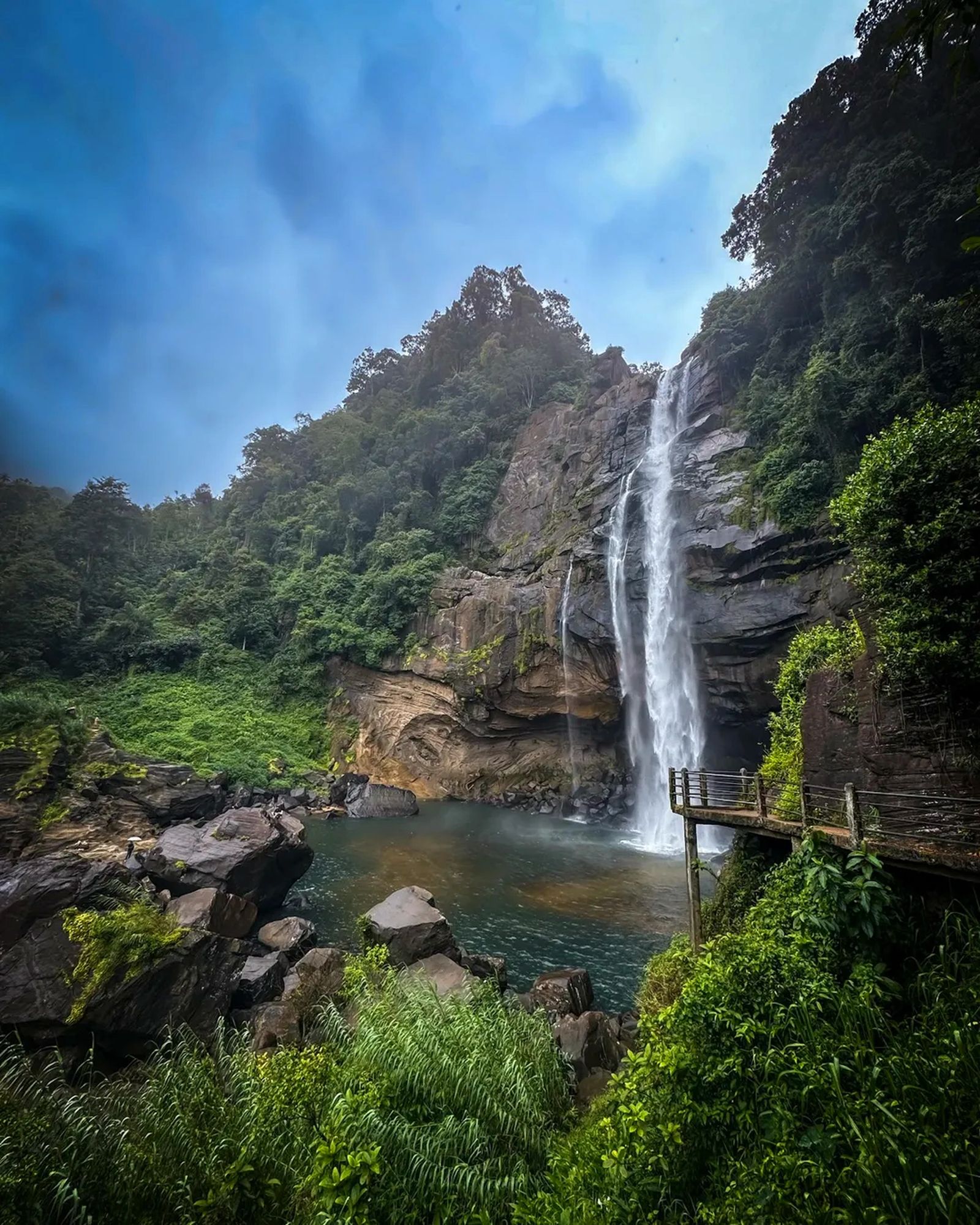
Nestled amidst the emerald embrace of Sri Lanka's breathtaking hill country, Aberdeen Falls stands as a testament to nature's raw power and exquisite beauty. This magnificent waterfall, often overshadowed by its more famous counterparts, offers a truly enchanting experience for those seeking tranquility, adventure, and stunning photographic opportunities. Plunging dramatically from a height of approximately 98 meters (322 feet), Aberdeen Falls is a multi-tiered cascade that captivates visitors with its thunderous roar and shimmering spray. It's an ideal destination for nature lovers, hikers, and anyone looking to escape the hustle and bustle of everyday life and immerse themselves in the serene grandeur of the Sri Lankan highlands. 🌿📸

💧 The Allure of Aberdeen Falls: A Natural Wonder

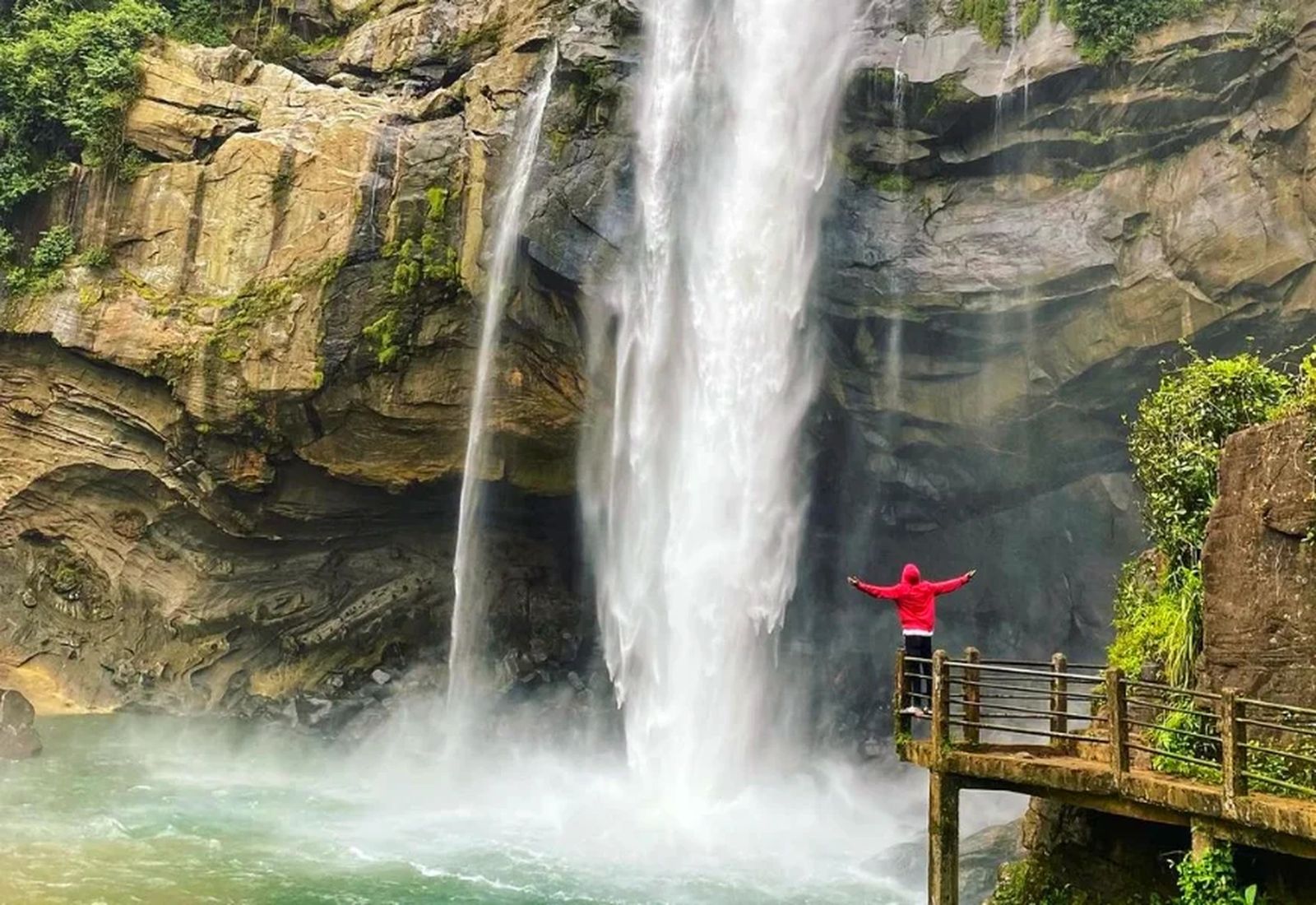
Aberdeen Falls is fed by the Kehelgamu Oya, a tributary of the mighty Kelani River, ensuring a consistent and impressive flow of water, especially during and after the monsoon seasons. The waterfall's name is believed to have a connection to the Scottish city of Aberdeen, a nod to the colonial-era British planters who were drawn to the region's fertile lands for tea cultivation. As you approach the falls, the air becomes cooler and mist-laden, carrying the fresh scent of damp earth and verdant foliage. The sight of the water cascading over rugged rock faces, creating a mesmerizing curtain of white foam against the lush green backdrop, is truly awe-inspiring. There are several vantage points from which to admire Aberdeen Falls, each offering a unique perspective of its grandeur. 🏞️💦

🚶‍♀️ Exploring the Surroundings: Hikes and Views

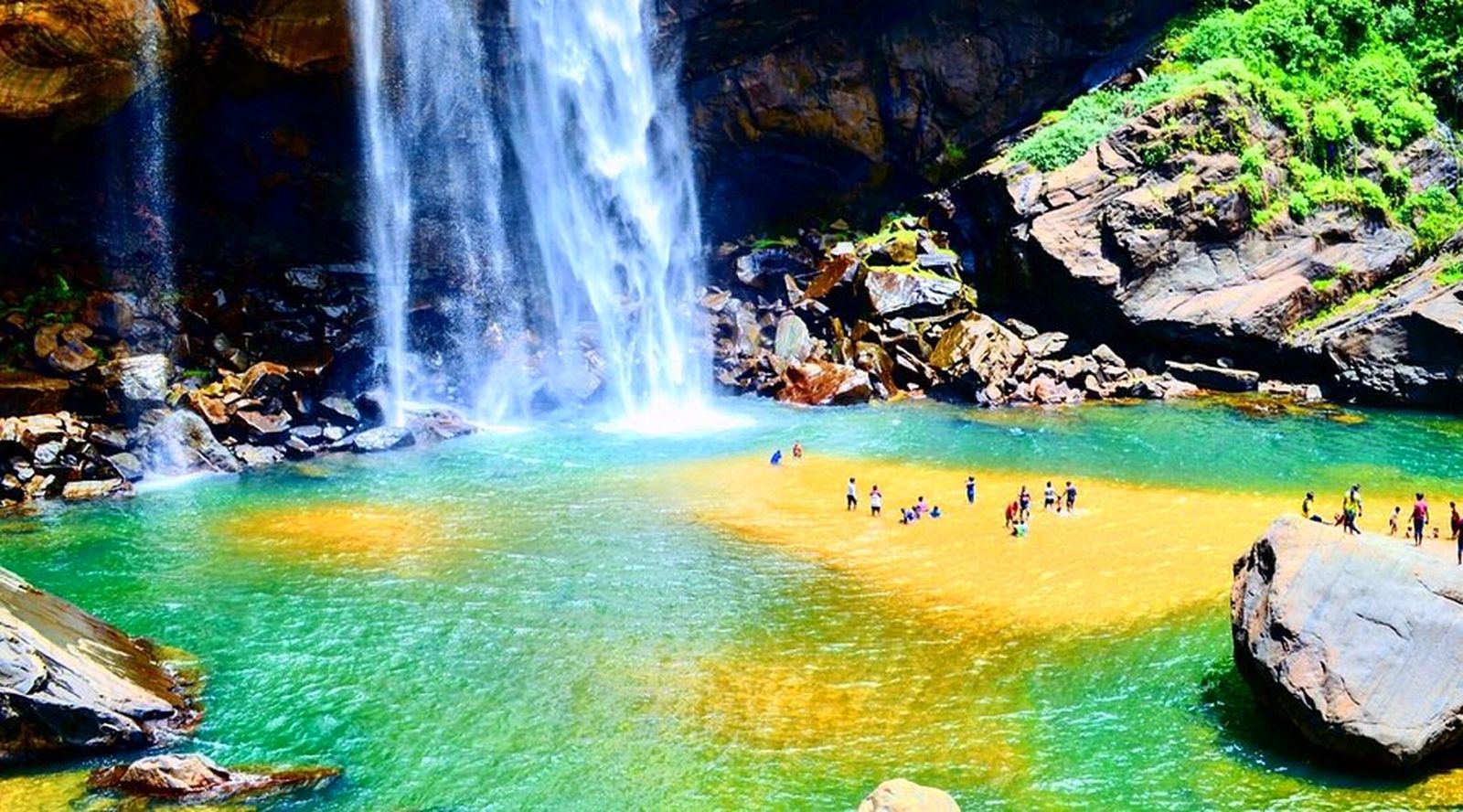
Reaching Aberdeen Falls often involves a short but rewarding trek through picturesque landscapes. The path, while not overly strenuous, offers glimpses of local village life, vibrant flora, and perhaps even some exotic birdlife. It's advisable to wear comfortable walking shoes and be prepared for some uneven terrain. As you descend towards the base of the falls, the sounds of nature become more pronounced, with the symphony of rushing water dominating the air. At the bottom, visitors can often find natural pools where brave souls might even take a refreshing dip, though caution is always advised due to strong currents and slippery rocks. The surrounding area is rich in biodiversity, making it a fantastic spot for nature photography and bird watching. Keep an eye out for endemic species that thrive in this pristine environment. 🌳🦋

🌄 Best Time to Visit and Photography Tips

The best time to visit Aberdeen Falls is generally during the dry season, from December to March, and again from June to September, when the paths are less slippery and the skies are clearer, offering excellent visibility for photography. However, visiting during the monsoon season (May to July and October to November) can also be spectacular, as the waterfall is at its most powerful and voluminous, though accessibility might be more challenging. For photographers, the soft morning light or the golden hour before sunset can create magical effects, illuminating the mist and the surrounding greenery. A wide-angle lens is recommended to capture the full scope of the falls, and a tripod can be useful for long-exposure shots that create a silky, ethereal effect of the water. Don't forget to protect your camera from the inevitable spray! 📸☀️

🧘‍♀️ A Place for Serenity and Reflection

Beyond its visual appeal, Aberdeen Falls offers a profound sense of peace and tranquility. The rhythmic sound of the water, the cool breeze, and the untouched natural beauty create an ideal environment for relaxation and meditation. It’s a place where you can truly disconnect from the digital world and reconnect with nature. Many visitors find themselves spending hours simply sitting, observing, and absorbing the serene atmosphere. Whether you’re an avid adventurer, a nature enthusiast, or simply seeking a peaceful escape, Aberdeen Falls promises an unforgettable experience, leaving you refreshed and rejuvenated by the sheer majesty of Sri Lanka's natural heritage. Don't miss the chance to witness this hidden gem of the hill country. 💚✨

Travel Context

Practical, Sri Lanka-specific detail for ඇබර්ඩීන් ඇල්ල — where it sits, how far it really is, what it costs and how to behave so your visit is welcome.

Where you are

Located in Sri Lanka. Distances look short on a map but roads are slow, so plan fewer stops per day than you would at home.

Distance from Colombo

Roughly 95 km by road from Colombo, which is about 2.5 hours depending on traffic, the route and the time of day. The straight-line distance is shorter — allow extra time for hill-country bends, wildlife crossings and roadside stops.

Climate & season

Sri Lanka has two monsoons, so the best season depends on which coast you are on. The south and west coasts are driest from December to March; the east coast from April to September. Conditions change quickly in the hill country, where mist and afternoon rain are routine.

What it costs

There is no published entry fee for this place. Budget separately for transport, food and any guide. Foreign-visitor tickets at major sites are priced in USD, and card machines are unreliable outside the main towns — carry rupees in small notes.

Etiquette & safety

Never swim directly under the main drop — plunge pools can recirculate even when the surface looks calm. Avoid swimming after heavy rain, wear shoes with grip on wet rock, and take all rubbish out with you.

Local Weather

Hatton Overcast clouds
25°
Feels like 26°C
70% 0.49 km/h
Overcast clouds
Keep Exploring

Related Travel Guides

Location & Map

Get Directions

Fuel Cost Calculator

How to Get There

🚗 Getting to Aberdeen Falls

Aberdeen Falls is located near the town of Nuwara Eliya, but more precisely, it's closer to the town of Ginigathena in the Nuwara Eliya District. Here's how you can get there:

  • By Car/Taxi: This is often the most convenient way to reach Aberdeen Falls. From Colombo, it's approximately a 3-4 hour drive. You can hire a private car with a driver, which offers flexibility and comfort. From Nuwara Eliya, it's about an hour's drive. The route involves scenic roads, passing through tea plantations and small villages. Use GPS navigation to guide you to the exact location. 🗺️🚕
  • By Bus: You can take a bus from major cities like Colombo or Kandy to Ginigathena or Hatton. From Ginigathena or Hatton, you might need to take a local bus or a tuk-tuk for the remaining distance to the falls. Bus journeys can be longer but are very economical. 🚌💨
  • By Train: The closest major train station is Hatton. The train journey to Hatton, especially from Kandy, offers some of the most spectacular scenic views in Sri Lanka, winding through tea estates and misty mountains. From Hatton, you'll need to hire a tuk-tuk or a taxi to reach Aberdeen Falls, which is about a 30-45 minute drive depending on traffic and road conditions. 🚂🌿

The final approach to the falls often involves a short walk or hike, so be prepared for some physical activity. Always confirm directions with locals as road conditions can vary. Remember to enjoy the journey as much as the destination! 🚶‍♀️🏞️

Safety & Travel Tips

Wear Appropriate Footwear: The path to the falls can be slippery and uneven, especially after rain. Sturdy walking shoes or hiking sandals are highly recommended. 👟
Carry Water and Snacks: There are limited facilities near the falls, so bring enough water to stay hydrated and some snacks for your trek. 💧🍎
Dress in Layers: The weather in the hill country can change rapidly. Dressing in layers will allow you to adjust to temperature fluctuations. 🧥🧣
Be Mindful of the Environment: Please carry out anything you carry in. Do not litter and help preserve the natural beauty of the area. ♻️🌳
Exercise Caution: The rocks around the falls can be very slippery. Do not attempt to climb on wet rocks or swim in strong currents. Always prioritize safety. ⚠️🚫
Bring Insect Repellent: Especially if you plan to spend time near the foliage, insect repellent can be useful. 🦟🛡️
Charge Your Camera/Phone: You'll want to capture the stunning views, so ensure your devices are fully charged. A power bank can be handy. 🔋📸
Inform Locals: If you're venturing off the main path, it's always a good idea to inform a local or your guesthouse about your plans. 🗣️📍
Visit Early Morning: Arriving early can help you avoid crowds and enjoy the tranquility of the falls in peace. 🌄🚶‍♀️

Nearby Amenities

Restaurants/Eateries: In Ginigathena and Hatton, you'll find local restaurants and small eateries serving Sri Lankan cuisine. For more varied options, Nuwara Eliya offers a wider selection. 🍽️🍛
Hotels/Guesthouses: Accommodation options range from budget-friendly guesthouses to more comfortable hotels in Hatton and Nuwara Eliya. There are also some charming homestays in the surrounding villages. 🏨🛏️
ATMs/Banks: You can find ATM facilities and banks in Hatton, which is a significant town in the region. It's advisable to withdraw cash before heading directly to the falls. 🏧💰
Hospitals/Pharmacies: For medical emergencies, general hospitals and pharmacies are available in Hatton. For minor ailments, local dispensaries might be found closer to Ginigathena. 🏥💊
Grocery Stores/Convenience Stores: Small shops for basic necessities, snacks, and drinks are available in Ginigathena and Hatton. 🛒🛍️

Sri Lanka Essentials

The things that catch visitors out on a first trip — money, connectivity, transport, health and the small etiquette rules that make a real difference.

Money & payments

The currency is the Sri Lankan rupee (LKR). Cards work in hotels, supermarkets and larger restaurants, but tuk-tuks, small entry gates, beach cafés and village shops are cash-only. Draw from bank ATMs in towns rather than standalone machines, keep small notes for change, and carry enough cash for two days when you head into the hill country or the north.

Connectivity & data

A local tourist SIM (Dialog, Mobitel or Hutch) is cheap and easy to buy at the airport or in any town with your passport. Coverage is good on the coasts and in towns, patchier in the Knuckles, parts of the north and inside national parks. Download offline maps and screenshots of bookings before remote drives.

Getting around

Trains are slow, scenic and very cheap — the hill-country line is the highlight. Buses cover almost everywhere but can be crowded. Tuk-tuks suit short hops; agree the fare first or use a metered app. Private drivers are good value for multi-stop days. Distances take longer than the map suggests: 100 km can easily be three hours.

Health & safety

Dengue is present, so use repellent and cover up at dusk. Drink bottled or filtered water, and be careful with ice in remote places. The sun is strong even when overcast. Pharmacies are common in towns; serious care is concentrated in Colombo. Travel insurance that covers adventure activities is worth having.

Responsible travel

Sri Lanka is small and heavily visited — small choices add up. Refuse plastic bags and single-use bottles where you can, avoid elephant rides and any attraction that chains wildlife, dress modestly at religious sites, and buy directly from local guides, homestays and cafés rather than international middlemen.

Holidays & opening hours

Poya (full moon) days are public holidays: temples are busy, some shops close and the sale of alcohol is restricted. Many archaeological sites open at 7am and close by 5–6pm, and last entry is usually an hour earlier. Check opening days before building a long drive around one site.

Traveler Reviews (0)

Be the first to review ඇබර්ඩීන් ඇල්ල!

✍️ Leave a Review

Frequently Asked

The best time to visit Aberdeen Falls is generally during the dry seasons: from December to March, and again from June to September. During these periods, the weather is more stable, the paths are less slippery, and the waterfall's flow is usually impressive but manageable.
While there are natural pools at the base of Aberdeen Falls, caution is strongly advised. The currents can be strong, especially after heavy rains, and rocks can be very slippery. It is generally safer to admire the falls from a distance and avoid swimming, or only do so if conditions appear very safe and you are a confident swimmer.
The hike to Aberdeen Falls is relatively short, often taking between 15 to 30 minutes from the nearest accessible road point, depending on your starting location and pace. However, allow extra time for enjoying the scenery and photography.
Currently, there is no official entrance fee for visiting Aberdeen Falls, as it is a natural site. However, local guides might offer their services, and it's customary to tip them if you utilize their assistance.
It's recommended to wear comfortable, sturdy walking shoes or hiking sandals due to uneven and potentially slippery paths. Dressing in layers is also advisable as the weather in the hill country can change quickly. A light rain jacket might be useful.
Weekly Dispatch

Get Travel Inspiration

Hidden gems, local tips & exclusive guides from Sri Lanka, Asia and beyond — delivered to your inbox, weekly.

No spam, ever. Unsubscribe anytime.