Лесной заповедник Синхараджа

Лесной заповедник Синхараджа

0.0 · 0 reviews 93 views Last updated Nov 19, 2026
Денияя, Матара
0.0Rating
January to May, August to DecemberBest Time
LKR 2000Entry Fee
Full DaySuggested Time
ModerateDifficulty
4 minRead Time

Where to stay near Лесной заповедник Синхараджа

Compare live prices with our booking partners.

Some links below are affiliate links. If you book through them we may earn a small commission — at no extra cost to you. How this works.

Cost & practical info

Entry fee LKR 2000 Confirm current fees on site
Best time to visit January to May, August to December
Suggested time Full Day
Difficulty Moderate

Prices and opening hours can change — always confirm with the official site before you travel.

The Guide

🌿 Introduction to Sinharaja Forest Reserve

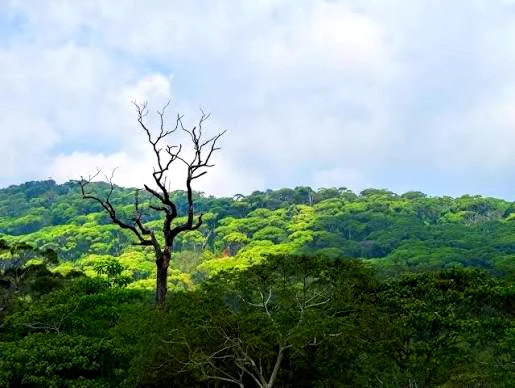
Welcome to the enchanting world of the Sinharaja Forest Reserve, a UNESCO World Heritage Site and a vital biodiversity hotspot in Sri Lanka. 🌳 This pristine rainforest, located in the wet zone of the island, is not just a forest; it's a living, breathing testament to nature's unparalleled beauty and complexity. Its name, 'Sinharaja,' literally means 'Lion King,' a fitting moniker for a place that reigns supreme in ecological significance. Spanning approximately 18,900 hectares, Sinharaja is a treasure trove of endemic flora and fauna, making it an indispensable destination for nature lovers, researchers, and eco-tourists alike. Prepare to be immersed in a symphony of sounds – the chirping of unseen birds, the rustle of leaves, and the distant calls of various creatures – as you step into this magical realm.

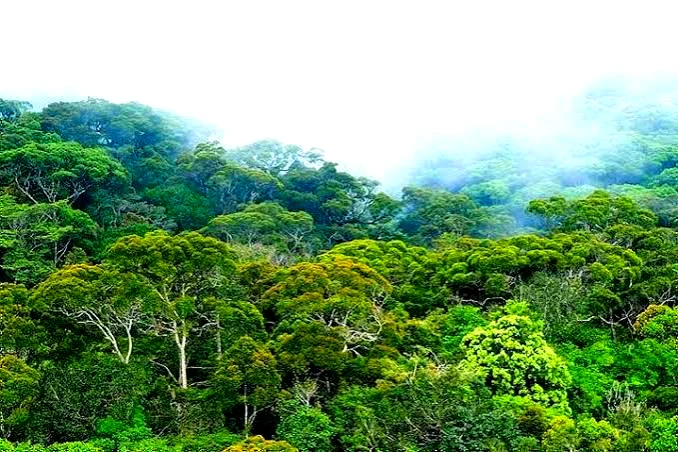
The reserve is primarily a tropical lowland rainforest, characterized by its dense canopy, high humidity, and an astonishing array of plant and animal life. It holds immense scientific value due to its high degree of endemism, particularly for birds, mammals, reptiles, and amphibians. Many species found here are unique to Sri Lanka, and some are even exclusive to Sinharaja itself. This makes every visit an opportunity to witness rare and extraordinary life forms in their natural habitat. 🦎🦋

🐦 Biodiversity Hotspot: A World of Wonders

Sinharaja is renowned globally for its incredible biodiversity. It's a prime example of an undisturbed, biologically rich forest ecosystem. The reserve boasts over 50% of Sri Lanka's endemic species of mammals and butterflies, as well as a significant proportion of its endemic birds, reptiles, and amphibians. For birdwatchers, Sinharaja is a paradise! Keep an eye out for the elusive Red-faced Malkoha, the Sri Lanka Blue Magpie, the Sri Lanka Spurfowl, and the Ashy-headed Laughingthrush, among many others. The unique 'bird wave' phenomenon, where mixed species of birds feed and move together, is a common and mesmerizing sight here. 🦜🦉

Beyond birds, the forest is home to various mammals, including the Purple-faced Langur, Toque Macaque, and the rare Rusty-spotted Cat. While larger mammals like elephants are no longer present, the rich insect and reptile life more than makes up for it. You might spot various types of lizards, snakes (many non-venomous), and a dazzling array of butterflies and other insects, each playing a crucial role in the ecosystem. The vibrant colors and intricate patterns of these creatures add another layer of wonder to your exploration. 🐛🕷️

🚶‍♀️ Exploring the Trails: An Adventure Awaits

Visiting Sinharaja is an immersive experience that typically involves guided treks along its well-maintained trails. These trails offer varying levels of difficulty, catering to both casual walkers and seasoned hikers. A local guide is essential, not only for navigation and safety but also for their invaluable knowledge of the forest's flora and fauna. They can point out camouflaged creatures, identify unique plants, and share fascinating insights into the forest's ecological processes and traditional uses of its resources. 🗺️

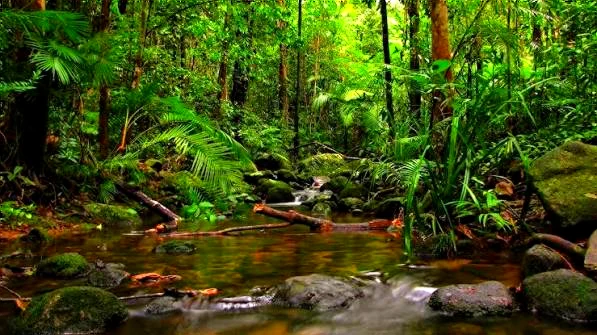
Popular entry points include Kudawa and Deniyaya, each offering access to different parts of the reserve and distinct trekking experiences. Expect to walk through lush vegetation, cross small streams, and perhaps even encounter some leeches (don't worry, guides will provide tips for dealing with them!). The reward for your efforts is an unparalleled connection with nature, breathtaking views, and the chance to witness some of the world's rarest species in their natural environment. Remember to move quietly and observe from a respectful distance to minimize disturbance to the wildlife. 🤫

🌱 Flora and Fauna: Nature's Masterpiece

The plant life in Sinharaja is as diverse as its animal inhabitants. The forest is characterized by a multi-layered canopy, with emergent trees reaching heights of over 45 meters. Many of the tree species are endemic, and their intricate relationships form the backbone of this complex ecosystem. You'll encounter a vast array of ferns, orchids, lianas, and medicinal plants, each contributing to the forest's rich tapestry. The sheer density of vegetation and the vibrant green hues create a truly mesmerizing landscape. 🌺🌳

Beyond the scientific marvels, Sinharaja offers a profound sense of tranquility and a chance to disconnect from the modern world. The air is fresh, the sounds are natural, and the beauty is raw and untouched. It's a place for reflection, appreciation, and a deeper understanding of our planet's delicate ecosystems. Whether you're a seasoned naturalist or simply seeking a unique adventure, Sinharaja Forest Reserve promises an unforgettable journey into the heart of Sri Lanka's wild side. 📸🌄

Travel Context

Practical, Sri Lanka-specific detail for Лесной заповедник Синхараджа — where it sits, how far it really is, what it costs and how to behave so your visit is welcome.

Where you are

This destination sits in Денияя, Матара — Матара District, Sri Lanka. Distances look short on a map but Sri Lankan roads are slow, so plan fewer stops per day than you would at home.

Distance from Colombo

Roughly 120 km by road from Colombo, which is about 3.2 hours depending on traffic, the route and the time of day. The straight-line distance is shorter — allow extra time for hill-country bends, wildlife crossings and roadside stops.

Climate & season

January to May, August to December The south and west coasts are driest from December to March; the east coast from April to September. Conditions change quickly in the hill country, where mist and afternoon rain are routine.

What it costs

Entry is listed as LKR 2000. Budget separately for transport, food and any guide. Foreign-visitor tickets at major sites are priced in USD, and card machines are unreliable outside the main towns — carry rupees in small notes.

Etiquette & safety

Start early, carry at least two litres of water per person, and tell your guesthouse your route. Trails often cross private tea-estate or temple land, so stay on marked paths and ask before crossing farmland.

Best Time to Visit

Jan
Feb
Mar
Apr
May
Jun
Jul
Aug
Sep
Oct
Nov
Dec

Local Weather

Ratnapura Light rain
28°
Feels like 31°C
82% 1.38 km/h
Light rain
Keep Exploring

Related Travel Guides

Location & Map

Денияя, Матара
Get Directions

Fuel Cost Calculator

How to Get There

🚗 Getting to Sinharaja Forest Reserve

Reaching the Sinharaja Forest Reserve requires a bit of planning, as it's nestled away from major towns, contributing to its pristine nature. The primary entry points are Kudawa (near Kalawana) and Deniyaya (near Matara). 🗺️

  • By Car/Taxi: The most convenient and recommended way to reach Sinharaja is by hiring a private car or taxi. This offers flexibility and comfort. From Colombo, the journey to Kudawa takes approximately 4-5 hours. To Deniyaya, it might be slightly longer. The roads leading to the reserve can be winding and sometimes narrow, so a skilled driver is advisable. 🚕💨
  • By Bus: Public buses are a more budget-friendly option, though they involve multiple changes and can be time-consuming. From Colombo, you can take a bus to Ratnapura, then another bus to Kalawana, and finally a local bus or tuk-tuk to Kudawa. For Deniyaya, take a bus to Matara, and then a connecting bus to Deniyaya town, from where you'll need a tuk-tuk to the reserve entrance. Be prepared for longer travel times and potential waiting periods. 🚌➡️
  • By Train: There is no direct train station close to Sinharaja. The closest major train stations would be Matara (for the Deniyaya entrance) or Galle (further south). From these stations, you would then need to rely on buses or taxis to reach your final destination. This option is generally less direct than taking a bus for the majority of the journey. 🚂❌

Regardless of your chosen mode of transport, it's highly recommended to arrange your final leg of the journey (from the nearest town to the reserve entrance) with your accommodation provider or a local guide, as public transport options can be limited right up to the gate. 🤝

Safety & Travel Tips

Book a Guide: It is mandatory and highly recommended to hire a local guide for your trek into Sinharaja. They are invaluable for navigation, spotting wildlife, and sharing local knowledge. 🗣️
Leech Protection: Sinharaja is known for leeches, especially during wet seasons. Wear leech socks (available for purchase locally), long trousers, and closed-toe shoes. Carry salt or a small bottle of repellent to deter them.🧂
Appropriate Clothing: Wear comfortable, light-colored, long-sleeved shirts and long trousers to protect against insects and scratches. Quick-drying fabrics are best. 👕👖
Footwear: Sturdy, waterproof hiking boots with good grip are ideal. The trails can be muddy and slippery. 👟
Rain Gear: Carry a lightweight rain jacket or poncho, as rain can occur at any time in a rainforest. ☔
Water and Snacks: Bring plenty of drinking water. Pack some energy-boosting snacks as there are no shops inside the reserve. 💧🍎
Camera and Binoculars: Don't forget your camera to capture the incredible biodiversity. Binoculars will enhance your wildlife spotting experience. 📸🔭
Insect Repellent: Apply insect repellent generously to exposed skin. 🦟
Respect Nature: Stay on marked trails, do not litter, do not feed animals, and maintain a respectful distance from wildlife. ♻️🐾
Best Time to Visit: The drier months from January to March and August to September are generally preferred, but the rainforest can be visited year-round. Expect rain at any time. ☀️🌧️

Nearby Amenities

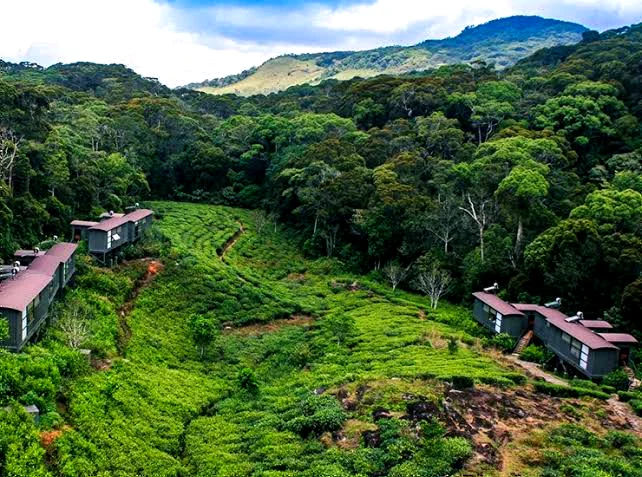
Accommodation: There are several eco-lodges, guesthouses, and homestays located near the Sinharaja Forest Reserve entrances (Kudawa, Deniyaya, and Pitadeniya). These range from basic to comfortable, offering a truly immersive nature experience. It's advisable to book in advance. 🛌🌳
Restaurants/Eateries: Most accommodations provide meals, often traditional Sri Lankan cuisine. There are limited standalone restaurants directly at the reserve entrances, so planning your meals with your stay is recommended. Small local eateries might be found in the nearest towns. 🍽️🌶️
ATMs: ATMs are not available directly at the reserve entrances. The closest ATMs can be found in larger towns like Kalawana (for Kudawa entrance) or Deniyaya town (for Deniyaya entrance). It's wise to carry sufficient cash for guides, entrance fees, and small purchases. 💰
Hospitals/Medical Facilities: For serious medical emergencies, the nearest hospitals would be in towns like Ratnapura (for Kudawa) or Matara (for Deniyaya). There are smaller clinics or dispensaries in the closer towns, but it's always best to be prepared with a basic first-aid kit. 🏥🩹
Shops: Very limited shops are available directly at the reserve entrances, usually selling basic necessities, leech socks, and some souvenirs. For a wider range of supplies, you'll need to visit the nearest towns. 🛍️

Sri Lanka Essentials

The things that catch visitors out on a first trip — money, connectivity, transport, health and the small etiquette rules that make a real difference.

Money & payments

The currency is the Sri Lankan rupee (LKR). Cards work in hotels, supermarkets and larger restaurants, but tuk-tuks, small entry gates, beach cafés and village shops are cash-only. Draw from bank ATMs in towns rather than standalone machines, keep small notes for change, and carry enough cash for two days when you head into the hill country or the north.

Connectivity & data

A local tourist SIM (Dialog, Mobitel or Hutch) is cheap and easy to buy at the airport or in any town with your passport. Coverage is good on the coasts and in towns, patchier in the Knuckles, parts of the north and inside national parks. Download offline maps and screenshots of bookings before remote drives.

Getting around

Trains are slow, scenic and very cheap — the hill-country line is the highlight. Buses cover almost everywhere but can be crowded. Tuk-tuks suit short hops; agree the fare first or use a metered app. Private drivers are good value for multi-stop days. Distances take longer than the map suggests: 100 km can easily be three hours.

Health & safety

Dengue is present, so use repellent and cover up at dusk. Drink bottled or filtered water, and be careful with ice in remote places. The sun is strong even when overcast. Pharmacies are common in towns; serious care is concentrated in Colombo. Travel insurance that covers adventure activities is worth having.

Responsible travel

Sri Lanka is small and heavily visited — small choices add up. Refuse plastic bags and single-use bottles where you can, avoid elephant rides and any attraction that chains wildlife, dress modestly at religious sites, and buy directly from local guides, homestays and cafés rather than international middlemen.

Holidays & opening hours

Poya (full moon) days are public holidays: temples are busy, some shops close and the sale of alcohol is restricted. Many archaeological sites open at 7am and close by 5–6pm, and last entry is usually an hour earlier. Check opening days before building a long drive around one site.

Traveler Reviews (0)

Be the first to review Лесной заповедник Синхараджа!

✍️ Leave a Review

Frequently Asked

The drier months from January to March and August to September are generally considered the best times to visit, as rainfall is less frequent. However, being a rainforest, rain can occur at any time of the year, adding to its natural beauty.
Yes, it is mandatory to hire a local guide to enter and trek within the Sinharaja Forest Reserve. Guides are essential for your safety, navigation, and for spotting the diverse flora and fauna.
Sinharaja is a biodiversity hotspot. You can expect to see a wide variety of endemic birds (like the Sri Lanka Blue Magpie), amphibians, reptiles, and various insects and butterflies. Mammals like Purple-faced Langurs are also common. Patience and a good guide increase your chances of spotting rare species.
Yes, leeches are common in Sinharaja, especially during and after rainfall. It's highly recommended to wear leech socks (available locally), long trousers, and closed-toe shoes. Carrying salt or a repellent can also help deter them.
To fully appreciate the reserve's biodiversity and experience different trails, a minimum of one full day is recommended. Many visitors opt for 2-3 days to allow for more extensive treks and wildlife viewing opportunities.
Weekly Dispatch

Get Travel Inspiration

Hidden gems, local tips & exclusive guides from Sri Lanka, Asia and beyond — delivered to your inbox, weekly.

No spam, ever. Unsubscribe anytime.