The Guide
Contents
🐘 Safari Adventures in Udawalawe National Park
The undisputed crown jewel of Embilipitiya's attractions is its proximity to Udawalawe National Park. Just a short drive away, this magnificent park is renowned for its large elephant population, offering some of the best elephant-watching opportunities in Asia. Imagine the thrill of spotting a herd of these gentle giants gracefully moving across the plains, their calves playfully trotting alongside. Udawalawe's landscape, characterized by open grasslands, scrub jungle, and the Udawalawe Reservoir, provides an ideal habitat for these magnificent creatures. But elephants are not the only stars here; the park is also home to wild buffalo, sambar deer, leopards (though elusive), crocodiles, and a spectacular array of birdlife, including various raptors and migratory species. A morning or afternoon jeep safari is an absolute must, providing an immersive experience into the wild heart of Sri Lanka. Expert guides, often local villagers, possess an uncanny ability to track animals and share fascinating insights into their behavior and the park's ecosystem. The sheer scale of the park means that each safari offers unique sightings and unforgettable moments. The rustling of leaves, the distant trumpeting of an elephant, and the vibrant colors of exotic birds create a symphony of nature that deeply resonates with every visitor. It's a photographer's paradise, with endless opportunities to capture breathtaking wildlife shots against stunning natural backdrops. Beyond the thrill of the chase, a safari here is also an educational journey, offering a deeper understanding of conservation efforts and the delicate balance of nature.
💧 The Serene Waters of Udawalawe Reservoir
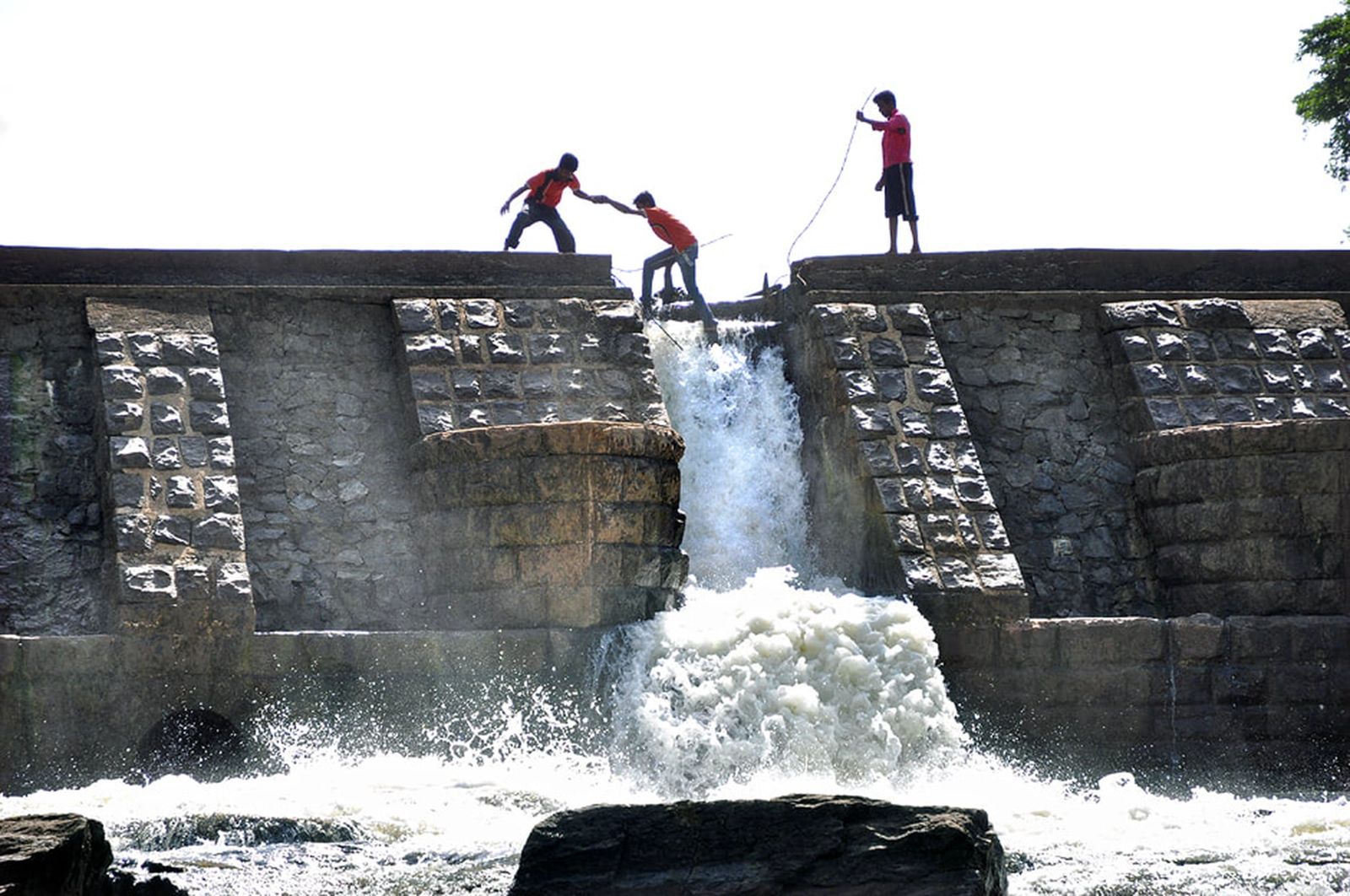
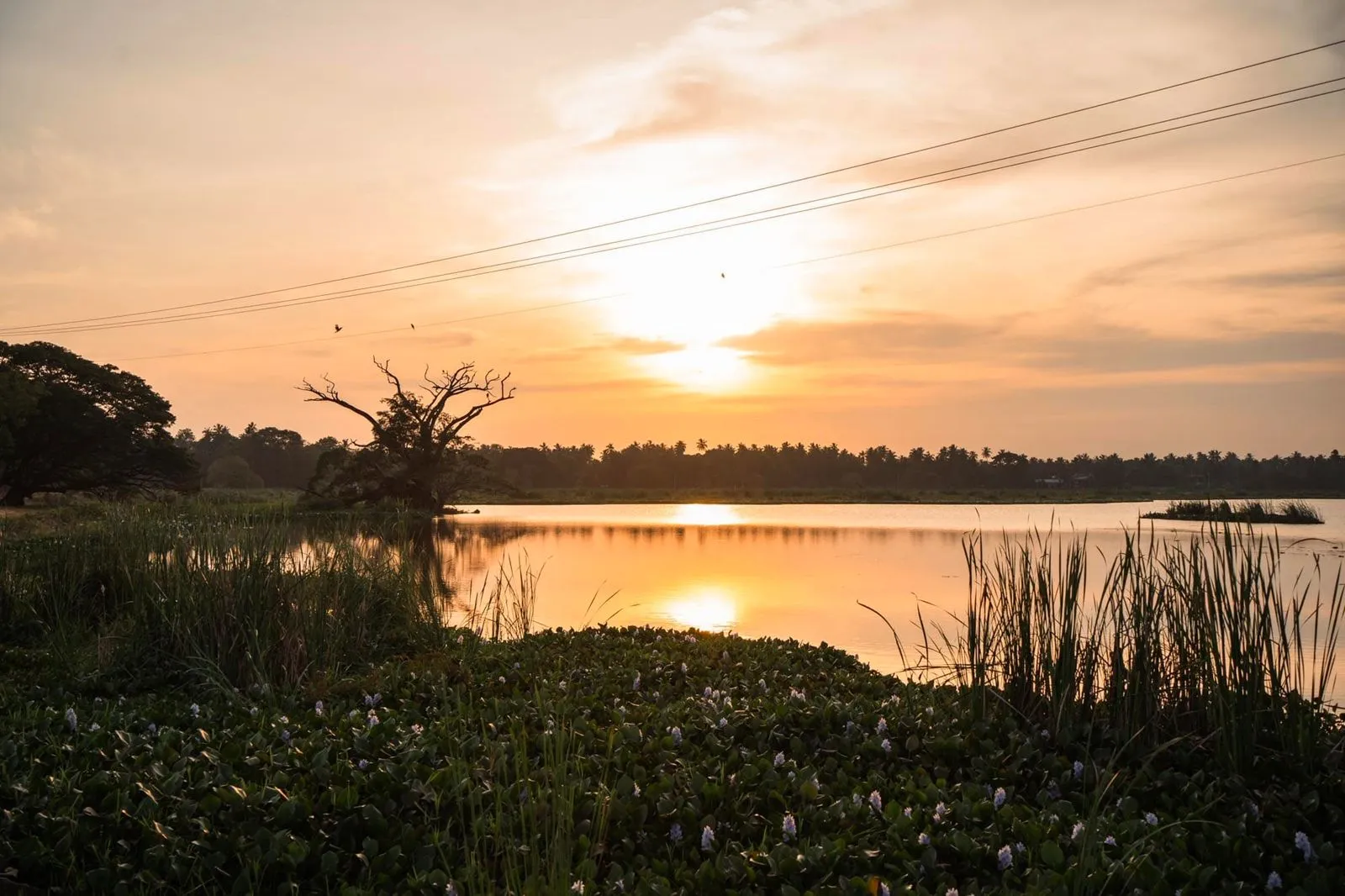
Complementing the wild landscapes of the national park, the Udawalawe Reservoir is a vast, shimmering expanse of water that plays a crucial role in the region's ecosystem and agriculture. This man-made lake, created by damming the Walawe River, is not only a vital source of irrigation for the surrounding paddy fields but also a haven for various bird species and aquatic life. The reservoir's calm waters reflect the sky, creating stunning panoramic views, especially during sunrise and sunset. Boat rides on the reservoir offer a different perspective of the landscape, allowing you to observe birds like pelicans, cormorants, and storks in their natural habitat, often nesting in the submerged trees along the banks. It's a peaceful escape, a stark contrast to the thrilling safari, yet equally captivating. The gentle lapping of the water against the boat, the distant calls of birds, and the cool breeze provide a perfect setting for relaxation and contemplation. The reservoir also supports local fishing communities, and you might spot traditional fishermen casting their nets, adding to the picturesque scenery. The surrounding areas of the reservoir are often frequented by elephants from the national park, particularly during dry seasons, as they seek water and fresh vegetation, offering additional opportunities for wildlife viewing outside the park boundaries. The sheer scale of the reservoir and its contribution to the local environment and livelihood make it a fascinating point of interest.
🐘 Udawalawe Elephant Transit Home: A Sanctuary for Orphans
For those who wish to learn more about elephant conservation, the Udawalawe Elephant Transit Home (ETH) is an incredibly moving and educational experience. This facility, managed by the Department of Wildlife Conservation, cares for orphaned elephant calves found in the wild, providing them with rehabilitation until they are strong and independent enough to be released back into national parks. Visitors can witness the feeding times, typically held four times a day, where baby elephants eagerly guzzle milk from large bottles. It's a heartwarming sight, offering a unique opportunity to observe these magnificent creatures up close and learn about the challenges they face in the wild. The ETH emphasizes minimal human interaction to ensure the elephants retain their natural instincts, crucial for their eventual reintroduction. The stories behind each calf, often victims of human-elephant conflict or abandonment, highlight the importance of conservation efforts. Visiting the ETH provides a tangible way to support these initiatives and gain a deeper appreciation for the dedication of the caretakers. It's an experience that leaves a lasting impression, fostering empathy and a sense of responsibility towards wildlife protection. The guided tours often provide detailed explanations of the elephants' rehabilitation process, their diet, and the specific challenges of raising orphaned calves. It’s not merely a tourist attraction but a vital sanctuary, a beacon of hope for Sri Lanka’s wild elephants.
🌾 Rural Charm and Agricultural Life
Beyond its wildlife attractions, Embilipitiya offers a wonderful opportunity to immerse yourself in the authentic rural life of Sri Lanka. The region is rich in agriculture, with vast paddy fields stretching across the landscape, especially after the monsoon rains when they turn a vibrant green. Driving through the countryside, you'll encounter local farmers tending their crops, buffaloes plowing fields, and traditional village homes. This provides a stark contrast to the bustling cities and offers a glimpse into the slower, more traditional pace of life that still thrives in many parts of the island. Engage with the friendly locals, perhaps even sample some fresh produce from a roadside stall. The community here is largely dependent on agriculture, and their connection to the land is palpable. You might witness traditional harvesting methods or see women winnowing rice. Exploring the villages around Embilipitiya offers a chance to understand the local customs, traditions, and the simple yet fulfilling lifestyle. Many guesthouses and homestays in the area are run by local families, providing an intimate experience of Sri Lankan hospitality and cuisine. These interactions are often the most memorable part of a trip, offering genuine connections and insights into the local culture. The sounds of birdsong, the scent of fresh earth, and the genuine smiles of the villagers create an idyllic atmosphere, inviting visitors to slow down and appreciate the simple beauty of rural existence. It's a chance to disconnect from the digital world and reconnect with nature and humanity.
🏞️ Exploring the Natural Beauty of Surrounding Areas
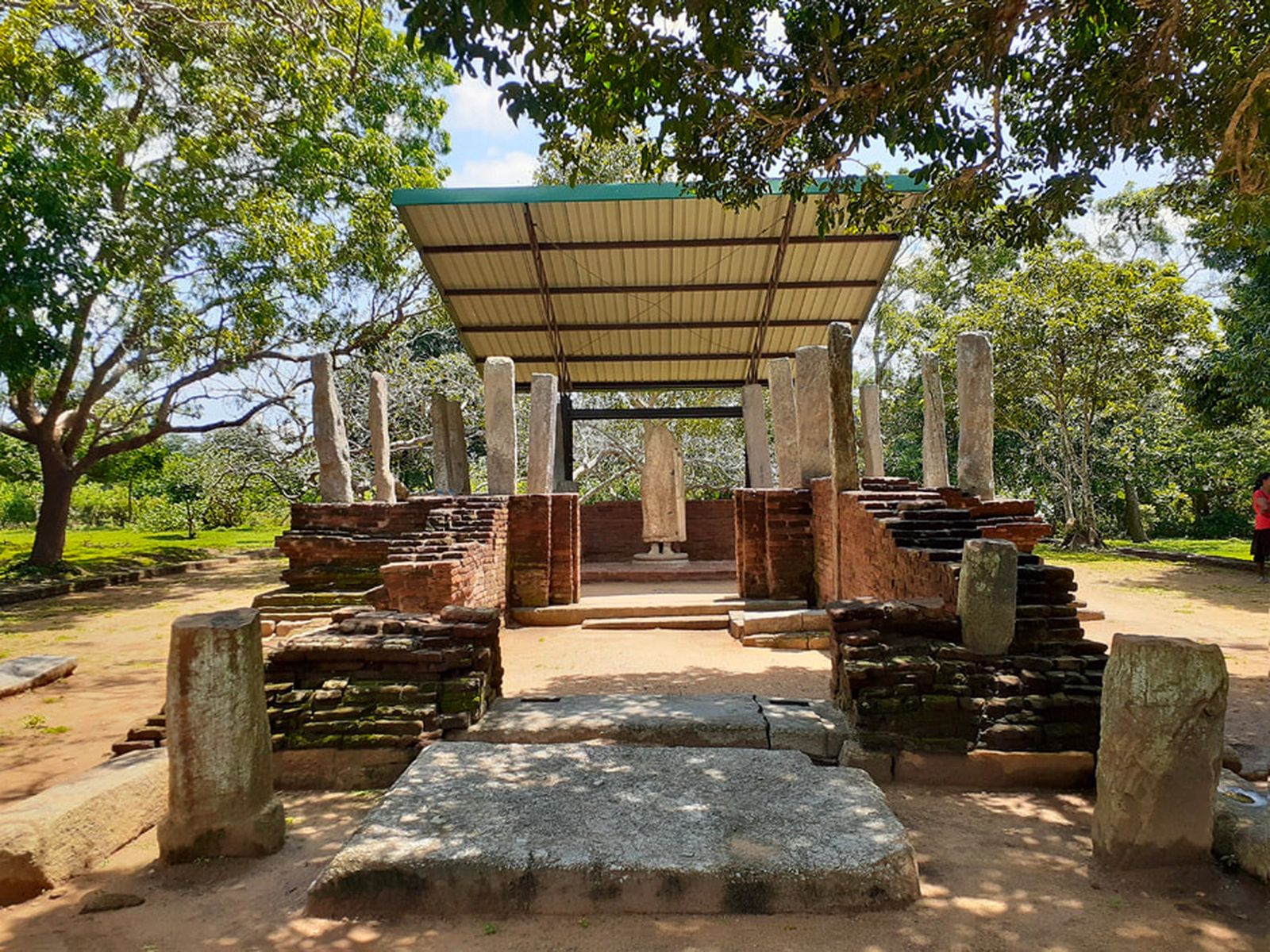
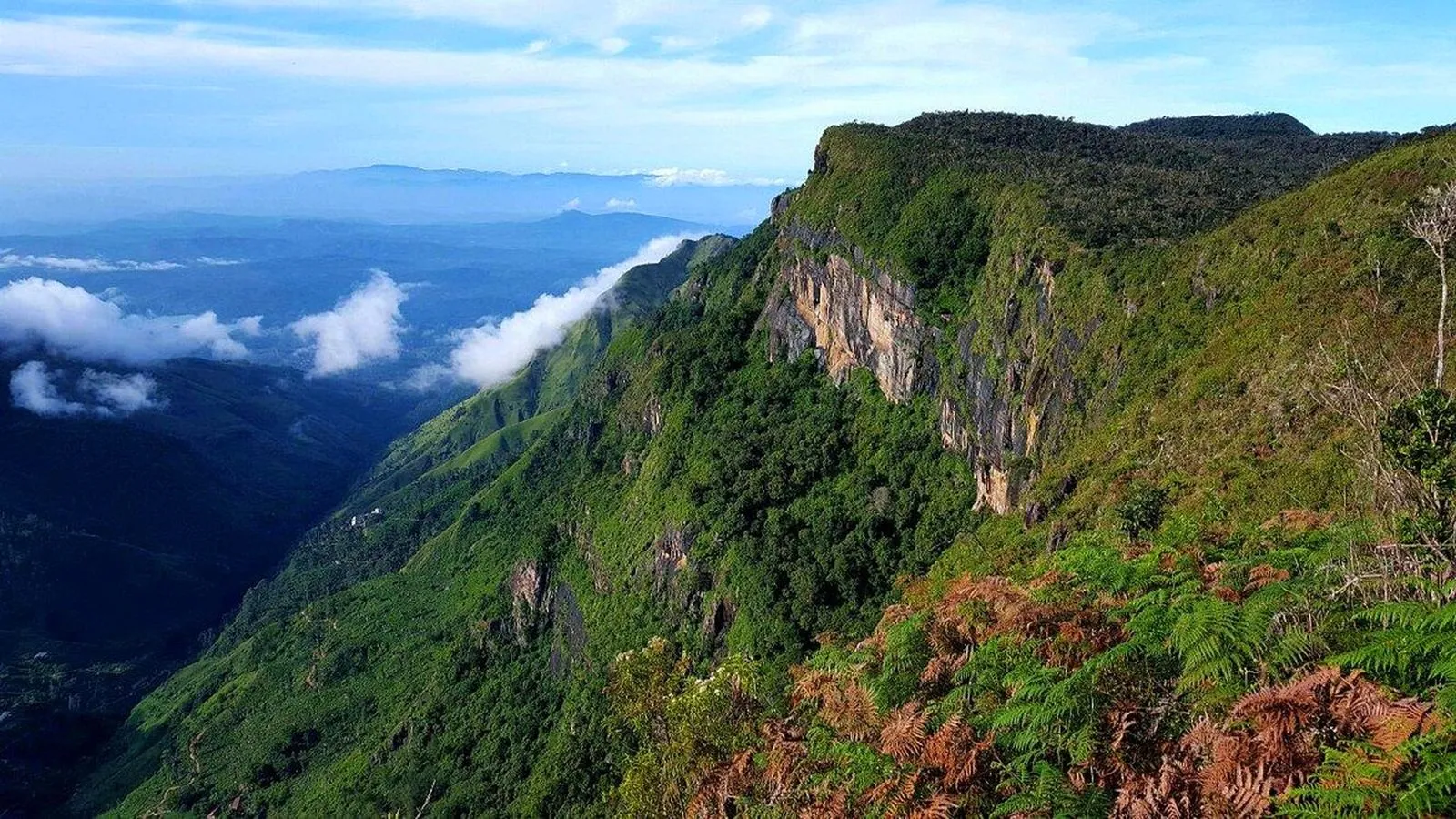
Embilipitiya serves as an excellent base for exploring other natural wonders in the vicinity. While Udawalawe is the main draw, the region itself boasts a diverse landscape. Consider a visit to the nearby Katuwana Fort, a historical site offering insights into Sri Lanka's colonial past, though its remains are less grand than some other forts on the island. For those interested in geology and ancient history, the area around Embilipitiya also holds archaeological significance, with remnants of ancient irrigation systems and settlements. The general topography of the region, with its undulating plains and occasional rocky outcrops, offers scenic drives and opportunities for gentle hikes. Birdwatching enthusiasts will find plenty to delight them even outside the national park, as the numerous small tanks (reservoirs) and agricultural lands attract a variety of resident and migratory birds. The fertile soil and ample water supply contribute to a lush environment, especially during the wet season, transforming the landscape into a vibrant green tapestry. Exploring these lesser-known spots allows for a more comprehensive understanding of the region's ecological and historical richness. These excursions can be tailored to individual interests, whether it's a leisurely walk through a village, a visit to a local market, or simply enjoying the panoramic views from a quiet vantage point. The absence of large crowds in these areas enhances the sense of discovery and tranquility, offering a more personal and reflective travel experience. It's a testament to Sri Lanka's diverse offerings that even a seemingly quiet town like Embilipitiya can be a launching pad for so many enriching explorations.
🍽️ Savoring Local Flavors: Culinary Delights
No visit to Embilipitiya is complete without indulging in the local culinary scene. The region, being agricultural, offers an abundance of fresh produce, which forms the backbone of its delicious cuisine. Expect to savor authentic Sri Lankan rice and curry, a staple meal featuring a generous portion of rice accompanied by several vegetable curries, a meat or fish curry, and various sambols and papadum. The flavors are rich, spicy, and incredibly aromatic, often prepared with freshly ground spices and coconut milk. Look out for local specialties, perhaps even fresh lake fish from the Udawalawe Reservoir, prepared in traditional ways. Roadside eateries and small family-run restaurants offer genuine culinary experiences, often at very affordable prices. Don't shy away from trying lesser-known dishes; ask your guesthouse owner or local guides for recommendations. Fresh tropical fruits, such as mangoes, papayas, and bananas, are readily available and incredibly sweet. For a refreshing treat, try a fresh king coconut, directly from the tree. The culinary journey in Embilipitiya is an integral part of understanding its culture, offering a sensory exploration of its vibrant local ingredients and cooking traditions. Many guesthouses also offer cooking classes, providing an immersive opportunity to learn how to prepare these delectable dishes yourself, taking home not just memories but also new skills. The emphasis on fresh, locally sourced ingredients means every meal is a celebration of the land's bounty, a true farm-to-table experience that delights the palate and nourishes the soul. From humble street food to more elaborate home-cooked meals, the food in Embilipitiya is a delicious reflection of its rich agricultural heritage.