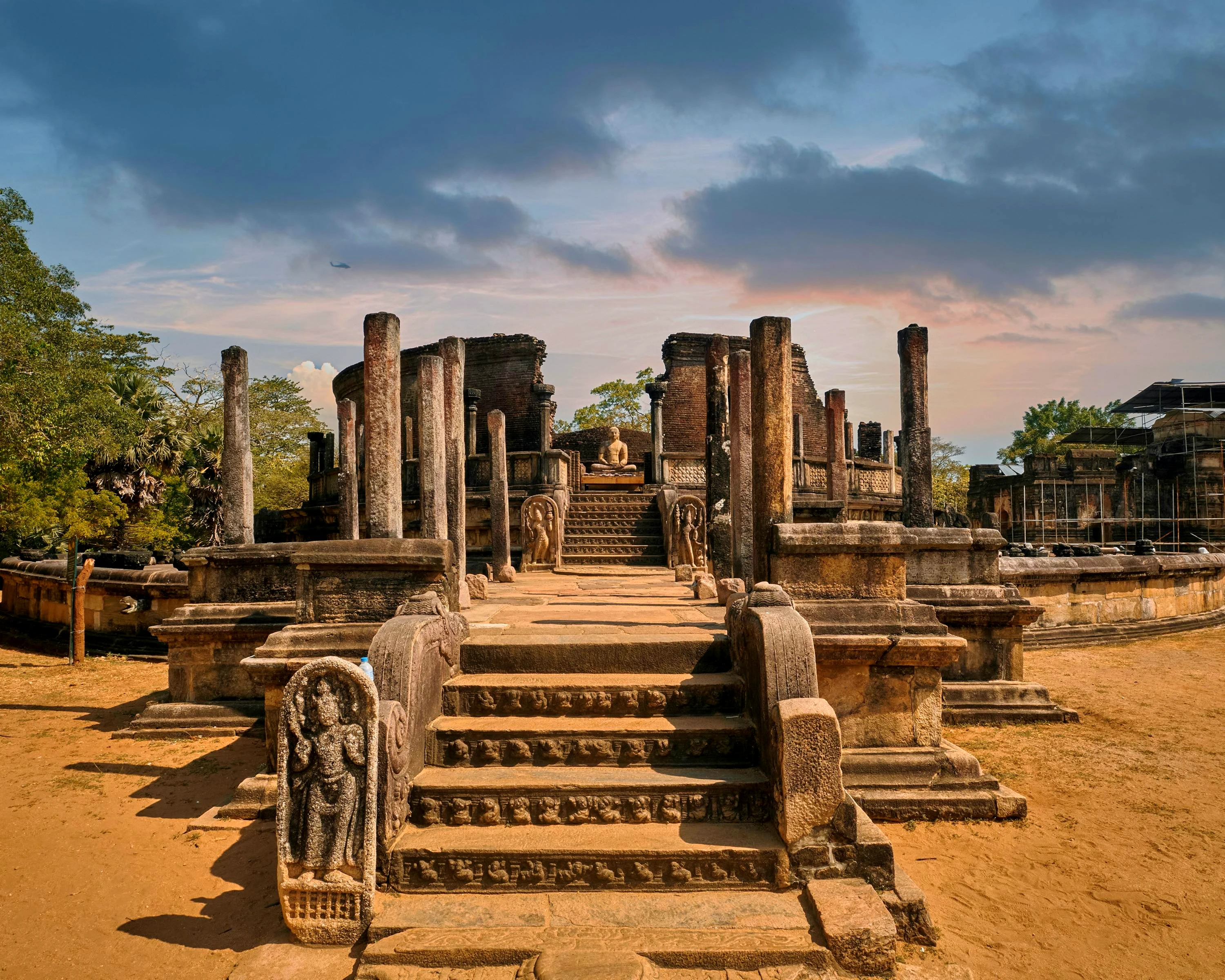
Древний город Полоннарува

Древний город Полоннарува

0.0 · 0 reviews 85 views Last updated Nov 19, 2026
Полоннарува, Полоннарува
0.0Rating
May to SeptemberBest Time
VariableEntry Fee
Half DaySuggested Time
EasyDifficulty
5 minRead Time

Where to stay near Древний город Полоннарува

Compare live prices with our booking partners.

Some links below are affiliate links. If you book through them we may earn a small commission — at no extra cost to you. How this works.

Cost & practical info

Entry fee Variable Confirm current fees on site
Best time to visit May to September
Suggested time Half Day
Difficulty Easy

Prices and opening hours can change — always confirm with the official site before you travel.

The Guide

🏛️ Introduction to Polonnaruwa Ancient City

Step back in time and immerse yourself in the majestic ruins of Polonnaruwa, a UNESCO World Heritage Site and the second ancient capital of Sri Lanka. Nestled amidst lush greenery and serene landscapes in the North Central Province, Polonnaruwa offers a captivating glimpse into a glorious past, where powerful kings ruled and magnificent structures bore witness to a thriving civilization. This sprawling archaeological park is a testament to the island's rich history, boasting an incredible collection of ancient stupas, temples, palaces, and intricate sculptures that have stood the test of time. 🌿

Unlike the more sprawling and rustic Anuradhapura, Polonnaruwa's ruins are remarkably well-preserved and concentrated, making it an incredibly rewarding site to explore. The city flourished between the 10th and 13th centuries AD, reaching its zenith under the reign of King Parakramabahu I, who transformed it into a sophisticated urban center with advanced irrigation systems and monumental architecture. Today, visitors can wander through the royal palace complex, marvel at the colossal Buddha statues of Gal Vihara, and ponder the engineering prowess of ancient Sri Lankans. 📸

👑 The Royal Palace Complex: A Glimpse into Royalty

Begin your journey through Polonnaruwa at the Royal Palace Complex, a fascinating ensemble of structures that once housed the kings and their courts. The most prominent ruin here is the Palace of King Parakramabahu I, a towering seven-story structure, though only the ground floor and parts of the first floor remain today. Imagine the grandeur of this building, with its 50 rooms and elaborate wooden carvings, now only visible through the impressive brick foundations. Adjacent to the palace is the Council Chamber, an elegant hall adorned with stone lions and intricate carvings, where royal decrees were once made. 🦁

Further within the complex, you'll discover the Kumara Pokuna (Royal Bath), a beautifully designed bathing pond fed by underground conduits, showcasing the advanced hydraulic engineering of the era. The Audience Hall, with its stone pillars and lion sculptures, also offers a vivid picture of the courtly life that once thrived here. The sheer scale and detail of these ruins are a testament to the wealth and power of the Polonnaruwa kings. 🌟

🙏 Quadrangle (Dalada Maluwa): The Sacred Heart

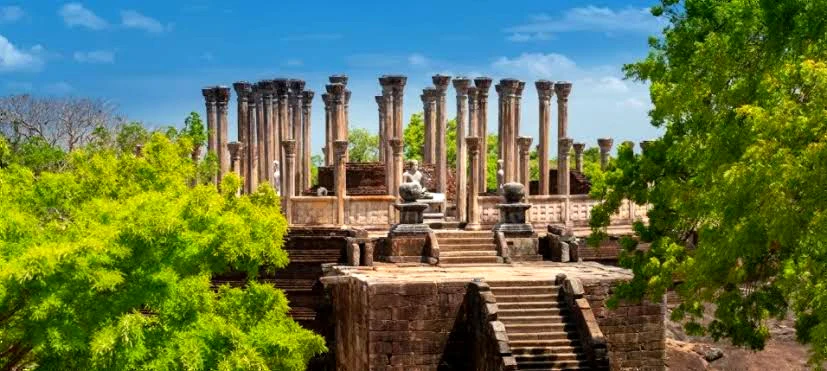
The Quadrangle, also known as the Dalada Maluwa, is arguably the most concentrated and aesthetically pleasing collection of ruins in Polonnaruwa. This elevated terrace houses some of the most significant and well-preserved structures, reflecting the religious devotion of the ancient kings. The Vatadage, a circular relic house, is a masterpiece of Sinhalese architecture, with its concentric rings of beautifully carved pillars and four seated Buddha statues facing the cardinal directions. Its intricate moonstone and guard stones are exquisite examples of ancient craftsmanship. ✨

Nearby, the Thuparama Gedige stands as a magnificent brick image house, housing a large Buddha statue. The Lankathilaka Vihara, another impressive image house, boasts towering walls and a colossal standing Buddha statue, though headless, still exudes a powerful presence. Don't miss the Gal Potha (Stone Book), a massive 26-foot-long stone slab inscribed with the chronicles of King Nissanka Malla, offering valuable historical insights. The Hatadage and Atadage, two other relic houses, complete this sacred precinct, each with its unique architectural charm. 📖

🗿 Gal Vihara: The Rock Temple Masterpiece

No visit to Polonnaruwa is complete without witnessing the breathtaking Gal Vihara (Rock Temple), a series of four magnificent Buddha statues carved out of a single large granite rock face. These sculptures are considered among the finest examples of ancient Sinhalese art. The first is a seated Buddha in meditation, followed by a smaller seated Buddha within a rock cut shrine. The highlight is undoubtedly the colossal standing Buddha, often interpreted as Ananda, the Buddha's chief disciple, deep in contemplation. The final and largest sculpture is a reclining Buddha, depicting the Buddha's Parinirvana (passing away), stretching an impressive 14 meters. The serene expressions and intricate details of these statues are truly awe-inspiring. 🙏

🌊 Parakrama Samudra: The Sea of Parakrama

Beyond the ruins, the engineering marvel of Parakrama Samudra (Sea of Parakrama) dominates the landscape. This massive man-made reservoir, built by King Parakramabahu I, is a testament to the advanced hydraulic knowledge of the ancient Sinhalese. Covering an area of over 5,000 acres, it served as a vital source of irrigation for agriculture and drinking water for the city. Today, it's a picturesque body of water, offering stunning sunset views and a serene atmosphere. You can often spot local fishermen and a variety of birdlife along its shores. 🌅

🌳 Beyond the Main Sites: Exploring Further

While the Royal Palace, Quadrangle, and Gal Vihara are the main attractions, Polonnaruwa offers more to explore. The Shiva Devales (Hindu temples) showcase the influence of South Indian architecture during certain periods. The Pabalu Vehera, a large stupa, and the Rankot Vihara, the fourth-largest stupa in Sri Lanka, are also worth visiting for their impressive scale and historical significance. The Demala Maha Seya, an unfinished stupa, offers a glimpse into the ambitious projects of ancient kings. Exploring Polonnaruwa is an immersive experience, allowing you to connect with a powerful and artistic civilization that shaped the island's destiny. 🚶‍♀️

Allow ample time, ideally a full day, to truly appreciate the grandeur and intricate details of Polonnaruwa. Renting a bicycle is a popular and enjoyable way to navigate the extensive park, allowing you to explore at your own pace and discover hidden gems. The best time to visit is during the cooler, drier months to fully enjoy the outdoor exploration. Polonnaruwa is not just a collection of ruins; it's a journey through time, a place where history whispers from every stone and the spirit of an ancient kingdom still thrives. 🌞

Travel Context

Practical, Sri Lanka-specific detail for Древний город Полоннарува — where it sits, how far it really is, what it costs and how to behave so your visit is welcome.

Where you are

This destination sits in Полоннарува, Полоннарува — Полоннарува District, Sri Lanka. Distances look short on a map but Sri Lankan roads are slow, so plan fewer stops per day than you would at home.

Distance from Colombo

Roughly 230 km by road from Colombo, which is about 6.1 hours depending on traffic, the route and the time of day. The straight-line distance is shorter — allow extra time for hill-country bends, wildlife crossings and roadside stops.

Climate & season

May to September The south and west coasts are driest from December to March; the east coast from April to September. Conditions change quickly in the hill country, where mist and afternoon rain are routine.

What it costs

Entry is listed as Variable. Budget separately for transport, food and any guide. Foreign-visitor tickets at major sites are priced in USD, and card machines are unreliable outside the main towns — carry rupees in small notes.

Etiquette & safety

Keep a respectful distance, stay quiet, and never ask a driver to chase an animal or leave the track. Dawn and late afternoon are the most productive hours, and muted colours help you blend in.

Best Time to Visit

Jan
Feb
Mar
Apr
May
Jun
Jul
Aug
Sep
Oct
Nov
Dec

Local Weather

Polonnaruwa Broken clouds
25°
Feels like 26°C
88% 2.49 km/h
Broken clouds
Keep Exploring

Related Travel Guides

Location & Map

Полоннарува, Полоннарува
Get Directions

Fuel Cost Calculator

How to Get There

🚗 Getting to Polonnaruwa Ancient City

Polonnaruwa is well-connected and accessible from various parts of Sri Lanka. Here's how you can reach this ancient marvel: 🗺️

🚂 By Train:

While Polonnaruwa itself doesn't have a direct train station, the closest major station is in Polonnaruwa Town. From there, you can take a local bus, tuk-tuk, or taxi to reach the ancient city, which is just a few kilometers away. Trains are a scenic and affordable way to travel across Sri Lanka. You can catch trains from Colombo Fort, Kandy, or other major cities to reach Polonnaruwa Town. 🚆

🚌 By Bus:

Buses are a popular and economical mode of transport in Sri Lanka. There are direct bus services to Polonnaruwa from major cities like Colombo, Kandy, Dambulla, and Anuradhapura. The Polonnaruwa bus stand is centrally located, and from there, you can easily find a tuk-tuk or local bus to the archaeological park. Expect a journey of around 4-5 hours from Colombo or Kandy. 🚌

🚘 By Car/Taxi:

Hiring a private car with a driver or taking a taxi is the most comfortable and convenient way to reach Polonnaruwa, especially if you're traveling with family or prefer a more direct route. This option offers flexibility to stop at other attractions along the way. The drive from Colombo takes approximately 4-5 hours, while from Kandy it's about 3-4 hours. Many tour operators also offer guided tours that include transportation. 🚕

🚲 Within Polonnaruwa:

Once you're in Polonnaruwa, the best way to explore the vast ancient city is by bicycle. Rental shops are readily available near the entrance to the archaeological park and in Polonnaruwa Town. Alternatively, you can hire a tuk-tuk for the day to take you between sites, or if you have a private car, your driver can navigate the park roads. The ancient city is quite extensive, so walking the entire site might be challenging for some. 🚴‍♀️

Safety & Travel Tips

👟 Wear Comfortable Shoes: You'll be doing a lot of walking and climbing around ancient ruins. Comfortable, breathable footwear is essential.
☀️ Dress Appropriately: When visiting sacred sites, it's respectful to cover your shoulders and knees. Lightweight, modest clothing is recommended.
🧴 Sun Protection: The Sri Lankan sun can be intense. Bring sunscreen, a hat, and sunglasses to protect yourself.
💧 Stay Hydrated: Carry plenty of water, especially if you're exploring during the hotter parts of the day.
🚲 Rent a Bicycle: This is the most popular and enjoyable way to explore the vast archaeological park. Rental shops are plentiful.
⏰ Start Early: Visit in the morning to beat the heat and the crowds, allowing for a more peaceful exploration.
🎟️ Purchase Tickets: The entrance fee for foreign visitors is significant. Keep your ticket safe as it may be checked at various points.
📸 Photography: Photography is generally allowed, but be respectful and avoid flash photography inside certain temples.
🚶‍♀️ Hire a Guide: Consider hiring a licensed local guide at the entrance to gain deeper insights into the history and significance of the ruins.
💰 Carry Small Denominations: Useful for small purchases, snacks, and tips.
🦟 Insect Repellent: Especially if you're visiting during the rainy season or in the evenings near water bodies.
🍲 Try Local Food: Explore the small eateries in Polonnaruwa Town for authentic Sri Lankan cuisine.
🚗 Plan Your Route: The site is extensive. Have a rough idea of the key attractions you want to see to maximize your time.
🗑️ Respect the Environment: Do not litter and help preserve the beauty of this ancient site.
📵 Be Mindful: While taking photos, remember that these are sacred sites for many.

Sri Lanka Essentials

The things that catch visitors out on a first trip — money, connectivity, transport, health and the small etiquette rules that make a real difference.

Money & payments

The currency is the Sri Lankan rupee (LKR). Cards work in hotels, supermarkets and larger restaurants, but tuk-tuks, small entry gates, beach cafés and village shops are cash-only. Draw from bank ATMs in towns rather than standalone machines, keep small notes for change, and carry enough cash for two days when you head into the hill country or the north.

Connectivity & data

A local tourist SIM (Dialog, Mobitel or Hutch) is cheap and easy to buy at the airport or in any town with your passport. Coverage is good on the coasts and in towns, patchier in the Knuckles, parts of the north and inside national parks. Download offline maps and screenshots of bookings before remote drives.

Getting around

Trains are slow, scenic and very cheap — the hill-country line is the highlight. Buses cover almost everywhere but can be crowded. Tuk-tuks suit short hops; agree the fare first or use a metered app. Private drivers are good value for multi-stop days. Distances take longer than the map suggests: 100 km can easily be three hours.

Health & safety

Dengue is present, so use repellent and cover up at dusk. Drink bottled or filtered water, and be careful with ice in remote places. The sun is strong even when overcast. Pharmacies are common in towns; serious care is concentrated in Colombo. Travel insurance that covers adventure activities is worth having.

Responsible travel

Sri Lanka is small and heavily visited — small choices add up. Refuse plastic bags and single-use bottles where you can, avoid elephant rides and any attraction that chains wildlife, dress modestly at religious sites, and buy directly from local guides, homestays and cafés rather than international middlemen.

Holidays & opening hours

Poya (full moon) days are public holidays: temples are busy, some shops close and the sale of alcohol is restricted. Many archaeological sites open at 7am and close by 5–6pm, and last entry is usually an hour earlier. Check opening days before building a long drive around one site.

Traveler Reviews (0)

Be the first to review Древний город Полоннарува!

✍️ Leave a Review

Frequently Asked

The Polonnaruwa Ancient City is generally open from 7:30 AM to 5:30 PM daily. However, it's always advisable to check the latest timings before your visit, as they can sometimes change.
The entrance fee for foreign visitors to the Polonnaruwa Ancient City is typically around $25-$30 USD (or the equivalent in Sri Lankan Rupees). This fee grants access to all the main archaeological sites within the park.
To fully appreciate the major sites, it's recommended to allocate at least half a day (4-5 hours) to a full day (6-8 hours) for exploring Polonnaruwa Ancient City, especially if you're renting a bicycle and want to take your time.
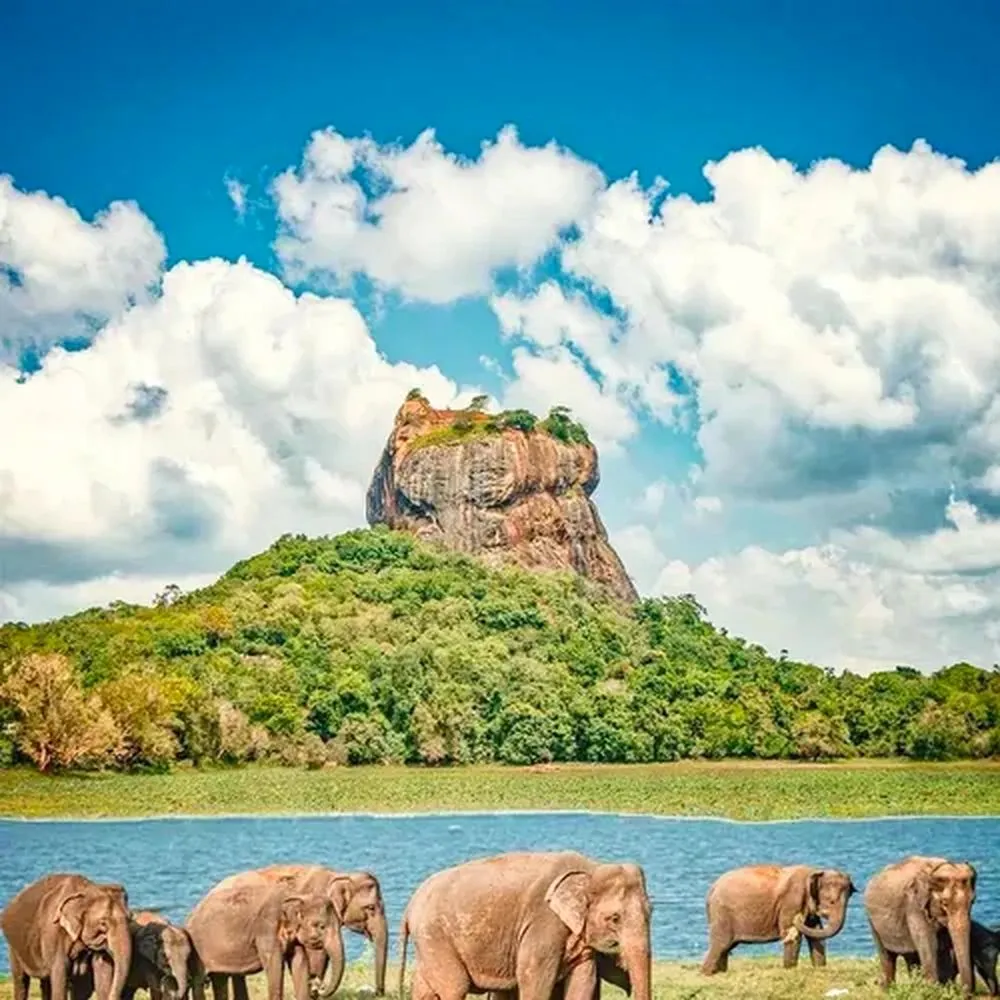
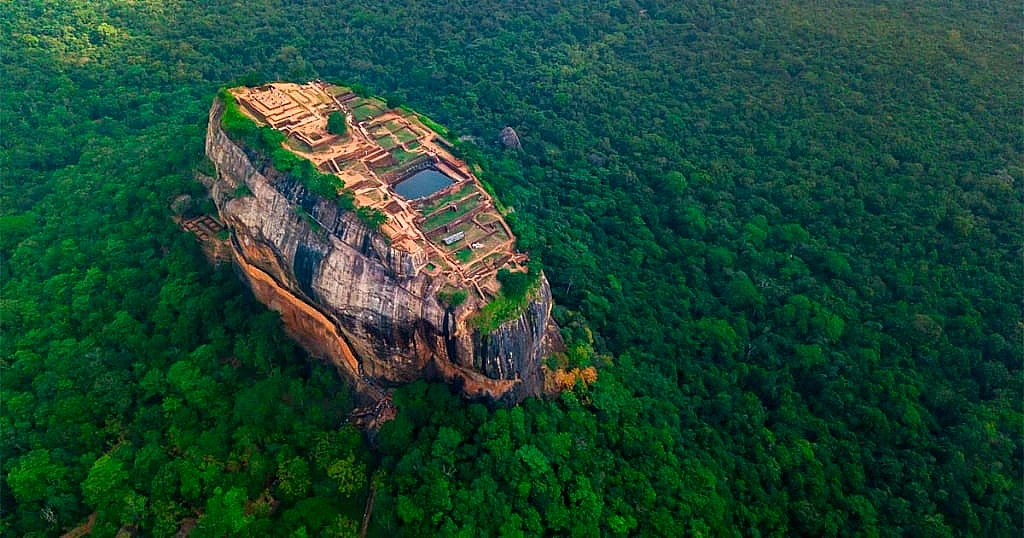
While geographically close, visiting both Polonnaruwa and Sigiriya (Lion Rock) on the same day can be very rushed and tiring. It's generally recommended to dedicate separate days to each site to fully experience their grandeur without feeling exhausted.
The best way to explore the extensive Polonnaruwa Ancient City is by renting a bicycle. This allows you to move at your own pace and cover all the major sites comfortably. Alternatively, you can hire a tuk-tuk for the day.
Weekly Dispatch

Get Travel Inspiration

Hidden gems, local tips & exclusive guides from Sri Lanka, Asia and beyond — delivered to your inbox, weekly.

No spam, ever. Unsubscribe anytime.