The Guide
Contents
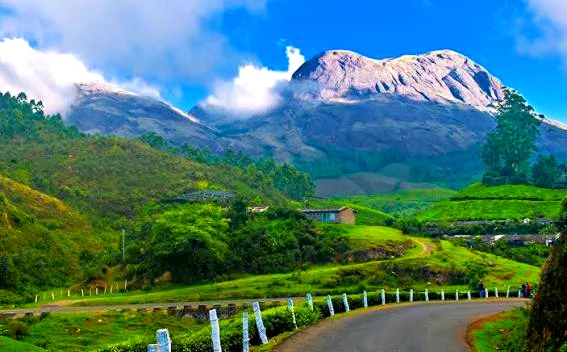
The first thing that greets you upon arrival in Welambadda is the crisp, cool air, carrying the faint, earthy scent of damp soil and distant woodsmoke. It's a gentle embrace after the tropical humidity of the lowlands, a promise of tranquility nestled amidst undulating hills. The air here feels cleaner, lighter, and the immediate visual impact is one of lush, almost impossibly green landscapes stretching as far as the eye can see, punctuated by the deep, rich hues of tea plantations. The gentle rustle of leaves in the breeze and the distant, almost melodic chirping of unseen birds create a soothing symphony, instantly calming the senses and inviting a deeper exploration of this serene corner of Sri Lanka.
⛰️ Embracing Nature's Embrace: Trails and Tea Terraces
Welambadda, while not as widely known as some of Sri Lanka's more prominent hill country destinations, offers an authentic and unspoiled experience for those seeking solace and natural beauty. The region is primarily characterized by its extensive tea estates, which carpet the rolling hillsides in a vibrant emerald green. These plantations aren't just scenic; they are the lifeblood of the local community, providing livelihoods and shaping the cultural fabric of the area. Visitors can spend hours simply wandering through these meticulously manicured fields, observing the tea pluckers at work, their nimble fingers expertly selecting the tender 'two leaves and a bud'. The rhythmic movements and the quiet concentration offer a fascinating glimpse into a centuries-old tradition.
Beyond the tea, Welambadda is a paradise for hikers and nature lovers. Numerous footpaths and trails crisscross the landscape, ranging from easy strolls ideal for families to more challenging treks that reward with panoramic vistas. One particularly rewarding experience is to hike to a vantage point during sunrise or sunset. The play of light and shadow across the undulating terrain, the mist clinging to the valleys, and the sky ablaze with vibrant colours create a truly unforgettable spectacle. It's a photographer's dream and a soul-soothing experience for anyone seeking to reconnect with nature.
The biodiversity here is also noteworthy. While not a designated wildlife park, the surrounding forests and plantations are home to a variety of bird species, making it an excellent spot for birdwatching. Keep an eye out for colourful endemic species flitting through the trees. The occasional sighting of a monkey troop adds to the wild charm, though they are generally shy and keep their distance. The flora is equally diverse, with various indigenous trees, flowering plants, and medicinal herbs thriving in the fertile soil and temperate climate.
☕ A Deep Dive into Tea Culture: From Leaf to Cup
No visit to Welambadda would be complete without delving into the world of Ceylon tea. The region boasts several smaller, family-run tea factories that offer a more intimate and personalized experience compared to the larger, more commercialized operations found elsewhere. These factories often provide guided tours where visitors can witness the entire tea-making process, from the moment the fresh leaves arrive from the fields to the final grading and packaging. The aroma inside a tea factory is intoxicating – a complex blend of fresh tea leaves, processing machinery, and the distinct scent of dried tea. Knowledgeable guides explain each step: withering, rolling, fermenting (oxidation), drying, and sorting. It's an educational journey that deepens appreciation for the humble cup of tea.
Following the factory tour, a tea tasting session is usually offered. This is a chance to sample different grades and varieties of tea produced right there, understanding the subtle nuances in flavour, aroma, and colour. From robust black teas to delicate green teas, and even rare white teas, the experience is a revelation for the palate. Engaging with the local tea workers and understanding their dedication to this craft adds another layer of richness to the visit. Many local guesthouses and homestays also offer tea-related experiences, such as participating in a tea plucking session (often for a small fee) or learning to prepare traditional Sri Lankan tea with local spices.
The local communities around Welambadda are deeply intertwined with the tea industry, and interacting with them provides a genuine insight into rural Sri Lankan life. Their warmth and hospitality are legendary, and visitors often find themselves invited for a cup of tea in a local home, sharing stories and experiencing the simple joys of life in the hills. This cultural immersion is a highlight for many, offering a perspective far removed from typical tourist trails.
💧 Watery Wonders: Cascades and Serene Streams
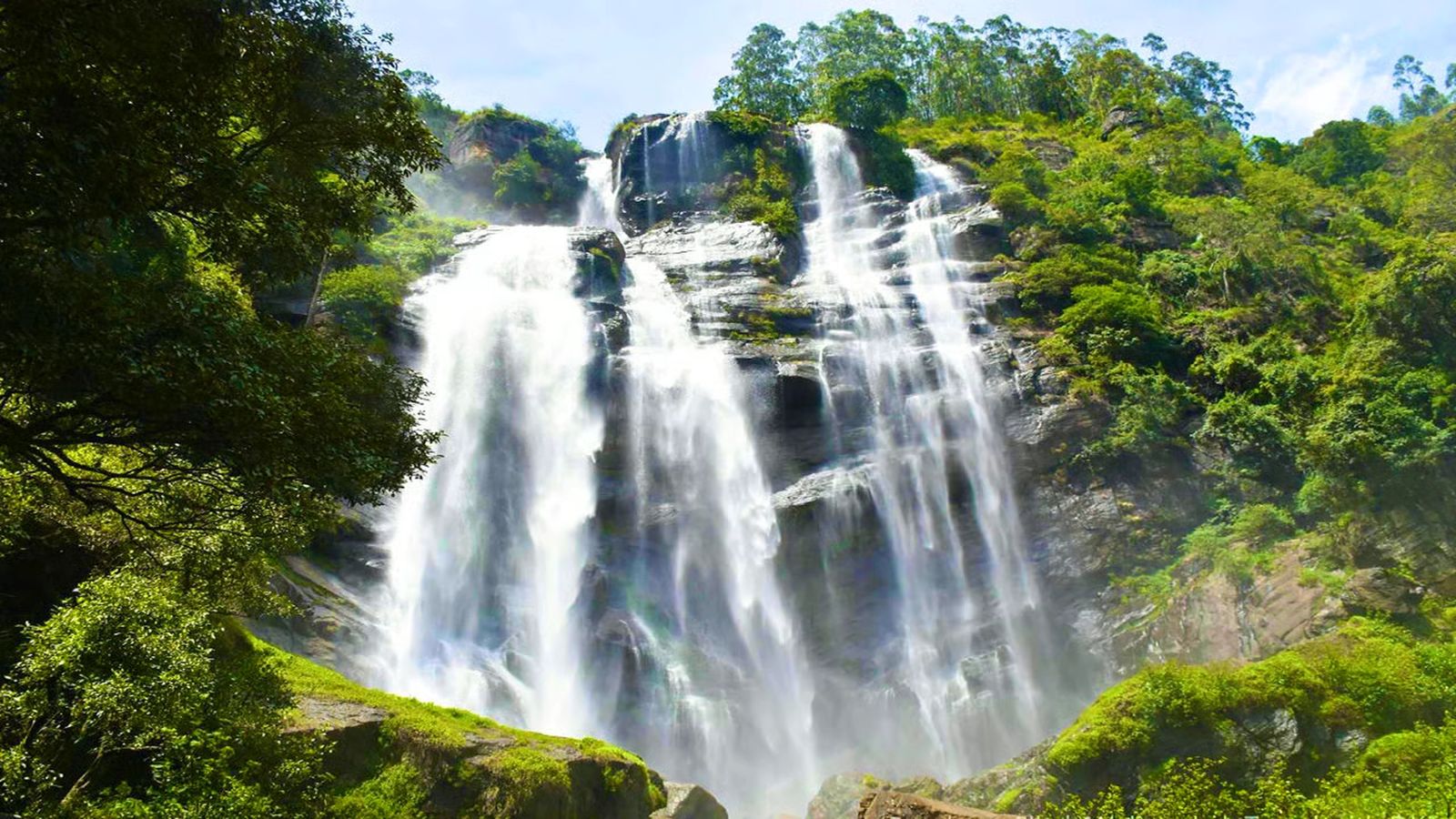
While Welambadda is primarily known for its tea and scenic landscapes, it also holds several delightful natural water features. The region is fed by numerous small streams and rivulets, many of which cascade down the hillsides, forming picturesque waterfalls. These aren't always grand, towering falls but rather charming, multi-tiered cascades that tumble over moss-covered rocks, creating tranquil pools perfect for a refreshing dip on a warm day. Discovering these hidden gems often requires a short trek through the tea estates or dense foliage, adding an element of adventure to the experience. Locals are usually happy to point visitors in the right direction, often sharing tales associated with these natural spots.
One such notable, though perhaps less-known, cascade is often referred to by locals simply as 'Welambadda Ella' (Ella meaning waterfall in Sinhala), although it may not be officially named on maps. Its beauty lies in its accessibility and the serene environment it provides. The sound of rushing water, combined with the verdant surroundings, creates a perfect spot for meditation, a picnic, or simply unwinding away from any hustle and bustle. The water is typically cool and clear, originating from the higher elevations, making it incredibly invigorating. Remember to respect the natural environment and leave no trace behind.
Beyond the waterfalls, the gentle streams that meander through the valleys offer peaceful spots for quiet contemplation. The clear waters, often teeming with small fish, are a testament to the pristine nature of the area. These waterways are vital for the local ecosystem and agriculture, sustaining the tea plants and providing water for the communities. Exploring these watery wonders adds another dimension to the natural allure of Welambadda, showcasing its diverse ecological richness and providing unique opportunities for photography and relaxation.
🏡 Experiencing Local Life: Homestays and Community
One of the most enriching aspects of visiting Welambadda is the opportunity to truly immerse oneself in the local culture. Unlike more developed tourist hubs, Welambadda retains a strong sense of community and authenticity. Many of the accommodation options are homestays or small guesthouses run by local families. Staying in a homestay allows visitors to experience daily life first-hand, often including delicious home-cooked meals featuring traditional Sri Lankan cuisine. The food, prepared with fresh, local ingredients, is a highlight, offering a true taste of the island's culinary heritage.
Engaging with your hosts can lead to invaluable insights into the local way of life, traditions, and the challenges and joys of living in a tea-growing region. They might share stories, teach you a few Sinhala phrases, or even invite you to participate in local activities. This personal connection is what makes a visit to Welambadda so memorable and distinct. It's an opportunity to move beyond superficial sightseeing and genuinely connect with the people and their culture.
The small villages scattered around Welambadda are vibrant hubs of activity, albeit a gentle, unhurried kind. You'll see children playing, neighbours chatting, and the daily rhythm of rural life unfolding. Visiting local markets, if available, is another way to experience the community spirit and find fresh produce, spices, and perhaps some handmade crafts. Supporting local businesses, whether through staying at a homestay, eating at a small eatery, or buying local products, directly contributes to the well-being of the community and helps preserve the authentic charm of the region. This ethical tourism approach ensures that your visit has a positive impact, fostering a sustainable relationship between visitors and the local population.
🌟 Beyond the Beaten Path: Unearthing Hidden Charms
Welambadda's appeal lies precisely in its 'off the beaten path' nature. It’s not a destination packed with grand, historical sites or adrenaline-pumping activities, but rather a place for quiet reflection, gentle exploration, and genuine cultural exchange. Its hidden charms reveal themselves slowly, rewarding those who take the time to look deeper and engage with their surroundings. The absence of large crowds allows for a more intimate connection with nature and local life, making every encounter feel personal and authentic.
For instance, simply taking a leisurely walk along a quiet country road, watching the mist roll in over the hills in the late afternoon, or observing a local farmer tend to their crops can be as enriching as visiting a major landmark. These are the moments that truly define the Welambadda experience – moments of peace, beauty, and genuine human connection. The starry nights here are also spectacular, far from the light pollution of cities, offering a breathtaking canvas of constellations that invites stargazing and quiet contemplation.
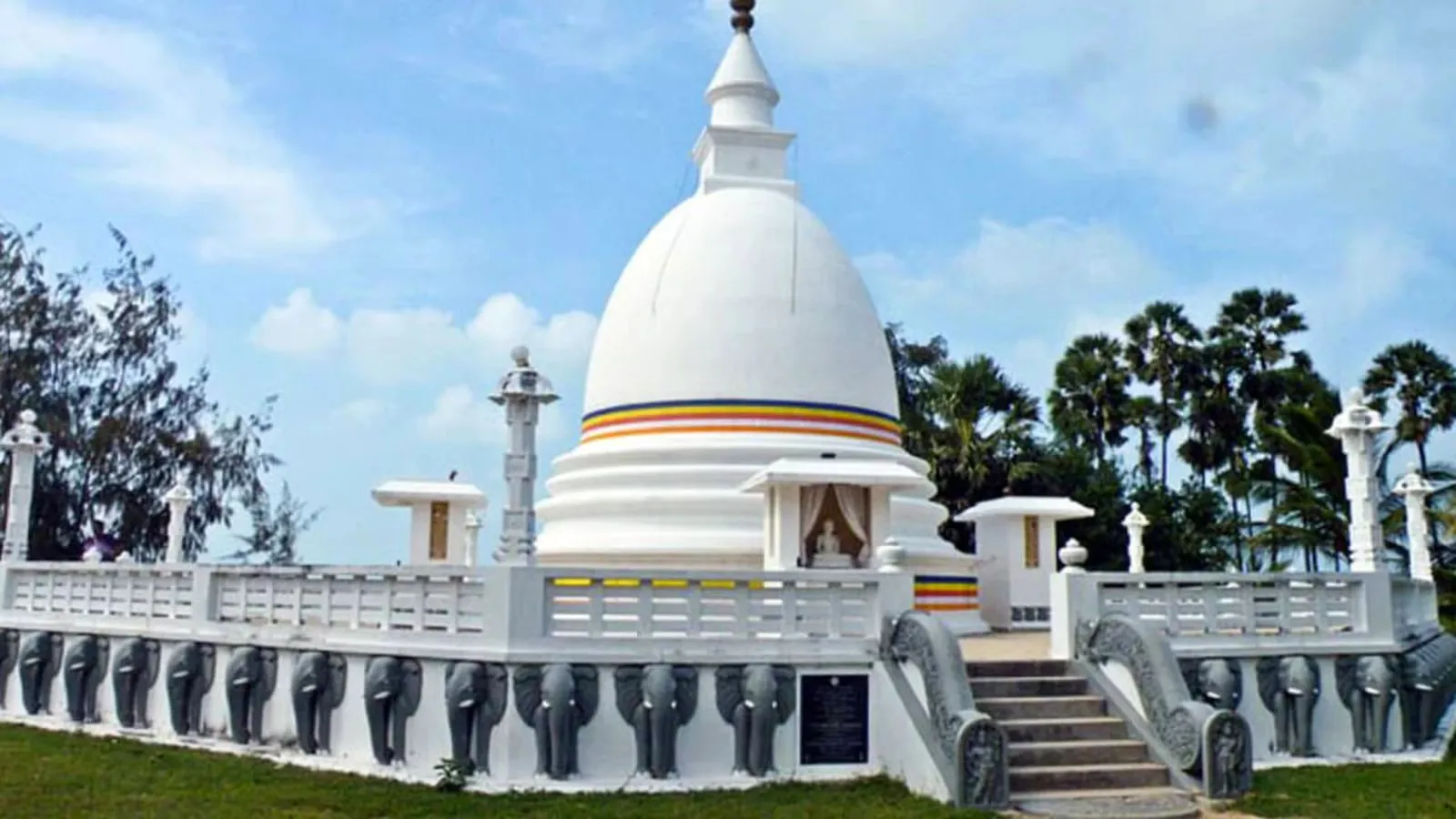
Even discovering a small, local shrine or temple nestled among the trees can be a profound experience, offering a glimpse into the spiritual life of the community. These places are often simple, unadorned, yet imbued with a deep sense of devotion and history. They serve as quiet reminders of the enduring traditions and beliefs that shape the lives of the people in this tranquil corner of Sri Lanka. Welambadda is a destination for the discerning traveler, for those who value authenticity, natural beauty, and a peaceful escape from the everyday, promising memories that linger long after the journey ends.