Kumana Nationaal Park

Kumana Nationaal Park

0.0 · 0 reviews 142 views Last updated Nov 19, 2026
Pottuvil, Ampara
0.0Rating
April to JulyBest Time
HighEntry Fee
Full DaySuggested Time
ModerateDifficulty
5 minRead Time

Where to stay near Kumana Nationaal Park

Compare live prices with our booking partners.

Some links below are affiliate links. If you book through them we may earn a small commission — at no extra cost to you. How this works.

Cost & practical info

Entry fee High Confirm current fees on site
Best time to visit April to July
Suggested time Full Day
Difficulty Moderate

Prices and opening hours can change — always confirm with the official site before you travel.

The Guide

🌿 Introduction to Kumana National Park

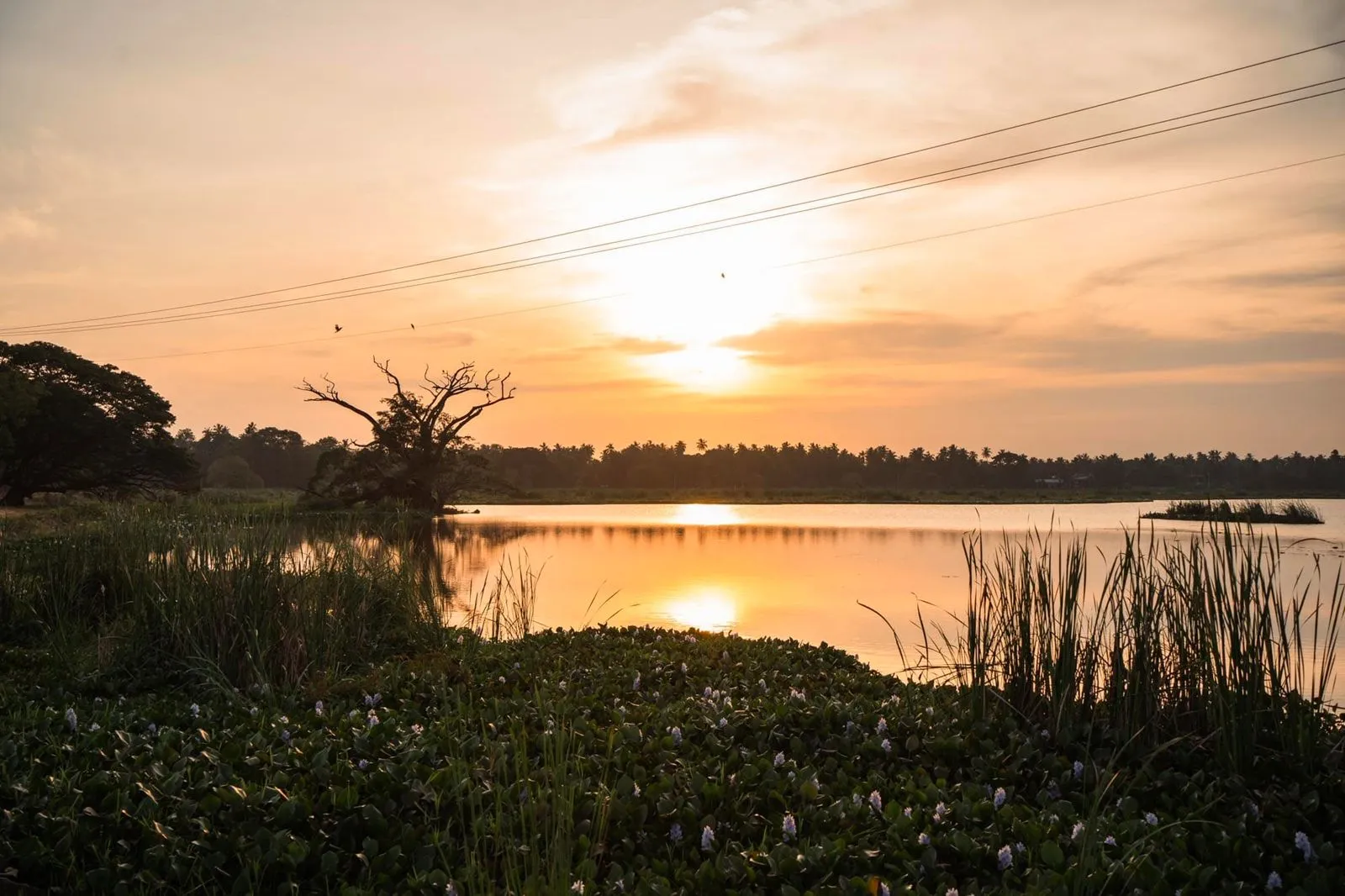
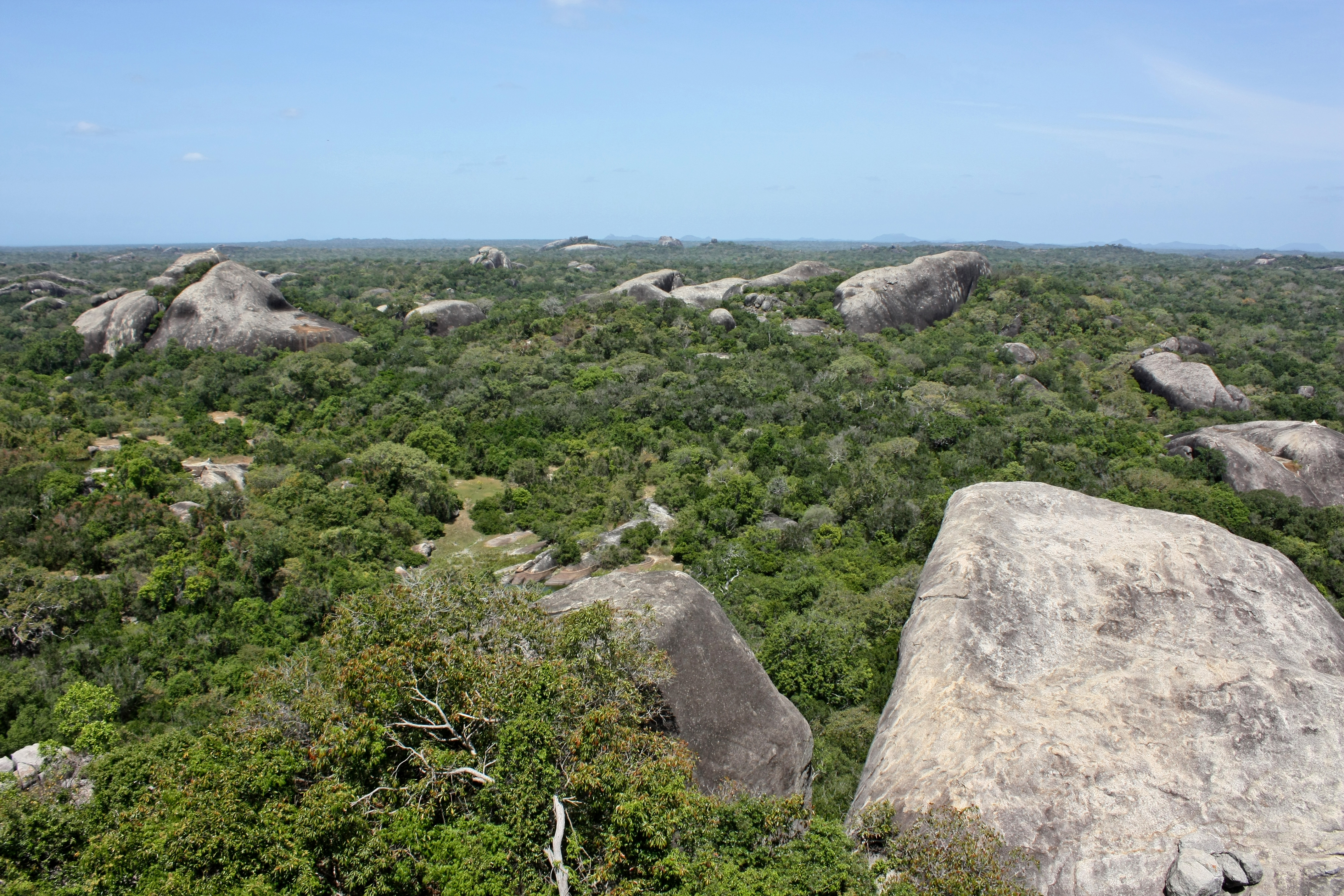
Welcome to Kumana National Park, a true avian paradise nestled on Sri Lanka's southeastern coast, adjacent to the more famous Yala National Park. While Yala often steals the limelight, Kumana offers a more serene and equally captivating wildlife experience, particularly for bird enthusiasts. This remarkable park is renowned for its diverse birdlife, especially during the migratory season, making it a must-visit destination for anyone seeking an authentic encounter with Sri Lanka's natural beauty. Spanning an area of approximately 35,664 hectares, Kumana is characterized by a mosaic of dry zone forests, thorny scrublands, and a vital wetland ecosystem, dominated by the Kumana Villu – a natural swamp lake fed by the Kumbukkan Oya. This villu is the lifeblood of the park, attracting a spectacular array of waterbirds and other wildlife.

Historically, Kumana has been a significant site for both wildlife and human activity, with evidence of ancient civilizations found within its boundaries. Today, it stands as a testament to successful conservation efforts, protecting a unique blend of flora and fauna. The park's relatively untouched status provides a more intimate and less crowded safari experience compared to some of its counterparts, allowing visitors to truly immerse themselves in the sights and sounds of the wilderness. Imagine the thrill of spotting a rare migratory bird, the quiet rustle of an elephant moving through the bushes, or the vibrant flash of a peacock's plumage against the green backdrop. Kumana promises these moments and more, etching unforgettable memories into the hearts of its visitors.

🐦 Avian Wonders of Kumana

Kumana National Park is undeniably a birdwatcher's dream. The Kumana Villu, a 200-hectare natural swamp, is the central attraction, serving as a vital breeding and feeding ground for an incredible diversity of resident and migratory birds. During the migratory season, typically from April to July, the park transforms into a bustling avian metropolis, with thousands of birds flocking to its wetlands. You can expect to see a dazzling array of species, including painted storks, Eurasian spoonbills, great egrets, intermediate egrets, little egrets, purple herons, grey herons, Indian pond herons, and black-crowned night herons. The sight of these birds wading in the shallow waters, expertly hunting for fish and insects, is truly mesmerizing. Keep an eye out for the striking lesser adjutant, a large stork that is a resident breeder here, and the rare black-necked stork.

Beyond the waterbirds, the park's dry zone forests and scrublands are home to a plethora of terrestrial bird species. Look for majestic peacocks displaying their vibrant feathers, the elusive jungle fowl, various species of kingfishers, bee-eaters, barbets, and a wide range of raptors such as white-bellied sea eagles and crested serpent eagles soaring high above. The sheer volume and variety of birdlife make every safari an exciting treasure hunt, with new species appearing around every bend. Binoculars are an absolute essential for any visit to Kumana, allowing you to get up close and personal with these feathered marvels without disturbing their natural habitat. The early morning hours are particularly rewarding for birdwatching, as the cool air and soft light bring out the most activity.

🐘 Mammals and More

While birds are the stars of Kumana, the park is also home to a significant population of mammals, offering a comprehensive wildlife experience. The Sri Lankan elephant 🐘, though perhaps not as frequently seen as in Yala, roams the park, and sightings of these magnificent creatures are always a highlight. Keep your eyes peeled for herds moving gracefully through the vegetation or even bathing in the waterholes. The elusive Sri Lankan leopard 🐆, though shy, also inhabits Kumana, and while sightings are rarer than in Yala, the thrill of potentially spotting one adds an extra layer of excitement to your safari. Other commonly seen mammals include spotted deer (Chital) 🦌, wild boar 🐗, sambar, buffalo, and golden jackals. You might also encounter various species of monkeys, such as the grey langur and toque macaque, playfully swinging through the trees.

The park's wetlands are also home to reptiles, including crocodiles 🐊, which can often be seen basking on the banks of the Kumana Villu or in other water bodies. Monitor lizards are also a common sight, scuttling across the paths. The diverse ecosystem supports a rich tapestry of life, from tiny insects to large predators, making every safari an unpredictable and exhilarating adventure. The interaction between different species, the predator-prey dynamics, and the sheer resilience of nature are all on full display in Kumana. A good safari guide will be invaluable in helping you spot these creatures and providing insights into their behavior and habitat.

🗓️ Best Time to Visit & Safari Experience

The best time to visit Kumana National Park for birdwatching is during the migratory season, which typically runs from April to July. During these months, the Kumana Villu is teeming with thousands of migratory birds, creating a spectacular display. However, the park offers excellent wildlife viewing opportunities throughout the year. The dry season (May to September) is generally good for spotting mammals as they congregate around the remaining water sources. The wet season (October to January) brings lush greenery and can also be rewarding, though some tracks might be more challenging to navigate.

Safaris in Kumana are conducted in open-top jeeps, accompanied by experienced drivers and guides. These jeeps provide excellent vantage points for wildlife viewing and photography 📸. It's recommended to book your safari in advance, especially during peak season. Early morning safaris (starting around 6:00 AM) and late afternoon safaris (starting around 2:30 PM) are generally the most productive, as animals are most active during these cooler hours. A typical safari lasts around 3-4 hours, giving you ample time to explore the park's diverse habitats. Remember to bring your camera, binoculars, and plenty of water!

🌳 Conservation and Sustainability

Kumana National Park plays a crucial role in Sri Lanka's conservation efforts. Its protection ensures the survival of numerous endemic and migratory species, contributing significantly to global biodiversity. The park is managed by the Department of Wildlife Conservation, which implements various initiatives to protect its ecosystems and wildlife. Visitors are encouraged to practice responsible tourism, respecting the park's rules and regulations, such as staying on designated tracks, not littering, and maintaining a safe distance from animals. By choosing to visit Kumana, you are directly supporting these conservation efforts and contributing to the preservation of this magnificent natural heritage for future generations. Let's ensure that the pristine beauty of Kumana continues to thrive. 🙏


Travel Context

Practical, Sri Lanka-specific detail for Kumana Nationaal Park — where it sits, how far it really is, what it costs and how to behave so your visit is welcome.

Where you are

This destination sits in Pottuvil, Ampara — Ampara District, Sri Lanka. Distances look short on a map but Sri Lankan roads are slow, so plan fewer stops per day than you would at home.

Distance from Colombo

Roughly 280 km by road from Colombo, which is about 7.4 hours depending on traffic, the route and the time of day. The straight-line distance is shorter — allow extra time for hill-country bends, wildlife crossings and roadside stops.

Climate & season

April to July The south and west coasts are driest from December to March; the east coast from April to September. Conditions change quickly in the hill country, where mist and afternoon rain are routine.

What it costs

Entry is listed as High. Budget separately for transport, food and any guide. Foreign-visitor tickets at major sites are priced in USD, and card machines are unreliable outside the main towns — carry rupees in small notes.

Etiquette & safety

Keep a respectful distance, stay quiet, and never ask a driver to chase an animal or leave the track. Dawn and late afternoon are the most productive hours, and muted colours help you blend in.

Best Time to Visit

Jan
Feb
Mar
Apr
May
Jun
Jul
Aug
Sep
Oct
Nov
Dec

Local Weather

Wattegama Scattered clouds
28°
Feels like 30°C
76% 2.88 km/h
Scattered clouds
Keep Exploring

Related Travel Guides

Location & Map

Pottuvil, Ampara
Get Directions

Fuel Cost Calculator

How to Get There

🚗 Getting to Kumana National Park

Kumana National Park is located on the southeastern coast of Sri Lanka, making it accessible primarily by road. The park entrance is near Panama and Okanda, south of Pottuvil.

  • By Car/Taxi 🚕: This is the most convenient and recommended way to reach Kumana. From Colombo, it's approximately a 7-8 hour drive (around 350-400 km) via the Southern Expressway and then inland. You can hire a private car with a driver or a taxi for a comfortable journey. From popular tourist hubs like Ella or Arugam Bay, the drive will be significantly shorter. From Arugam Bay, it's about a 1-1.5 hour drive.
  • By Bus 🚌: While possible, taking a bus to Kumana involves multiple transfers and can be time-consuming. You would typically take a bus to Pottuvil or Arugam Bay first. From Pottuvil, you would then need to arrange a tuk-tuk or taxi to the park entrance. Direct buses to the park entrance are not available.
  • By Train 🚂: There is no direct train access to Kumana National Park. The closest major train station would be Bibile or Badulla, from where you would need to arrange a taxi or bus connection to Pottuvil/Arugam Bay, and then further to the park. This option is generally not recommended for direct travel to Kumana due to the long onward journey.

It's advisable to arrange your safari jeep from a reliable operator in advance, and they can often assist with transport logistics from nearby towns like Arugam Bay or Pottuvil to the park entrance.

Safety & Travel Tips

Book Safaris in Advance 🗓️: Especially during peak season (April-July), it's wise to book your safari jeep and guide well ahead of time to avoid disappointment.
Go Early or Late 🌅: The best times for wildlife viewing are early mornings (6:00 AM onwards) and late afternoons (2:30 PM onwards) when animals are most active.
Bring Binoculars and Camera 📸: Kumana is a birdwatcher's paradise, so good binoculars are essential. A telephoto lens for your camera will also be very useful.
Wear Appropriate Clothing 👕: Light, comfortable clothing in neutral colors (greens, browns, greys) is recommended to blend in with the environment. A hat and sunglasses are also good for sun protection.
Stay Hydrated 💧: Carry plenty of water, especially during the dry season. It can get very hot inside the park.
Respect Wildlife 🌿: Maintain a safe distance from animals, do not feed them, and follow your guide's instructions. Keep noise to a minimum.
No Littering 🗑️: Help keep the park clean. Carry out everything you carry in.
Sun Protection ☀️: Apply sunscreen generously, even on cloudy days, as you'll be exposed to the sun for several hours.
Insect Repellent 🦟: Essential, especially during the wet season or if you are prone to insect bites.
Cash is King 💰: While safari operators might accept digital payments, it's always good to have some local currency (LKR) for smaller purchases or tips.
Stay on Designated Tracks 🛣️: For your safety and the protection of the environment, always stay within the designated safari tracks.
Consider a Multi-Day Visit 🏕️: If you're a serious birdwatcher or wildlife enthusiast, consider spending two days to maximize your chances of spotting diverse species.

Nearby Amenities

Accommodation 🏨: There are no hotels within Kumana National Park itself. The closest accommodations range from guesthouses and budget hotels to more upscale resorts in Arugam Bay and Pottuvil. Arugam Bay offers a wide variety of options catering to different budgets, from surf camps to boutique hotels.
Restaurants & Food 🍽️: You'll find numerous restaurants, cafes, and local eateries in Arugam Bay and Pottuvil offering Sri Lankan cuisine, fresh seafood, and international dishes. It's advisable to have your meals before or after your safari. Some safari operators might offer packed breakfast or lunch options, which should be arranged in advance.
Hospitals & Clinics 🏥: Basic medical facilities and pharmacies can be found in Pottuvil. For more serious medical emergencies, you might need to travel to larger towns like Ampara. It's always wise to carry a basic first-aid kit.
ATMs & Banks 🏦: ATMs are available in Pottuvil and Arugam Bay. It's recommended to withdraw enough cash before heading towards the park, as facilities might be limited once you're closer to the entrance.
Fuel Stations ⛽: Fuel stations are available in Pottuvil and along the main roads leading to the area. Ensure your vehicle has sufficient fuel before entering the park.
Grocery Stores & Shops 🛒: Basic grocery stores and small shops for essentials can be found in Pottuvil and Arugam Bay.
Safari Operators 🚙: Many safari operators are based in Arugam Bay and Pottuvil, offering jeep rentals and guided tours to Kumana.

Sri Lanka Essentials

The things that catch visitors out on a first trip — money, connectivity, transport, health and the small etiquette rules that make a real difference.

Money & payments

The currency is the Sri Lankan rupee (LKR). Cards work in hotels, supermarkets and larger restaurants, but tuk-tuks, small entry gates, beach cafés and village shops are cash-only. Draw from bank ATMs in towns rather than standalone machines, keep small notes for change, and carry enough cash for two days when you head into the hill country or the north.

Connectivity & data

A local tourist SIM (Dialog, Mobitel or Hutch) is cheap and easy to buy at the airport or in any town with your passport. Coverage is good on the coasts and in towns, patchier in the Knuckles, parts of the north and inside national parks. Download offline maps and screenshots of bookings before remote drives.

Getting around

Trains are slow, scenic and very cheap — the hill-country line is the highlight. Buses cover almost everywhere but can be crowded. Tuk-tuks suit short hops; agree the fare first or use a metered app. Private drivers are good value for multi-stop days. Distances take longer than the map suggests: 100 km can easily be three hours.

Health & safety

Dengue is present, so use repellent and cover up at dusk. Drink bottled or filtered water, and be careful with ice in remote places. The sun is strong even when overcast. Pharmacies are common in towns; serious care is concentrated in Colombo. Travel insurance that covers adventure activities is worth having.

Responsible travel

Sri Lanka is small and heavily visited — small choices add up. Refuse plastic bags and single-use bottles where you can, avoid elephant rides and any attraction that chains wildlife, dress modestly at religious sites, and buy directly from local guides, homestays and cafés rather than international middlemen.

Holidays & opening hours

Poya (full moon) days are public holidays: temples are busy, some shops close and the sale of alcohol is restricted. Many archaeological sites open at 7am and close by 5–6pm, and last entry is usually an hour earlier. Check opening days before building a long drive around one site.

Traveler Reviews (0)

Be the first to review Kumana Nationaal Park!

✍️ Leave a Review

Frequently Asked

Kumana National Park is most famous for its rich avian diversity, particularly for being a vital nesting and breeding ground for thousands of migratory birds, especially around the Kumana Villu (swamp lake).
The best time for birdwatching in Kumana National Park is during the migratory season, which typically runs from April to July, when the Kumana Villu is teeming with a vast array of bird species.
Yes, Kumana National Park is home to both leopards and elephants, though sightings of leopards can be rarer compared to Yala National Park. Elephants are more commonly seen, especially during the dry season.
Yes, Kumana National Park can be a fantastic experience for families, offering an exciting opportunity for children to learn about wildlife and nature. Ensure children are supervised and follow all safety guidelines during the safari.
Yes, it is mandatory to hire a safari jeep with an experienced driver and a tracker/guide when entering Kumana National Park. They are essential for navigating the park and spotting wildlife.
Weekly Dispatch

Get Travel Inspiration

Hidden gems, local tips & exclusive guides from Sri Lanka, Asia and beyond — delivered to your inbox, weekly.

No spam, ever. Unsubscribe anytime.