The Guide
Contents
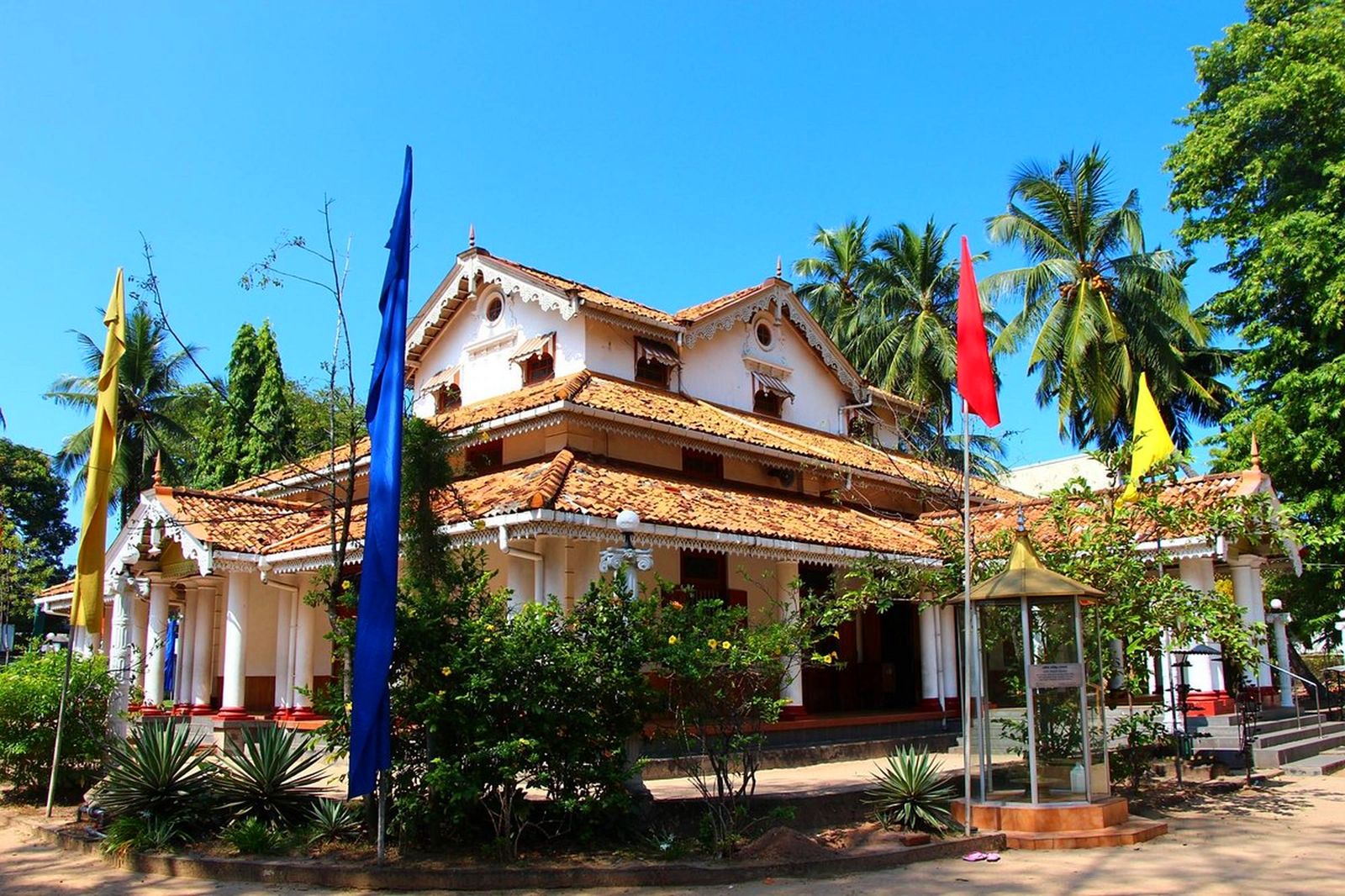
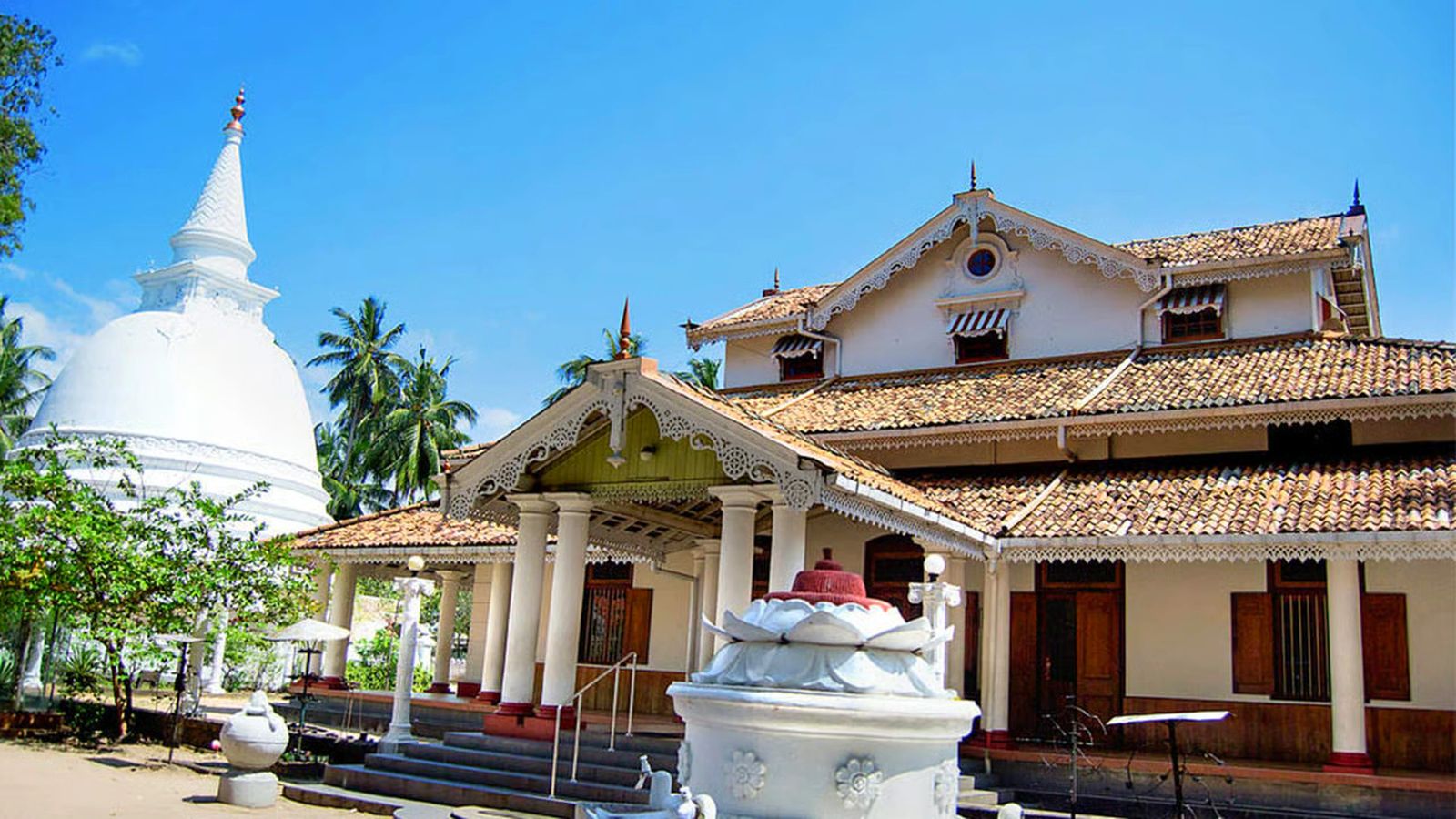
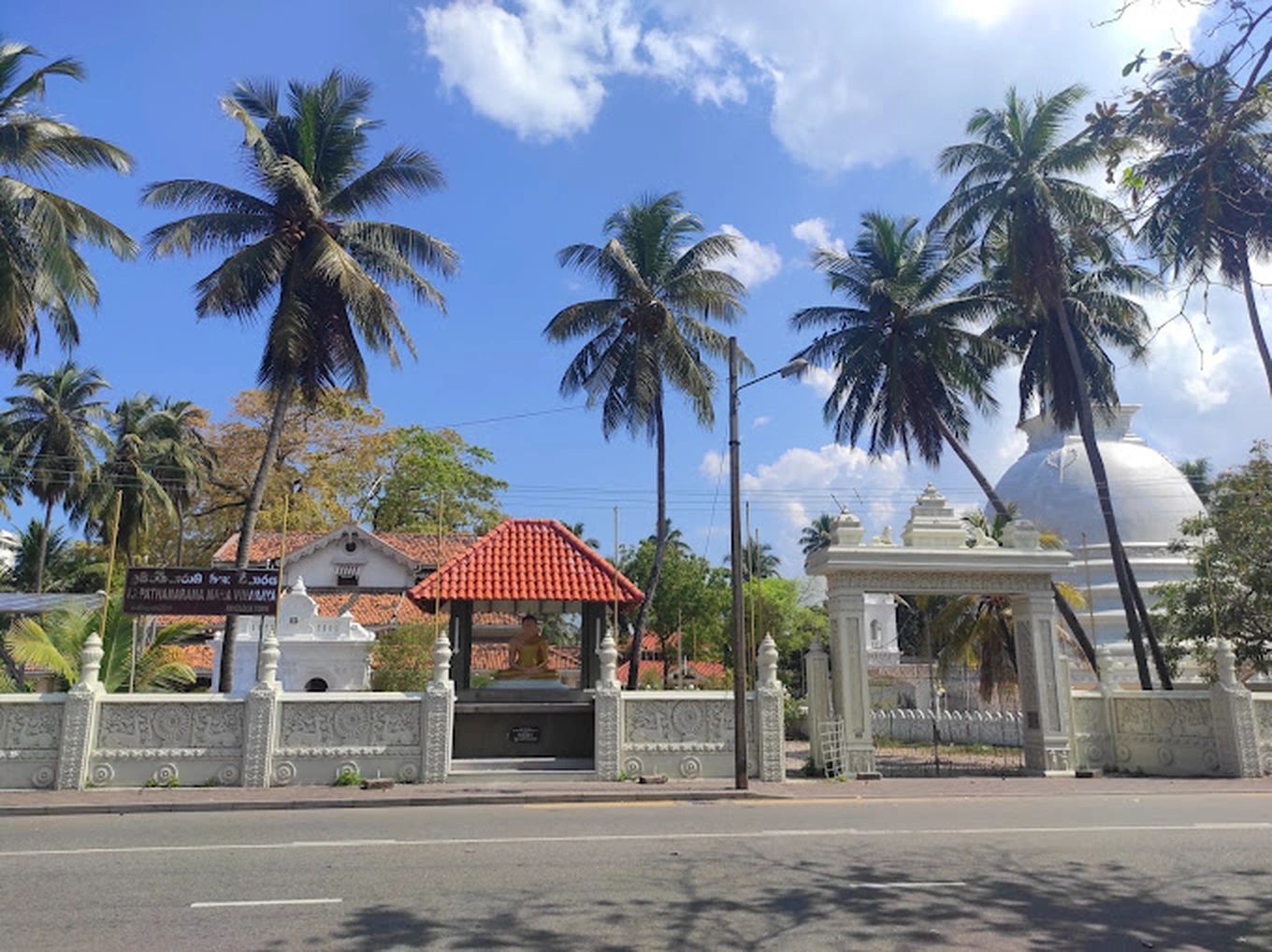
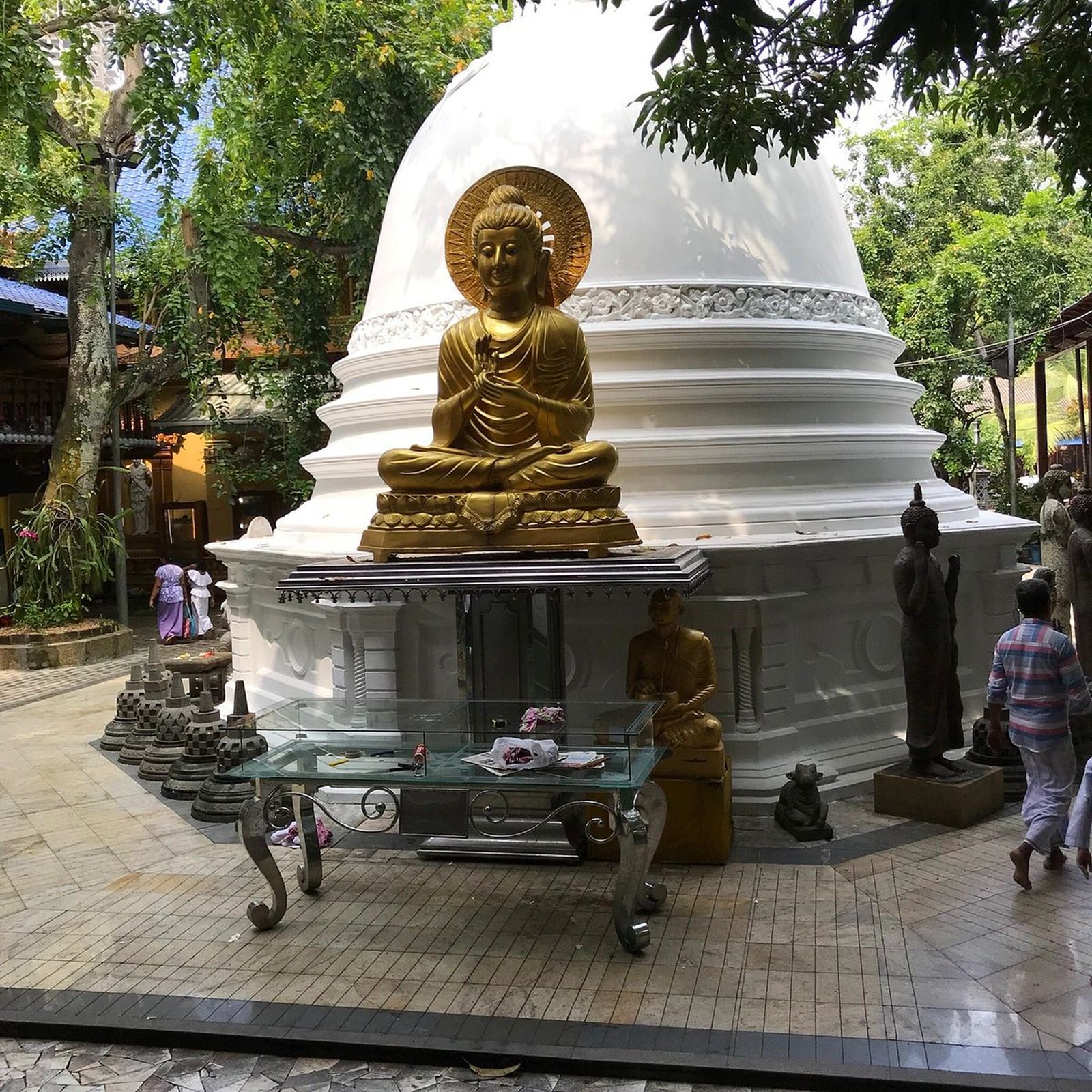
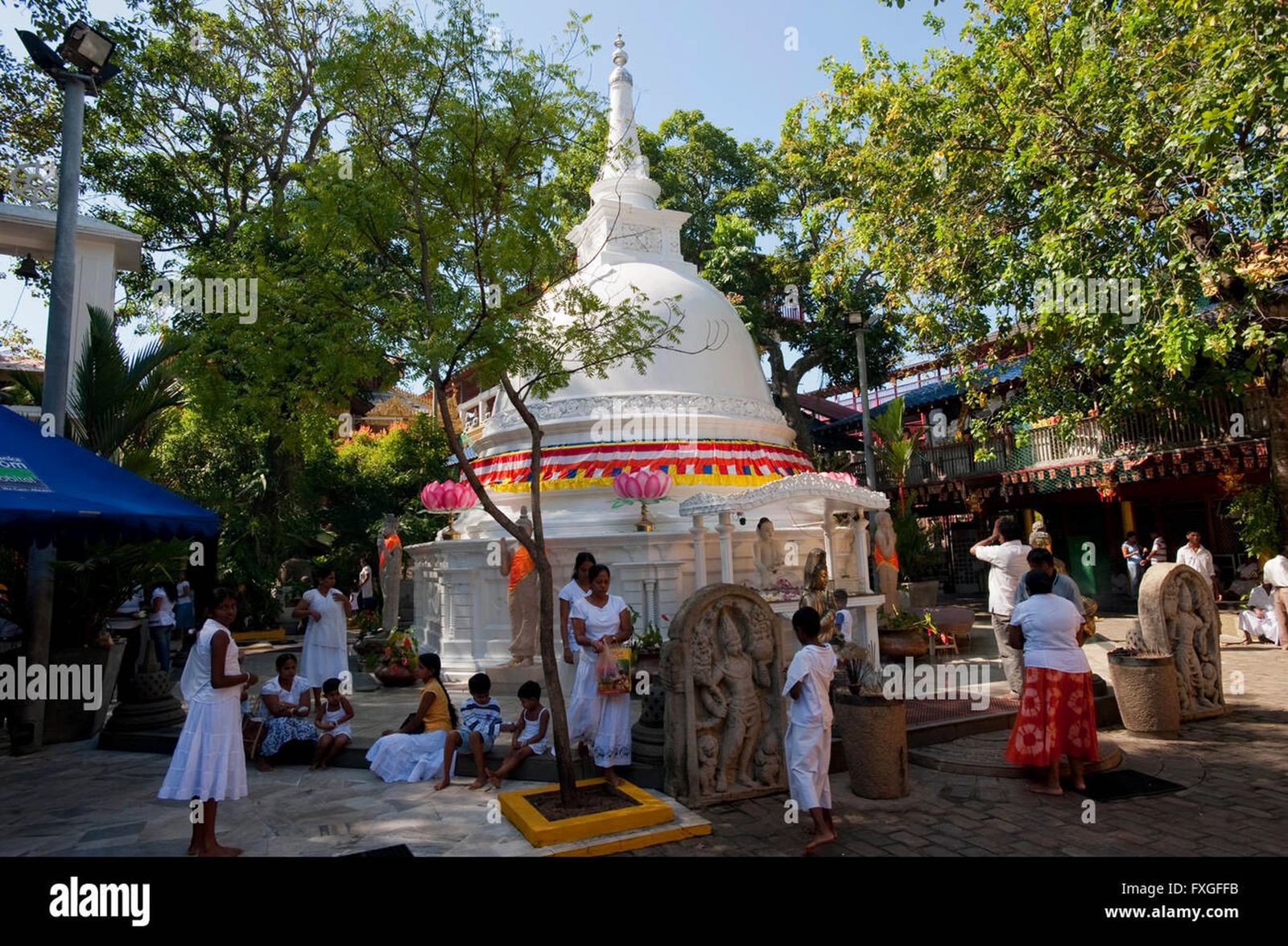
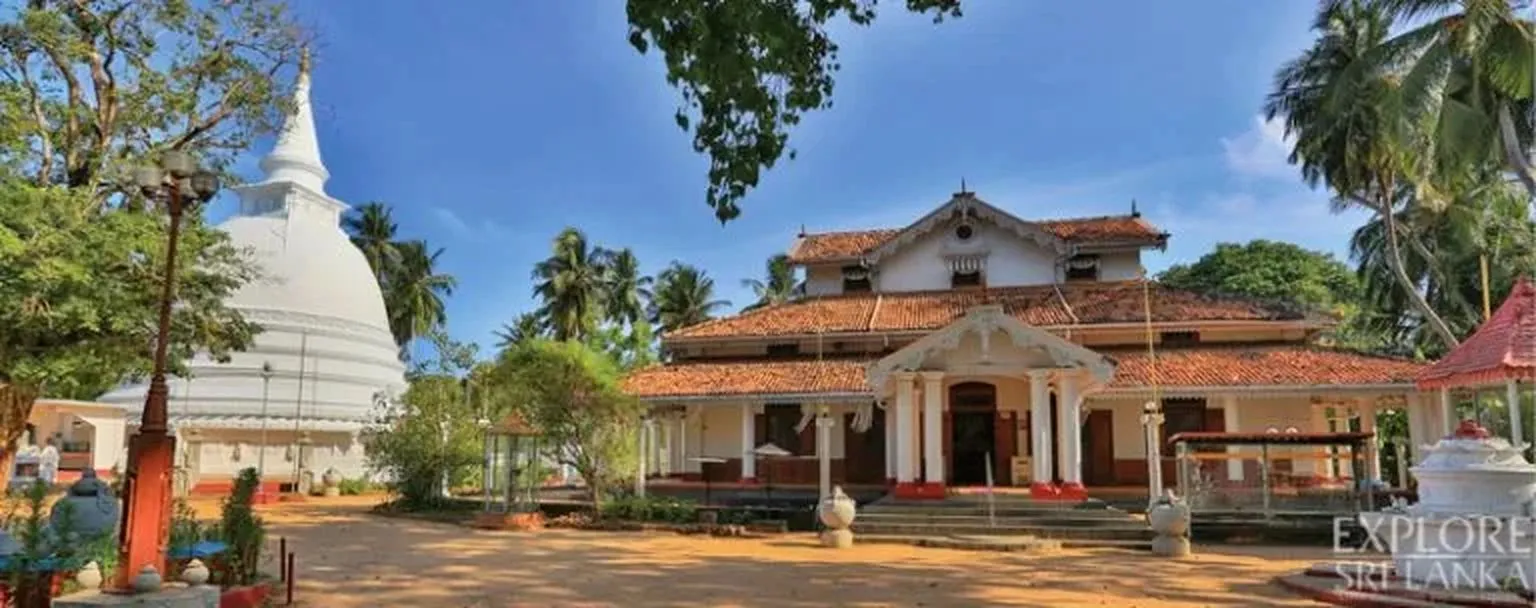
Stepping out of the tuk-tuk, the first sensation that washes over you at Isipathanaramaya Temple isn't the sight of grand architecture, but rather the gentle, rhythmic hum of devotional chanting carried on a soft breeze, mingled with the subtle, sweet fragrance of frangipani blossoms. It’s a sensory welcome, a subtle invitation to shed the hustle and bustle of Colombo and embrace a profound sense of peace. The air feels lighter, imbued with centuries of devotion, and the vibrant city outside seems to melt away, replaced by a quiet, spiritual embrace. The immediate visual is a striking contrast – the pristine white of the stupa, gleaming under the tropical sun, against a backdrop of lush green foliage and the deep blue sky. It’s a picture of serene beauty, promising an experience that transcends mere sightseeing.
🙏 Discovering the Temple's Sacred Core
Isipathanaramaya Temple, nestled in the heart of Colombo, is not just another religious site; it's a living, breathing testament to Sri Lanka's rich Buddhist heritage. Founded in 1916, it might not boast the ancient history of some other temples on the island, but its significance is undeniable. It was established by the esteemed Venerable D. Jinavaravansa Thero, with the noble intention of serving the spiritual needs of the urban populace. The temple's name itself, 'Isipathanaramaya,' is profoundly meaningful, derived from 'Isipatana,' the deer park in Sarnath, India, where Lord Buddha delivered his first sermon. This connection immediately elevates the temple beyond a local place of worship, linking it directly to the very origins of Buddhism. As you wander through the grounds, you can feel this historical and spiritual weight, a sense of continuity with a tradition stretching back millennia. The architecture, while relatively modern compared to ancient ruins, respectfully draws inspiration from classical Sinhala temple design, creating an aesthetic that is both calming and deeply reverent. Every corner, every statue, every painted mural tells a part of this enduring story, inviting contemplation and reflection.
🎨 A Kaleidoscope of Sacred Artistry
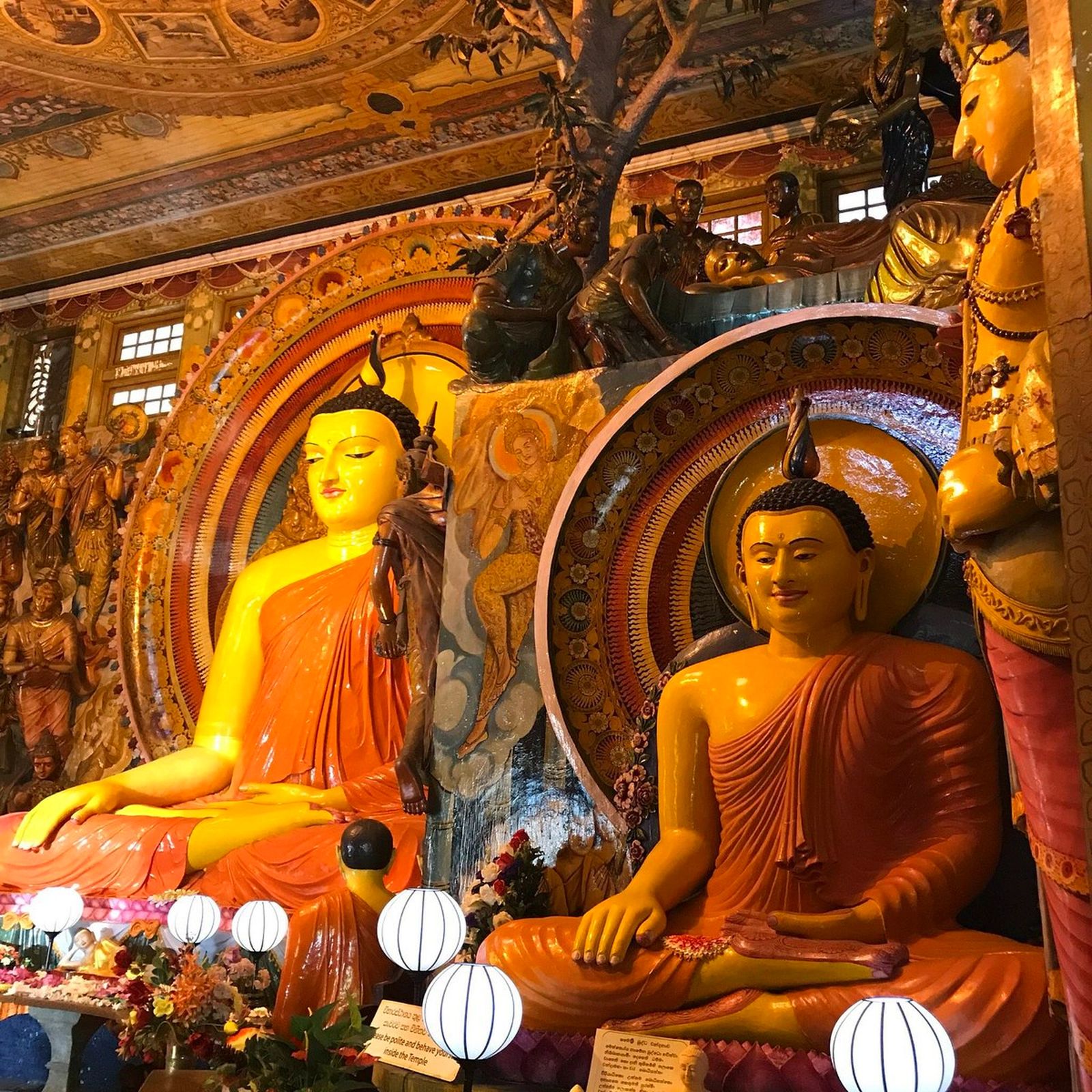
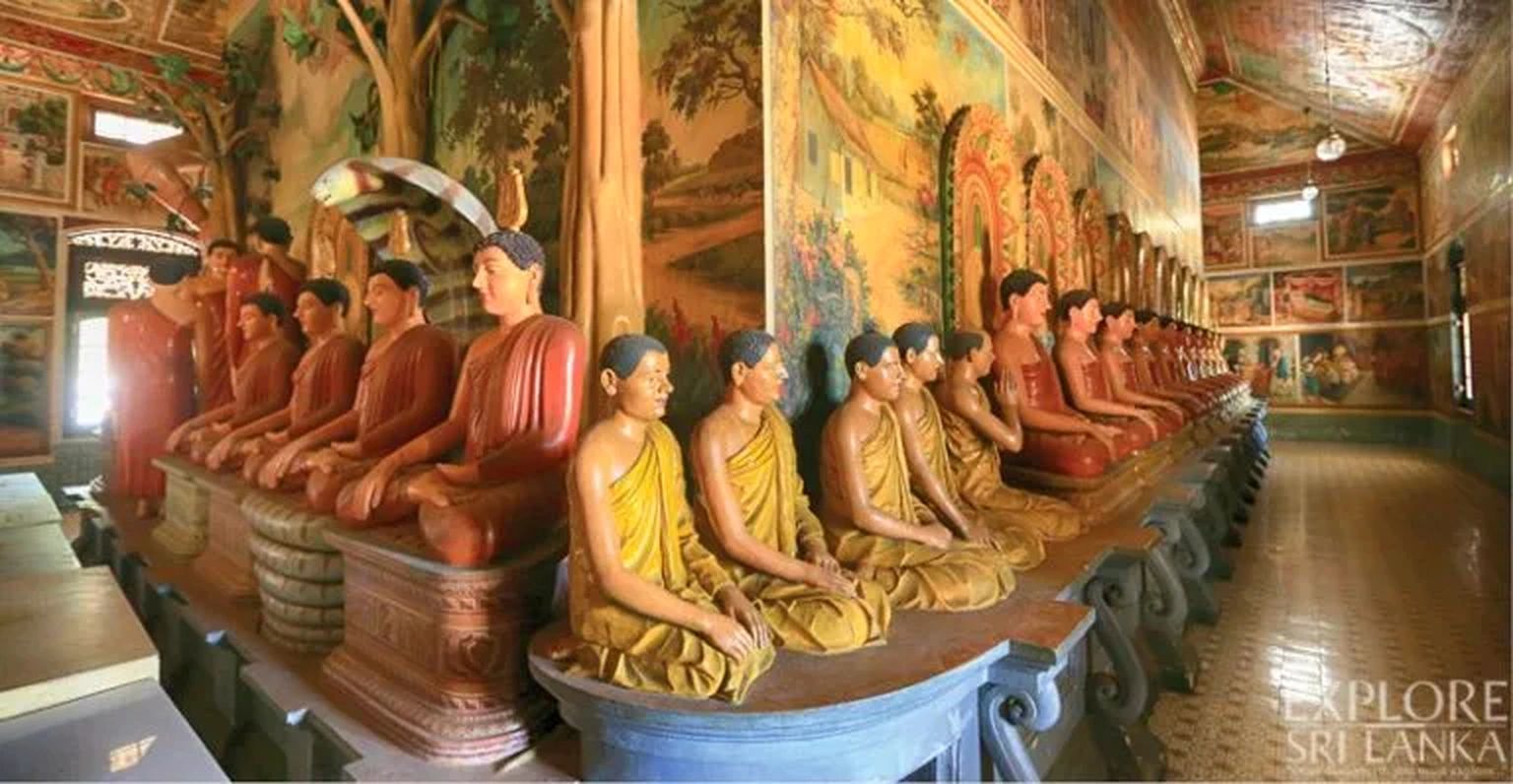
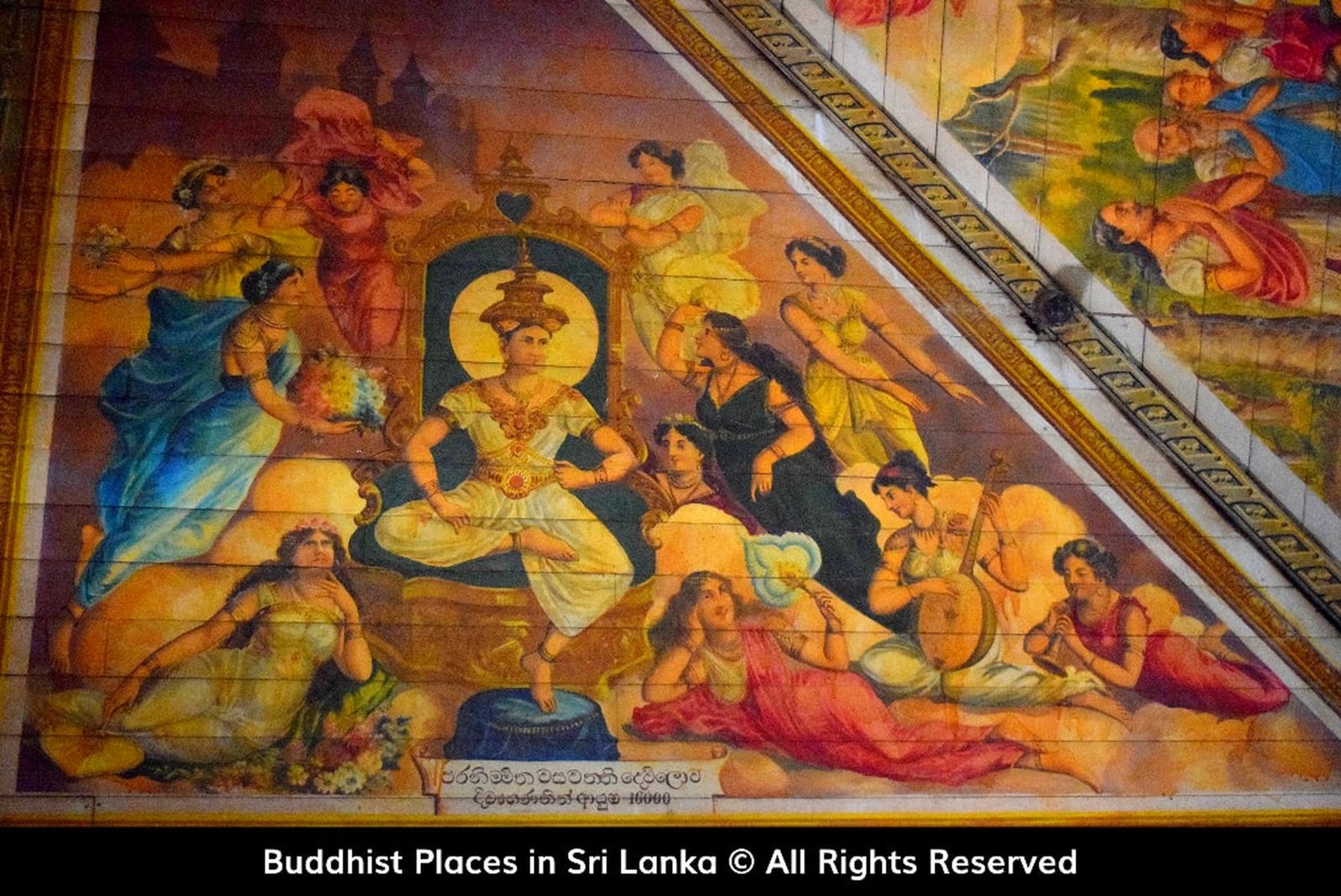
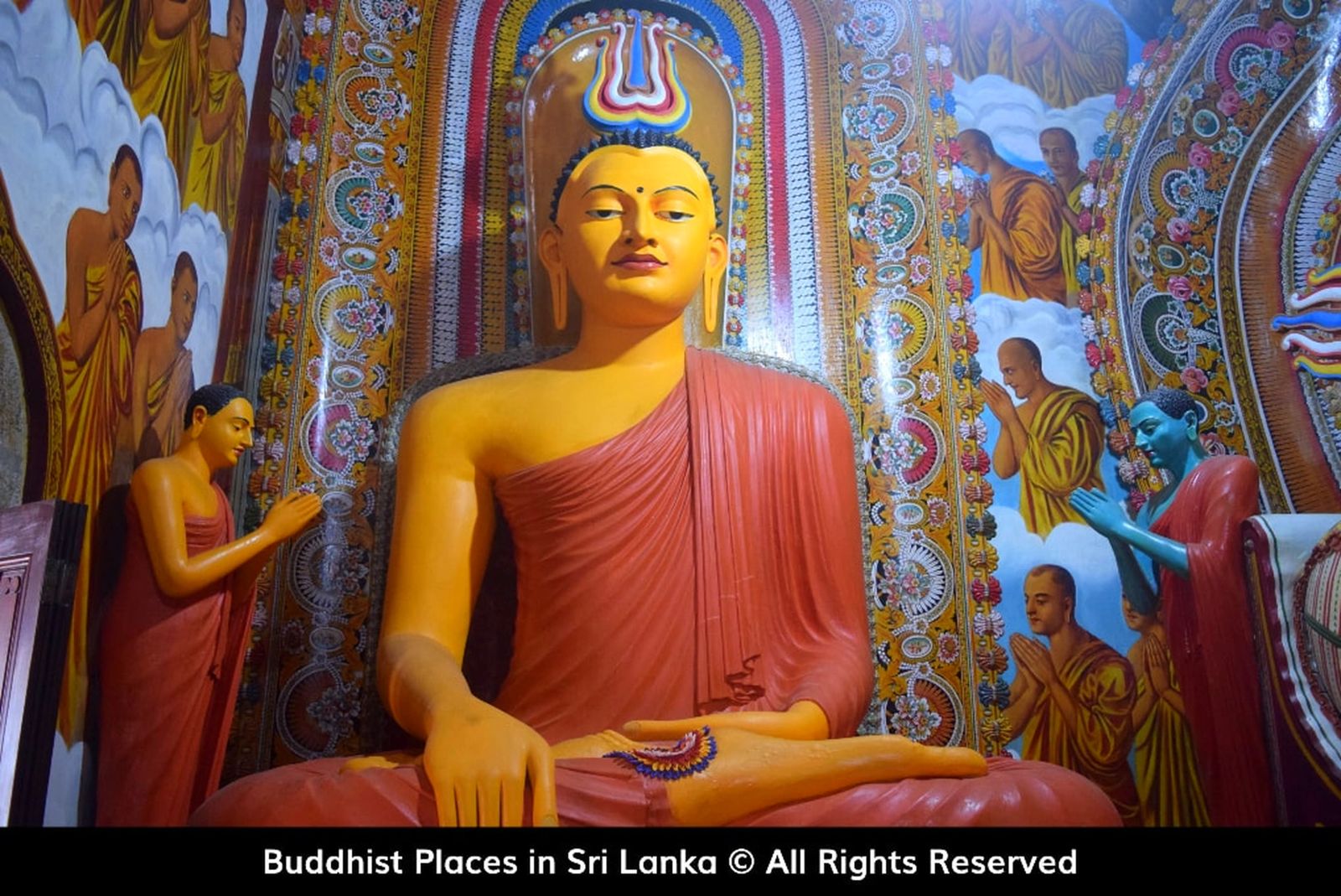
One of the most captivating aspects of Isipathanaramaya Temple is its extraordinary collection of murals and statues. The main image house is a veritable art gallery, showcasing vibrant, intricate paintings that depict various Jataka tales – stories of the Buddha's previous lives – as well as significant events from his final life. The colours are incredibly vivid, a testament to the skill of the artists who brought these narratives to life. You'll find deep blues, fiery reds, emerald greens, and shimmering golds, all meticulously applied to create breathtaking scenes. These aren't just decorative elements; they are visual sermons, designed to educate and inspire devotees. Each brushstroke seems to carry a sense of purpose and devotion. Beyond the murals, the temple houses several exquisitely crafted statues of the Buddha in various postures – meditating, reclining, and standing. The craftsmanship is remarkable, with each statue exuding a sense of profound serenity and spiritual power. Take your time to really observe the details, the expressions, the delicate folds of the robes. It’s a truly immersive artistic experience that offers deep insights into Buddhist iconography and philosophy. The sheer volume and quality of the art here make it a must-visit for anyone with an appreciation for religious art and cultural heritage. It's a place where art transcends mere aesthetics to become a conduit for spiritual understanding.
🌳 Tranquil Corners for Reflection
Despite its urban location, Isipathanaramaya Temple manages to cultivate an astonishing sense of tranquility. Beyond the main image house, the temple grounds are dotted with quiet corners, small gardens, and shaded areas that invite peaceful contemplation. There's a particular spot near a Bodhi tree – a descendant of the sacred tree under which the Buddha attained enlightenment – that feels especially serene. The rustling leaves, the soft chirping of birds, and the gentle chime of distant bells create an atmosphere conducive to introspection. It’s a wonderful place to simply sit, breathe, and soak in the spiritual energy. You'll see devotees performing various rituals, offering flowers, lighting oil lamps, and meditating quietly. Their sincere devotion adds to the temple's palpable sense of peace. Observing these practices, even as an outsider, can be a deeply moving experience, offering a glimpse into the heart of Buddhist practice. The temple serves as a vital spiritual oasis for the local community, providing a refuge from the daily grind and a space for spiritual nourishment. For visitors, it offers a unique opportunity to witness living Buddhism in action and to find a moment of calm amidst their travels.
📜 Unpacking the Temple's Enduring Legacy
Isipathanaramaya Temple's legacy extends far beyond its physical structures and artistic treasures. It has played a crucial role in the revival and preservation of Theravada Buddhism in Sri Lanka, especially during a period when colonial influences were strong. The temple has been a center for Buddhist education, scholarship, and cultural activities, nurturing generations of monks and lay practitioners. It continues to be a vibrant hub for the community, hosting religious ceremonies, Dhamma talks, and social welfare programs. Understanding this broader historical and social context enriches the visitor experience immensely. It's not just a beautiful building; it's an institution that has actively shaped the spiritual landscape of Colombo and beyond. The temple's commitment to education is evident in its library, which houses a collection of ancient texts and modern interpretations of Buddhist philosophy. This dedication to learning underscores the intellectual rigor that underpins Buddhist practice. Engaging with the temple's history helps one appreciate its enduring relevance and its continued impact on the lives of countless individuals. It's a place where tradition meets modernity, where ancient wisdom is applied to contemporary challenges, making it a dynamic and evolving spiritual center.
💡 A Glimpse into Daily Devotion
Visiting Isipathanaramaya Temple during a daily puja or a special ceremony offers an even deeper insight into its spiritual life. The air fills with the fragrant smoke of incense, the melodious chanting of monks resonates through the halls, and the rhythmic beating of drums creates an almost hypnotic atmosphere. Devotees, dressed in white, move with quiet reverence, offering flowers and lighting lamps. It’s a powerful and immersive cultural experience, a living demonstration of faith. While you should always be respectful and mindful of ongoing rituals, observing these practices can be incredibly moving. It’s a stark reminder that this is a place of active worship, not just a historical monument. The temple plays a crucial role in the daily lives of many Sri Lankans, providing a spiritual anchor in a rapidly changing world. Witnessing this devotion firsthand allows for a more profound connection with the local culture and the spiritual heart of the island. The kindness and openness of the devotees are also remarkable; often, they are happy to share insights into their practices, provided you approach with genuine curiosity and respect. This interaction can transform a simple visit into a truly memorable and enriching encounter, fostering a deeper understanding and appreciation for the temple's role in the community.
🏛️ Architectural Elegance and Symbolism
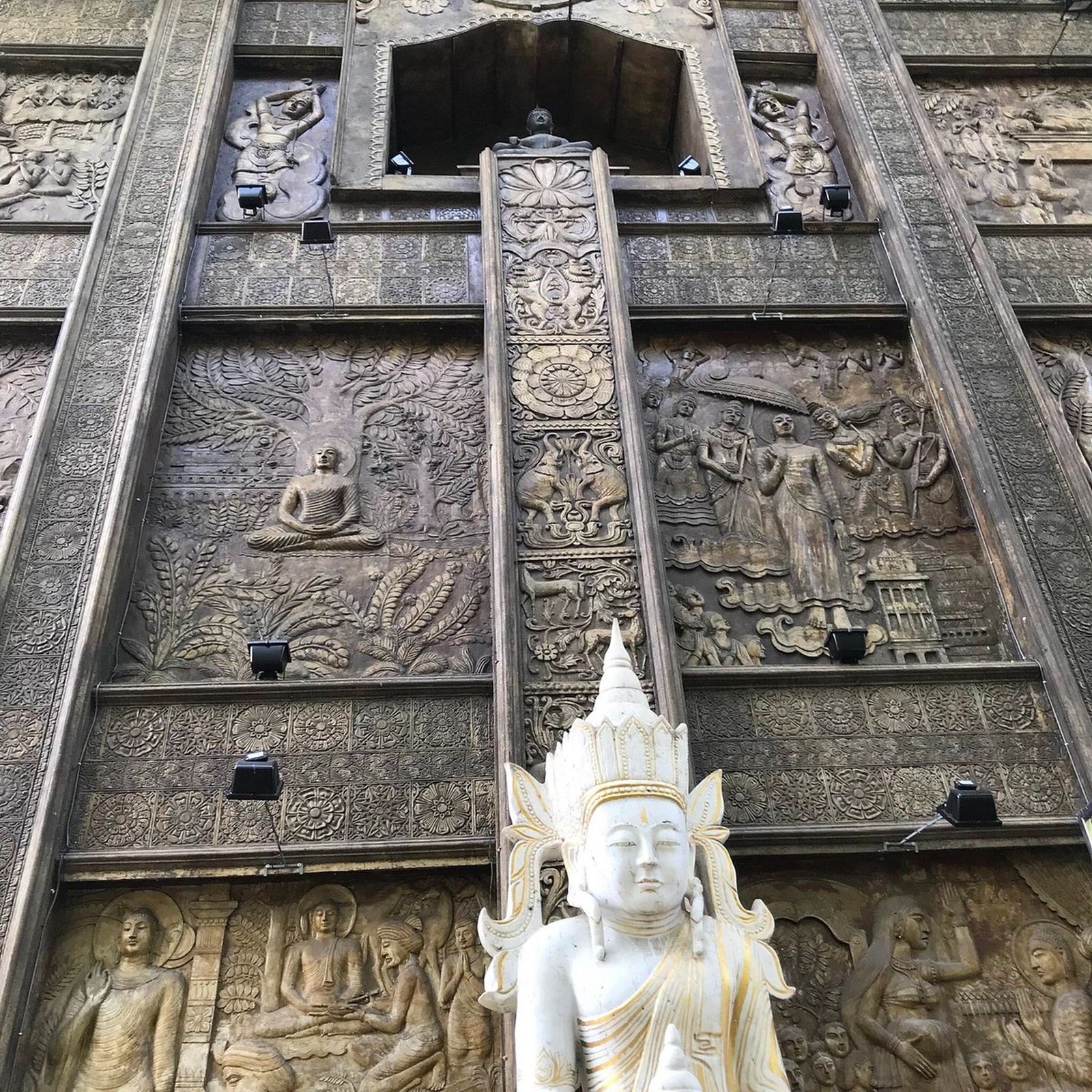
While not as ancient as some temples in the Cultural Triangle, Isipathanaramaya Temple exhibits a distinct architectural elegance that is deeply symbolic. The main stupa, gleaming white, represents purity and peace, its dome shape symbolizing the universe. The 'wahalkada' or elaborate entrance gateways, often adorned with intricate carvings of deities and mythical creatures, serve as thresholds between the mundane and the sacred. The 'maluwa' or open courtyard surrounding the stupa provides a space for circumambulation, a meditative walk performed clockwise around the sacred object. The 'bodhigara' or enclosure for the Bodhi tree, often features a low wall and a small altar, emphasizing the tree's revered status as a living symbol of enlightenment. The image house, typically facing east, houses the principal Buddha statues and is often richly decorated. The use of natural materials, traditional motifs, and harmonious proportions contributes to the overall sense of serenity and balance. Every architectural element, from the lotus pedestals supporting statues to the 'siripathul' or Buddha's footprints, carries profound spiritual meaning, inviting visitors to look beyond the surface and delve into the deeper symbolism. Understanding these architectural nuances enriches the experience, transforming a visual appreciation into a more profound spiritual engagement. The temple’s design, though relatively modern, faithfully adheres to the principles of ancient Sinhala temple architecture, ensuring a continuity of tradition and spiritual resonance.
🌿 The Temple as a Community Hub
Beyond its spiritual functions, Isipathanaramaya Temple serves as a vital community hub, fostering social cohesion and providing a range of services to its devotees. It's a place where people gather not only for religious ceremonies but also for cultural events, educational programs, and even social support. The temple often hosts Dhamma schools for children, teaching them Buddhist principles and values from a young age. During significant Buddhist festivals like Vesak or Poson, the temple comes alive with elaborate decorations, vibrant lanterns, and a palpable sense of communal celebration. These events are not just religious observances; they are also important social occasions where families and friends come together. The temple provides a sense of belonging and identity, especially in a bustling city like Colombo, where traditional community structures can sometimes be fragmented. For visitors, observing these community interactions offers a fascinating glimpse into the social fabric of Sri Lankan life and the central role that the temple plays within it. It's a testament to the enduring power of faith not just as a personal journey, but as a collective experience that binds people together. The temple's role as a caretaker of cultural traditions and a provider of social welfare underscores its multifaceted importance to the local populace, making it a truly integral part of the Colombo landscape.