시기리야 바위 요새

시기리야 바위 요새

4.9 · 0 reviews 318 views Last updated Nov 19, 2026
시기리야, 마탈레
4.9Rating
January to AprilBest Time
USD 30 (Foreigners)Entry Fee
Half DaySuggested Time
ModerateDifficulty
4 minRead Time

Where to stay near 시기리야 바위 요새

Compare live prices with our booking partners.

Some links below are affiliate links. If you book through them we may earn a small commission — at no extra cost to you. How this works.

Cost & practical info

Entry fee USD 30 (Foreigners) Confirm current fees on site
Best time to visit January to April
Suggested time Half Day
Difficulty Moderate

Prices and opening hours can change — always confirm with the official site before you travel.

The Guide

Sigiriya Rock Fortress – The Ancient Palace in the Sky 

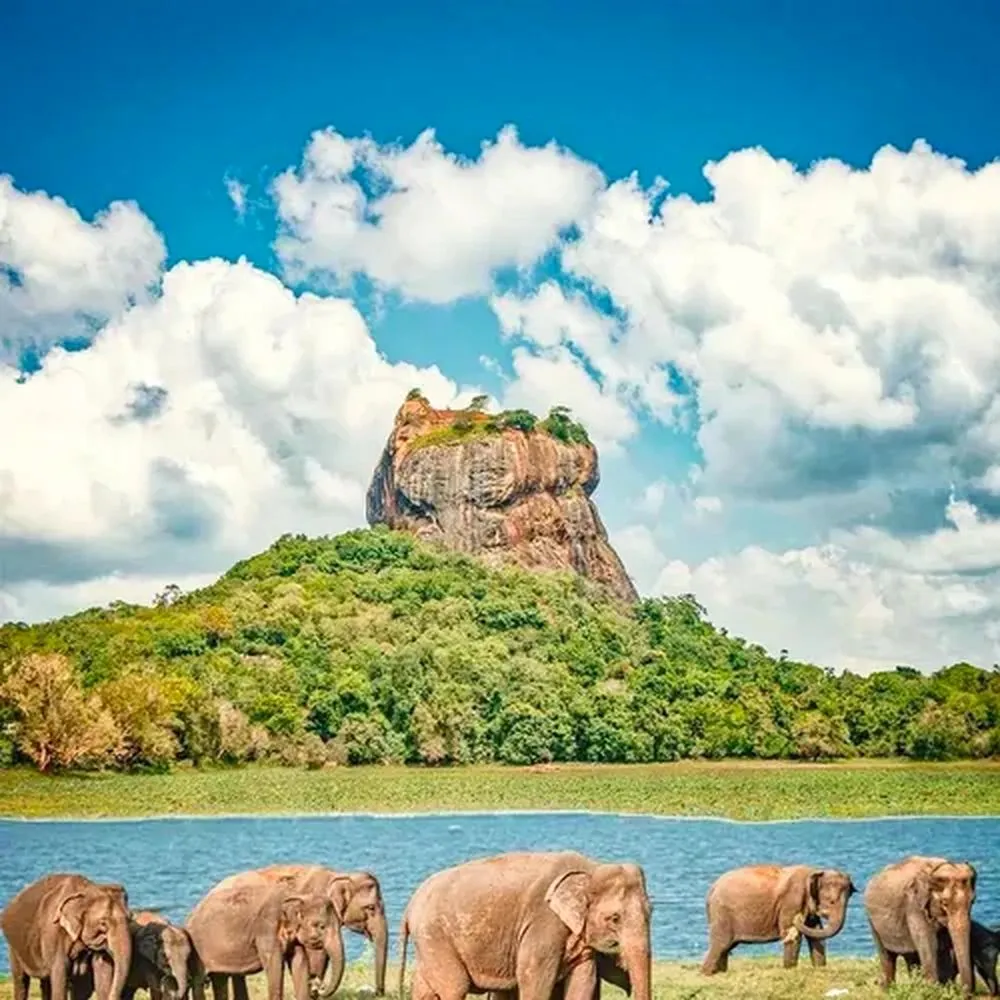
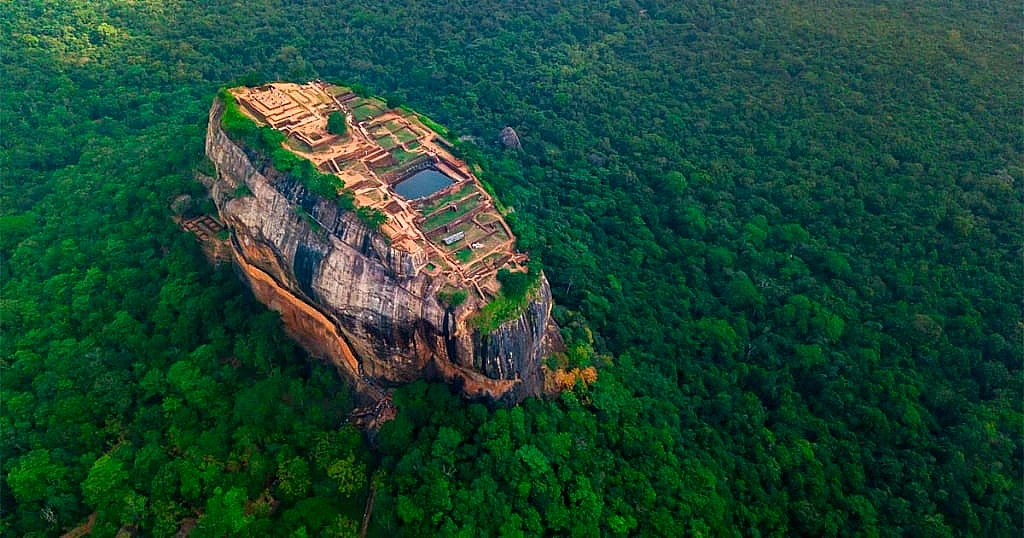
Sigiriya, often called the “Lion Rock,” is one of the most remarkable historical and archaeological sites in Sri Lanka. Rising nearly 200 meters (about 660 feet) above the surrounding plains, this massive rock fortress was once the center of a powerful kingdom during the 5th century AD. Located near the town of Sigiriya in the Central Province of Sri Lanka, it is widely recognized as one of the most impressive ancient urban planning achievements in the world. Because of its cultural and historical value, Sigiriya was declared a UNESCO World Heritage Site in 1982. 🌍


Historical Background of Sigiriya 

The history of Sigiriya is closely connected with King Kashyapa I, who ruled Sri Lanka from 477 to 495 AD. According to historical chronicles, Kashyapa seized the throne after overthrowing his father, King Dhatusena. Fearing revenge from his brother Moggallana, the rightful heir who fled to South India, Kashyapa decided to build a heavily fortified capital.

He chose the enormous rock of Sigiriya as the ideal location. The summit was transformed into a royal palace, while the surrounding areas were developed with advanced gardens, reservoirs, and defensive structures. After Kashyapa's death in battle against Moggallana, Sigiriya was abandoned as a royal residence and later used as a Buddhist monastery until the 14th century.


The Lion Staircase 

One of the most iconic features of Sigiriya is the Lion Staircase. Halfway up the rock stands the entrance to the final ascent leading to the summit.

Originally, visitors entered the palace through the mouth of a gigantic lion statue carved from brick and plaster. The lion symbolized power and royal authority. Over time, the upper parts of the statue collapsed, but the massive lion paws still remain today. These paws are among the most photographed features of Sigiriya and serve as a dramatic gateway to the palace ruins above.


The Sigiriya Frescoes 

The Sigiriya Frescoes are among the most celebrated ancient paintings in Asia. These vibrant artworks are located in a sheltered pocket of the rock about halfway up the climb.

The frescoes depict beautiful women dressed in elaborate jewelry and clothing, often holding flowers or trays. Scholars believe they may represent celestial maidens, royal attendants, or divine figures. Originally, it is estimated that over 500 frescoes decorated the rock face, though only about 20 paintings survive today.

Despite being more than 1,500 years old, the colors remain surprisingly vivid, demonstrating the extraordinary artistic skill and painting techniques of ancient Sri Lankan artists.


The Mirror Wall 

Just below the frescoes lies the famous Mirror Wall, a polished wall made from a special mixture of lime, egg whites, and honey. During the reign of King Kashyapa, the surface was polished so smoothly that it reflected like a mirror.

Visitors and poets who climbed the rock between the 8th and 13th centuries wrote graffiti poems on the wall. These inscriptions are considered some of the oldest examples of Sinhala poetry and provide valuable insights into the thoughts and culture of people who visited Sigiriya centuries ago.


The Royal Gardens 

At the base of Sigiriya lies one of the oldest landscaped garden complexes in the world. The gardens demonstrate a sophisticated understanding of hydraulic engineering and urban planning.

The garden complex includes three main sections:

  • Water Gardens – Symmetrical pools, fountains, and canals that were powered by an underground water system. Some fountains still function during the rainy season.
  • Boulder Gardens – Large natural rocks that were incorporated into pathways and used as natural defensive barriers.
  • Terrace Gardens – A series of terraced levels leading up to the rock, creating a gradual ascent toward the fortress.

These gardens are considered among the best-preserved ancient gardens in Asia.


The Summit Palace 

At the top of the rock once stood the royal palace of King Kashyapa. Archaeological remains show that the summit contained:

  • Royal residences
  • Audience halls
  • Water tanks and pools
  • Observation points overlooking the surrounding landscape

One of the most impressive features is the large summit pool, carved directly into the rock. This suggests that even at such a height, the palace had an advanced water management system.

From the top of Sigiriya, visitors can see breathtaking panoramic views of forests, villages, and distant mountains.


Archaeological Importance

Sigiriya is not only a historical monument but also a masterpiece of ancient engineering, architecture, and urban planning. Archaeologists consider it one of the most advanced city designs of the ancient world.

Key innovations include:

  • Sophisticated water management systems
  • Highly organized city planning
  • Advanced defensive structures
  • Integration of art, architecture, and nature

These elements demonstrate the remarkable technological and artistic achievements of ancient Sri Lankan civilization.


Sigiriya as the Eighth Wonder of the World 

Many visitors and historians often refer to Sigiriya as the “Eighth Wonder of the World.” While this title is not official, it reflects the awe people feel when seeing the massive rock fortress rising dramatically above the jungle landscape.

Every year, thousands of visitors from around the world travel to **Sigiriya Rock Fortress to experience its history, art, and breathtaking scenery.


Travel Context

Practical, Sri Lanka-specific detail for 시기리야 바위 요새 — where it sits, how far it really is, what it costs and how to behave so your visit is welcome.

Where you are

This destination sits in 시기리야, 마탈레 — 마탈레 District, Sri Lanka. Distances look short on a map but Sri Lankan roads are slow, so plan fewer stops per day than you would at home.

Distance from Colombo

Roughly 205 km by road from Colombo, which is about 5.4 hours depending on traffic, the route and the time of day. The straight-line distance is shorter — allow extra time for hill-country bends, wildlife crossings and roadside stops.

Climate & season

January to April The south and west coasts are driest from December to March; the east coast from April to September. Conditions change quickly in the hill country, where mist and afternoon rain are routine.

What it costs

Entry is listed as USD 30 (Foreigners). Budget separately for transport, food and any guide. Foreign-visitor tickets at major sites are priced in USD, and card machines are unreliable outside the main towns — carry rupees in small notes.

Etiquette & safety

Start early, carry at least two litres of water per person, and tell your guesthouse your route. Trails often cross private tea-estate or temple land, so stay on marked paths and ask before crossing farmland.

Best Time to Visit

Jan
Feb
Mar
Apr
May
Jun
Jul
Aug
Sep
Oct
Nov
Dec

Local Weather

Sigiriya Overcast clouds
26°
Feels like 26°C
65% 0.31 km/h
Overcast clouds
Keep Exploring

Related Travel Guides

Location & Map

시기리야, 마탈레
Get Directions

Fuel Cost Calculator

How to Get There

Reaching Sigiriya Rock Fortress is relatively easy from many major cities in Sri Lanka, as it is located in the Cultural Triangle region. Travelers can choose between public transport and private transportation depending on their budget and comfort.

If you are using public transport, the easiest option is to first travel to Dambulla, which is the nearest major town to Sigiriya. Regular buses operate from Dambulla to Sigiriya, and the journey usually takes around 30 to 45 minutes. Buses are affordable and run frequently throughout the day.

For those who prefer a private vehicle or taxi, Sigiriya is accessible by direct road routes from major cities. The drive from Kandy takes about 2.5 hours, passing through scenic countryside and small villages. From Colombo, the journey normally takes around 4 hours, depending on traffic conditions. Many tourists also choose guided tours that include transportation, which can be a convenient option.

Sri Lanka Essentials

The things that catch visitors out on a first trip — money, connectivity, transport, health and the small etiquette rules that make a real difference.

Money & payments

The currency is the Sri Lankan rupee (LKR). Cards work in hotels, supermarkets and larger restaurants, but tuk-tuks, small entry gates, beach cafés and village shops are cash-only. Draw from bank ATMs in towns rather than standalone machines, keep small notes for change, and carry enough cash for two days when you head into the hill country or the north.

Connectivity & data

A local tourist SIM (Dialog, Mobitel or Hutch) is cheap and easy to buy at the airport or in any town with your passport. Coverage is good on the coasts and in towns, patchier in the Knuckles, parts of the north and inside national parks. Download offline maps and screenshots of bookings before remote drives.

Getting around

Trains are slow, scenic and very cheap — the hill-country line is the highlight. Buses cover almost everywhere but can be crowded. Tuk-tuks suit short hops; agree the fare first or use a metered app. Private drivers are good value for multi-stop days. Distances take longer than the map suggests: 100 km can easily be three hours.

Health & safety

Dengue is present, so use repellent and cover up at dusk. Drink bottled or filtered water, and be careful with ice in remote places. The sun is strong even when overcast. Pharmacies are common in towns; serious care is concentrated in Colombo. Travel insurance that covers adventure activities is worth having.

Responsible travel

Sri Lanka is small and heavily visited — small choices add up. Refuse plastic bags and single-use bottles where you can, avoid elephant rides and any attraction that chains wildlife, dress modestly at religious sites, and buy directly from local guides, homestays and cafés rather than international middlemen.

Holidays & opening hours

Poya (full moon) days are public holidays: temples are busy, some shops close and the sale of alcohol is restricted. Many archaeological sites open at 7am and close by 5–6pm, and last entry is usually an hour earlier. Check opening days before building a long drive around one site.

Traveler Reviews (1)

Yohan Rasindu
Yohan Rasindu Jul 20, 2026

Beautifull.............

✍️ Leave a Review

Frequently Asked

There are approximately 1,200 steps to reach the summit.
Yes, but they should be closely supervised, especially near the top.
Weekly Dispatch

Get Travel Inspiration

Hidden gems, local tips & exclusive guides from Sri Lanka, Asia and beyond — delivered to your inbox, weekly.

No spam, ever. Unsubscribe anytime.