Why travel for समुद्र तट और तट?
Sri Lanka's coastline runs for roughly 1,340 km, and it changes character every few hours of driving: coconut-palm bays in the south, wide empty strands in the east, lagoon flats in the north-west and surf points that draw riders from around the world.
The island has two beach seasons, and getting this right matters more than picking the "best" beach. The south and west coasts — Bentota, Hikkaduwa, Unawatuna, Mirissa, Tangalle — are driest from December through March. The east coast — Trincomalee, Nilaveli, Pasikuda, Arugam Bay — runs the opposite way, with calm water and clear skies from April to September. Book the wrong coast in the wrong month and you will spend your holiday watching rain move across the sea.
Sri Lankan beaches are rarely just sand. A typical day combines a swim, a fishing village, a lagoon boat trip and a roadside rice-and-curry lunch. Mirissa is the launch point for blue-whale watching (best November to April), Hikkaduwa has shallow coral for snorkelling, and Arugam Bay is one of Asia's most consistent right-hand surf breaks. Families tend to prefer the sheltered water at Unawatuna, Pasikuda and Nilaveli.
Practical realities: many beaches have strong currents outside the reef, and lifeguards are not universal. Local women often swim fully clothed, so dress respectfully away from resort strips. Small entry fees or parking charges are common at popular bays, and the beach in front of a hotel is still public land under Sri Lankan law. Carry cash for tuk-tuks and beach cafés — card machines are still rare outside the main towns.
Pick your coast by season
South and west December–March; east coast April–September. The monsoon map is the single most useful planning tool for a beach trip.
Whales and dolphins
Mirissa and Trincomalee run responsible whale-watching boats in their respective seasons. Choose operators that keep distance and skip chasing.
Surf and snorkel
Arugam Bay and Weligama for lessons; Hikkaduwa and Pigeon Island for snorkelling; Pasikuda for shallow, calm water.
Village beaches
Tangalle, Talalla and the Kalpitiya peninsula reward travellers who want fewer sunbeds and more local life.
All समुद्र तट और तट destinations
 समुद्र तट और तट
निलावेली समुद्रतट
🌊 Introduction to Nilaveli Beach Nilaveli Beach is one of the most stunning and peac...
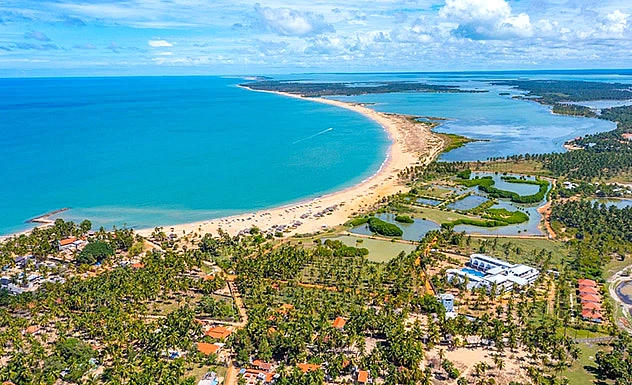 समुद्र तट और तट
💎 Gem
कल्पितिया - डॉल्फिन देखना और पतंगबाजी
🌊 Kalpitiya – Dolphin Watching & Kite Surfing Paradise in Sri Lanka Kalpitiya is...
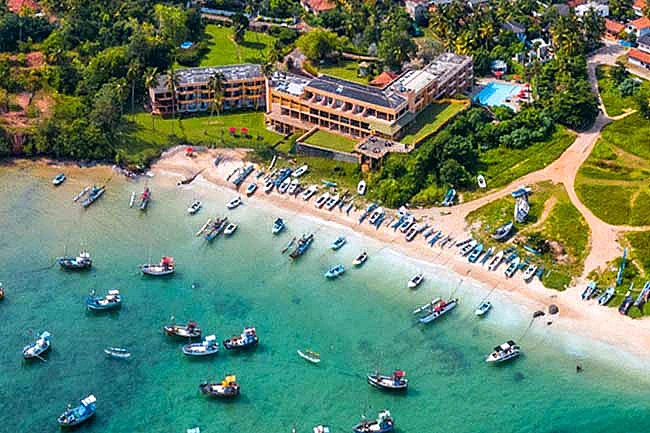 समुद्र तट और तट
अरुगम खाड़ी
🏄 Arugam Bay – Sri Lanka’s Surfing Paradise Arugam Bay is one of the most famous bea...
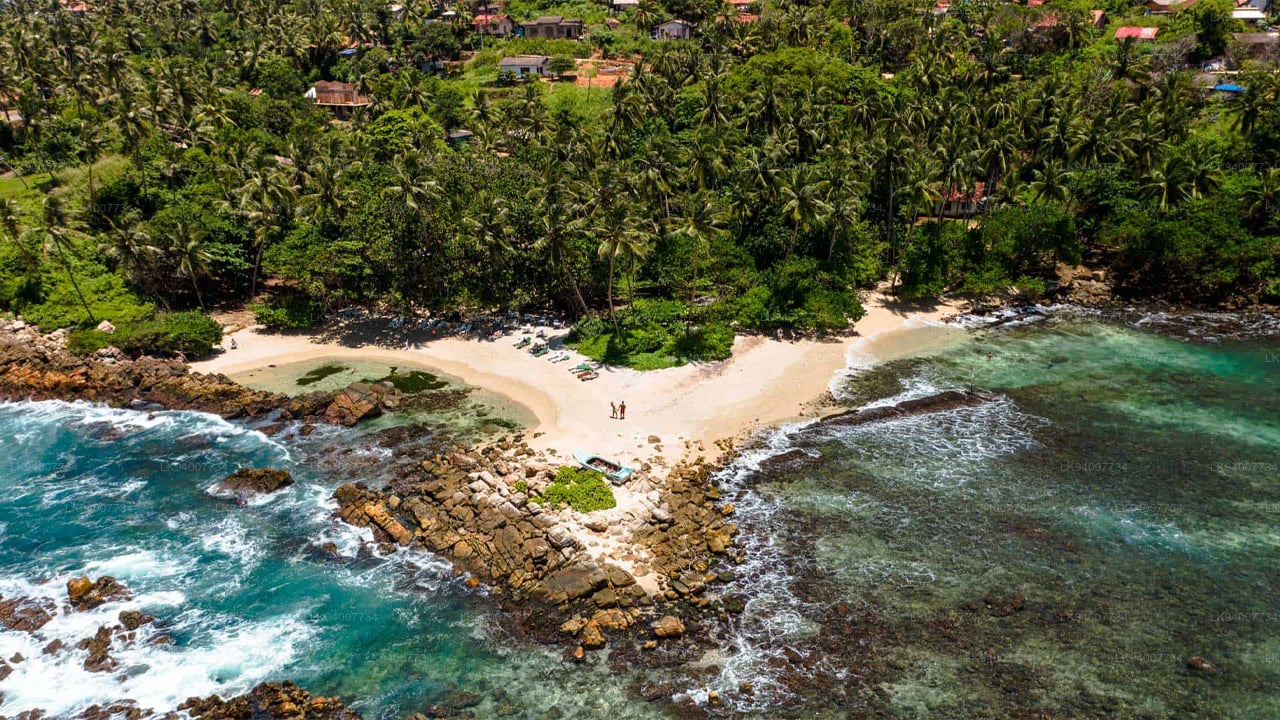 समुद्र तट और तट
⭐ Featured
मिरिसा बीच
🌴 Mirissa Beach – A Tropical Paradise in Southern Sri Lanka Mirissa Beach is one of...
 समुद्र तट और तट+1
कबूतर द्वीप राष्ट्रीय उद्यान
🏝️ Introduction to Pigeon Island National ParkWelcome to the enchanting world of Pigeon Is...
 समुद्र तट और तट
त्रिंकोमाली समुद्र तट (नीलवेली और उप्पुवेली)
🏖️ Introduction to Trincomalee's Pristine BeachesNestled on Sri Lanka's picturesque east c...
 समुद्र तट और तट
अम्बालांगोडा समुद्रतट
The sun, a molten orb, dips towards the horizon, painting the sky in fiery oranges and sof...
When to go and what it costs
Best time to visit
South and west coasts: December to March. East coast: April to September. Shoulder months bring cheaper rates and short afternoon storms.
Typical costs
- Beach access Free on public beaches; some bays charge a small parking or entry fee
- Sunbed + umbrella Typically LKR 500–2,000 per day at organised beaches
- Whale watching Around USD 30–60 per person, depending on operator and season
Local tips before you go
- Swim in front of other people and respect red flags — rip currents are the main coastal risk.
- Cover shoulders and knees when walking through fishing villages, and ask before photographing people.
- Reef-safe sunscreen and no touching coral; the shallow reefs at Hikkaduwa are fragile.
- Cash is king: tuk-tuks, beach cafés and small entry gates rarely accept cards.
समुद्र तट और तट by region
The 7 places in this guide sit across 4 districts. Pick the region you are actually visiting before you shortlist anything — travel times between districts are the most common planning mistake on Sri Lankan trips.
समुद्र तट और तट FAQ
Which is the best beach in Sri Lanka for swimming?
For calm, sheltered water the easiest picks are Unawatuna and Pasikuda, with Nilaveli good in season. Mirissa and Hikkaduwa can have strong currents, so check conditions and swim near other people.
When is the best time to visit Sri Lanka beaches?
The south and west coasts are driest from December to March; the east coast from April to September. Because the island has two monsoons, there is always a coast in season.
Are Sri Lanka beaches free?
Yes — the beach itself is public. You may pay for parking, a sunbed or access to a private resort strip, but walking and swimming on public sand is free.
Can you swim at Mirissa?
Yes, but the bay has variable currents. Swim in the flagged area near the main beach, avoid rocky sections, and never swim alone at dusk.
Is Arugam Bay good for beginners?
Arugam Bay is a fast right-hand point break better suited to intermediate surfers. Beginners are usually directed to Weligama or the inside reforms at Arugam in smaller swell.
How many समुद्र तट और तट destinations are listed?
This guide currently tracks 7 published places across 4 districts. We add new places only after an editorial check.
Which district is best for समुद्र तट और तट?
त्रिंकोमाली currently has the strongest cluster of समुद्र तट और तट destinations in this guide. Use the district links to narrow the list and plan a realistic route.
When are these places at their best?
Based on the destinations in this guide, the strongest months are January, February, March, April, May, June, July, August, September, October, November, December. Conditions differ between the east and west coasts because of Sri Lanka's two monsoons, so always check the individual guide before booking.