The Guide
Contents
- 🌊 The Roar of the Untamed Waters
- 🌿 A Sanctuary of Emerald Green
- 👣 The Path Less Trodden: A Sensory Journey
- 📸 Capturing Nature's Grandeur: Photography Tips
- 🧘♀️ Finding Serenity Amidst the Spectacle
- 🦋 Biodiversity Around the Falls
- 🌦️ Weather's Whims and the Waterfall's Mood
- 🗺️ Exploring the Environs: Beyond the Falls
Legend whispers of a time when ancient kings, weary from battle and the weighty crown, sought solace not in opulent palaces, but in nature's embrace. It is said that one such monarch, his heart heavy with the burdens of his kingdom, stumbled upon a hidden cascade, its waters tumbling with a power that mirrored his own inner turmoil. Here, amidst the verdant canopy and the roar of the falls, he found a moment of profound peace, a fleeting respite from the world. This enduring tale, passed down through generations, imbues Yaka Andu Ella with a sense of ancient mystery and timeless tranquility, inviting all who visit to seek their own moments of quiet contemplation amidst its majestic beauty.
🌊 The Roar of the Untamed Waters
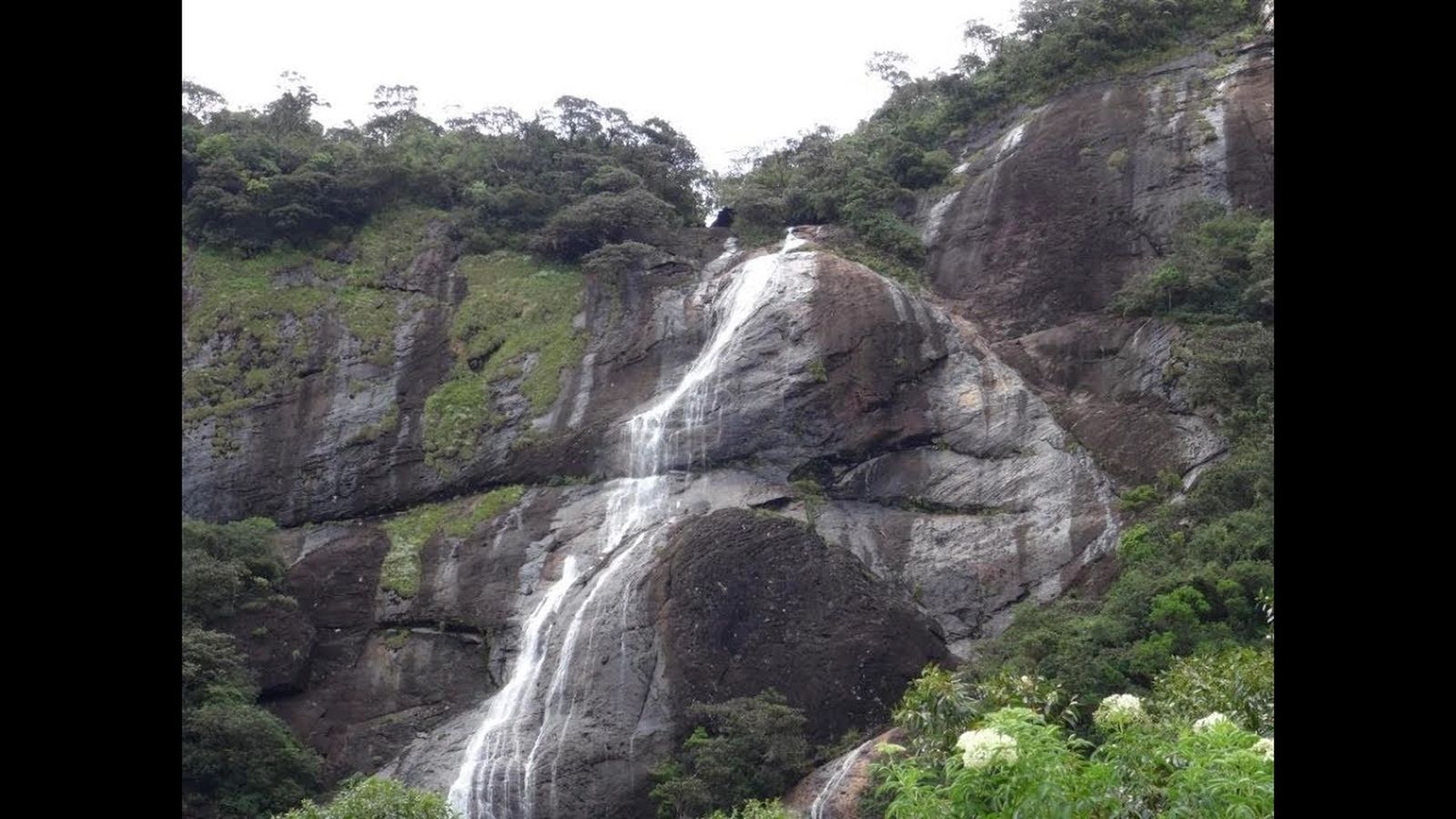
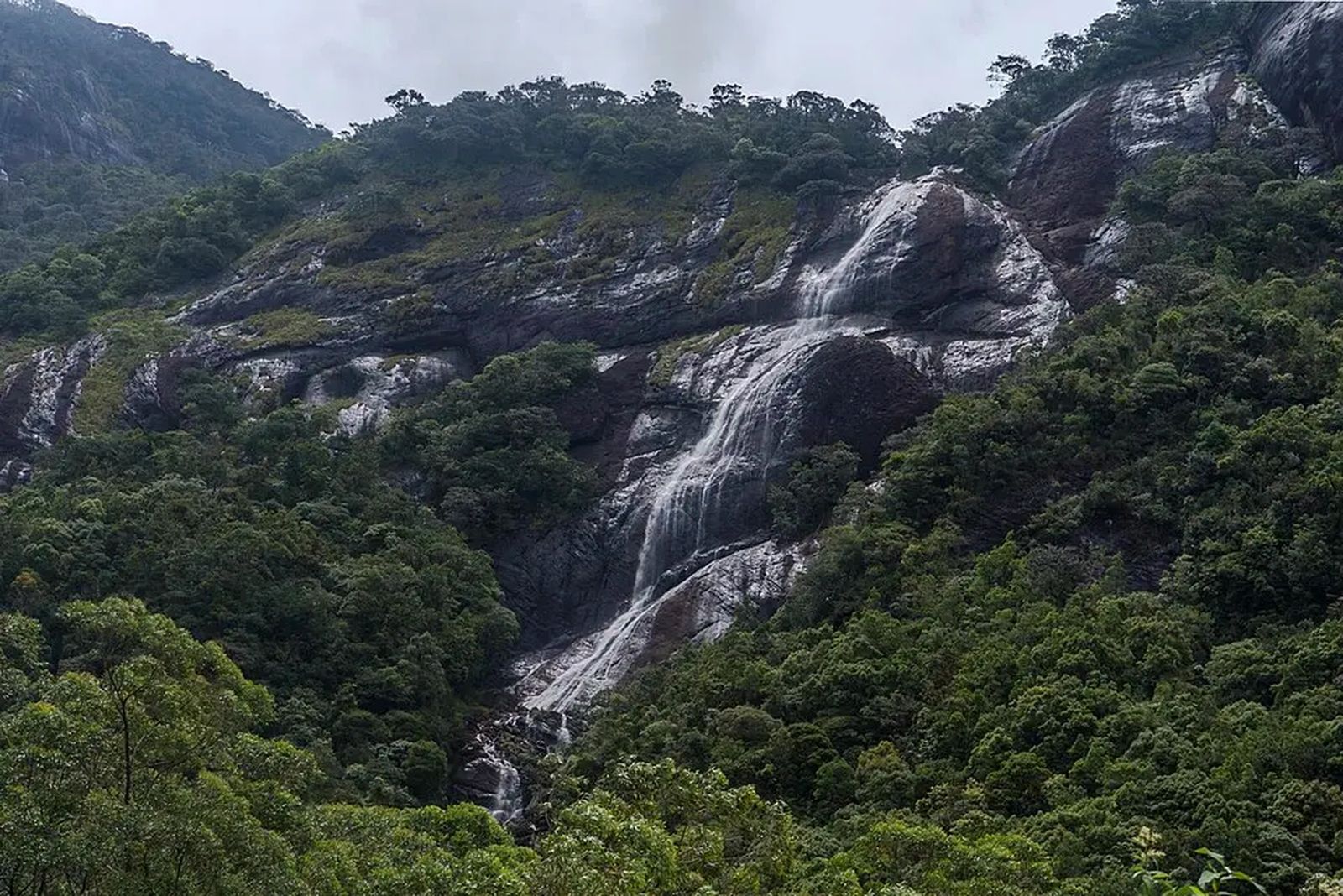
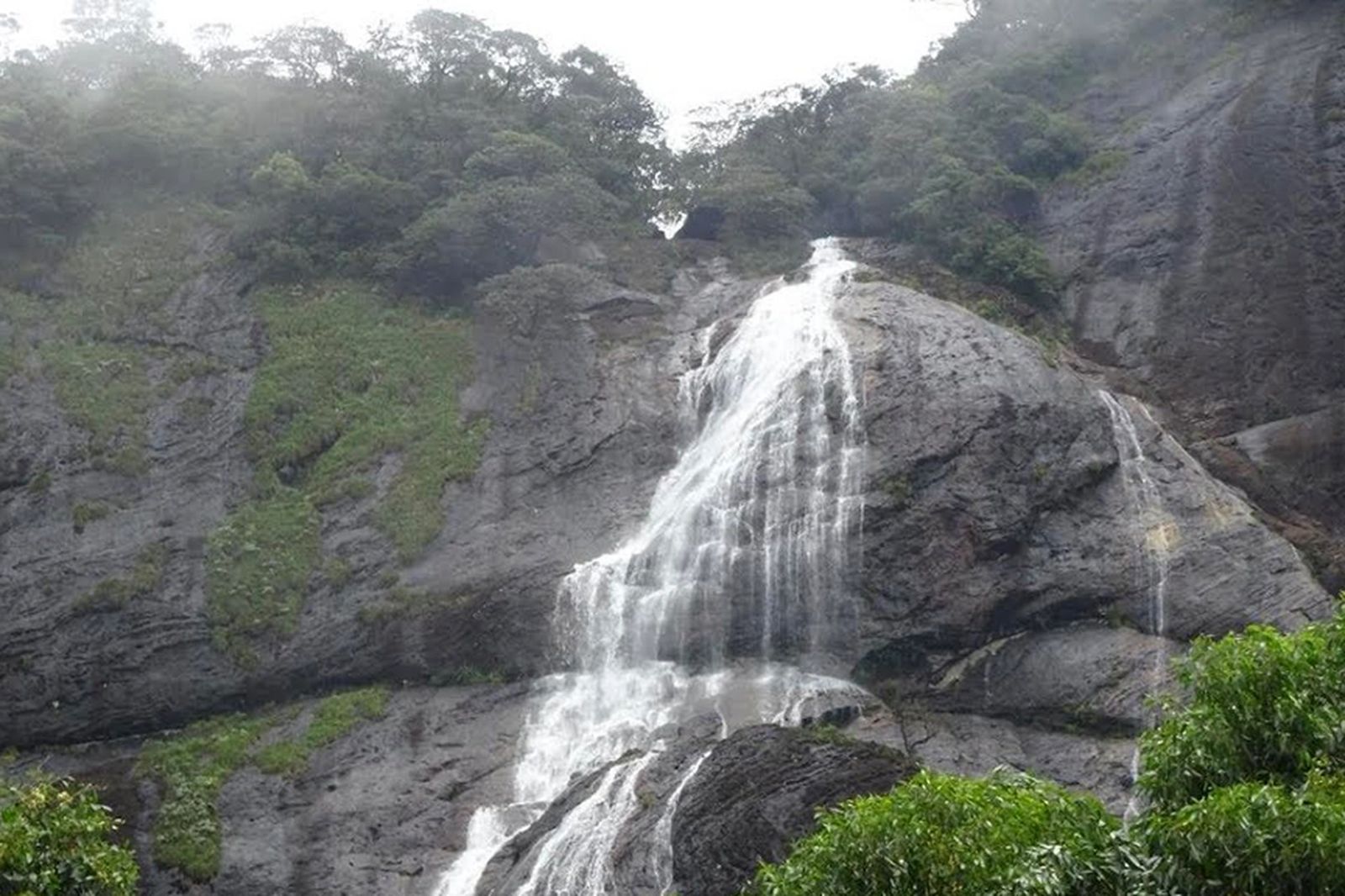
To stand before Yaka Andu Ella is to experience the raw, untamed power of Sri Lanka's central highlands. The name itself, roughly translating to 'Devil's Waterfall,' hints at the formidable force with which its waters plunge downwards. This isn't just a gentle cascade; it's a symphony of sound and spray, a visceral encounter with nature's might. As you approach, the air thickens with moisture, carrying the cool, refreshing mist that is a prelude to the spectacle ahead. The sound begins as a distant rumble, a low growl that steadily intensifies, building into a thunderous roar that vibrates through the very ground beneath your feet. It's a sound that demands attention, compelling you to pause, to listen, and to feel the immense energy contained within the plummeting water. The sheer volume of water, especially after a good rain, is breathtaking, carving its path over ancient rock faces, polished smooth by millennia of ceaseless flow. The light, filtering through the dense foliage, often catches the spray, creating ephemeral rainbows that dance in the air, adding a touch of ethereal beauty to the powerful scene. It's a place where the senses are overwhelmed in the most delightful way, leaving an indelible impression.
🌿 A Sanctuary of Emerald Green
Beyond the thundering waters, Yaka Andu Ella is cradled within a vibrant emerald embrace of lush rainforest. The journey to the falls itself is an immersion in this rich ecosystem. Towering trees, their branches draped with epiphytes and ferns, form a dense canopy that filters the sunlight into dappled patterns on the forest floor. The air is alive with the chirping of unseen birds, the buzz of insects, and the earthy scent of damp soil and decaying leaves. Every shade of green imaginable unfurls before your eyes, from the deep, almost black green of ancient tree trunks to the bright, almost luminous green of new growth. Keep an eye out for the flashes of colour – perhaps a vibrant butterfly flitting between blossoms, or a curious lizard sunning itself on a moss-covered rock. This isn't just a backdrop for the waterfall; it's an integral part of the experience, offering a sense of seclusion and wildness. The path, often winding and slightly uneven, adds to the sense of adventure, leading you deeper into this natural sanctuary. It’s a place where the very act of breathing feels cleaner, more profound, a reminder of the vital connection between water and life.
👣 The Path Less Trodden: A Sensory Journey
Reaching Yaka Andu Ella often involves a short, invigorating trek, a journey that stimulates the senses long before the waterfall itself comes into full view. The path, sometimes muddy after a rain, other times dusty and dry, guides you through a symphony of natural textures and sounds. Your feet crunch on fallen leaves and twigs, or sink slightly into soft earth, each step a tactile connection to the forest floor. The air, initially warm and humid, gradually cools as you descend or ascend, carrying the distinct scent of damp earth, decaying foliage, and the fresh, almost metallic tang of distant water. Sunlight plays hide-and-seek through the dense canopy, creating dynamic patterns of light and shadow that shift with every breeze. You might hear the rustle of unseen creatures in the undergrowth, the distant call of a jungle fowl, or the melodic chirping of cicadas. This isn't just a means to an end; it's an integral part of the adventure, allowing you to gradually shed the concerns of the outside world and fully immerse yourself in the natural rhythm of the forest. The anticipation builds with every turn, every bend in the path, making the eventual sight of the waterfall even more rewarding.
📸 Capturing Nature's Grandeur: Photography Tips
Yaka Andu Ella offers endless opportunities for stunning photography, but capturing its true essence requires a bit of thoughtful preparation. The sheer scale of the falls, combined with the often-challenging light conditions within the forest, presents both hurdles and creative possibilities. For wide-angle shots that convey the immense power and height, try to find viewpoints that allow for a full perspective without getting too close to the direct spray, which can quickly fog your lens. Long exposures, using a tripod, can transform the turbulent water into silky, ethereal streaks, creating a dreamlike quality that contrasts beautifully with the rugged rock. Don't forget to look for smaller details: the delicate ferns clinging to the rocks, the iridescent sheen on a wet leaf, or the intricate patterns in the moss. The dappled light can be tricky, creating high contrast, so consider shooting during overcast days or early mornings/late afternoons when the light is softer and more diffused. And always, always protect your camera from the inevitable mist and spray – a waterproof cover or a simple plastic bag can be a lifesaver. Patience is key; wait for the perfect moment, the ideal light, or the absence of other visitors to truly capture the magic of this wild place.
🧘♀️ Finding Serenity Amidst the Spectacle
While the initial impression of Yaka Andu Ella is one of overwhelming power, there's also a profound sense of serenity to be found here. Away from the immediate roar of the main plunge, perhaps on a quieter section of the stream above or below, you can discover pockets of tranquility. The rhythmic sound of the water, rather than being jarring, can become meditative, a constant, natural hum that helps to quiet the mind. Find a comfortable rock, sit for a while, and simply observe. Watch the water as it churns and flows, endlessly transforming, yet always the same. Feel the cool air on your skin, breathe in the fresh, oxygen-rich scent of the forest. This is a place for contemplation, for reconnecting with the elemental forces of nature. It's a reminder that even amidst chaos and power, there is an underlying order, a constant flow that endures. Allow the sounds and sights to wash over you, letting go of the stresses of daily life. Yaka Andu Ella offers more than just a visual spectacle; it offers an opportunity for introspection and a deep sense of calm that lingers long after you've left its emerald embrace.
🦋 Biodiversity Around the Falls
The microclimate created by Yaka Andu Ella and its surrounding forest fosters a rich tapestry of biodiversity. The constant moisture and shade provide an ideal habitat for a plethora of plant and animal life, making it a fascinating spot for nature enthusiasts. Look closely at the rocks and tree trunks near the falls, and you'll often discover a vibrant array of mosses, lichens, and ferns, each adapted to thrive in the perpetually damp conditions. The air above the water might be frequented by dragonflies and damselflies, their iridescent wings flashing in the sunlight. In the quieter pools and streams, small fish and freshwater crabs might be observed. Birdwatchers will be delighted by the potential sightings of various endemic species, their calls echoing through the dense canopy. Keep an eye out for small mammals, though they are often shy, and remember to respect their habitat by maintaining a quiet presence and leaving no trace. This ecosystem is a delicate balance, and every visitor plays a role in its preservation. The sheer variety of life here underscores the importance of protecting such pristine natural environments for future generations to explore and appreciate.
🌦️ Weather's Whims and the Waterfall's Mood
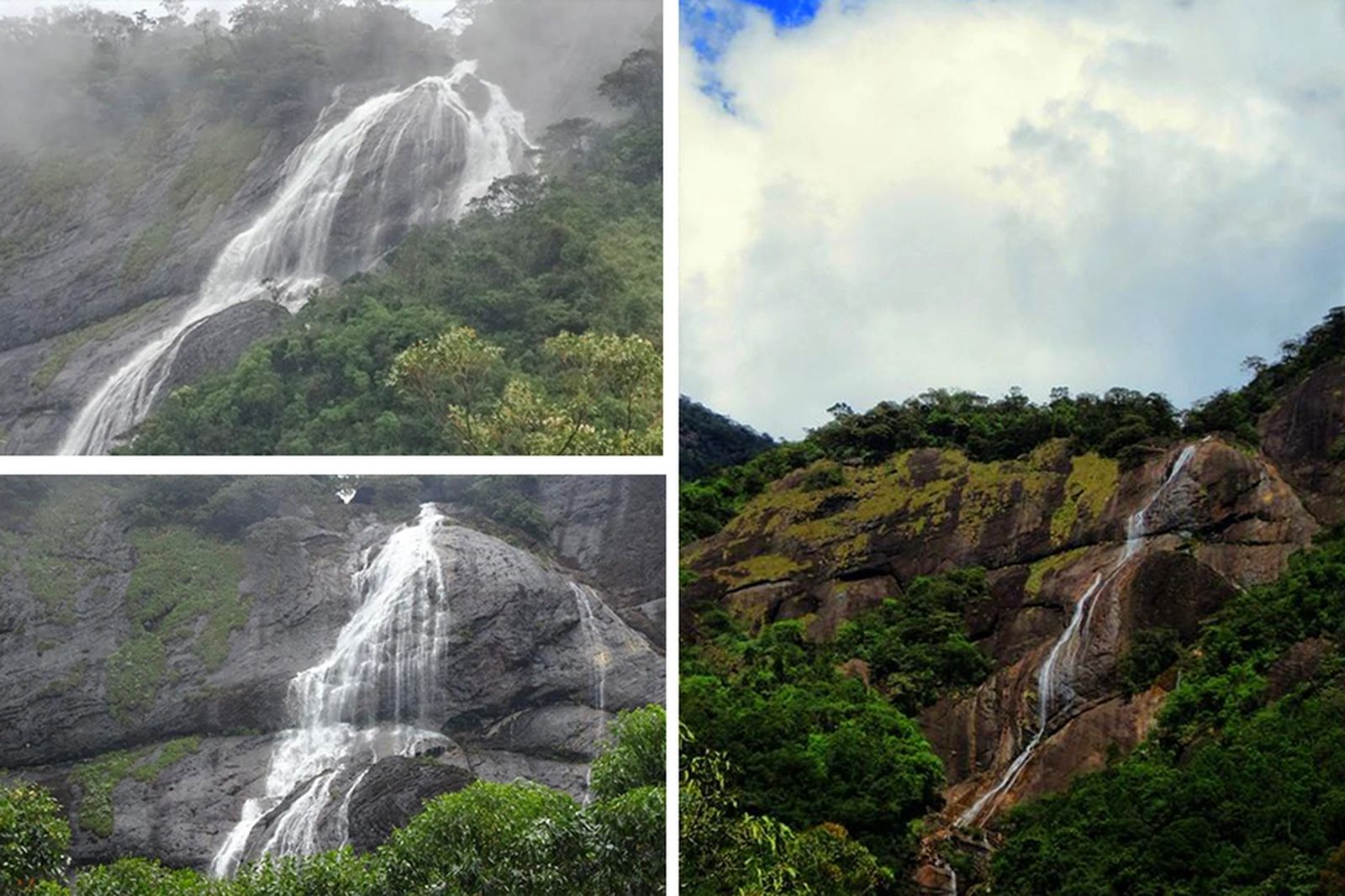
The character of Yaka Andu Ella is intimately tied to the weather, transforming with each shift in the sky. During the dry season, while still impressive, the waterfall might present a more slender, elegant form, its waters carving clear patterns down the rock face. The paths are generally easier to navigate, and the sunlight penetrates the canopy more readily, creating bright, inviting scenes. However, it's after a period of heavy rain that the 'Devil's Waterfall' truly lives up to its name. The volume of water swells dramatically, turning the cascade into a powerful, roaring torrent that fills the gorge with its thundering voice. The forest becomes a deeper, more vibrant green, and the air is thick with the scent of wet earth. While the paths can be muddier and more challenging during these times, the spectacle of the fully unleashed waterfall is undeniably more awe-inspiring. Visitors should be prepared for both scenarios, understanding that each offers a unique and equally captivating experience of Yaka Andu Ella's ever-changing moods. Always check local weather forecasts before your visit to best prepare for the conditions you might encounter.
🗺️ Exploring the Environs: Beyond the Falls
While Yaka Andu Ella is undoubtedly the star attraction, the surrounding region offers opportunities for further exploration, allowing you to extend your immersion in Sri Lanka's natural beauty. Depending on its exact location, the falls might be nestled near other smaller cascades, scenic viewpoints, or even local villages that offer a glimpse into rural Sri Lankan life. A short hike upriver or downriver from the main waterfall could reveal quieter pools perfect for a refreshing dip (if safe and permitted), or different perspectives of the landscape. Engaging with local communities, perhaps by stopping at a small tea stall or a wayside vendor, can enrich your experience, offering insights into the local culture and hospitality. These surrounding areas often provide gentler trails for those seeking a less strenuous walk, or simply a chance to enjoy the serene beauty of the countryside. Always inquire locally about safe and accessible routes beyond the immediate vicinity of the falls, ensuring you respect private property and local customs. Expanding your exploration can turn a simple waterfall visit into a broader adventure, unveiling more layers of this enchanting island.