The Guide
Contents
🌿 Introduction to Kumana National Park
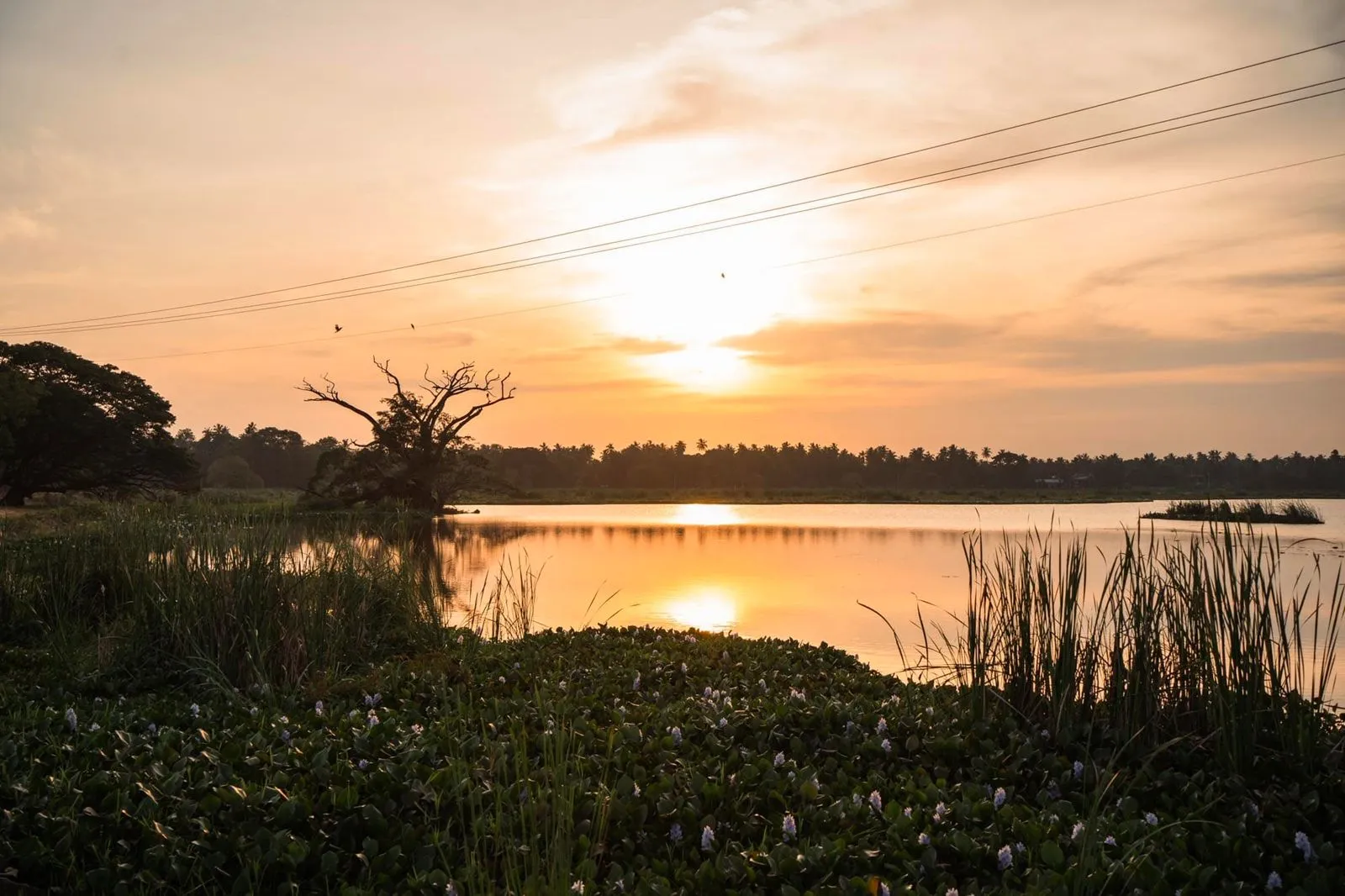
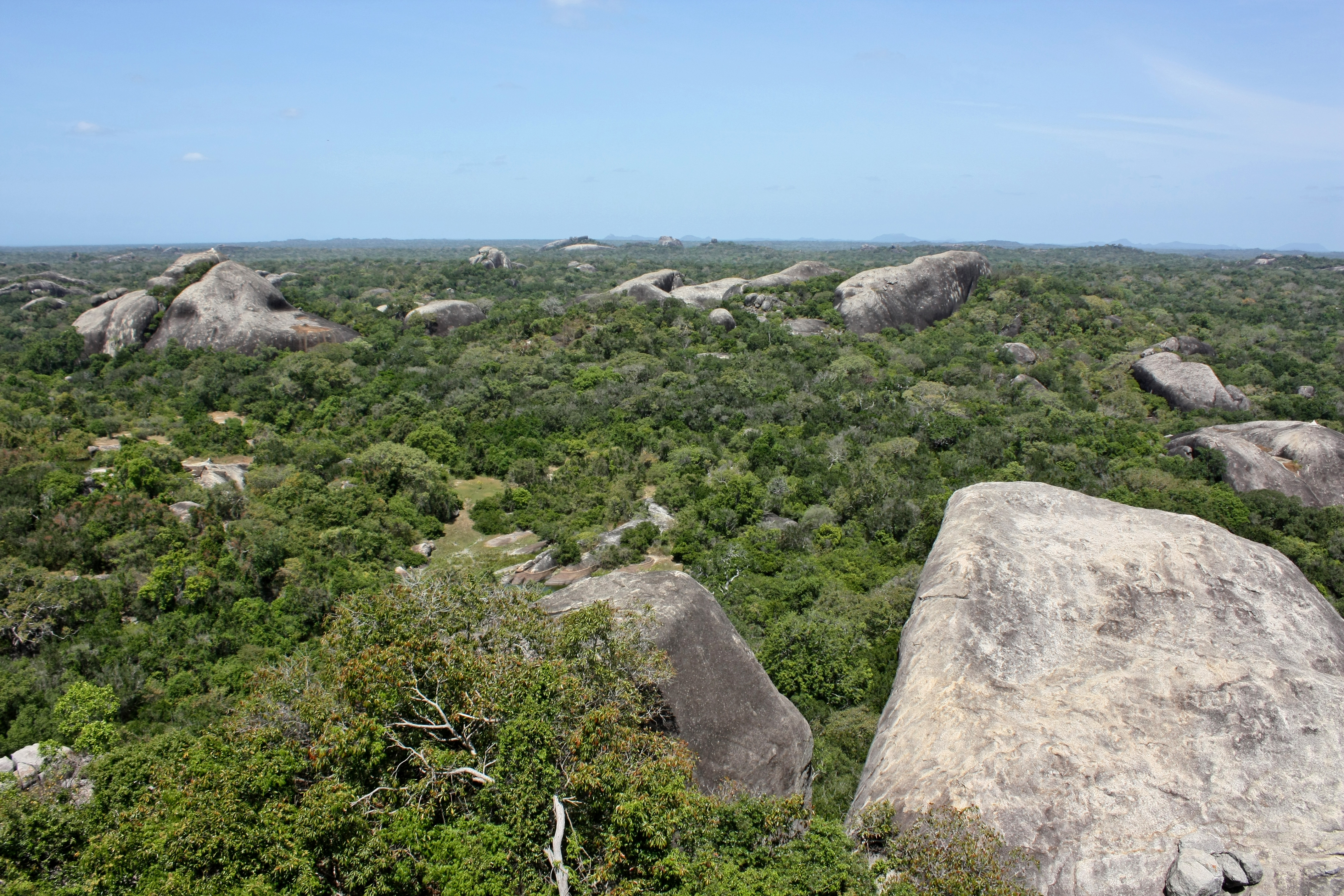
Welcome to Kumana National Park, a true avian paradise nestled on Sri Lanka's southeastern coast, adjacent to the more famous Yala National Park. While Yala often steals the limelight, Kumana offers a more serene and equally captivating wildlife experience, particularly for bird enthusiasts. This remarkable park is renowned for its diverse birdlife, especially during the migratory season, making it a must-visit destination for anyone seeking an authentic encounter with Sri Lanka's natural beauty. Spanning an area of approximately 35,664 hectares, Kumana is characterized by a mosaic of dry zone forests, thorny scrublands, and a vital wetland ecosystem, dominated by the Kumana Villu – a natural swamp lake fed by the Kumbukkan Oya. This villu is the lifeblood of the park, attracting a spectacular array of waterbirds and other wildlife.
Historically, Kumana has been a significant site for both wildlife and human activity, with evidence of ancient civilizations found within its boundaries. Today, it stands as a testament to successful conservation efforts, protecting a unique blend of flora and fauna. The park's relatively untouched status provides a more intimate and less crowded safari experience compared to some of its counterparts, allowing visitors to truly immerse themselves in the sights and sounds of the wilderness. Imagine the thrill of spotting a rare migratory bird, the quiet rustle of an elephant moving through the bushes, or the vibrant flash of a peacock's plumage against the green backdrop. Kumana promises these moments and more, etching unforgettable memories into the hearts of its visitors.
🐦 Avian Wonders of Kumana
Kumana National Park is undeniably a birdwatcher's dream. The Kumana Villu, a 200-hectare natural swamp, is the central attraction, serving as a vital breeding and feeding ground for an incredible diversity of resident and migratory birds. During the migratory season, typically from April to July, the park transforms into a bustling avian metropolis, with thousands of birds flocking to its wetlands. You can expect to see a dazzling array of species, including painted storks, Eurasian spoonbills, great egrets, intermediate egrets, little egrets, purple herons, grey herons, Indian pond herons, and black-crowned night herons. The sight of these birds wading in the shallow waters, expertly hunting for fish and insects, is truly mesmerizing. Keep an eye out for the striking lesser adjutant, a large stork that is a resident breeder here, and the rare black-necked stork.
Beyond the waterbirds, the park's dry zone forests and scrublands are home to a plethora of terrestrial bird species. Look for majestic peacocks displaying their vibrant feathers, the elusive jungle fowl, various species of kingfishers, bee-eaters, barbets, and a wide range of raptors such as white-bellied sea eagles and crested serpent eagles soaring high above. The sheer volume and variety of birdlife make every safari an exciting treasure hunt, with new species appearing around every bend. Binoculars are an absolute essential for any visit to Kumana, allowing you to get up close and personal with these feathered marvels without disturbing their natural habitat. The early morning hours are particularly rewarding for birdwatching, as the cool air and soft light bring out the most activity.
🐘 Mammals and More
While birds are the stars of Kumana, the park is also home to a significant population of mammals, offering a comprehensive wildlife experience. The Sri Lankan elephant 🐘, though perhaps not as frequently seen as in Yala, roams the park, and sightings of these magnificent creatures are always a highlight. Keep your eyes peeled for herds moving gracefully through the vegetation or even bathing in the waterholes. The elusive Sri Lankan leopard 🐆, though shy, also inhabits Kumana, and while sightings are rarer than in Yala, the thrill of potentially spotting one adds an extra layer of excitement to your safari. Other commonly seen mammals include spotted deer (Chital) 🦌, wild boar 🐗, sambar, buffalo, and golden jackals. You might also encounter various species of monkeys, such as the grey langur and toque macaque, playfully swinging through the trees.
The park's wetlands are also home to reptiles, including crocodiles 🐊, which can often be seen basking on the banks of the Kumana Villu or in other water bodies. Monitor lizards are also a common sight, scuttling across the paths. The diverse ecosystem supports a rich tapestry of life, from tiny insects to large predators, making every safari an unpredictable and exhilarating adventure. The interaction between different species, the predator-prey dynamics, and the sheer resilience of nature are all on full display in Kumana. A good safari guide will be invaluable in helping you spot these creatures and providing insights into their behavior and habitat.
🗓️ Best Time to Visit & Safari Experience
The best time to visit Kumana National Park for birdwatching is during the migratory season, which typically runs from April to July. During these months, the Kumana Villu is teeming with thousands of migratory birds, creating a spectacular display. However, the park offers excellent wildlife viewing opportunities throughout the year. The dry season (May to September) is generally good for spotting mammals as they congregate around the remaining water sources. The wet season (October to January) brings lush greenery and can also be rewarding, though some tracks might be more challenging to navigate.
Safaris in Kumana are conducted in open-top jeeps, accompanied by experienced drivers and guides. These jeeps provide excellent vantage points for wildlife viewing and photography 📸. It's recommended to book your safari in advance, especially during peak season. Early morning safaris (starting around 6:00 AM) and late afternoon safaris (starting around 2:30 PM) are generally the most productive, as animals are most active during these cooler hours. A typical safari lasts around 3-4 hours, giving you ample time to explore the park's diverse habitats. Remember to bring your camera, binoculars, and plenty of water!
🌳 Conservation and Sustainability
Kumana National Park plays a crucial role in Sri Lanka's conservation efforts. Its protection ensures the survival of numerous endemic and migratory species, contributing significantly to global biodiversity. The park is managed by the Department of Wildlife Conservation, which implements various initiatives to protect its ecosystems and wildlife. Visitors are encouraged to practice responsible tourism, respecting the park's rules and regulations, such as staying on designated tracks, not littering, and maintaining a safe distance from animals. By choosing to visit Kumana, you are directly supporting these conservation efforts and contributing to the preservation of this magnificent natural heritage for future generations. Let's ensure that the pristine beauty of Kumana continues to thrive. 🙏