The Guide
Contents
Imagine waking to the gentle mist unfurling over emerald hills, the crisp mountain air carrying the distant scent of brewing tea, and the soft chirping of birds accompanying the first rays of dawn. This isn't a dream, but the everyday reality at Edinburgh Estate, a breathtaking jewel nestled high in Sri Lanka's central highlands. Far removed from the bustling lowlands, Edinburgh Estate offers a serene escape, a chance to immerse yourself in the heart of Ceylon tea country, where time seems to slow down, and nature's grandeur takes center stage. It's more than just a tea estate; it's an experience, a journey into the soul of Sri Lanka's most iconic export, framed by unparalleled natural beauty.
As you ascend the winding roads, leaving behind the cacophony of urban life, you're greeted by a landscape that transforms with every turn. The vibrant greens of tea bushes blanket the rolling hills, meticulously manicured and stretching as far as the eye can see. These verdant carpets are punctuated by the occasional flash of a worker's sari, adding splashes of color to the otherwise monochromatic canvas. Edinburgh Estate embodies the quintessential charm of a Sri Lankan tea plantation, offering visitors a glimpse into the intricate process of tea cultivation, from tender leaf to aromatic brew. It’s a place where tradition meets tranquility, and every vista is a postcard-perfect scene.
🌿 A Verdant Tapestry: Exploring the Tea Fields
Stepping onto the grounds of Edinburgh Estate is like entering a living, breathing painting. The meticulously managed tea fields are a testament to generations of hard work and dedication. Here, the air is clean, invigorating, and carries the subtle, earthy aroma of tea leaves. You can wander through these endless rows, feeling the soft texture of the tea leaves between your fingers, and observing the skilled tea pluckers at work. Their nimble fingers, honed by years of practice, deftly select only the 'two leaves and a bud' – the premium pickings that will eventually contribute to the world-renowned Ceylon tea. This intimate interaction with the tea bushes offers a profound appreciation for the effort involved in producing your daily cup.
Beyond the agricultural aspect, the tea fields themselves offer incredible opportunities for photography and quiet contemplation. The changing light throughout the day casts different shadows and highlights, transforming the landscape continuously. Early mornings often bring a mystical fog that clings to the peaks, gradually dissipating to reveal stunning panoramic views. Late afternoons are bathed in a golden glow, making for perfect sunset vistas. Birdwatchers will also find delight here, as the estate's natural environment attracts a variety of avian species, adding a melodic soundtrack to your explorations. Take your time to simply breathe in the fresh air and absorb the peaceful atmosphere.
☕ From Leaf to Cup: The Tea Factory Experience
No visit to a Sri Lankan tea estate is complete without a tour of the tea factory, and Edinburgh Estate offers an insightful journey into the alchemy of tea production. The factory, often a historic building itself, hums with the gentle rhythm of machinery that has stood the test of time. Knowledgeable guides, often with a deep personal connection to the estate, will walk you through each stage of the process, explaining the intricate steps involved in transforming raw tea leaves into the fragrant, rich brew we all cherish. You'll witness the withering process, where leaves are spread out to reduce moisture, followed by rolling, which breaks down the leaf cells and releases enzymes.
The fermentation stage, often referred to as oxidation, is crucial for developing the tea's characteristic flavor and color. Finally, the leaves are fired or dried, stopping the oxidation process and preserving the tea's qualities. The air inside the factory is rich with the distinct aroma of drying tea, a scent that is both comforting and invigorating. This firsthand experience not only educates but also instills a newfound respect for the heritage and craftsmanship behind Ceylon tea. You’ll leave with a much deeper appreciation for the journey your tea takes before it reaches your mug.
🏞️ Panoramic Vistas & Highland Hikes
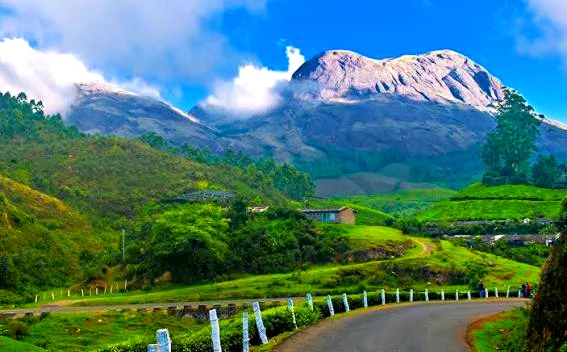
Edinburgh Estate is not just about tea; it's also a gateway to some of Sri Lanka's most spectacular highland scenery. The estate itself is perched amidst rolling hills and offers breathtaking panoramic views of the surrounding valleys and distant mountain ranges. Imagine gazing out over an endless sea of green, punctuated by the occasional waterfall cascading down a distant cliff face. These vistas are particularly stunning during sunrise and sunset, when the sky explodes in a riot of colors, casting a magical glow over the landscape.
For those who enjoy a bit of adventure, the area around Edinburgh Estate provides excellent opportunities for gentle hikes and nature walks. You can explore lesser-known trails that wind through the tea plantations, leading to secluded viewpoints or perhaps a charming local village. The cooler climate of the highlands makes these walks incredibly pleasant, offering a refreshing alternative to the heat of the lowlands. Keep an eye out for local wildlife, from colorful birds to elusive deer. Remember to wear comfortable walking shoes and carry water, as some paths can be uneven. These explorations offer a chance to connect even more deeply with the natural beauty that defines this region.
🏡 Colonial Charms & Tranquil Stays
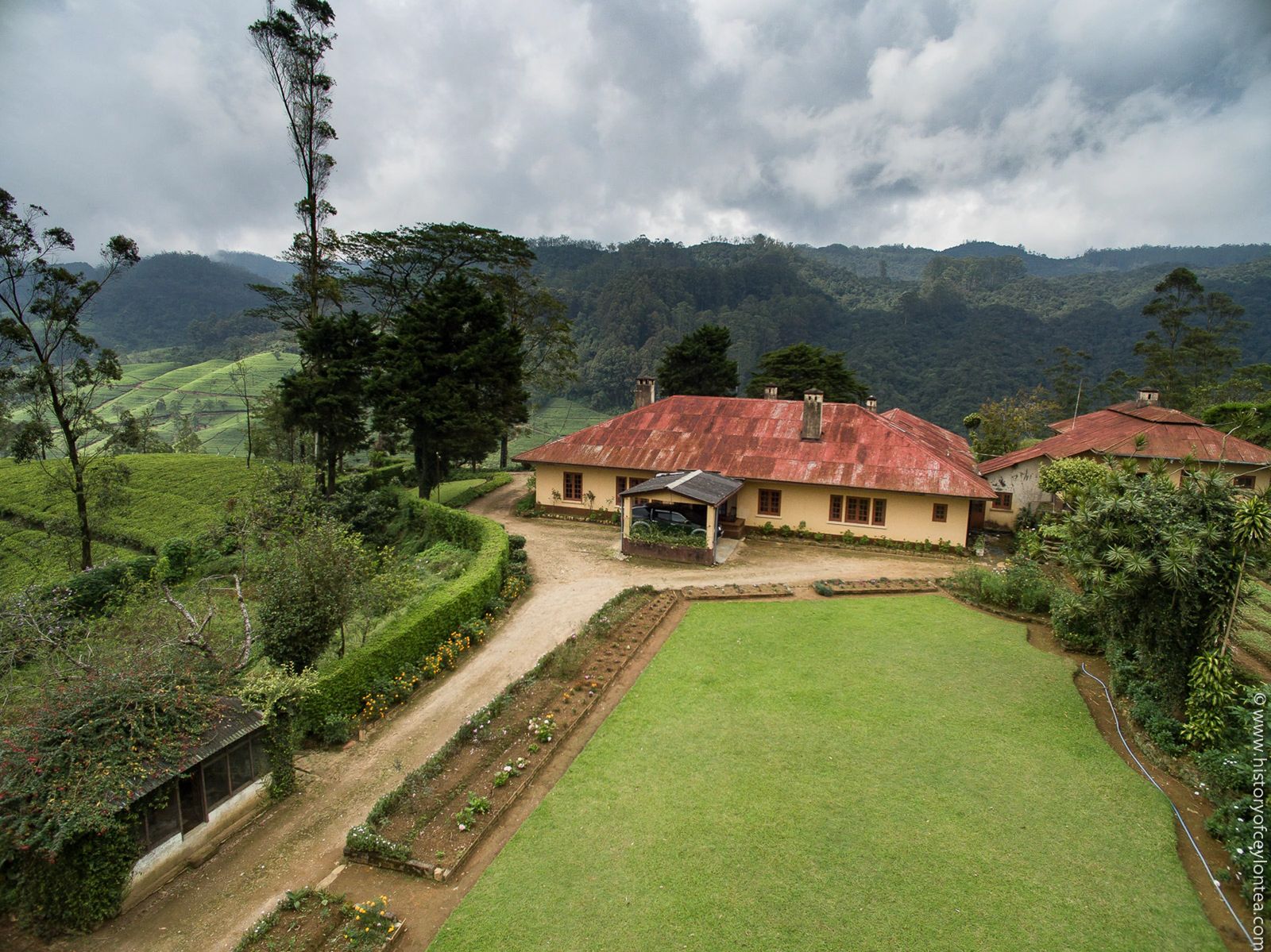
Many tea estates in Sri Lanka, including those in the vicinity of Edinburgh Estate, boast charming colonial-era bungalows that have been lovingly preserved and converted into boutique accommodations. Staying in one of these bungalows offers a unique opportunity to step back in time and experience the grandeur of a bygone era. Imagine elegant verandas, roaring fireplaces (a welcome luxury in the cool highlands), and impeccable service reminiscent of the British colonial period. These bungalows often feature antique furniture, spacious rooms, and stunning views of the tea gardens or surrounding mountains.
Beyond the aesthetics, the experience of staying on a tea estate is one of profound tranquility. Waking up to the sounds of nature, enjoying freshly brewed Ceylon tea on your private balcony, and savoring gourmet meals prepared with local ingredients – it’s an immersive escape from the ordinary. Some estates also offer activities like tea tasting sessions, cooking classes, or even guided walks with naturalists. This blend of historical charm, luxurious comfort, and natural beauty makes for an unforgettable stay, allowing you to fully unwind and recharge amidst the serene highlands.
🍽️ Culinary Delights in the Mist
The culinary experience around Edinburgh Estate is as enriching as the scenery. Many of the boutique hotels and guesthouses in the region pride themselves on offering exquisite dining, often featuring farm-to-table ingredients. Expect delicious Sri Lankan cuisine, prepared with fresh, local produce, alongside international dishes that cater to diverse palates. The cooler climate of the highlands makes warm, hearty meals particularly appealing. Imagine savoring a rich curry, fragrant with local spices, accompanied by fluffy rice and an array of sambols, all while enjoying panoramic views from a cozy restaurant.
Of course, no meal in tea country is complete without an abundance of freshly brewed Ceylon tea. From robust black teas to delicate green varieties, you'll have the opportunity to sample some of the finest teas directly from the source. Many establishments also offer afternoon tea, a delightful tradition where you can indulge in an assortment of sandwiches, pastries, and scones, all paired with exquisite tea. For a more authentic local experience, venturing into nearby towns might reveal smaller eateries serving traditional Sri Lankan fare, offering a taste of the local culture and hospitality. Don't miss the chance to try some of the local short eats and sweet treats.
💧 Whispering Waterfalls & Hidden Gems
The highlands of Sri Lanka are dotted with numerous waterfalls, and the area surrounding Edinburgh Estate is no exception. These natural wonders, often fed by mountain streams, add another layer of beauty to the already stunning landscape. Some waterfalls are easily accessible, visible from main roads, while others require a short trek through lush forests, rewarding adventurers with a refreshing dip in cool, clear waters. The sound of rushing water is a constant, soothing presence in this region, contributing to its peaceful ambiance.
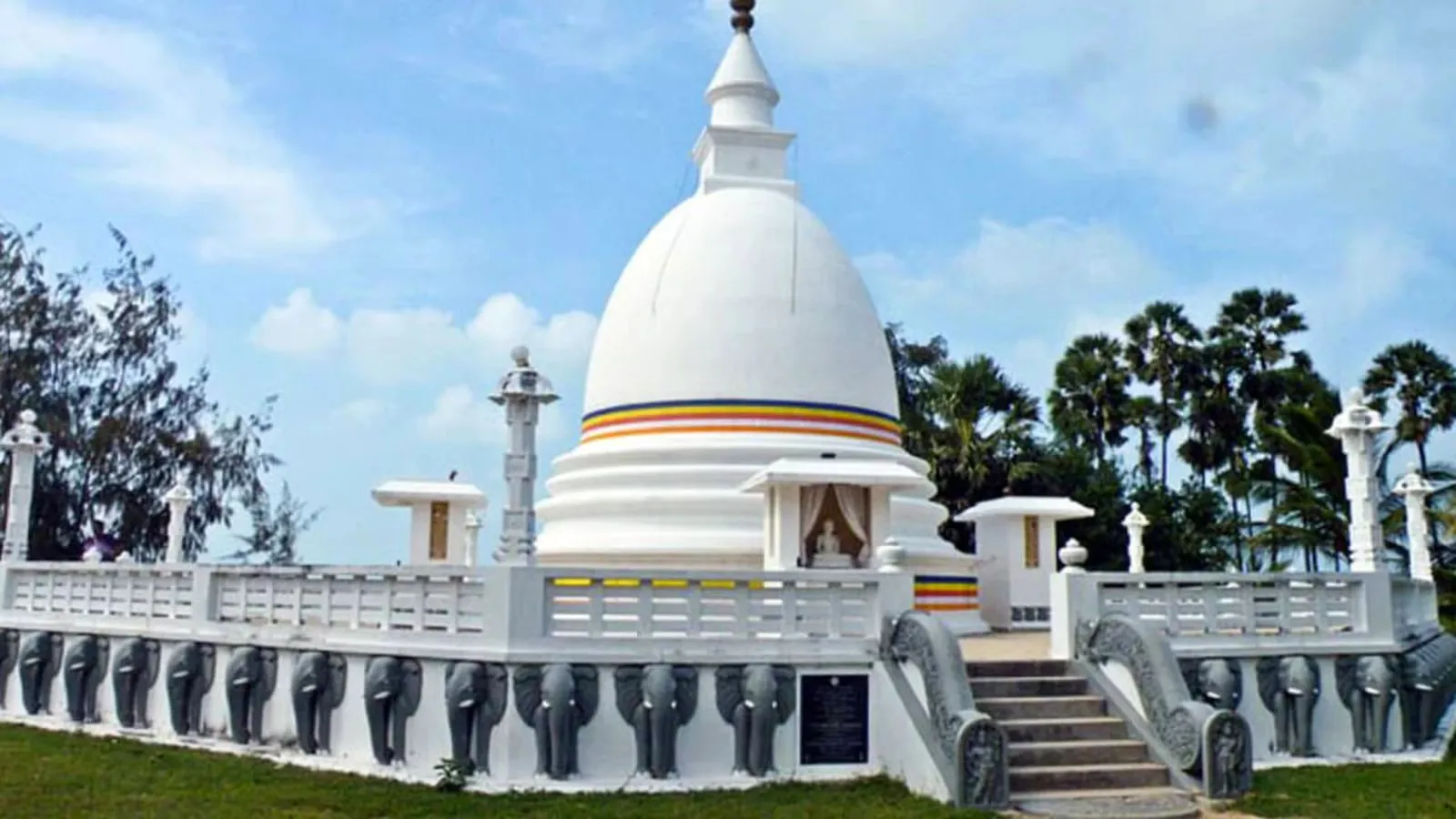
Exploring the vicinity might also lead you to discover other hidden gems: quaint villages where life moves at a slower pace, vibrant local markets brimming with fresh produce and handicrafts, or perhaps even a small, serene temple tucked away amidst the hills. These off-the-beaten-path discoveries provide a deeper insight into the local way of life and offer unique photo opportunities. Engaging with the local communities, even with a simple smile, can be a rewarding experience, revealing the warmth and hospitality that Sri Lankans are renowned for. Always respect local customs and traditions when visiting these areas.
🌄 Sunrise Spectacles and Sunset Serenity
The high elevation of Edinburgh Estate blesses it with some of the most spectacular sunrises and sunsets in Sri Lanka. Waking up early to witness the sun slowly paint the sky with hues of orange, pink, and purple, as the mist gently lifts from the valleys, is an unforgettable experience. The cool morning air, the silence broken only by birdsong, and the panoramic views stretching to the horizon create a moment of profound peace and natural beauty. Many accommodations in the area are strategically positioned to maximize these breathtaking views, offering private balconies or communal viewing decks.
Similarly, the sunsets are equally captivating. As the day draws to a close, the sky transforms into a canvas of vibrant colors, casting long shadows over the tea fields and mountains. It's the perfect time to unwind with a cup of freshly brewed tea, reflecting on the day's adventures, or simply soaking in the serene atmosphere. Whether you're an avid photographer or simply a lover of natural beauty, these daily spectacles at Edinburgh Estate will leave an indelible mark on your memory, reminding you of the island's incredible natural charm and tranquility. Don't forget your camera to capture these magical moments.