दिवालगास्काडा वेवा

दिवालगास्काडा वेवा

4.1 · 0 reviews 114 views Last updated Nov 18, 2026
4.1Rating
The dry season, from May to September, offers the most pleasant weather for a visit.Best Time
FreeEntry Fee
2-3 HoursSuggested Time
EasyDifficulty
6 minRead Time

Where to stay near दिवालगास्काडा वेवा

Compare live prices with our booking partners.

Some links below are affiliate links. If you book through them we may earn a small commission — at no extra cost to you. How this works.

Cost & practical info

Entry fee Free Confirm current fees on site
Best time to visit The dry season, from May to September, offers the most pleasant weather for a visit.
Suggested time 2-3 Hours
Difficulty Easy

Prices and opening hours can change — always confirm with the official site before you travel.

The Guide

Step back in time at Diwulgaskada Wewa, where ancient engineering meets serene natural beauty, offering a tranquil escape from the modern world.

🌅 Echoes of an Ancient Civilization: Diwulgaskada's Enduring Legacy

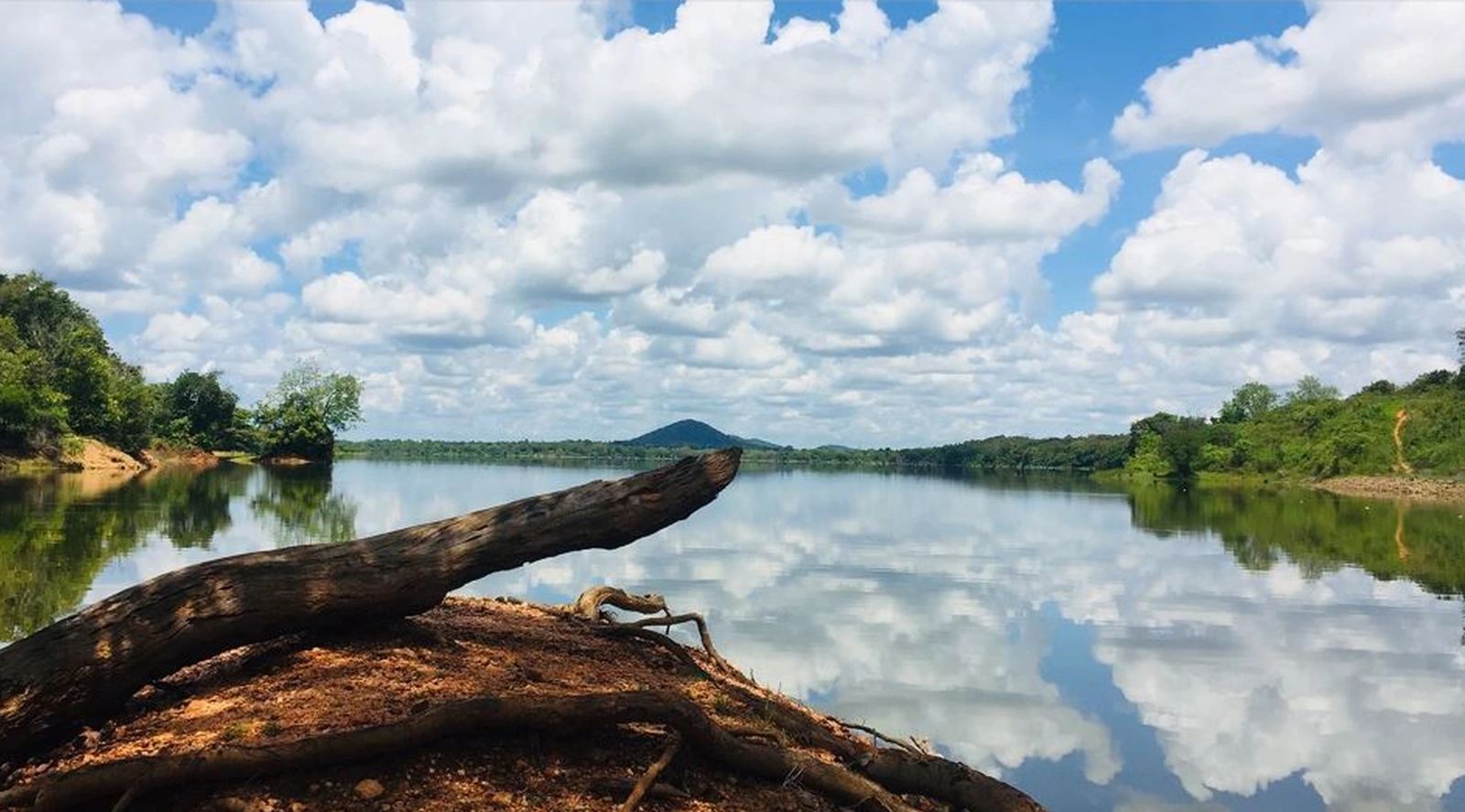
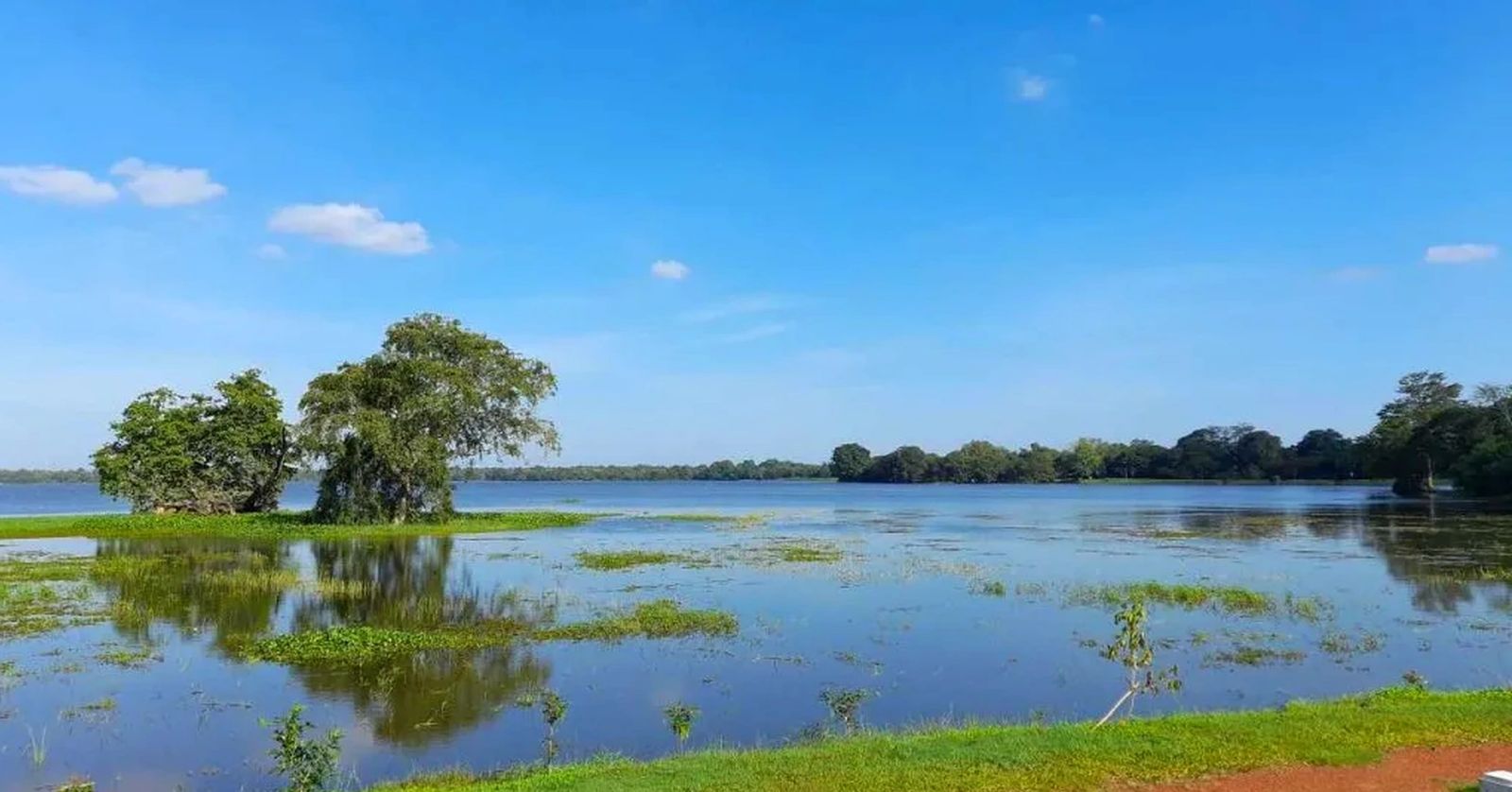
Diwulgaskada Wewa isn't just a body of water; it's a living testament to the ingenuity and foresight of ancient Sinhalese civilization, a colossal irrigation tank that has sustained life and agriculture for centuries. Nestled in a region rich with historical significance, this magnificent reservoir tells a story of human perseverance, architectural brilliance, and a deep understanding of hydraulic engineering that predates many of the world's renowned wonders. As you stand on its bund, gazing across the expansive surface reflecting the boundless sky, you can almost hear the whispers of the past – the rhythmic chants of workers, the distant calls of elephants used in construction, and the gentle murmur of water flowing into ancient sluice gates. The sheer scale of the wewa is awe-inspiring, a reminder of a bygone era when such monumental projects were undertaken not just for survival, but as a testament to a flourishing civilization deeply connected to its land.

This isn't a bustling tourist hotspot, nor is it adorned with flashy modern amenities. Instead, Diwulgaskada Wewa offers something far more profound: an authentic encounter with Sri Lanka's soul. It's a place where history isn't confined to dusty museum exhibits but lives and breathes in the very landscape. The surrounding area, largely agricultural, still benefits from the wewa's life-giving waters, connecting the present-day communities directly to their ancestral roots. Farmers continue to cultivate paddy fields, their livelihoods inextricably linked to the ebb and flow of this ancient reservoir, just as their ancestors did millennia ago. This continuity is a powerful aspect of Diwulgaskada's charm, making it a truly unique destination for those seeking to understand the enduring spirit of Sri Lanka.

🌿 Nature's Embrace: A Haven for Serenity & Wildlife

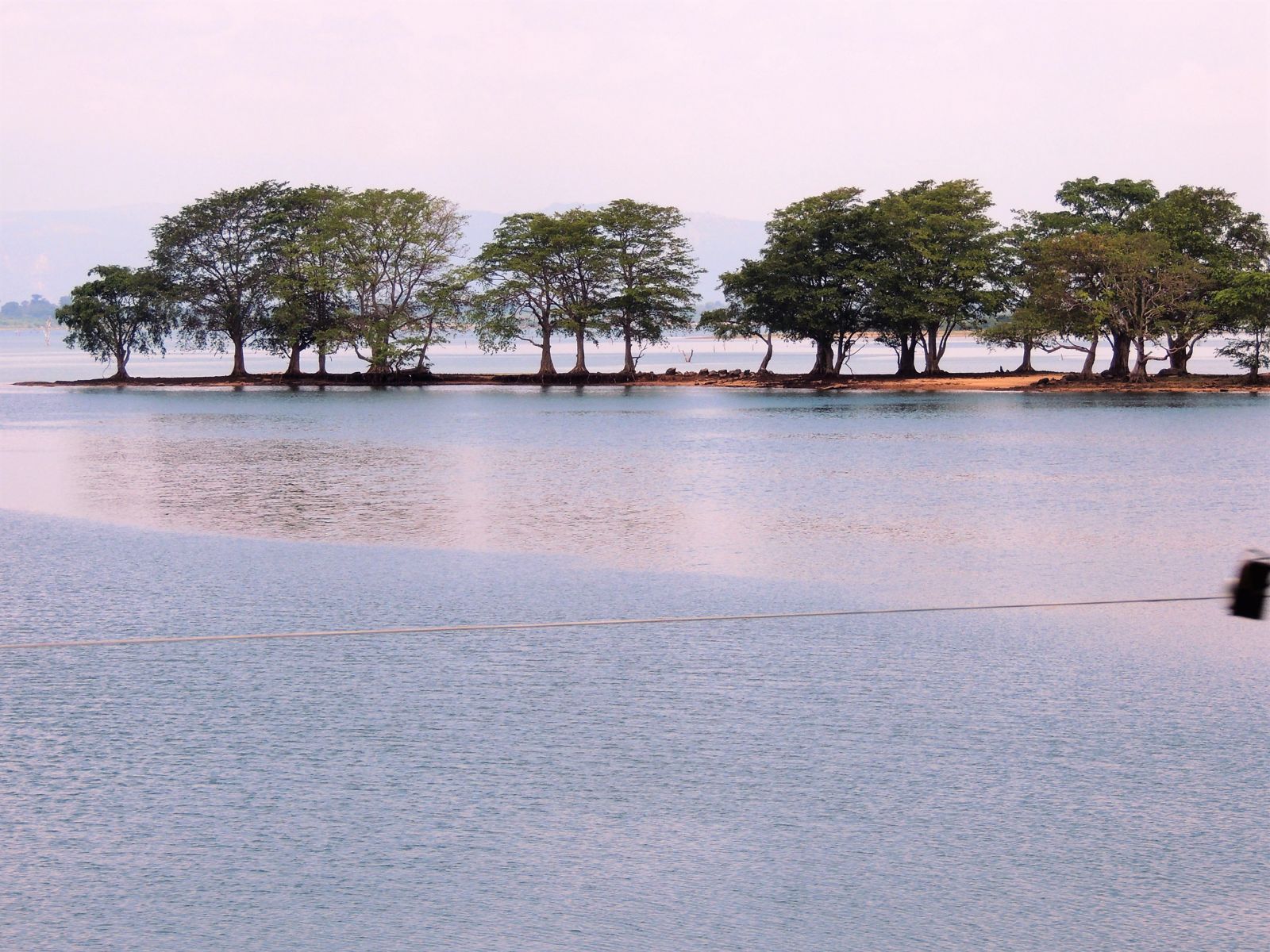
Beyond its historical grandeur, Diwulgaskada Wewa is a sanctuary of natural beauty and biodiversity. The calm waters, fringed by lush vegetation, create a picturesque landscape that invites contemplation and relaxation. Birdwatchers will find themselves in paradise, with a myriad of resident and migratory species gracing the skies and waters. From majestic eagles soaring overhead to vibrant kingfishers darting for their prey, and flocks of egrets wading gracefully in the shallows, the wewa is a vibrant ecosystem teeming with life. The early morning mist rising from the water, combined with the chorus of birdsong, creates an ethereal atmosphere that is nothing short of magical. It's a photographer's dream, offering endless opportunities to capture the subtle beauty of nature in its purest form.

The surrounding scrub jungle and paddy fields also host a variety of other wildlife. While large mammals are less common near the main bund, one might spot monitor lizards basking in the sun, playful otters in the quieter inlets, or even a glimpse of a shy deer retreating into the dense foliage. The flora around the wewa is equally captivating, with indigenous trees providing shade and shelter, and aquatic plants adding to the serene aesthetic. Taking a leisurely stroll along the bund, or finding a quiet spot to simply sit and absorb the tranquility, is an experience that rejuvenates the spirit. The air is fresh, often carrying the scent of damp earth and blooming wildflowers, a stark contrast to the urban clamour. This natural tapestry makes Diwulgaskada Wewa an ideal destination for those seeking peace, a connection with nature, and a break from the ordinary.

🚶‍♀️ Exploring the Periphery: Beyond the Bund

While the wewa itself is the star attraction, the areas immediately surrounding Diwulgaskada offer further avenues for exploration. Consider venturing slightly off the beaten path to discover smaller, interconnected irrigation channels that branch off from the main reservoir. These channels, often shaded by mature trees, provide excellent opportunities for gentle walks and offer different perspectives of the landscape and its intricate water management system. You'll gain a deeper appreciation for the complex network that ancient engineers devised to distribute water efficiently across vast agricultural lands.

For those with an interest in local life, a visit to nearby villages can be particularly enriching. Here, you can observe traditional farming practices, perhaps even witness farmers tending to their paddy fields or fishermen casting their nets in the wewa. The pace of life here is slow and unhurried, offering a glimpse into a rural Sri Lankan existence that remains deeply connected to the land and its resources. Always approach with respect and a friendly demeanor, and you might find yourself invited for a cup of tea or a brief chat, providing invaluable cultural insights. Remember, these are working communities, so be mindful of privacy and local customs.

Another fascinating aspect of the periphery is the potential for discovering smaller, less-known archaeological remnants. While Diwulgaskada Wewa itself is a monumental feat, the region was dotted with numerous ancient settlements, and sometimes, unassuming ruins or ancient stone pillars can be found in unexpected places. These discoveries, though often modest, serve to reinforce the deep historical layers of this landscape and add another layer of intrigue to your visit. Always be respectful of any such findings and avoid disturbing them.

📸 Capturing Moments: Photography & Reflection

Diwulgaskada Wewa is a photographer's paradise, offering a diverse range of subjects and moods throughout the day. The golden hours of sunrise and sunset are particularly spectacular, when the low-angle light bathes the landscape in warm hues, creating stunning reflections on the water's surface. The vast expanse of the wewa, combined with the dramatic skies, makes for breathtaking panoramic shots. Don't forget to capture the details too: the intricate patterns of water plants, the textures of the ancient stone sluice gates, and the graceful silhouettes of birds against the setting sun. A wide-angle lens would be beneficial for capturing the scale, while a telephoto lens would be excellent for bird photography.

Beyond photography, the wewa provides an ideal setting for quiet reflection. The absence of crowds and commercial distractions allows for a genuine connection with your surroundings. Whether you're a history enthusiast contemplating the ancient engineers, a nature lover marveling at the biodiversity, or simply someone seeking a moment of peace, Diwulgaskada Wewa offers a profound sense of calm. Bring a journal, a sketchbook, or simply allow yourself the luxury of mindful observation. This destination truly rewards those who take the time to slow down and immerse themselves in its unique atmosphere. It's not just about seeing; it's about feeling and understanding the enduring spirit of this remarkable place.

The cultural significance of such ancient reservoirs extends beyond their practical use. They were often considered sacred, imbued with a spiritual aura that reflected the reverence ancient communities held for water, the source of all life. While there may not be grand temples directly on the bund, the entire landscape subtly radiates this sense of sacredness, a deep-rooted respect for nature's bounty and human ingenuity working in harmony. This spiritual resonance adds another layer of depth to your visit, inviting a more contemplative and respectful engagement with the site.

Even the local cuisine, if you get a chance to experience it in a nearby village, will reflect the bounty of the wewa. Freshwater fish from the reservoir often feature in local dishes, prepared with traditional spices and methods, offering a true taste of the region. This culinary connection further deepens the immersive experience, linking your senses to the very essence of Diwulgaskada Wewa and its surrounding communities.

Travel Context

Practical, Sri Lanka-specific detail for दिवालगास्काडा वेवा — where it sits, how far it really is, what it costs and how to behave so your visit is welcome.

Where you are

Located in Sri Lanka. Distances look short on a map but roads are slow, so plan fewer stops per day than you would at home.

Climate & season

The dry season, from May to September, offers the most pleasant weather for a visit. The south and west coasts are driest from December to March; the east coast from April to September. Conditions change quickly in the hill country, where mist and afternoon rain are routine.

What it costs

Entry is listed as Free. Budget separately for transport, food and any guide. Foreign-visitor tickets at major sites are priced in USD, and card machines are unreliable outside the main towns — carry rupees in small notes.

Etiquette & safety

Keep a respectful distance, stay quiet, and never ask a driver to chase an animal or leave the track. Dawn and late afternoon are the most productive hours, and muted colours help you blend in.

Best Time to Visit

Jan
Feb
Mar
Apr
May
Jun
Jul
Aug
Sep
Oct
Nov
Dec
Keep Exploring

Related Travel Guides

How to Get There

Reaching Diwulgaskada Wewa typically involves a combination of public and private transport, as it is located in a more rural area. 🚗

  • By Car/Taxi: The most convenient way is to hire a private car or taxi, especially if you're coming from a major city like Anuradhapura or Polonnaruwa. This offers flexibility and comfort. Ensure your driver is familiar with the area.
  • By Bus: Local buses operate between larger towns and some of the smaller villages near Diwulgaskada. You would likely need to take a bus to a nearby town and then arrange for a tuk-tuk or local taxi for the final stretch. This option is more budget-friendly but requires more planning and patience. 🚌
  • By Train: While there isn't a direct train station at Diwulgaskada, you could take a train to a major hub like Anuradhapura or Polonnaruwa, and then proceed by bus or taxi. 🚂

It's always advisable to confirm directions with locals upon arrival in the general vicinity, as road signs might be minimal. A GPS-enabled map on your phone will also be very helpful. 🗺️

Safety & Travel Tips

Visit Early Morning or Late Afternoon: The light is best for photography, and the weather is cooler. This is also when bird activity is highest. ☀️📸
Dress Respectfully: While not a religious site in the traditional sense, dressing modestly (shoulders and knees covered) is always a good practice in rural Sri Lanka, showing respect for local customs. 🙏
Stay Hydrated: Carry plenty of water, especially if you plan to walk along the bund. 💧
Sun Protection: A hat, sunglasses, and sunscreen are essential, as there is limited shade. 🧢🕶️
Insect Repellent: Especially during dawn and dusk, mosquitoes can be present. 🦟
Binoculars: A must-have for birdwatching and appreciating the distant views. 🔭🦅
Footwear: Comfortable walking shoes are recommended for exploring the bund and surrounding areas. 👟
Respect Local Life: Be mindful of local farmers and villagers; avoid disturbing their work or privacy. 🤫
Leave No Trace: Carry out any trash you generate to preserve the natural beauty of the site. ♻️

Nearby Amenities

Restaurants/Eateries: There are no formal restaurants directly at Diwulgaskada Wewa. You might find small local eateries (kadé) in nearby villages offering basic Sri Lankan meals. For a wider selection, you'd need to travel to larger towns like Anuradhapura or Polonnaruwa. 🍽️
Accommodation: No hotels or guesthouses are available right at the wewa. The closest options would be in Anuradhapura or Polonnaruwa, ranging from budget guesthouses to more comfortable hotels. 🏨
ATMs/Banks: Not available on-site. The nearest ATMs and banks would be in the larger towns. Carry sufficient cash for local purchases. 💰
Hospitals/Medical Facilities: Basic medical facilities might be found in nearby towns, but for any serious medical emergency, you would need to go to a district hospital in a major city. 🏥
Toilets: Public toilet facilities are generally not available at rural sites like this. It's advisable to use facilities in a town before your visit. 🚻
Shops: Small village shops might sell basic necessities like snacks and drinks, but don't expect extensive options. 🛒

Sri Lanka Essentials

The things that catch visitors out on a first trip — money, connectivity, transport, health and the small etiquette rules that make a real difference.

Money & payments

The currency is the Sri Lankan rupee (LKR). Cards work in hotels, supermarkets and larger restaurants, but tuk-tuks, small entry gates, beach cafés and village shops are cash-only. Draw from bank ATMs in towns rather than standalone machines, keep small notes for change, and carry enough cash for two days when you head into the hill country or the north.

Connectivity & data

A local tourist SIM (Dialog, Mobitel or Hutch) is cheap and easy to buy at the airport or in any town with your passport. Coverage is good on the coasts and in towns, patchier in the Knuckles, parts of the north and inside national parks. Download offline maps and screenshots of bookings before remote drives.

Getting around

Trains are slow, scenic and very cheap — the hill-country line is the highlight. Buses cover almost everywhere but can be crowded. Tuk-tuks suit short hops; agree the fare first or use a metered app. Private drivers are good value for multi-stop days. Distances take longer than the map suggests: 100 km can easily be three hours.

Health & safety

Dengue is present, so use repellent and cover up at dusk. Drink bottled or filtered water, and be careful with ice in remote places. The sun is strong even when overcast. Pharmacies are common in towns; serious care is concentrated in Colombo. Travel insurance that covers adventure activities is worth having.

Responsible travel

Sri Lanka is small and heavily visited — small choices add up. Refuse plastic bags and single-use bottles where you can, avoid elephant rides and any attraction that chains wildlife, dress modestly at religious sites, and buy directly from local guides, homestays and cafés rather than international middlemen.

Holidays & opening hours

Poya (full moon) days are public holidays: temples are busy, some shops close and the sale of alcohol is restricted. Many archaeological sites open at 7am and close by 5–6pm, and last entry is usually an hour earlier. Check opening days before building a long drive around one site.

Traveler Reviews (0)

Be the first to review दिवालगास्काडा वेवा!

✍️ Leave a Review

Frequently Asked

Diwulgaskada Wewa is an ancient irrigation reservoir, a testament to the advanced hydraulic engineering skills of ancient Sinhalese civilization. It has been crucial for agriculture in the region for centuries, reflecting a deep connection between the people and their land.
No, there is generally no entry fee to visit Diwulgaskada Wewa. It is an open public area, allowing visitors to explore its beauty freely.
The wewa is a haven for birdwatchers, with numerous species of resident and migratory birds, including eagles, kingfishers, and egrets. You might also spot monitor lizards, otters, and various small mammals in the surrounding vegetation.
Diwulgaskada Wewa is a rural, undeveloped site. There are no formal restaurants, hotels, or public toilet facilities directly at the wewa. Visitors should plan accordingly by bringing their own refreshments and using facilities in nearby towns before their visit.
While it may be tempting, swimming in ancient reservoirs like Diwulgaskada Wewa is generally not recommended due to varying water depths, potential currents, and the presence of wildlife. It's best to enjoy the wewa from the bund.
Weekly Dispatch

Get Travel Inspiration

Hidden gems, local tips & exclusive guides from Sri Lanka, Asia and beyond — delivered to your inbox, weekly.

No spam, ever. Unsubscribe anytime.