Trincomalee Beaches (Nilaveli & Uppuveli)
Beach & Coast 5 min read

Trincomalee Beaches (Nilaveli & Uppuveli)

0.0 · 0 reviews 89 views Last updated Nov 18, 2026
Trincomalee, Trincomalee
0.0Rating
May to OctoberBest Time
FreeEntry Fee
Full DaySuggested Time
EasyDifficulty
5 minRead Time

Where to stay near Trincomalee Beaches (Nilaveli & Uppuveli)

Compare live prices with our booking partners.

Some links below are affiliate links. If you book through them we may earn a small commission — at no extra cost to you. How this works.

Cost & practical info

Entry fee Free Confirm current fees on site
Best time to visit May to October
Suggested time Full Day
Difficulty Easy

Prices and opening hours can change — always confirm with the official site before you travel.

The Guide

🏖️ Introduction to Trincomalee's Pristine Beaches

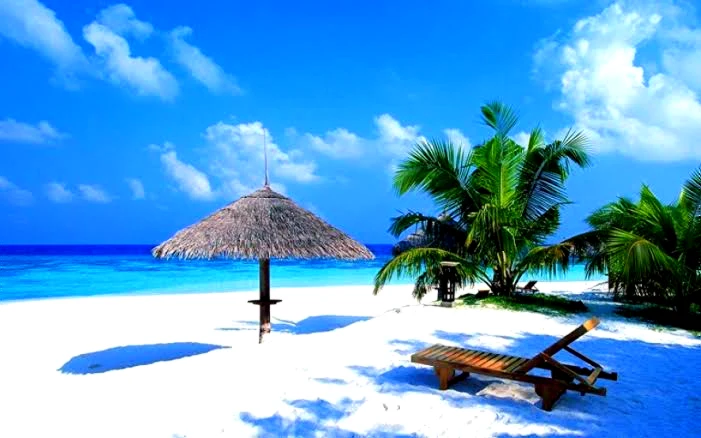
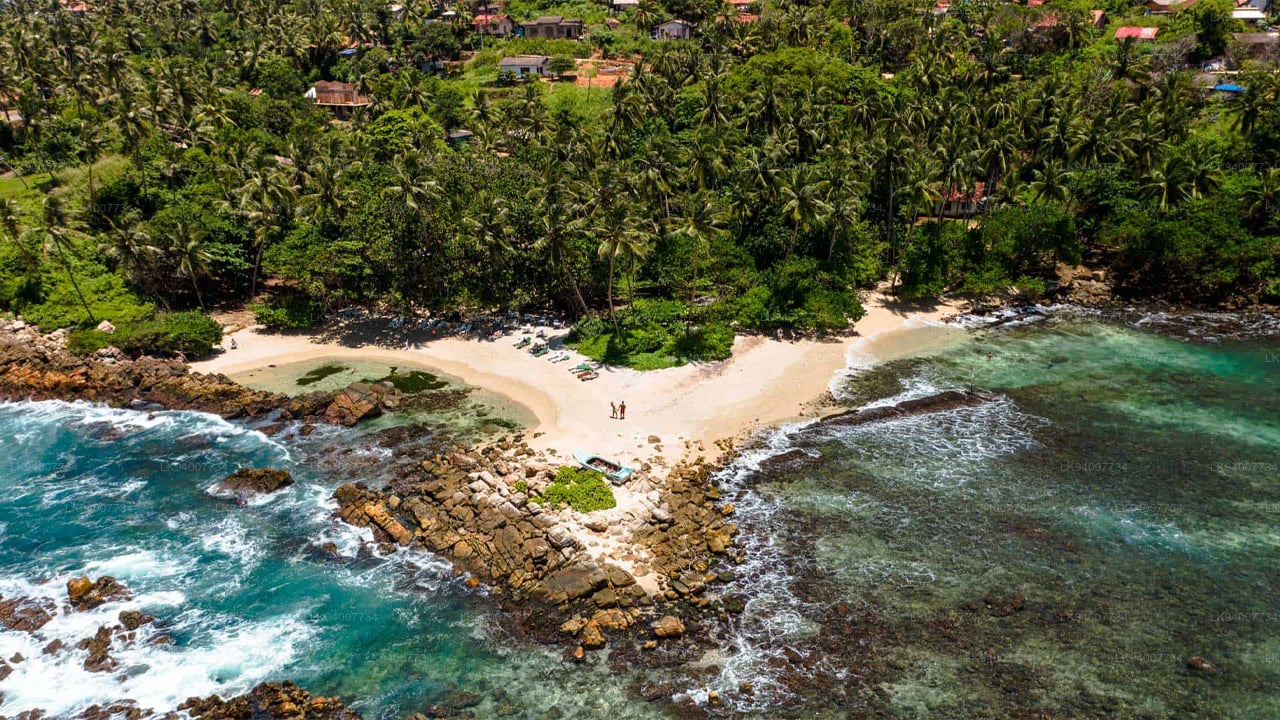
Nestled on Sri Lanka's picturesque east coast, Trincomalee is a captivating coastal city renowned for its historical significance, natural harbor, and, most importantly, its breathtaking beaches. Among these, Nilaveli and Uppuveli stand out as true gems, offering a serene escape with their soft golden sands, crystal-clear turquoise waters, and vibrant marine life. Unlike the bustling southern coast, Trincomalee provides a more tranquil and authentic Sri Lankan beach experience, perfect for those seeking relaxation, adventure, and cultural immersion. The region's unique charm lies in its harmonious blend of sun-kissed shores, ancient temples, and opportunities for incredible underwater discoveries. Whether you're a sun-worshipper, an avid snorkeler, or a history buff, Trincomalee's beaches promise an unforgettable tropical getaway. 🌴

☀️ Nilaveli Beach: A Paradise of Serenity

Nilaveli Beach, situated approximately 16 kilometers north of Trincomalee town, is often hailed as one of Sri Lanka's most beautiful beaches. Its expansive stretch of pristine white sand gently slopes into the calm, shallow waters of the Indian Ocean, making it ideal for swimming and families with children. The tranquility here is palpable, with swaying palm trees providing natural shade and the gentle lapping of waves creating a soothing soundtrack. The absence of large crowds ensures a peaceful atmosphere, allowing visitors to truly unwind and connect with nature. 🧘‍♀️

One of Nilaveli's main draws is its proximity to Pigeon Island National Park (sometimes referred to as Pigeon Island Marine National Park). This small, picturesque island, just a short boat ride away, is a sanctuary for vibrant coral reefs and a myriad of marine species, including blacktip reef sharks and various colorful fish. Snorkeling and diving around Pigeon Island are absolute must-do activities, offering an unparalleled opportunity to explore an underwater wonderland. The island itself is a beautiful spot for sunbathing and enjoying the panoramic views of the coastline. Remember to bring your underwater camera to capture the magic! 📸🐠

Beyond the aquatic adventures, Nilaveli offers opportunities for leisurely strolls along the shore, building sandcastles, or simply relaxing with a good book under the tropical sun. The sunsets here are particularly spectacular, painting the sky in hues of orange, pink, and purple, creating a truly magical end to your day. Many guesthouses and hotels line the beach, offering comfortable accommodations and delicious local cuisine, often featuring freshly caught seafood. 🌅

🌊 Uppuveli Beach: Vibrant & Accessible Charm

Uppuveli Beach, located closer to Trincomalee town (about 6 kilometers north), offers a slightly more lively atmosphere than Nilaveli, while still maintaining its tranquil charm. It's a popular choice for those who prefer easier access to town amenities and a wider selection of beachfront restaurants and cafes. The sand here is equally soft and golden, and the waters are invitingly clear and calm, perfect for a refreshing dip or a relaxed swim. 🏊‍♀️

Uppuveli is also a fantastic spot for water sports enthusiasts. During the season (typically May to October), you can find operators offering activities like stand-up paddleboarding, kayaking, and even jet-skiing. The beach is lined with charming eateries where you can savor authentic Sri Lankan dishes, fresh seafood BBQs, and international cuisine, all with a stunning ocean view. As the day draws to a close, Uppuveli transforms into a vibrant hub with beachside dining and the gentle hum of conversation. 🍽️

The accessibility of Uppuveli makes it a great base for exploring Trincomalee's other attractions. From here, it's easy to visit the historic Koneswaram Temple, perched dramatically on Swami Rock, offering panoramic views of the ocean and the city. Fort Frederick, a testament to colonial history, is also within easy reach. The blend of relaxation and cultural exploration makes Uppuveli a well-rounded beach destination. 🕌

🐢 Wildlife & Nature Encounters

Beyond the beaches themselves, the Trincomalee region is rich in biodiversity. During certain times of the year (usually March to July), the waters off the coast become a prime location for whale and dolphin watching. Blue whales, sperm whales, and various species of dolphins can be spotted, offering an awe-inspiring encounter with these magnificent creatures. Several tour operators offer ethical whale watching excursions, ensuring minimal disturbance to the marine life. 🐳🐬

The coastal areas also support various bird species, making it a pleasant spot for birdwatching. Keep an eye out for kingfishers, eagles, and other tropical birds. The lush greenery surrounding the beaches adds to the natural beauty and provides a habitat for various small animals. Remember to respect the local wildlife and their environment. 🌿

🗓️ Best Time to Visit

The best time to visit Trincomalee beaches, including Nilaveli and Uppuveli, is during the dry season, which typically runs from May to October. During these months, the weather is sunny and dry, with calm seas, making it ideal for swimming, snorkeling, diving, and other water activities. The monsoon season for the east coast usually occurs from November to January/February, bringing rain and rougher seas. However, even during the monsoon, there can be periods of sunshine, and some travelers prefer the quieter atmosphere. Always check the latest weather forecasts before planning your trip. ☀️☔

💎 Why Choose Trincomalee?

Trincomalee offers a unique blend of pristine beaches, rich history, and vibrant culture. It's a destination that caters to diverse interests, from those seeking pure relaxation on untouched shores to adventurers eager to explore underwater worlds or delve into ancient traditions. The laid-back atmosphere, combined with the warmth of Sri Lankan hospitality, makes for a truly memorable holiday. Whether you're enjoying a fresh coconut on the beach, marveling at the coral reefs of Pigeon Island, or exploring the ancient Koneswaram Temple, Trincomalee promises an enriching and rejuvenating experience. It’s a place where time slows down, allowing you to fully immerse yourself in the beauty and tranquility of Sri Lanka's east coast. 💖

Travel Context

Practical, Sri Lanka-specific detail for Trincomalee Beaches (Nilaveli & Uppuveli) — where it sits, how far it really is, what it costs and how to behave so your visit is welcome.

Where you are

This destination sits in Trincomalee, Trincomalee — Trincomalee District, Sri Lanka. Distances look short on a map but Sri Lankan roads are slow, so plan fewer stops per day than you would at home.

Distance from Colombo

Roughly 320 km by road from Colombo, which is about 8.4 hours depending on traffic, the route and the time of day. The straight-line distance is shorter — allow extra time for hill-country bends, wildlife crossings and roadside stops.

Climate & season

May to October The south and west coasts are driest from December to March; the east coast from April to September. Conditions change quickly in the hill country, where mist and afternoon rain are routine.

What it costs

Entry is listed as Free. Budget separately for transport, food and any guide. Foreign-visitor tickets at major sites are priced in USD, and card machines are unreliable outside the main towns — carry rupees in small notes.

Etiquette & safety

Swim in front of other people and respect red flags — rip currents are the main coastal risk. Cover shoulders and knees away from resort strips, and do not touch coral while snorkelling.

Best Time to Visit

Jan
Feb
Mar
Apr
May
Jun
Jul
Aug
Sep
Oct
Nov
Dec

Local Weather

Trincomalee Overcast clouds
27°
Feels like 30°C
78% 5.42 km/h
Overcast clouds
Keep Exploring

Related Travel Guides

Location & Map

Trincomalee, Trincomalee
Get Directions

Fuel Cost Calculator

How to Get There

🚗 Getting to Trincomalee Beaches

Trincomalee is well-connected and accessible via various modes of transport. The journey itself offers glimpses into Sri Lanka's diverse landscapes. 🗺️

🚂 By Train:

A scenic train journey is a popular and comfortable way to reach Trincomalee. There are daily trains from Colombo Fort to Trincomalee. The journey typically takes around 7-9 hours, depending on the service. It's advisable to book your tickets in advance, especially for reserved seats or sleeper berths, as they can sell out quickly. Once you arrive at Trincomalee Railway Station, you can easily take a tuk-tuk or local bus to Uppuveli (about 6 km) or Nilaveli (about 16 km). 🚄💨

🚌 By Bus:

Public buses are a budget-friendly option. There are direct bus services from major cities like Colombo, Kandy, and Anuradhapura to Trincomalee. The journey duration varies but can range from 6-9 hours from Colombo. Buses can be crowded but offer a chance to experience local life. From Trincomalee Bus Stand, local buses or tuk-tuks are readily available to take you to Uppuveli or Nilaveli. Look for buses heading towards Pulmoddai for Nilaveli. 🚍🚏

🚕 By Car/Taxi:

Hiring a private car with a driver or taking a taxi is the most convenient and comfortable option, especially if you're traveling with luggage or a group. The drive from Colombo to Trincomalee takes approximately 5-7 hours, depending on traffic and route. This allows for flexibility in stopping along the way for breaks or sightseeing. Many hotels also offer airport transfers or can arrange private transport for you. 🛣️🚗

✈️ By Air (Domestic):

While Trincomalee has a domestic airport (China Bay Airport), flights are not always regular or widely available. It's best to check with local airlines for updated schedules and availability. If you choose this option, you'll need to arrange a taxi or tuk-tuk from the airport to your beach destination. ✈️🛬

Safety & Travel Tips

Sun Protection: The Sri Lankan sun can be intense. Always use high-factor sunscreen, wear a wide-brimmed hat, and sunglasses. Seek shade during peak hours (10 AM - 3 PM). ☀️🧴
Hydration: Drink plenty of bottled water to stay hydrated, especially when spending time on the beach or engaging in activities. 💧
Currency: The local currency is the Sri Lankan Rupee (LKR). ATMs are available in Trincomalee town, but it's wise to carry some cash for smaller purchases and tuk-tuk rides. 💰
Respect Local Culture: Trincomalee has a significant Tamil population and is home to many religious sites. Dress modestly when visiting temples or walking through town. Remove your shoes and hats before entering temples. 🙏
Bargaining: When taking tuk-tuks or shopping at local markets, it's common to bargain politely for a fair price. Agree on the fare before starting your journey. 🗣️
Insect Repellent: Especially during dawn and dusk, mosquitoes can be present. Carry and use insect repellent to avoid bites. 🦟
Water Safety: While the waters are generally calm, always be aware of currents and swim in designated areas. If snorkeling or diving, ensure your equipment is in good condition. 🏊‍♀️
Pigeon Island Permits: If visiting Pigeon Island, there's an entrance fee (including boat transfer and park fees). It's best to go with a registered tour operator. 🐠
Best Season: For the best beach weather, visit between May and October. The monsoon season for the east coast is generally from November to January/February. 🗓️
Learn Basic Phrases: A few basic Sinhala or Tamil phrases like 'Ayubowan' (hello) or 'Nandri' (thank you - Tamil) will be appreciated by locals. 😊

Nearby Amenities

ATMs: Several banks with ATM facilities are available in Trincomalee town, including branches of major banks like Commercial Bank, Bank of Ceylon, and Sampath Bank. Some larger hotels or resorts in Uppuveli might have ATMs, but it's safer to rely on the town for cash withdrawals. 🏧
Hospitals/Medical Facilities: The main medical facility is the Trincomalee General Hospital, located in Trincomalee town. There are also smaller private clinics and pharmacies in both Trincomalee town and along the main roads in Uppuveli. For serious medical emergencies, head to the General Hospital. 🩹🩺
Restaurants: Both Uppuveli and Nilaveli boast a variety of restaurants, from local eateries serving delicious Sri Lankan rice & curry and fresh seafood to guesthouses offering international cuisine. Uppuveli generally has a wider selection of beachfront cafes and restaurants. Don't miss trying the fresh catch of the day! 🍤🍛
Hotels/Guesthouses: A wide range of accommodation options is available, from budget-friendly guesthouses and homestays to mid-range hotels and luxury resorts, particularly in Uppuveli and Nilaveli. Booking in advance, especially during peak season, is highly recommended. 🛌🌟
Supermarkets/Convenience Stores: Trincomalee town has larger supermarkets for groceries and daily necessities. In Uppuveli and Nilaveli, you'll find smaller convenience stores and local shops selling snacks, drinks, and basic toiletries. 🛒🛍️
Pharmacies: Pharmacies are available in Trincomalee town and some smaller ones can be found in Uppuveli. It's always a good idea to carry any essential personal medications. 💊
Police Station: The main police station is located in Trincomalee town. In case of any emergency, dial 119 for police assistance in Sri Lanka. 🚨
Tour Operators/Dive Shops: Numerous tour operators and PADI-certified dive centers are available in Uppuveli and Nilaveli, offering excursions to Pigeon Island, whale watching tours, snorkeling trips, and diving courses. 🚤🧜‍♀️

Sri Lanka Essentials

The things that catch visitors out on a first trip — money, connectivity, transport, health and the small etiquette rules that make a real difference.

Money & payments

The currency is the Sri Lankan rupee (LKR). Cards work in hotels, supermarkets and larger restaurants, but tuk-tuks, small entry gates, beach cafés and village shops are cash-only. Draw from bank ATMs in towns rather than standalone machines, keep small notes for change, and carry enough cash for two days when you head into the hill country or the north.

Connectivity & data

A local tourist SIM (Dialog, Mobitel or Hutch) is cheap and easy to buy at the airport or in any town with your passport. Coverage is good on the coasts and in towns, patchier in the Knuckles, parts of the north and inside national parks. Download offline maps and screenshots of bookings before remote drives.

Getting around

Trains are slow, scenic and very cheap — the hill-country line is the highlight. Buses cover almost everywhere but can be crowded. Tuk-tuks suit short hops; agree the fare first or use a metered app. Private drivers are good value for multi-stop days. Distances take longer than the map suggests: 100 km can easily be three hours.

Health & safety

Dengue is present, so use repellent and cover up at dusk. Drink bottled or filtered water, and be careful with ice in remote places. The sun is strong even when overcast. Pharmacies are common in towns; serious care is concentrated in Colombo. Travel insurance that covers adventure activities is worth having.

Responsible travel

Sri Lanka is small and heavily visited — small choices add up. Refuse plastic bags and single-use bottles where you can, avoid elephant rides and any attraction that chains wildlife, dress modestly at religious sites, and buy directly from local guides, homestays and cafés rather than international middlemen.

Holidays & opening hours

Poya (full moon) days are public holidays: temples are busy, some shops close and the sale of alcohol is restricted. Many archaeological sites open at 7am and close by 5–6pm, and last entry is usually an hour earlier. Check opening days before building a long drive around one site.

Traveler Reviews (0)

Be the first to review Trincomalee Beaches (Nilaveli & Uppuveli)!

✍️ Leave a Review

Frequently Asked

The ideal time to visit Trincomalee beaches, including Nilaveli and Uppuveli, is during the dry season from May to October. During these months, you can expect sunny weather, calm seas, and perfect conditions for swimming, snorkeling, and diving.
Yes, the waters at both Nilaveli and Uppuveli beaches are generally calm and safe for swimming, especially during the dry season. The beaches gently slope into the sea, making them suitable for families. However, always be mindful of local conditions and any warning flags.
Pigeon Island National Park is a short boat ride away from Nilaveli Beach, typically taking about 10-15 minutes. From Uppuveli, it will involve a slightly longer boat trip or a short tuk-tuk ride to Nilaveli first to catch a boat.
Yes, both Uppuveli and Nilaveli offer a good selection of accommodation ranging from budget guesthouses to luxury resorts. You'll also find numerous restaurants serving delicious fresh seafood, traditional Sri Lankan cuisine, and international dishes, especially along the beachfronts.
Yes, Trincomalee is a renowned spot for whale and dolphin watching, particularly from March to July. Many tour operators offer excursions to spot blue whales, sperm whales, and various dolphin species in the deeper waters off the coast.
Weekly Dispatch

Get Travel Inspiration

Hidden gems, local tips & exclusive guides from Sri Lanka, Asia and beyond — delivered to your inbox, weekly.

No spam, ever. Unsubscribe anytime.