Jathilaka Archaeological Site

Jathilaka Archaeological Site

0.0 · 0 reviews 86 views Last updated Nov 19, 2026
Thanthirimale, Anuradhapura
0.0Rating
May to SeptemberBest Time
FreeEntry Fee
Half DaySuggested Time
ModerateDifficulty
5 minRead Time

Where to stay near Jathilaka Archaeological Site

Compare live prices with our booking partners.

Some links below are affiliate links. If you book through them we may earn a small commission — at no extra cost to you. How this works.

Cost & practical info

Entry fee Free Confirm current fees on site
Best time to visit May to September
Suggested time Half Day
Difficulty Moderate

Prices and opening hours can change — always confirm with the official site before you travel.

The Guide

🌿 Introduction to Jathilaka Archaeological Site

Nestled amidst the serene and ancient landscapes of Thanthirimale, Anuradhapura, the Jathilaka Archaeological Site beckons history enthusiasts and spiritual seekers alike. This lesser-known gem offers a profound glimpse into Sri Lanka's rich Buddhist heritage, dating back centuries. Unlike the more bustling ancient cities, Jathilaka provides a tranquil and introspective experience, allowing visitors to truly connect with the past. Imagine wandering through a landscape where every stone, every ruin, whispers tales of ancient civilizations, devoted monks, and artistic mastery. This site is a testament to the enduring legacy of Buddhism in Sri Lanka, offering a unique opportunity to explore its spiritual and architectural grandeur away from the crowds.

🗿 Unearthing the Past: The History of Jathilaka

The Jathilaka Archaeological Site holds a history deeply intertwined with the rise and flourishing of early Buddhist monasticism in Sri Lanka. While precise dates can be elusive, archaeological evidence suggests its origins could stretch back to the Anuradhapura period, one of the island's most significant eras. It is believed to have been a prominent monastic complex, housing numerous monks dedicated to study and meditation. The site's structures, though now largely in ruins, speak volumes about the architectural prowess and religious devotion of its creators. The presence of rock inscriptions, ancient stupa foundations, and remnants of monastic buildings paints a vivid picture of a once-thriving spiritual center. These inscriptions often provide clues about the benefactors, the monastic orders, and the daily life within these ancient walls. Exploring Jathilaka is like stepping into a living history book, where each discovery adds another layer to our understanding of Sri Lanka's profound past. The intricate carvings and the strategic placement of structures also suggest a deep understanding of engineering and art, showcasing the high level of sophistication achieved by ancient Sri Lankan civilizations.

⛰️ Architectural Marvels and Sacred Spaces

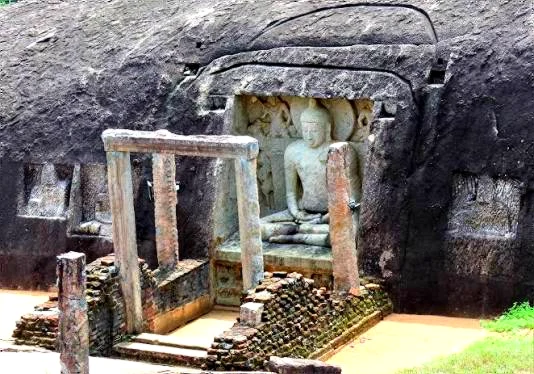
Jathilaka is distinguished by its unique blend of natural rock formations and human-made structures. The site features a captivating collection of rock shelters that were likely used by meditating monks, providing a cool and secluded environment for their spiritual practices. These natural caves often bear drip ledges, a characteristic feature of ancient monastic dwellings designed to keep rainwater out. Among the most significant finds are the remains of several stupas, though mostly in their foundational forms. These stupas, once grand and revered, served as focal points for worship and meditation. The ingenuity of ancient builders is evident in how they integrated these structures seamlessly into the natural landscape. Visitors can also observe the remnants of ancient image houses, where statues of the Buddha would have once resided, and alms halls, where monks would have received their daily sustenance. The design of these spaces reflects the practical needs of a monastic community while also embodying profound spiritual symbolism. The pathways, now mostly overgrown, once connected these various components, guiding monks through their daily routines of prayer, study, and contemplation. The use of locally sourced materials, particularly the abundant rock, highlights the sustainable practices of these ancient communities.

🙏 Spiritual Significance and Tranquil Ambiance

Beyond its archaeological value, Jathilaka resonates with a palpable sense of spiritual tranquility. The peaceful surroundings, punctuated only by the sounds of nature, invite contemplation and reflection. For those seeking an escape from the modern world's clamor, this site offers a profound sense of calm and connection to a bygone era of devotion. Imagine the quiet footsteps of monks, the chanting echoing through the rock shelters, and the serene atmosphere that must have pervaded this sacred ground. Even today, a visit to Jathilaka can be a deeply moving experience, allowing one to feel the echoes of centuries of spiritual practice. The air itself seems to carry a sense of peace, making it an ideal place for quiet introspection. This spiritual energy is not merely a historical relic; it is a living presence that continues to draw those who seek solace and understanding. The site's remoteness further enhances this sense of sacred isolation, allowing for a more profound and personal encounter with its spiritual essence.

🌳 Exploring Thanthirimale: Beyond Jathilaka

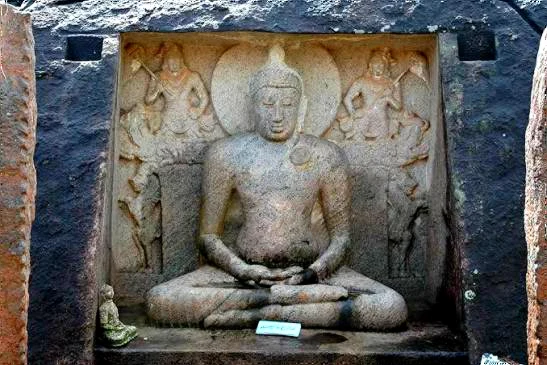
While Jathilaka is a highlight, a visit to the broader Thanthirimale area offers even more to explore. The main Thanthirimale Raja Maha Vihara, with its magnificent rock-cut Buddha statue and ancient bodhi tree, is a must-see. These sites are often visited together, providing a comprehensive understanding of the region's historical and religious importance. The journey to Thanthirimale itself is an adventure, taking you through rural Sri Lankan landscapes, offering glimpses of traditional village life. The entire region is steeped in history and natural beauty, making it a perfect destination for those who appreciate cultural immersion and serene environments. The local community, often welcoming and friendly, adds another layer to the experience, offering insights into contemporary life in this ancient land. Exploring the surrounding areas allows for a broader appreciation of the ecological and cultural context in which Jathilaka flourished, revealing the intricate connections between human habitation and the natural world.

📸 Photography and Preservation

For photographers, Jathilaka offers incredible opportunities to capture the timeless beauty of ancient ruins bathed in natural light. The interplay of light and shadow on the weathered stone, the ancient trees growing amidst the ruins, and the serene landscape create a captivating subject. However, visitors are reminded to be respectful of the site's historical significance and to adhere to any guidelines regarding photography. Preservation efforts are ongoing at Jathilaka, aimed at protecting these invaluable remnants for future generations. Visitors play a crucial role in these efforts by treading carefully, not disturbing any artifacts, and refraining from littering. By being mindful and respectful, we can all contribute to the continued preservation of this extraordinary archaeological treasure. The intricate details of the rock carvings and the panoramic views from certain vantage points offer endless possibilities for stunning photographic compositions, allowing visitors to document their journey through time.

Travel Context

Practical, Sri Lanka-specific detail for Jathilaka Archaeological Site — where it sits, how far it really is, what it costs and how to behave so your visit is welcome.

Where you are

This destination sits in Thanthirimale, Anuradhapura — Anuradhapura District, Sri Lanka. Distances look short on a map but Sri Lankan roads are slow, so plan fewer stops per day than you would at home.

Distance from Colombo

Roughly 235 km by road from Colombo, which is about 6.2 hours depending on traffic, the route and the time of day. The straight-line distance is shorter — allow extra time for hill-country bends, wildlife crossings and roadside stops.

Climate & season

May to September The south and west coasts are driest from December to March; the east coast from April to September. Conditions change quickly in the hill country, where mist and afternoon rain are routine.

What it costs

Entry is listed as Free. Budget separately for transport, food and any guide. Foreign-visitor tickets at major sites are priced in USD, and card machines are unreliable outside the main towns — carry rupees in small notes.

Etiquette & safety

Keep a respectful distance, stay quiet, and never ask a driver to chase an animal or leave the track. Dawn and late afternoon are the most productive hours, and muted colours help you blend in.

Best Time to Visit

Jan
Feb
Mar
Apr
May
Jun
Jul
Aug
Sep
Oct
Nov
Dec

Local Weather

Bandara Bulankulama Broken clouds
29°
Feels like 31°C
58% 2.64 km/h
Broken clouds
Keep Exploring

Related Travel Guides

Location & Map

Thanthirimale, Anuradhapura
Get Directions

Fuel Cost Calculator

How to Get There

🚗 Getting to Jathilaka Archaeological Site

The Jathilaka Archaeological Site, located in Thanthirimale, Anuradhapura, is best accessed by road. While there isn't a direct train or public bus service right to the site itself, you can utilize public transport to get closer to the area.

🚌 By Bus:

Take a bus to Anuradhapura. From the Anuradhapura bus stand, you will need to find another local bus or a three-wheeler (tuk-tuk) that goes towards Thanthirimale. Buses to Thanthirimale are less frequent, so inquire about schedules beforehand. It's advisable to inform the driver or conductor of your destination, Jathilaka, as they might be able to drop you at the closest possible point. From the main road, you might still need to walk or take a short tuk-tuk ride to the exact site. The bus journey from Anuradhapura to Thanthirimale can take approximately 1-1.5 hours, depending on the service.

🚂 By Train:

You can take a train to Anuradhapura. The Anuradhapura railway station is a major hub. From there, follow the same instructions as for taking a bus: find a local bus or a tuk-tuk towards Thanthirimale. Train travel in Sri Lanka offers scenic views and is a comfortable option for reaching Anuradhapura from other major cities like Colombo or Kandy.

🚘 By Car/Van (Recommended):

The most convenient and recommended way to reach Jathilaka Archaeological Site is by hiring a private car or van with a driver. This offers flexibility, comfort, and the ability to visit other nearby attractions in Thanthirimale and Anuradhapura. Many hotels in Anuradhapura can arrange this for you. The drive from Anuradhapura to Thanthirimale is approximately 30-45 minutes (around 30-35 km), depending on road conditions. Ensure your driver is familiar with the route to Thanthirimale and the archaeological site. Using a GPS navigation system is also highly recommended.

🛵 By Three-Wheeler (Tuk-tuk):

For shorter distances, especially from Anuradhapura town, hiring a tuk-tuk is a viable option. Negotiate the fare before starting your journey. A round trip might be preferable, as finding a tuk-tuk for your return from the site can be challenging, especially later in the day. A tuk-tuk ride from Anuradhapura to Jathilaka can take around an hour.

📍 Important Note: Regardless of your chosen mode of transport, it's always a good idea to carry a map or have GPS enabled on your phone, as some of the roads leading to archaeological sites can be less clearly marked.

Safety & Travel Tips

⌚ Best Time to Visit: The dry season (May to September) is generally ideal for visiting, as the weather is more predictable. However, mornings (before 10 AM) and late afternoons (after 3 PM) are recommended to avoid the midday heat, especially when exploring the open-air ruins.
👟 Comfortable Footwear: Wear comfortable walking shoes or sandals with good grip, as you'll be walking over uneven terrain, ancient paths, and possibly climbing some rocks.
💧 Stay Hydrated: Carry plenty of water, especially during your exploration. The tropical sun can be intense.
☀️ Sun Protection: Bring a hat, sunscreen, and sunglasses to protect yourself from the sun.
🦟 Insect Repellent: As the site is in a natural, somewhat remote area, insect repellent is highly recommended, especially during dawn and dusk.
📸 Camera and Binoculars: Don't forget your camera to capture the breathtaking views and ancient ruins. Binoculars can enhance your experience by allowing you to spot details on distant structures or observe local wildlife.
🙏 Dress Respectfully: When visiting religious sites in Sri Lanka, it's customary to dress modestly. This means covering your shoulders and knees. While Jathilaka is primarily ruins, it's still a sacred space.
💰 Carry Local Currency: While there might not be entrance fees at Jathilaka itself, having Sri Lankan Rupees (LKR) for transport, snacks, or offerings at nearby temples is advisable.
🗺️ Guide/Local Knowledge: Consider hiring a local guide if available, as they can provide valuable insights into the history and significance of the site. Alternatively, speak to locals for directions or tips.
🚫 Leave No Trace: Please be mindful of the environment and the historical integrity of the site. Do not litter, vandalize, or remove any artifacts.
📱 Offline Maps: Download offline maps of the area before you go, as mobile network coverage might be patchy in certain remote sections.
🦉 Wildlife Awareness: Be aware of your surroundings; you might encounter local wildlife like monkeys or various bird species. Maintain a respectful distance.
🚗 Arrange Transport: If you're not driving your own vehicle, arrange your return transport in advance, especially if visiting during off-peak hours, as finding a tuk-tuk on demand can be challenging.

Nearby Amenities

Thanthirimale Village: You might find small local eateries (known as 'kades') in Thanthirimale village, offering basic Sri Lankan meals and snacks. These are typically simple, family-run establishments.
Anuradhapura: A much wider range of restaurants, from local Sri Lankan cuisine to international options, can be found in Anuradhapura town. It's advisable to have your main meals in Anuradhapura before or after your visit to Jathilaka.
Thanthirimale Village: Limited guesthouses or homestays might be available in Thanthirimale for those seeking a very local experience. Booking in advance is crucial.
Anuradhapura: Anuradhapura offers a broad selection of accommodation options, including budget guesthouses, mid-range hotels, and a few more upscale resorts. This is the most practical base for visiting Jathilaka.
Thanthirimale Village: There might be one or two small ATMs in Thanthirimale village, but their reliability and cash availability can vary.
Anuradhapura: Numerous banks and ATMs are readily available in Anuradhapura town, offering reliable services for cash withdrawals and currency exchange. It's highly recommended to withdraw cash in Anuradhapura before heading to Thanthirimale.
Thanthirimale Village: A basic rural hospital or local dispensary might be present in Thanthirimale village for minor ailments.
Anuradhapura: The Anuradhapura Teaching Hospital is a major government hospital providing comprehensive medical services. There are also private clinics and pharmacies available in town. For any significant medical emergency, Anuradhapura is the nearest and best option.
Thanthirimale Village: A small fuel station might be available, but it's best not to rely on it.
Anuradhapura: Several well-equipped fuel stations are located in Anuradhapura town. Ensure your vehicle has sufficient fuel before departing for Jathilaka.

Sri Lanka Essentials

The things that catch visitors out on a first trip — money, connectivity, transport, health and the small etiquette rules that make a real difference.

Money & payments

The currency is the Sri Lankan rupee (LKR). Cards work in hotels, supermarkets and larger restaurants, but tuk-tuks, small entry gates, beach cafés and village shops are cash-only. Draw from bank ATMs in towns rather than standalone machines, keep small notes for change, and carry enough cash for two days when you head into the hill country or the north.

Connectivity & data

A local tourist SIM (Dialog, Mobitel or Hutch) is cheap and easy to buy at the airport or in any town with your passport. Coverage is good on the coasts and in towns, patchier in the Knuckles, parts of the north and inside national parks. Download offline maps and screenshots of bookings before remote drives.

Getting around

Trains are slow, scenic and very cheap — the hill-country line is the highlight. Buses cover almost everywhere but can be crowded. Tuk-tuks suit short hops; agree the fare first or use a metered app. Private drivers are good value for multi-stop days. Distances take longer than the map suggests: 100 km can easily be three hours.

Health & safety

Dengue is present, so use repellent and cover up at dusk. Drink bottled or filtered water, and be careful with ice in remote places. The sun is strong even when overcast. Pharmacies are common in towns; serious care is concentrated in Colombo. Travel insurance that covers adventure activities is worth having.

Responsible travel

Sri Lanka is small and heavily visited — small choices add up. Refuse plastic bags and single-use bottles where you can, avoid elephant rides and any attraction that chains wildlife, dress modestly at religious sites, and buy directly from local guides, homestays and cafés rather than international middlemen.

Holidays & opening hours

Poya (full moon) days are public holidays: temples are busy, some shops close and the sale of alcohol is restricted. Many archaeological sites open at 7am and close by 5–6pm, and last entry is usually an hour earlier. Check opening days before building a long drive around one site.

Traveler Reviews (0)

Be the first to review Jathilaka Archaeological Site!

✍️ Leave a Review

Frequently Asked

The best time to visit Jathilaka Archaeological Site is during Sri Lanka's dry season, which runs from May to September. This period offers more predictable weather with less rainfall, making exploration more comfortable. However, visiting during the early morning or late afternoon is always recommended to avoid the midday heat.
As of current information, there is generally no official entrance fee for the Jathilaka Archaeological Site itself, unlike some of the more prominent ancient cities. However, it's always a good idea to have some local currency (LKR) for transportation or any small donations if applicable at nearby temples.
To fully appreciate the Jathilaka Archaeological Site and its surroundings, including the nearby Thanthirimale Raja Maha Vihara, it is recommended to allocate at least 2-3 hours. This allows for leisurely exploration of the ruins, photography, and a moment for quiet reflection.
While official guides might not always be present directly at Jathilaka due to its remote nature, you might find local individuals who can offer guiding services from the Thanthirimale village or arrange a guide from Anuradhapura. It's advisable to pre-arrange a guide if you desire a detailed historical interpretation.
Jathilaka can be suitable for older children who have an interest in history and can manage walking on uneven terrain. For very young children, the heat and extensive walking might be challenging. Always ensure they are well-hydrated and protected from the sun.
Weekly Dispatch

Get Travel Inspiration

Hidden gems, local tips & exclusive guides from Sri Lanka, Asia and beyond — delivered to your inbox, weekly.

No spam, ever. Unsubscribe anytime.