معبد بقايا السن المقدسة

معبد بقايا السن المقدسة

0.0 · 0 reviews 167 views Last updated Nov 19, 2026
كاندي, كاندي
0.0Rating
December to AprilBest Time
LKR 1500 for foreignersEntry Fee
Half DaySuggested Time
EasyDifficulty
4 minRead Time

Where to stay near معبد بقايا السن المقدسة

Compare live prices with our booking partners.

Some links below are affiliate links. If you book through them we may earn a small commission — at no extra cost to you. How this works.

Cost & practical info

Entry fee LKR 1500 for foreigners Confirm current fees on site
Best time to visit December to April
Suggested time Half Day
Difficulty Easy

Prices and opening hours can change — always confirm with the official site before you travel.

The Guide

🙏 Sacred Sanctuary: Unveiling the Temple of the Sacred Tooth Relic 🇱🇰

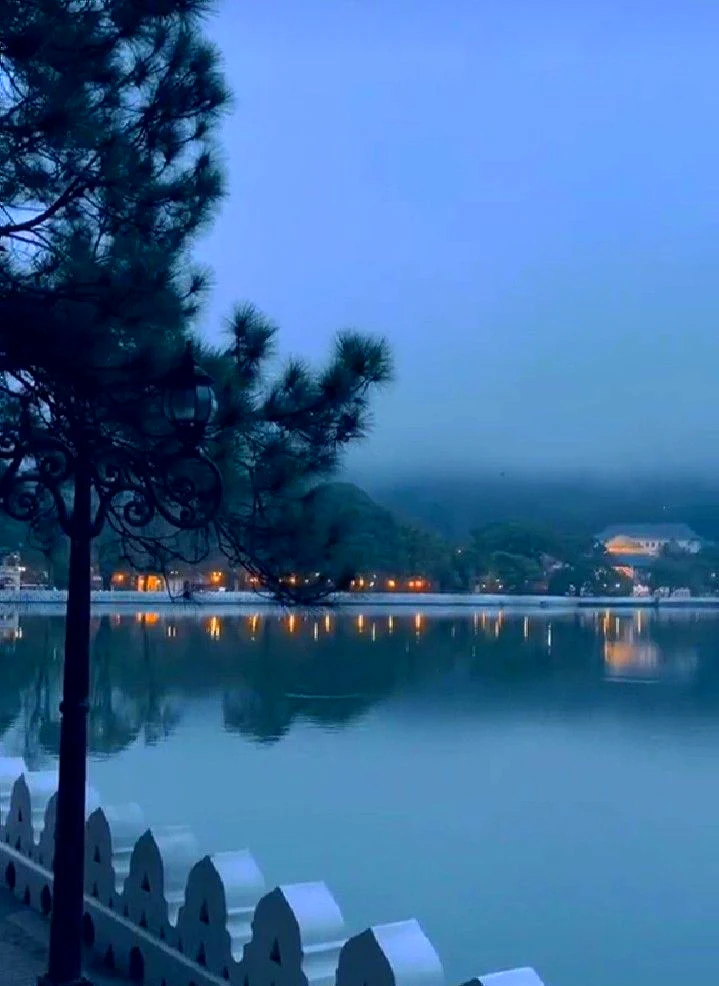
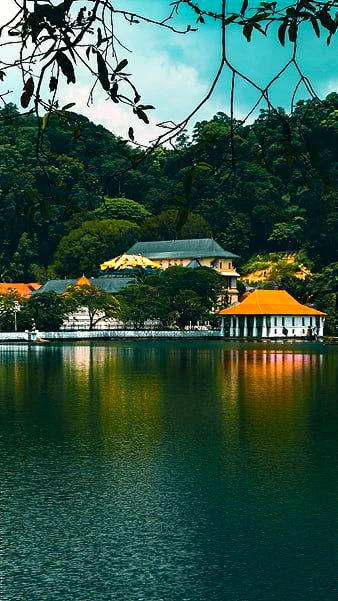
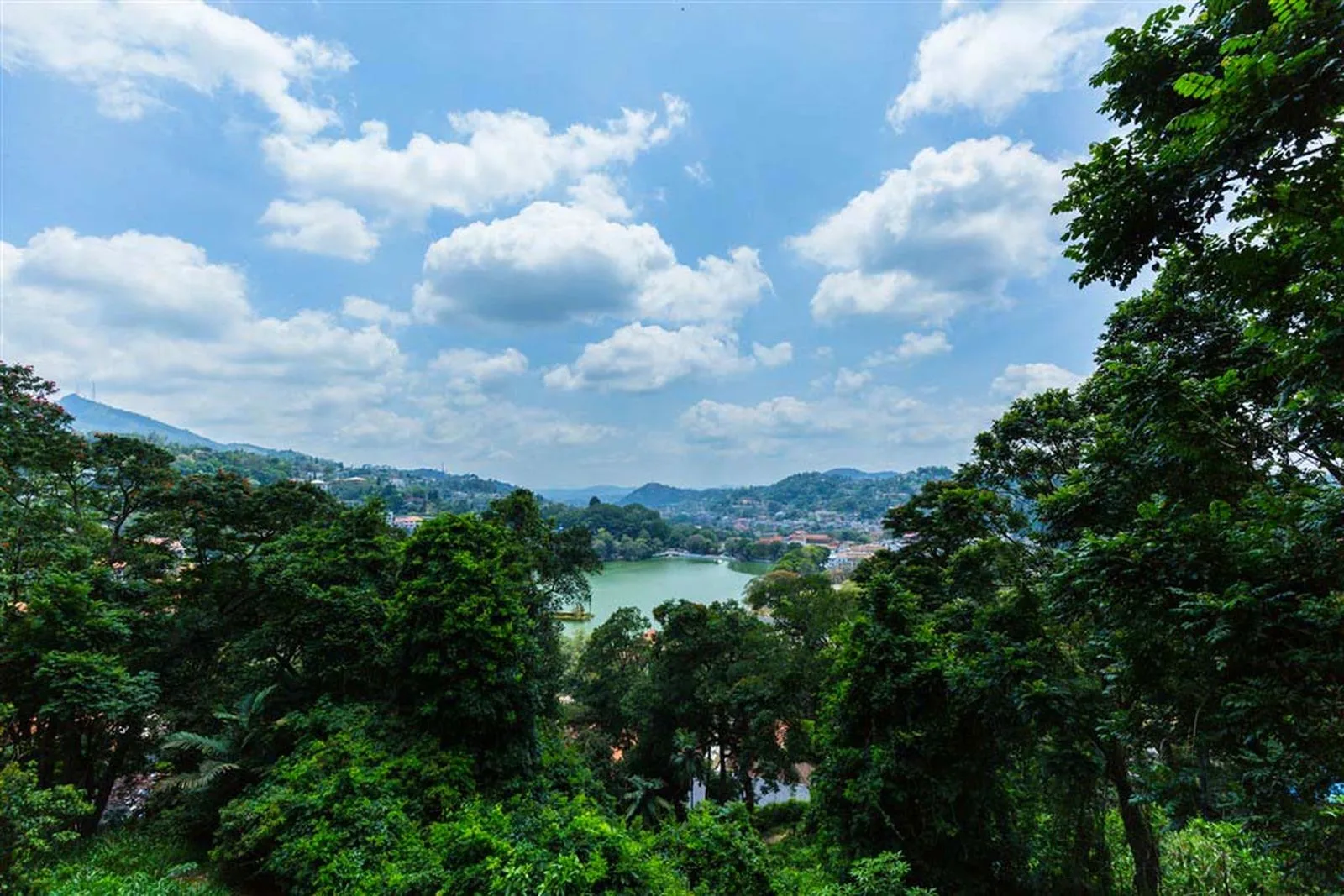
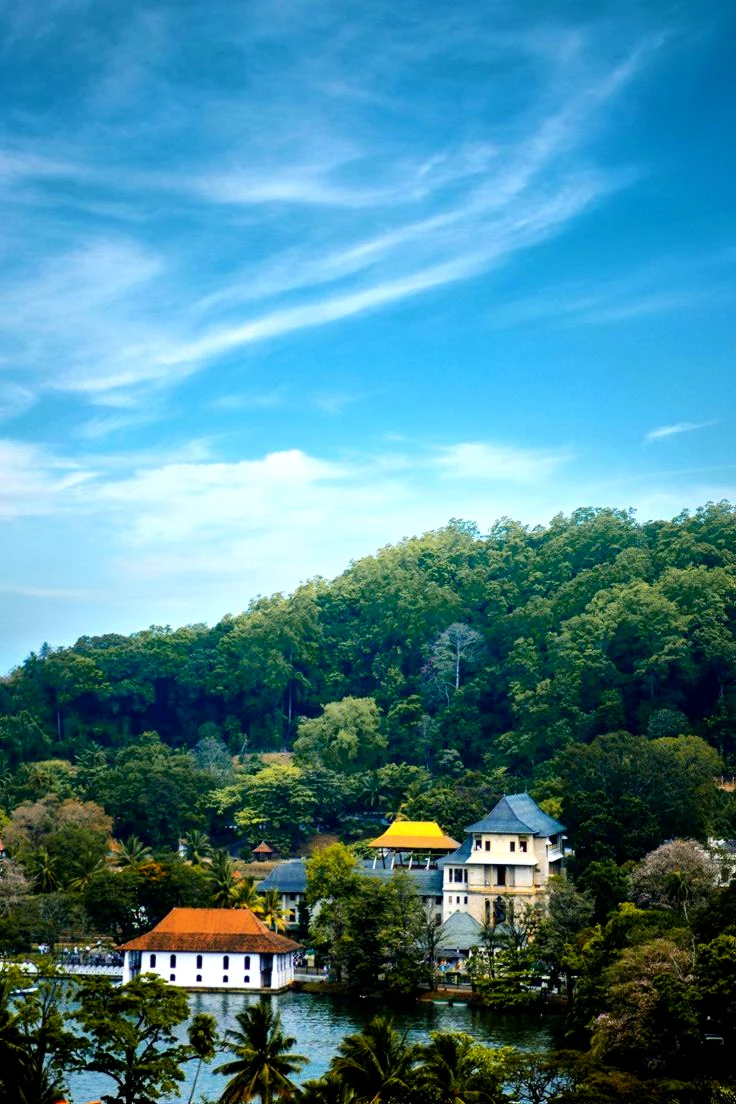
Welcome to Kandy, the cultural heartland of Sri Lanka, and home to one of Buddhism's most revered sites: the Temple of the Sacred Tooth Relic, or Sri Dalada Maligawa. This magnificent temple, nestled beside the tranquil Kandy Lake, is not merely a place of worship but a living testament to centuries of Sri Lankan history, artistry, and unwavering faith. It enshrines the sacred tooth relic of Lord Buddha, an object of profound veneration that has shaped the destiny of kings and nations. Stepping into its hallowed grounds is an immersive journey into spirituality and architectural grandeur.

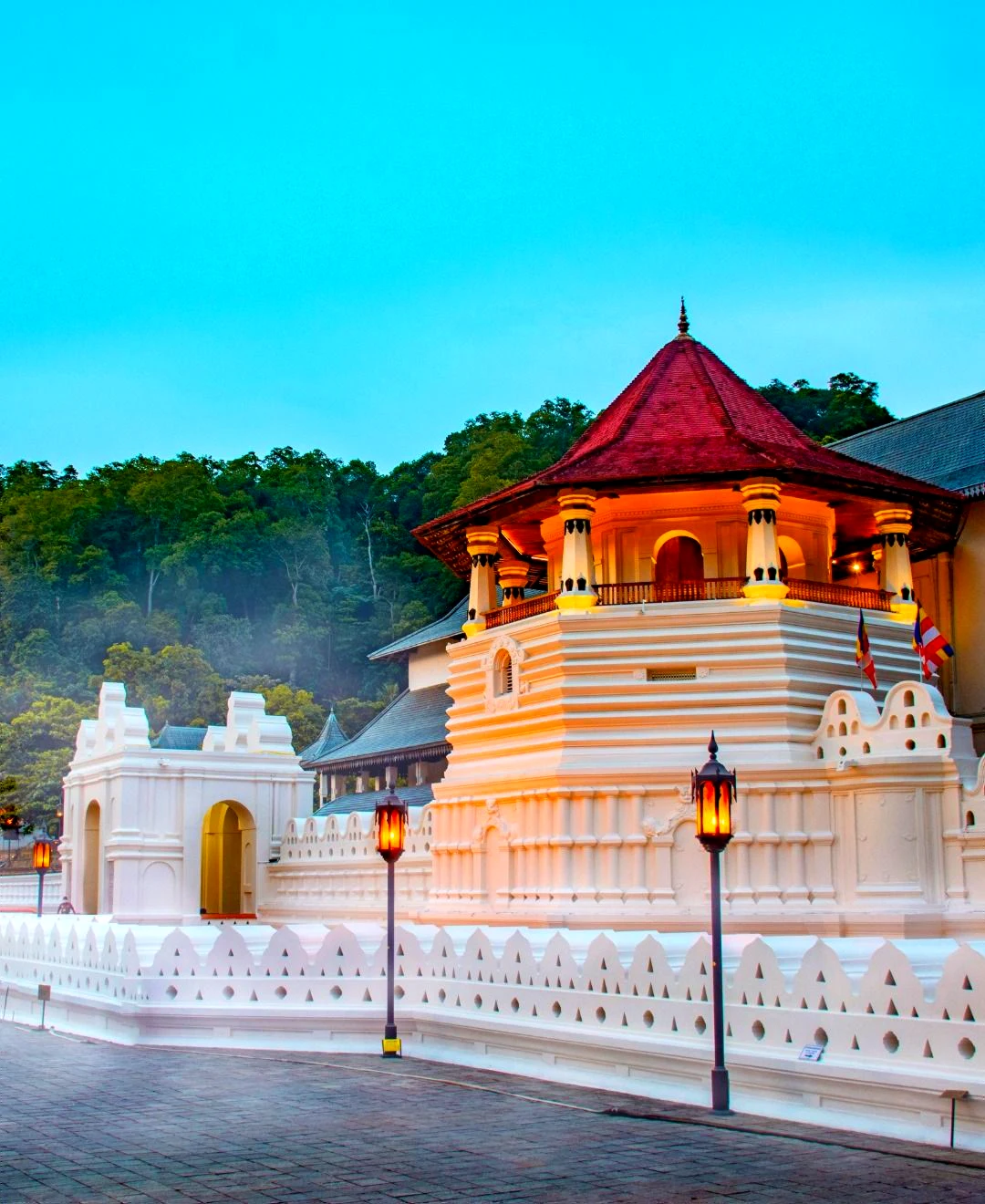
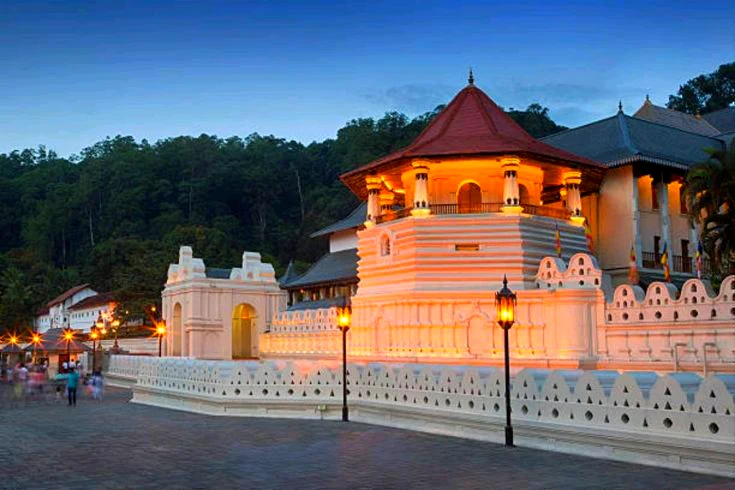
The temple complex itself is a sprawling masterpiece, a harmonious blend of traditional Kandyan architecture and intricate craftsmanship. As you approach, the pristine white walls and red-tiled roofs, characteristic of the Kandyan period, immediately captivate the eye. The main shrine, where the sacred relic is housed, is a multi-tiered structure adorned with golden roofs, intricate carvings, and vibrant frescoes that depict scenes from Buddhist mythology. The air is often thick with the scent of jasmine and incense, a spiritual aroma that calms the senses and prepares you for the profound experience ahead. 🌿

🏛️ A Journey Through History and Architecture 🎨

The history of the Temple of the Sacred Tooth Relic is as rich and complex as its architecture. The relic itself was brought to Sri Lanka in the 4th century CE, hidden in the hair of Princess Hemamala to protect it from Hindu persecution in India. Since then, it has been the most important symbol of sovereignty in Sri Lanka, with the belief that whoever possesses the relic holds the right to rule the island. Over the centuries, numerous kings have built and rebuilt temples to house this precious artifact, each adding their unique touch to its evolving grandeur. The current structure largely dates back to the Kandyan period, particularly the reign of King Vimaladharmasuriya I and King Sri Vikrama Rajasinha. 👑

Beyond the main shrine, the complex encompasses several other significant structures. The Audience Hall (Magul Maduwa), a beautiful open-sided pavilion supported by carved wooden pillars, once hosted royal ceremonies and is a stunning example of Kandyan carpentry. The Pattirippuwa, or Octagon, a distinctive octagonal structure facing Kandy Lake, was added by King Sri Vikrama Rajasinha and served as a viewing platform for the king to address his people. Today, it offers picturesque views of the lake and surrounding hills. The Royal Palace complex, adjacent to the temple, provides further insight into the lives of Kandyan royalty, though much of it is now repurposed. 📸

✨ Experiencing the Dalada Maligawa: Rituals and Reverence 🙏

The daily rituals at the Temple of the Sacred Tooth Relic are a captivating spectacle of devotion. Three times a day – at dawn, noon, and dusk – the 'Thevava' (ritual offerings) take place. During these times, drummers and pipers perform traditional music, creating an ethereal atmosphere that resonates throughout the complex. While visitors cannot see the actual tooth relic, which is encased within seven golden caskets adorned with precious stones, the sheer reverence and palpable energy during these ceremonies are deeply moving. Pilgrims from all corners of the globe gather, offering lotus flowers and prayers, their faces reflecting deep faith and serenity. 🌸

The most important event associated with the temple is the Esala Perahera, a grand annual procession held in July or August. This spectacular cultural pageant, one of Asia's oldest and grandest religious festivals, features elaborately adorned elephants, traditional dancers, drummers, and fire-eaters, all parading through the streets of Kandy. The highlight is the Maligawa Tusker, carrying a replica of the sacred tooth relic (the original is too fragile for the procession). It's an unforgettable experience, a vibrant explosion of culture, faith, and tradition that draws millions of spectators. 🐘🎇

🌍 A UNESCO World Heritage Site and Spiritual Hub 🕊️

The Temple of the Sacred Tooth Relic is a designated UNESCO World Heritage Site, recognized for its outstanding universal value, both as a spiritual center and an architectural marvel. Its significance extends beyond religious boundaries, serving as a powerful symbol of Sri Lankan national identity and cultural heritage. A visit here is not just a sightseeing tour; it's an opportunity for introspection, to connect with a profound spiritual legacy, and to witness the enduring power of faith. Remember to dress modestly, covering shoulders and knees, and remove your shoes before entering the inner sanctums, showing respect for this sacred space. Enjoy the tranquility, soak in the history, and let the spiritual aura of the Temple of the Sacred Tooth Relic leave an indelible mark on your soul. 🌟

Travel Context

Practical, Sri Lanka-specific detail for معبد بقايا السن المقدسة — where it sits, how far it really is, what it costs and how to behave so your visit is welcome.

Where you are

This destination sits in كاندي, كاندي — كاندي District, Sri Lanka. Distances look short on a map but Sri Lankan roads are slow, so plan fewer stops per day than you would at home.

Distance from Colombo

Roughly 130 km by road from Colombo, which is about 3.4 hours depending on traffic, the route and the time of day. The straight-line distance is shorter — allow extra time for hill-country bends, wildlife crossings and roadside stops.

Climate & season

December to April The south and west coasts are driest from December to March; the east coast from April to September. Conditions change quickly in the hill country, where mist and afternoon rain are routine.

What it costs

Entry is listed as LKR 1500 for foreigners. Budget separately for transport, food and any guide. Foreign-visitor tickets at major sites are priced in USD, and card machines are unreliable outside the main towns — carry rupees in small notes.

Etiquette & safety

Remove shoes and hats before entering sacred grounds, cover shoulders and knees, and never pose with your back to a Buddha image. Walk clockwise around dagobas, keep your voice low, and photograph people only with permission.

Best Time to Visit

Jan
Feb
Mar
Apr
May
Jun
Jul
Aug
Sep
Oct
Nov
Dec

Local Weather

Kandy Clear sky
22°
Feels like 22°C
81% 1.81 km/h
Clear sky
Keep Exploring

Related Travel Guides

Location & Map

كاندي, كاندي
Get Directions

Fuel Cost Calculator

How to Get There

🚂 Getting to the Temple of the Sacred Tooth Relic 🚌

The Temple of the Sacred Tooth Relic is centrally located in Kandy, making it easily accessible by various modes of transport:

  • By Train: Kandy is a major railway hub. The train journey to Kandy is renowned for its scenic beauty, especially if you're coming from Colombo or Ella. Kandy railway station (Kandy Station) is approximately 2-3 km from the temple. From the station, you can easily take a tuk-tuk 🚕 or a local bus to reach the temple. The train ride itself is an experience not to be missed! 🚂💨
  • By Bus: Kandy has an extensive bus network connecting it to almost all major towns and cities in Sri Lanka. The Kandy Good Shed Bus Stand and Clock Tower Bus Stand are the main bus terminals. From there, the temple is a short tuk-tuk ride away or even a pleasant walk if you enjoy exploring. Buses are a very economical way to travel. 🚌🛣️
  • By Car/Taxi: Hiring a private car with a driver is a comfortable and convenient option, especially if you're traveling with family or have luggage. Many tour operators offer transfers to Kandy. The temple has parking facilities nearby, though they can get busy. Navigation apps like Google Maps work well for self-driving or directing your driver. 🚗💨
  • By Tuk-Tuk: Within Kandy city, tuk-tuks are the most common and convenient way to get around. They are readily available and can take you directly to the temple's entrance. Always agree on a fare before starting your journey or insist on using the meter. 🛵💨

Safety & Travel Tips

Dress Code: Modest attire is mandatory. Shoulders and knees must be covered. It's advisable to wear comfortable clothing that respects the sacred nature of the site. Sarongs are often available for rent at the entrance if needed. 🙏👚👖
Footwear: You must remove your shoes and socks before entering the temple complex. There are designated shoe storage areas, sometimes with a small fee, or you can carry a bag to store them. 👟🚫
Best Time to Visit: Early morning (before 9 AM) or late afternoon (after 4 PM) are ideal to avoid crowds and the midday heat. Visiting during the 'Thevava' (ritual offerings) at dawn, noon, or dusk offers a unique cultural experience. 🌅🕒
Photography: Photography is generally allowed in most areas, but always be respectful and avoid flash photography inside the main shrine. Be mindful of those praying. 📸🚫
Respectful Behavior: Maintain a quiet and respectful demeanor. Avoid talking loudly or pointing with your feet towards religious artifacts. 🤫🧘‍♀️
Guides: Consider hiring an authorized guide at the entrance to gain deeper insights into the temple's history and significance. Agree on the price beforehand. 🗣️🗺️
Security: There are security checks at the entrance. Be prepared to have your bags checked. 🚨🎒
Water: Carry a bottle of water, especially on hot days, as you'll be doing a fair bit of walking. 💧☀️
Esala Perahera: If planning to visit during the Esala Perahera (July/August), book accommodation and transport well in advance, as the city gets extremely crowded. 🎆🏨

Nearby Amenities

ATMs: Several ATMs are located within walking distance from the temple, particularly around the Kandy City Centre and along Dalada Veediya (Temple Street). Look for major bank branches like Commercial Bank, Hatton National Bank, and Sampath Bank. 🏧💲
Hospitals/Medical Facilities: Kandy General Hospital (Teaching Hospital Kandy) is the main government hospital, located a few kilometers from the temple. There are also private hospitals and clinics, such as Lanka Hospitals Diagnostics and Hemas Hospital Kandy, offering medical services. 🏥🩺
Restaurants: Kandy boasts a wide array of dining options catering to various tastes and budgets. You'll find numerous local Sri Lankan restaurants, cafes, and international cuisine options around Kandy Lake and within Kandy City Centre. Popular choices include The Empire Cafe, Balaji Dosai, and licensed hotels with restaurants. 🍽️🍛☕
Hotels/Accommodation: Kandy offers a vast range of accommodation, from luxury hotels overlooking Kandy Lake to boutique guesthouses and budget-friendly hostels. Many hotels are within walking distance or a short tuk-tuk ride from the temple. Popular options include Earl's Regency, Cinnamon Citadel Kandy, The Grand Kandyan, and numerous smaller guesthouses. 🏨🛌✨
Shopping: Kandy City Centre is a modern shopping mall offering various retail outlets, a supermarket, and a food court. There are also numerous souvenir shops around the temple and along Dalada Veediya selling traditional crafts, gems, and tea. 🛍️🎁🛒
Public Toilets: Public toilet facilities are available within the temple complex and around the city, though their cleanliness can vary. It's advisable to use facilities in larger restaurants or hotels. 🚻🚽

Sri Lanka Essentials

The things that catch visitors out on a first trip — money, connectivity, transport, health and the small etiquette rules that make a real difference.

Money & payments

The currency is the Sri Lankan rupee (LKR). Cards work in hotels, supermarkets and larger restaurants, but tuk-tuks, small entry gates, beach cafés and village shops are cash-only. Draw from bank ATMs in towns rather than standalone machines, keep small notes for change, and carry enough cash for two days when you head into the hill country or the north.

Connectivity & data

A local tourist SIM (Dialog, Mobitel or Hutch) is cheap and easy to buy at the airport or in any town with your passport. Coverage is good on the coasts and in towns, patchier in the Knuckles, parts of the north and inside national parks. Download offline maps and screenshots of bookings before remote drives.

Getting around

Trains are slow, scenic and very cheap — the hill-country line is the highlight. Buses cover almost everywhere but can be crowded. Tuk-tuks suit short hops; agree the fare first or use a metered app. Private drivers are good value for multi-stop days. Distances take longer than the map suggests: 100 km can easily be three hours.

Health & safety

Dengue is present, so use repellent and cover up at dusk. Drink bottled or filtered water, and be careful with ice in remote places. The sun is strong even when overcast. Pharmacies are common in towns; serious care is concentrated in Colombo. Travel insurance that covers adventure activities is worth having.

Responsible travel

Sri Lanka is small and heavily visited — small choices add up. Refuse plastic bags and single-use bottles where you can, avoid elephant rides and any attraction that chains wildlife, dress modestly at religious sites, and buy directly from local guides, homestays and cafés rather than international middlemen.

Holidays & opening hours

Poya (full moon) days are public holidays: temples are busy, some shops close and the sale of alcohol is restricted. Many archaeological sites open at 7am and close by 5–6pm, and last entry is usually an hour earlier. Check opening days before building a long drive around one site.

Traveler Reviews (0)

Be the first to review معبد بقايا السن المقدسة!

✍️ Leave a Review

Frequently Asked

The Temple of the Sacred Tooth Relic (Sri Dalada Maligawa) is one of the most sacred Buddhist sites in the world. It houses the sacred tooth relic of Lord Buddha, which is believed to grant the possessor the right to rule Sri Lanka, making it a powerful symbol of national sovereignty and Buddhist faith.
No, visitors cannot see the actual tooth relic. It is encased within seven golden caskets, adorned with precious stones, and kept in a heavily guarded inner chamber. However, you can witness the daily 'Thevava' rituals where offerings are made, and the reverence for the relic is palpable.
Yes, there is an entrance fee for foreign visitors to the Temple of the Sacred Tooth Relic. Sri Lankan citizens generally do not pay an entrance fee. The fee contributes to the maintenance and preservation of this historic site.
The Esala Perahera is an annual Buddhist festival held in Kandy during July or August. It is a grand procession featuring elaborately decorated elephants, traditional dancers, drummers, and fire-eaters. The highlight is a majestic tusker carrying a replica of the sacred tooth relic, symbolizing its importance to the nation.
Weekly Dispatch

Get Travel Inspiration

Hidden gems, local tips & exclusive guides from Sri Lanka, Asia and beyond — delivered to your inbox, weekly.

No spam, ever. Unsubscribe anytime.