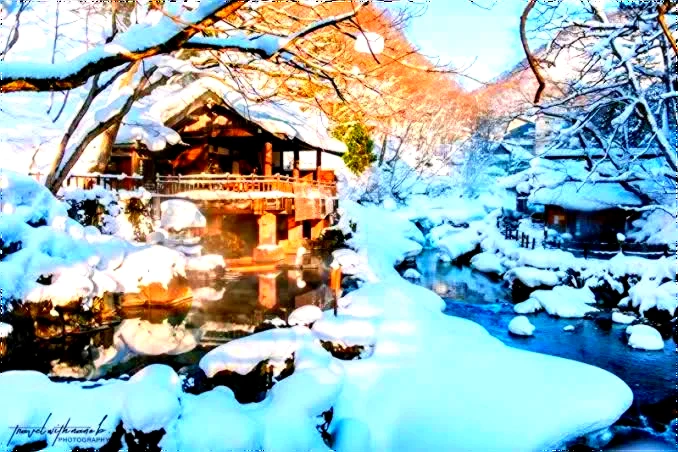
宝川温泉

宝川温泉

0.0 · 0 reviews 64 views Last updated Nov 19, 2026
水上, 群马县
0.0Rating
Autumn and Winter for scenic viewsBest Time
2,000 JPY (day visit)Entry Fee
Full DaySuggested Time
EasyDifficulty
4 minRead Time

Where to stay near 宝川温泉

Compare live prices with our booking partners.

Some links below are affiliate links. If you book through them we may earn a small commission — at no extra cost to you. How this works.

Cost & practical info

Entry fee 2,000 JPY (day visit) Confirm current fees on site
Best time to visit Autumn and Winter for scenic views
Suggested time Full Day
Difficulty Easy

Prices and opening hours can change — always confirm with the official site before you travel.

The Guide

🐻 Introduction to Takaragawa Onsen: A Rustic Riverside Retreat

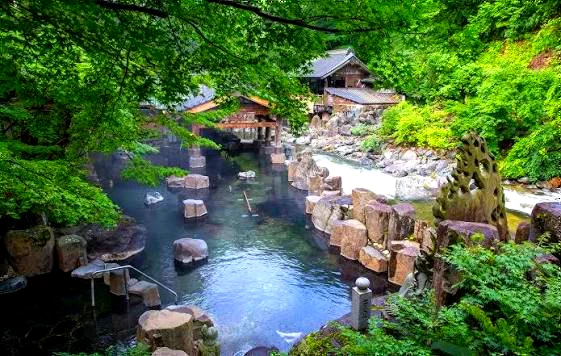
Nestled deep within the picturesque Minakami region of Gunma Prefecture, Takaragawa Onsen (宝川温泉) stands as one of Japan's most revered and iconic outdoor hot spring destinations. Far removed from the hustle and bustle of city life, this enchanting onsen offers a truly immersive experience in nature, where the soothing sounds of the Takaragawa River (Treasure River) become your constant companion. Renowned for its expansive, mixed-gender rotenburo (outdoor baths) that blend seamlessly with the surrounding natural landscape, Takaragawa Onsen is a must-visit for anyone seeking a traditional and deeply relaxing Japanese onsen adventure. Imagine yourself soaking in mineral-rich waters, steam rising gently into the crisp mountain air, with nothing but lush greenery, towering trees, and the flowing river around you. It's an idyllic scene straight out of a postcard! 🌿🏔️

The charm of Takaragawa Onsen lies in its rustic simplicity and its profound connection to nature. Unlike many modern onsen resorts, Takaragawa has largely preserved its traditional ambiance, offering a genuine glimpse into the age-old Japanese bathing culture. The sheer size of its outdoor baths is breathtaking, with several distinct pools, each offering a slightly different view and experience. The water itself is a clear, alkaline simple thermal spring, celebrated for its purported health benefits, including easing muscle pain, neuralgia, and fatigue, as well as promoting beautiful skin. You'll emerge feeling refreshed, rejuvenated, and deeply connected to the earth. ✨💧

🏞️ Exploring the Magnificent Rotenburo

Takaragawa Onsen is famous for its four main outdoor baths, each with its own character. The largest and arguably most iconic is 'Maka no Yu' (摩訶の湯), an enormous pool stretching along the riverbank, often considered one of Japan's largest open-air baths. Its sheer size allows for a sense of privacy even with other bathers around, and the views of the river and surrounding forest are simply spectacular. Then there's 'Hannya no Yu' (般若の湯), another expansive riverside bath offering similar serene views. For those seeking a slightly more secluded experience, 'Kagura no Yu' (神楽の湯) provides a more intimate setting, though still generously sized. Lastly, 'Kodakara no Yu' (子宝の湯), meaning 'Child-Treasure Bath,' is traditionally believed to bless bathers with fertility, making it a popular spot for couples hoping to start a family. While most of these grand outdoor baths are mixed-gender, women are provided with special bathing wraps (yukata-style robes) to wear, ensuring comfort and modesty. There are also smaller, separate indoor baths for men and women, as well as a women-only outdoor bath for those who prefer it. 🧖‍♀️🧖‍♂️

The experience of moving between these baths, each offering a slightly different perspective of the natural beauty, is truly part of the allure. In autumn, the surrounding mountains burst into a riot of crimson and gold, creating a breathtaking backdrop for your soak. In winter, snow-covered trees and gently falling flakes transform the scene into a magical wonderland, an unforgettable contrast to the warm, steamy waters. Even in spring and summer, the lush greenery and vibrant sounds of nature provide a tranquil escape. Don't forget your camera for pre- or post-bath photos of the stunning scenery! 📸🍂❄️

🏨 Accommodation and Dining at Takaragawa Onsen

The primary accommodation at Takaragawa Onsen is the Osenkaku ryokan (温泉閣), a traditional Japanese inn that has been welcoming guests for generations. Staying overnight at Osenkaku allows you to fully immerse yourself in the onsen experience, enjoying unlimited access to the baths even during the quieter hours of the morning and evening. The ryokan offers traditional Japanese-style rooms with tatami mats and futon bedding, providing a comfortable and authentic stay. Dinner and breakfast, typically included with an overnight stay, feature delicious multi-course Japanese meals (kaiseki), often highlighting local seasonal ingredients. Expect fresh river fish, mountain vegetables, and other regional delicacies that tantalize the taste buds. 🍣🍚

For day-trippers, Takaragawa Onsen also offers day-use access to its magnificent baths. This is a popular option for those with limited time or who are staying at other accommodations in the Minakami area. While day-use hours are more restricted, it still provides ample opportunity to enjoy the unique charm of this riverside paradise. There is a small shop on-site where you can purchase snacks, drinks, and souvenirs to commemorate your visit. Remember to hydrate well before and after your bath! 🍵🧴

🚶‍♀️ Activities and Surroundings

While the onsen itself is the main draw, the Minakami area offers a wealth of outdoor activities for those looking to extend their adventure. Depending on the season, you can enjoy rafting or canyoning on the Tone River, hiking in the nearby mountains, skiing or snowboarding at resorts like Tenjindaira in winter, or simply exploring the beautiful natural scenery. The region is also known for its delicious apples and other agricultural products, with several fruit-picking farms available. A visit to Takaragawa Onsen can easily be combined with other attractions in Gunma, making for a fulfilling multi-day trip. Whether you're a nature lover, an onsen enthusiast, or simply seeking a peaceful retreat, Takaragawa Onsen promises an unforgettable escape into the heart of Japan's natural beauty. Get ready to relax, rejuvenate, and reconnect with yourself amidst truly spectacular surroundings! 🗺️🌲🚣‍♀️

Travel Context

Practical, Sri Lanka-specific detail for 宝川温泉 — where it sits, how far it really is, what it costs and how to behave so your visit is welcome.

Where you are

This destination sits in 水上, 群马县 — 群马县 District, Sri Lanka. Distances look short on a map but Sri Lankan roads are slow, so plan fewer stops per day than you would at home.

Distance from Colombo

Roughly 9,205 km by road from Colombo, which is about 242.2 hours depending on traffic, the route and the time of day. The straight-line distance is shorter — allow extra time for hill-country bends, wildlife crossings and roadside stops.

Climate & season

Autumn and Winter for scenic views The south and west coasts are driest from December to March; the east coast from April to September. Conditions change quickly in the hill country, where mist and afternoon rain are routine.

What it costs

Entry is listed as 2,000 JPY (day visit). Budget separately for transport, food and any guide. Foreign-visitor tickets at major sites are priced in USD, and card machines are unreliable outside the main towns — carry rupees in small notes.

Etiquette & safety

Start early, carry at least two litres of water per person, and tell your guesthouse your route. Trails often cross private tea-estate or temple land, so stay on marked paths and ask before crossing farmland.

Best Time to Visit

Jan
Feb
Mar
Apr
May
Jun
Jul
Aug
Sep
Oct
Nov
Dec

Local Weather

Yuzawa Light snow
-2°
Feels like -6°C
78% 3.44 km/h
Light snow
Keep Exploring

Related Travel Guides

Location & Map

水上, 群马县
Get Directions

Fuel Cost Calculator

How to Get There

🚆 Getting to Takaragawa Onsen

Takaragawa Onsen, while feeling wonderfully remote, is surprisingly accessible from major cities like Tokyo. Here's how to get there:

  • By Train & Bus (Recommended):
    1. Take the Joetsu Shinkansen (bullet train) from Tokyo Station or Ueno Station to Jomo-Kogen Station (上毛高原駅). This journey takes approximately 70-80 minutes. 🚅
    2. From Jomo-Kogen Station, take a local bus bound for Minakami Station (水上駅). This ride is about 25 minutes.
    3. At Minakami Station, transfer to a specific bus for Takaragawa Onsen. The bus stop is directly outside Minakami Station. This bus ride takes approximately 35-40 minutes and drops you directly at the onsen entrance. Please note that bus services from Minakami Station to Takaragawa Onsen are infrequent, so it's crucial to check the latest bus schedule in advance, especially if you're planning a day trip. 🚌
    4. Alternatively, from Jomo-Kogen Station, a taxi directly to Takaragawa Onsen takes about 50-60 minutes and costs roughly 8,000-10,000 JPY. From Minakami Station, a taxi is about 25-30 minutes and costs around 5,000-6,000 JPY. 🚕
  • By Car: If you prefer the flexibility of driving, Takaragawa Onsen is accessible by car. It's approximately a 2.5 to 3-hour drive from central Tokyo, depending on traffic. Take the Kan-etsu Expressway (関越自動車道) to the Minakami IC (水上インターチェンジ). From the Minakami IC, follow signs for Takaragawa Onsen; the drive is about 30-40 minutes on winding mountain roads. Free parking is available at the onsen. Having a car allows for easier exploration of the surrounding Minakami area. 🚗🛣️

Important Tip: Due to the slightly remote location and infrequent bus services, especially in the late afternoon/evening, consider staying overnight at Takaragawa Onsen Osenkaku ryokan for the most relaxed experience, or carefully plan your bus connections for a day trip. Always check the latest train and bus timetables before your journey! ⏰

Safety & Travel Tips

Check Bus Schedules: Buses to Takaragawa Onsen, especially from Minakami Station, are infrequent. Always check the latest timetable online (e.g., on the Japan Transit Planner app or the local bus company's website) to avoid long waits or missing your connection, especially for day-trippers. 🚌⏰
Bathing Etiquette: While Takaragawa Onsen is famous for its mixed-gender baths, women are provided with special bathing wraps (yukata-style robes) for modesty. These are usually included in the entrance fee or available for rent. Men typically wear a small towel to cover themselves when walking between baths. Remember to rinse off thoroughly at the showers before entering any bath. 🧖‍♀️🧖‍♂️
Hydrate: Onsen bathing can be dehydrating. Drink plenty of water before and after your soak. There are vending machines and a small shop on-site. 💧🥤
Bring a Towel: While towels are usually available for rent or purchase, bringing your own small towel can be convenient for wiping off sweat or carrying between baths. 🧺
Footwear: Be prepared for some walking, as the outdoor baths are spread out along the river. Slip-on shoes or sandals are ideal. 👟
No Photography in Baths: For privacy and respect, photography is strictly prohibited in the bathing areas. You can take photos of the beautiful scenery around the onsen, but never of people bathing. 📸🚫
Day Trip vs. Overnight Stay: For the full immersive experience, especially during quieter hours, an overnight stay at Osenkaku Ryokan is highly recommended. Day-trippers should arrive early to maximize their time. 🌅🌙
Cash for Incidentals: While major credit cards might be accepted at the ryokan, having some cash on hand for bus fares, vending machines, or small purchases at local shops is always a good idea. 💰
Seasonal Considerations: Each season offers a unique experience. Autumn foliage (late October to mid-November) and winter snow (December to March) are particularly stunning, but also popular. Spring and summer offer lush greenery and pleasant temperatures. 🍂❄️🌸☀️
Consider the Minakami Area: If you have extra time, explore other attractions in Minakami like rafting, hiking, or skiing, making it a multi-day trip. 🗺️

Nearby Amenities

On-Site (Osenkaku Ryokan):
  • Restaurant: Serves traditional Japanese meals (kaiseki) for overnight guests, often included in the stay. Day-trippers can usually purchase light snacks or drinks. 🍣🍚
Gift Shop: Sells local souvenirs, snacks, drinks, and some onsen-related items. 🎁🛍️
Vending Machines: Available for drinks. 🥤
Parking: Free parking for guests and day-trippers. 🅿️
Minakami Town (Approx. 30-40 mins by bus/car):
  • Restaurants & Cafes: A wider selection of local eateries, ramen shops, and cafes. 🍜☕
Convenience Stores (Konbini): Several 7-Eleven, Lawson, or FamilyMart stores for snacks, drinks, ATMs, and basic necessities. 🏪
Supermarkets: For groceries and a broader selection of food items. 🛒
Local Souvenir Shops: Selling regional products and crafts. 🛍️
Medical Clinics: Basic medical services are available in Minakami Town. For serious emergencies, a hospital would be further away. 🏥
Post Office: For mailing services and some ATM functions. ✉️
Jomo-Kogen Station (Approx. 50-60 mins by bus/car/taxi):
  • Small Shops: Limited souvenir shops and a small cafe. ☕🎁
ATM: Available at the station. 🏧
Tourist Information: Provides maps and brochures for the Minakami area. ℹ️
Hospitals: The closest full-service hospitals would be in larger towns in Gunma Prefecture, such as Numata City, which is about an hour's drive from Takaragawa Onsen. For immediate, minor medical needs, Minakami Town has clinics. In an emergency, staff at Osenkaku can assist in calling for help. 🚑

Sri Lanka Essentials

The things that catch visitors out on a first trip — money, connectivity, transport, health and the small etiquette rules that make a real difference.

Money & payments

The currency is the Sri Lankan rupee (LKR). Cards work in hotels, supermarkets and larger restaurants, but tuk-tuks, small entry gates, beach cafés and village shops are cash-only. Draw from bank ATMs in towns rather than standalone machines, keep small notes for change, and carry enough cash for two days when you head into the hill country or the north.

Connectivity & data

A local tourist SIM (Dialog, Mobitel or Hutch) is cheap and easy to buy at the airport or in any town with your passport. Coverage is good on the coasts and in towns, patchier in the Knuckles, parts of the north and inside national parks. Download offline maps and screenshots of bookings before remote drives.

Getting around

Trains are slow, scenic and very cheap — the hill-country line is the highlight. Buses cover almost everywhere but can be crowded. Tuk-tuks suit short hops; agree the fare first or use a metered app. Private drivers are good value for multi-stop days. Distances take longer than the map suggests: 100 km can easily be three hours.

Health & safety

Dengue is present, so use repellent and cover up at dusk. Drink bottled or filtered water, and be careful with ice in remote places. The sun is strong even when overcast. Pharmacies are common in towns; serious care is concentrated in Colombo. Travel insurance that covers adventure activities is worth having.

Responsible travel

Sri Lanka is small and heavily visited — small choices add up. Refuse plastic bags and single-use bottles where you can, avoid elephant rides and any attraction that chains wildlife, dress modestly at religious sites, and buy directly from local guides, homestays and cafés rather than international middlemen.

Holidays & opening hours

Poya (full moon) days are public holidays: temples are busy, some shops close and the sale of alcohol is restricted. Many archaeological sites open at 7am and close by 5–6pm, and last entry is usually an hour earlier. Check opening days before building a long drive around one site.

Traveler Reviews (0)

Be the first to review 宝川温泉!

✍️ Leave a Review

Frequently Asked

Yes, Takaragawa Onsen is famous for its large, mixed-gender outdoor baths (rotenburo). However, women are provided with special bathing wraps (yukata-style robes) for modesty while bathing. There are also separate indoor baths and one women-only outdoor bath for those who prefer them.
You can absolutely visit Takaragawa Onsen for a day trip. They offer day-use access to their baths during specific hours. However, for a more relaxed and immersive experience, especially to enjoy the baths during quieter times, an overnight stay at the Osenkaku ryokan is highly recommended.
Takaragawa Onsen is beautiful year-round. Autumn (late October to mid-November) is popular for its stunning fall foliage, while winter (December to March) offers a magical experience with snow-covered landscapes. Spring brings fresh greenery, and summer provides a lush, vibrant setting.
Photography is strictly prohibited within the bathing areas to ensure the privacy and comfort of all bathers. However, you are welcome to take photos of the surrounding natural scenery and the ryokan grounds outside of the actual bath zones.
From Jomo-Kogen Station, first take a local bus to Minakami Station (approx. 25 min). From Minakami Station, transfer to another bus specifically bound for Takaragawa Onsen (approx. 35-40 min). Alternatively, a taxi from Jomo-Kogen Station directly to Takaragawa Onsen takes about 50-60 minutes.
Weekly Dispatch

Get Travel Inspiration

Hidden gems, local tips & exclusive guides from Sri Lanka, Asia and beyond — delivered to your inbox, weekly.

No spam, ever. Unsubscribe anytime.