德赫内拉瀑布

德赫内拉瀑布

4.5 · 0 reviews 89 views Last updated Nov 19, 2026
4.5Rating
The best time to visit is during the dry season, from January to March and June to September.Best Time
FreeEntry Fee
Half DaySuggested Time
ModerateDifficulty
4 minRead Time

Where to stay near 德赫内拉瀑布

Compare live prices with our booking partners.

Some links below are affiliate links. If you book through them we may earn a small commission — at no extra cost to you. How this works.

Cost & practical info

Entry fee Free Confirm current fees on site
Best time to visit The best time to visit is during the dry season, from January to March and June to September.
Suggested time Half Day
Difficulty Moderate

Prices and opening hours can change — always confirm with the official site before you travel.

The Guide

⛰️ Introduction to Dehenella Falls: A Hidden Gem in Sri Lanka's Hill Country 🌿

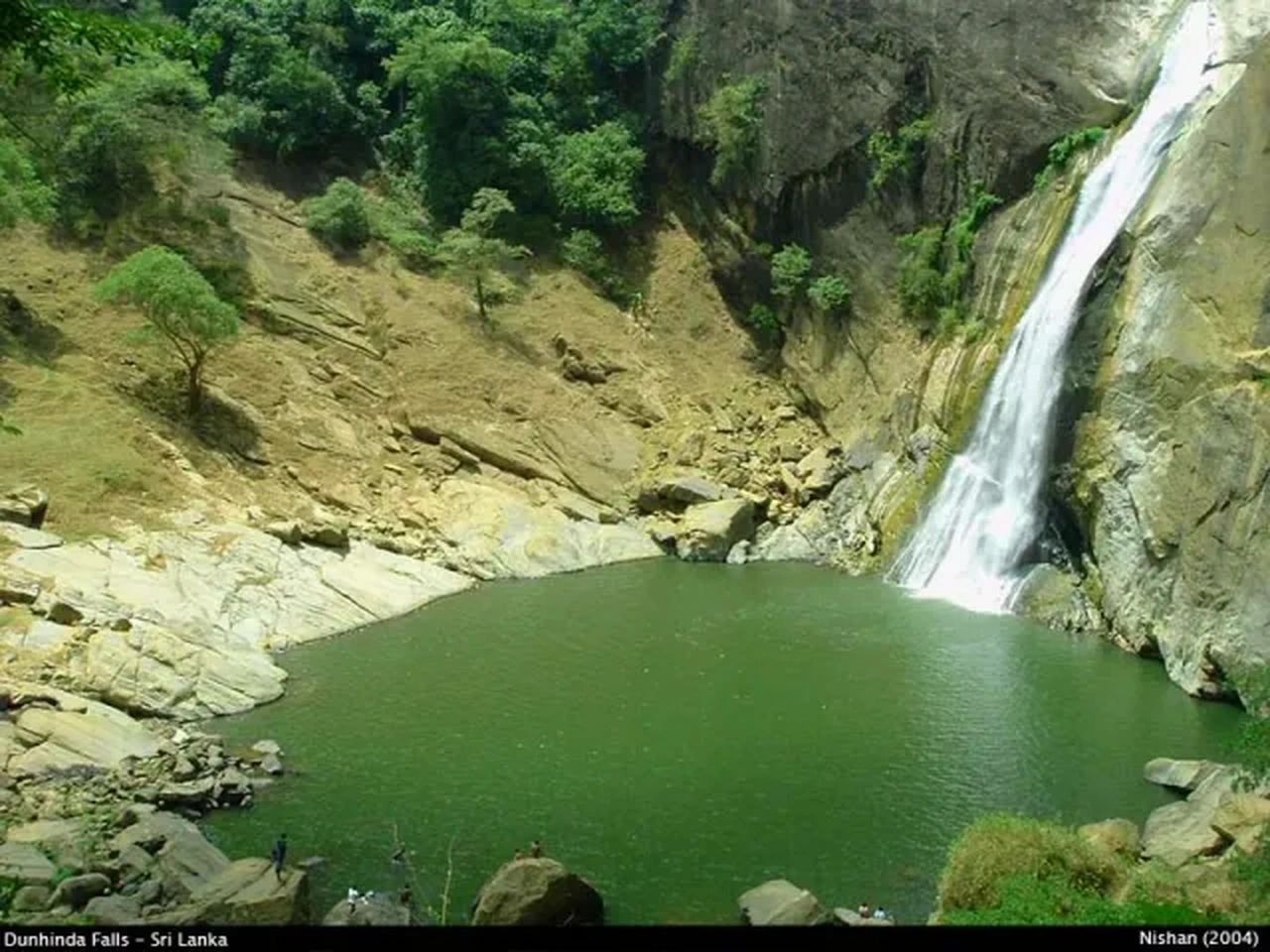
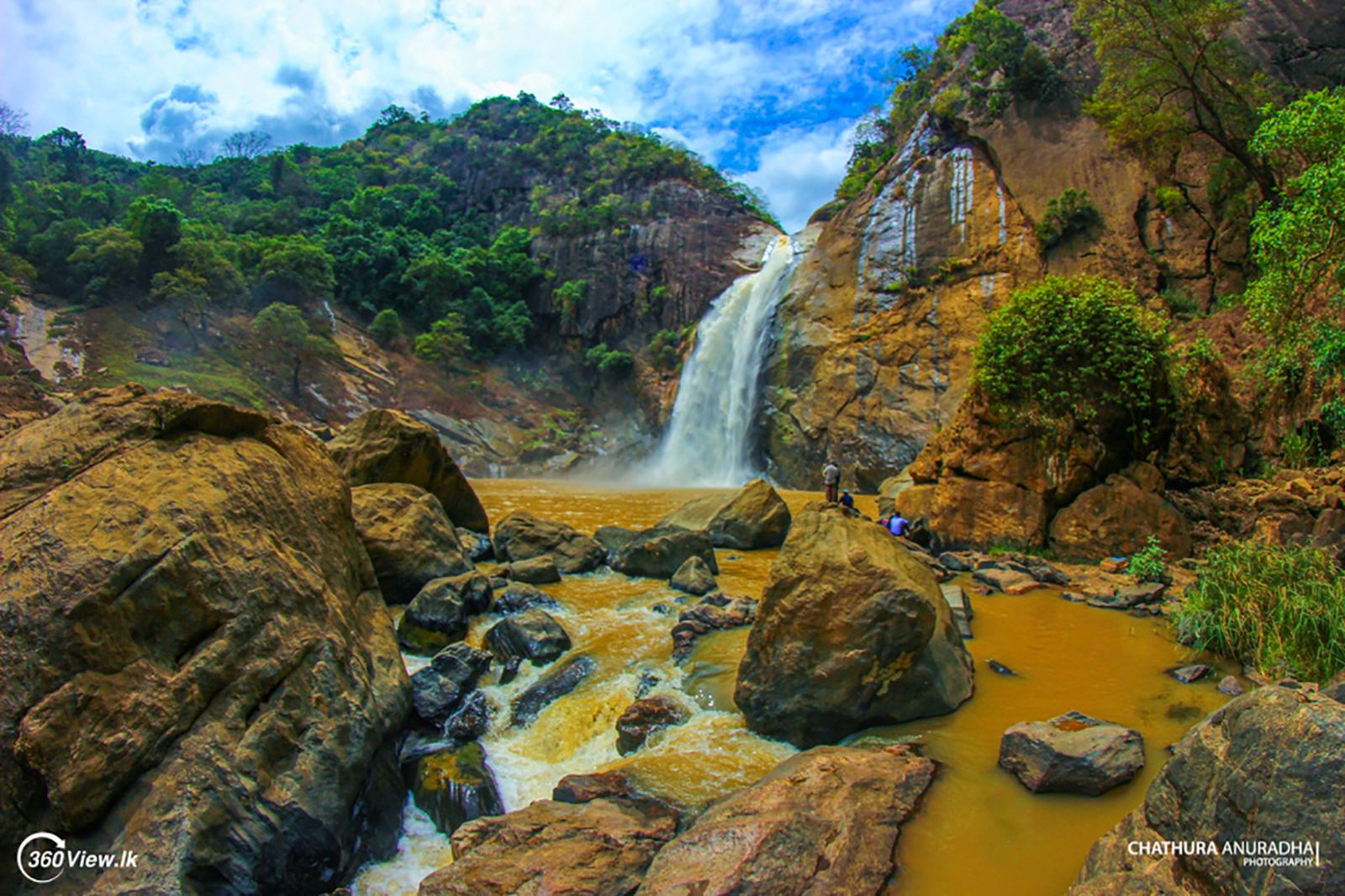
Nestled amidst the emerald embrace of Sri Lanka's central highlands, Dehenella Falls is a captivating cascade that, while perhaps not as widely known as some of its more famous counterparts, offers an incredibly rewarding experience for nature lovers and intrepid travelers. This magnificent waterfall, often referred to as a 'hidden gem,' promises a tranquil escape from the bustling tourist trails, inviting visitors to immerse themselves in its pristine beauty and the serene ambiance of its surroundings. Imagine the soothing symphony of rushing water, the vibrant hues of tropical flora, and the crisp, clean air that invigorates your senses – that's the essence of Dehenella Falls. It's a place where the grandeur of nature takes center stage, offering breathtaking photographic opportunities and moments of quiet contemplation.

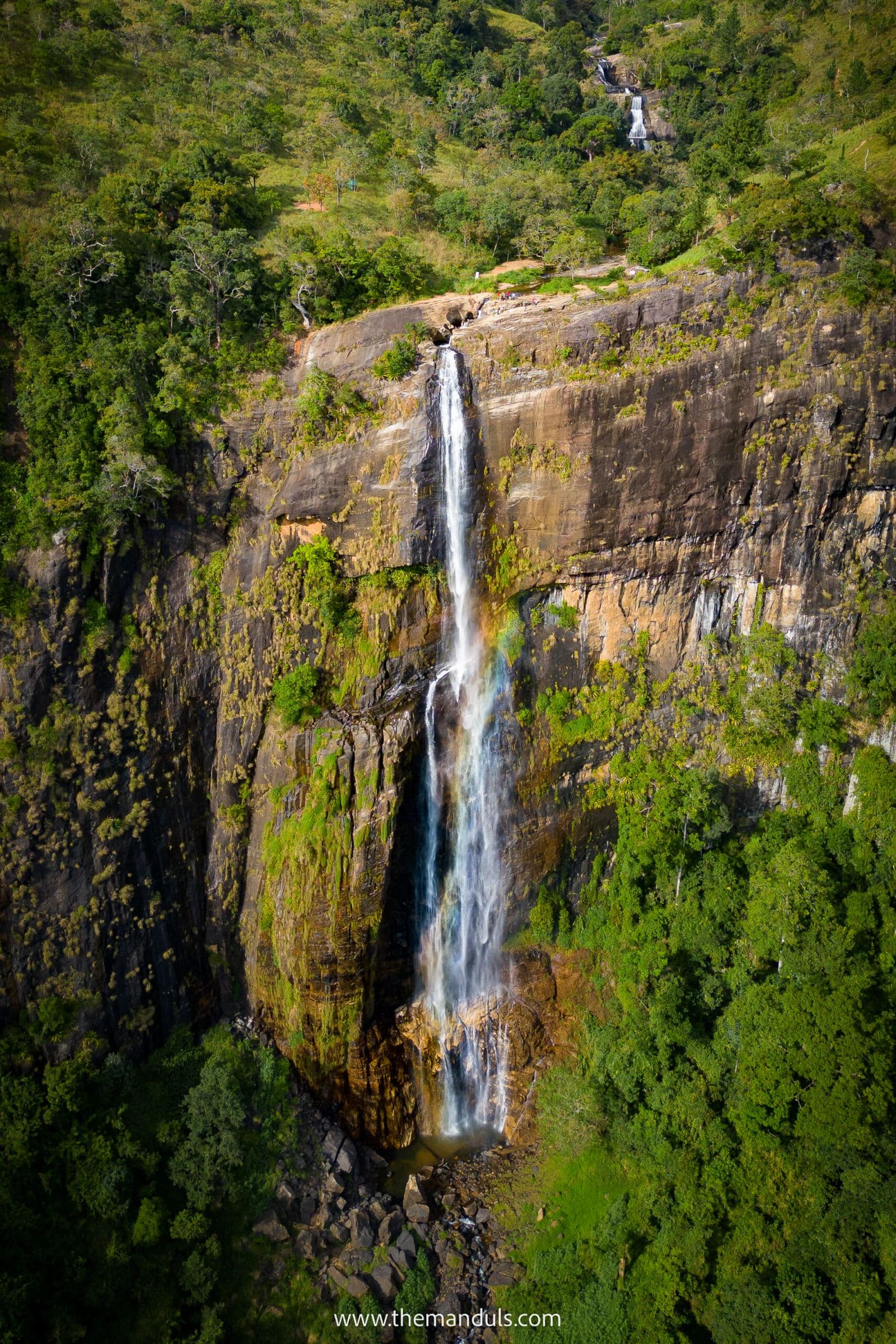
The journey to Dehenella Falls itself is part of the adventure, winding through picturesque landscapes that showcase the island's incredible biodiversity. You'll pass by verdant tea plantations, charming local villages, and dense patches of rainforest, each offering a glimpse into the authentic Sri Lankan way of life. The anticipation builds with every turn, culminating in the majestic sight and sound of Dehenella Falls. This multi-tiered waterfall gracefully descends over moss-covered rocks, creating a mesmerizing display of nature's artistry. The power and elegance of the water as it plunges downwards are truly awe-inspiring, reminding us of the raw beauty that lies within untouched natural spaces.

💧 The Majestic Beauty and Unique Features of Dehenella Falls 📸

Dehenella Falls stands out not just for its height, but for its unique aesthetic appeal. The water tumbles down in a series of distinct sections, each contributing to its overall grandeur. Depending on the season, the volume of water can vary significantly, but even during drier periods, the falls retain their charm, showcasing intricate rock formations carved over millennia by the relentless flow. During the monsoon season, however, Dehenella transforms into a roaring spectacle, a powerful testament to nature's might. The spray from the falls creates a refreshing mist that cools the surrounding air, making it an ideal spot to escape the tropical heat.

The area surrounding Dehenella Falls is a haven for biodiversity. Lush green foliage, endemic plant species, and a variety of birdlife thrive in this undisturbed ecosystem. Birdwatchers might be lucky enough to spot colorful endemic species flitting through the trees, adding another layer of enchantment to the experience. The air is often filled with the sweet scent of wild flowers and the earthy aroma of damp soil, creating a truly sensory immersion. For photographers, Dehenella Falls offers an endless array of compositions. The interplay of light and shadow on the cascading water, the vibrant greens of the vegetation, and the dramatic rock faces provide ample opportunities to capture stunning images. Early mornings or late afternoons often present the best lighting conditions, painting the falls in golden hues.

🚶‍♀️ Exploring the Surroundings and Local Culture 🌿

Beyond the immediate vicinity of the falls, the surrounding region offers further opportunities for exploration. Gentle hikes through the nearby trails allow visitors to discover more of the local flora and fauna, and perhaps even stumble upon smaller, equally charming cascades. Engaging with the local communities, who are known for their warmth and hospitality, can also enrich your visit. You might find opportunities to sample local delicacies, observe traditional farming practices, or simply enjoy a friendly chat. These interactions provide a valuable insight into the cultural fabric of rural Sri Lanka.

Dehenella Falls is more than just a beautiful sight; it's an experience that connects you with the heart of Sri Lanka's natural heritage. It's a place to disconnect from the digital world and reconnect with yourself, to breathe deeply, and to marvel at the wonders that our planet holds. Whether you're seeking adventure, tranquility, or simply a stunning backdrop for your travel memories, Dehenella Falls promises to deliver an unforgettable journey into the wild heart of Sri Lanka. Remember to respect the natural environment, leave no trace, and help preserve this precious gem for future generations to enjoy. The serene atmosphere, the vibrant ecosystem, and the sheer majesty of the falls make it a truly special destination that deserves to be on every nature enthusiast's itinerary when visiting Sri Lanka.

Travel Context

Practical, Sri Lanka-specific detail for 德赫内拉瀑布 — where it sits, how far it really is, what it costs and how to behave so your visit is welcome.

Where you are

Located in Sri Lanka. Distances look short on a map but roads are slow, so plan fewer stops per day than you would at home.

Distance from Colombo

Roughly 105 km by road from Colombo, which is about 2.8 hours depending on traffic, the route and the time of day. The straight-line distance is shorter — allow extra time for hill-country bends, wildlife crossings and roadside stops.

Climate & season

The best time to visit is during the dry season, from January to March and June to September. The south and west coasts are driest from December to March; the east coast from April to September. Conditions change quickly in the hill country, where mist and afternoon rain are routine.

What it costs

Entry is listed as Free. Budget separately for transport, food and any guide. Foreign-visitor tickets at major sites are priced in USD, and card machines are unreliable outside the main towns — carry rupees in small notes.

Etiquette & safety

Keep a respectful distance, stay quiet, and never ask a driver to chase an animal or leave the track. Dawn and late afternoon are the most productive hours, and muted colours help you blend in.

Best Time to Visit

Jan
Feb
Mar
Apr
May
Jun
Jul
Aug
Sep
Oct
Nov
Dec

Local Weather

Sabaragamuwa Province Light rain
25°
Feels like 25°C
72% 0.72 km/h
Light rain
Keep Exploring

Related Travel Guides

Location & Map

Get Directions

Fuel Cost Calculator

How to Get There

🚗 By Car/Taxi:

The most convenient way to reach Dehenella Falls is by private car or taxi. From major towns in the hill country like Ella or Badulla, it's typically a scenic drive that can take anywhere from 1-2 hours depending on the starting point and road conditions. Ensure your driver is familiar with the route, as the final stretch might involve narrower, less-maintained roads. 🗺️

🚌 By Bus:

Public buses are an economical option, though they might require multiple transfers. You would typically need to take a bus to a nearby town (e.g., Demodara, Hali-Ela) and then hire a tuk-tuk for the final leg to the falls. Be prepared for a more adventurous and time-consuming journey. 🚍

🚂 By Train:

While there isn't a direct train station to the falls, you can take a picturesque train ride to stations like Demodara or Ella. From there, you'll need to arrange a tuk-tuk or taxi to complete your journey to Dehenella Falls. The train journey through the hill country is an experience in itself! 🚂

Safety & Travel Tips

☀️ Best Time to Visit: Aim for the dry season (typically January to March and June to September) for clearer paths and less slippery conditions.
👟 Wear Appropriate Footwear: The path to the falls can be uneven and muddy, so sturdy, comfortable walking shoes with good grip are essential.
💧 Carry Water & Snacks: There are limited facilities near the falls, so bring enough water and light snacks.
📸 Bring a Camera: The scenery is incredibly picturesque; you'll want to capture the beauty!
🗑️ Leave No Trace: Help preserve the natural beauty by taking all your trash with you.
🦟 Insect Repellent: Especially during the wet season, mosquitoes can be present.
☔ Be Prepared for Rain: Weather in the hill country can be unpredictable, so a light raincoat or umbrella is advisable.
🤝 Respect Local Culture: Be mindful of local customs and traditions, especially if passing through villages.

Nearby Amenities

🍽️ Restaurants/Eateries: Limited options directly at the falls. It's best to eat in nearby towns like Ella or Badulla before or after your visit.
🏨 Accommodation: Guesthouses and hotels are available in Ella, Badulla, and other larger towns in the vicinity.
ATM ATMs: Available in the larger towns like Ella, Badulla, or Bandarawela. Make sure to withdraw cash before heading to the falls.
🏥 Hospitals/Clinics: Basic medical facilities can be found in nearby towns. For serious emergencies, larger hospitals are in Badulla.
🛒 Local Shops: Very few, if any, small shops near the falls. Stock up on essentials beforehand.
🚽 Restrooms: Public restroom facilities are generally not available at the falls itself; plan accordingly.

Sri Lanka Essentials

The things that catch visitors out on a first trip — money, connectivity, transport, health and the small etiquette rules that make a real difference.

Money & payments

The currency is the Sri Lankan rupee (LKR). Cards work in hotels, supermarkets and larger restaurants, but tuk-tuks, small entry gates, beach cafés and village shops are cash-only. Draw from bank ATMs in towns rather than standalone machines, keep small notes for change, and carry enough cash for two days when you head into the hill country or the north.

Connectivity & data

A local tourist SIM (Dialog, Mobitel or Hutch) is cheap and easy to buy at the airport or in any town with your passport. Coverage is good on the coasts and in towns, patchier in the Knuckles, parts of the north and inside national parks. Download offline maps and screenshots of bookings before remote drives.

Getting around

Trains are slow, scenic and very cheap — the hill-country line is the highlight. Buses cover almost everywhere but can be crowded. Tuk-tuks suit short hops; agree the fare first or use a metered app. Private drivers are good value for multi-stop days. Distances take longer than the map suggests: 100 km can easily be three hours.

Health & safety

Dengue is present, so use repellent and cover up at dusk. Drink bottled or filtered water, and be careful with ice in remote places. The sun is strong even when overcast. Pharmacies are common in towns; serious care is concentrated in Colombo. Travel insurance that covers adventure activities is worth having.

Responsible travel

Sri Lanka is small and heavily visited — small choices add up. Refuse plastic bags and single-use bottles where you can, avoid elephant rides and any attraction that chains wildlife, dress modestly at religious sites, and buy directly from local guides, homestays and cafés rather than international middlemen.

Holidays & opening hours

Poya (full moon) days are public holidays: temples are busy, some shops close and the sale of alcohol is restricted. Many archaeological sites open at 7am and close by 5–6pm, and last entry is usually an hour earlier. Check opening days before building a long drive around one site.

Traveler Reviews (0)

Be the first to review 德赫内拉瀑布!

✍️ Leave a Review

Frequently Asked

While the falls are beautiful, the path can be uneven and slippery. It's advisable for families with very young children to exercise caution or consider if the terrain is suitable for their mobility.
Swimming may be possible in certain calmer pools, depending on the water levels and current. However, always exercise extreme caution, especially during or after heavy rains when currents can be strong and water levels high. It's generally not recommended without local guidance.
While a guide isn't strictly necessary as the path is generally discernible, hiring a local guide can enhance your experience by providing insights into the local flora, fauna, and culture, and ensuring you don't miss any hidden spots.
Early mornings (shortly after sunrise) or late afternoons (a few hours before sunset) offer the best light for photography, providing softer, warmer tones and dramatic shadows that enhance the beauty of the falls.
Weekly Dispatch

Get Travel Inspiration

Hidden gems, local tips & exclusive guides from Sri Lanka, Asia and beyond — delivered to your inbox, weekly.

No spam, ever. Unsubscribe anytime.