கனசாவா கென்ரோகுயன் தோட்டம்

கனசாவா கென்ரோகுயன் தோட்டம்

0.0 · 0 reviews 97 views Last updated Nov 19, 2026
கனசாவா, இஷிகாவா மாகாணம்
0.0Rating
Spring for cherry blossoms, Autumn for fall foliageBest Time
320 JPYEntry Fee
Half DaySuggested Time
EasyDifficulty
4 minRead Time

Where to stay near கனசாவா கென்ரோகுயன் தோட்டம்

Compare live prices with our booking partners.

Some links below are affiliate links. If you book through them we may earn a small commission — at no extra cost to you. How this works.

Cost & practical info

Entry fee 320 JPY Confirm current fees on site
Best time to visit Spring for cherry blossoms, Autumn for fall foliage
Suggested time Half Day
Difficulty Easy

Prices and opening hours can change — always confirm with the official site before you travel.

The Guide

🌸 Introduction to Kenrokuen Garden: A Jewel of Kanazawa

Welcome to Kenrokuen Garden, often lauded as one of Japan's 'Three Great Gardens' alongside Kairakuen in Mito and Korakuen in Okayama. Nestled in the heart of Kanazawa, Ishikawa Prefecture, this sprawling traditional Japanese garden is a masterpiece of landscape design, offering breathtaking beauty throughout all four seasons. Its name, Kenrokuen, literally translates to 'Garden of the Six Sublimities,' referring to the six essential attributes considered ideal in a garden: spaciousness, serenity, artificiality, antiquity, abundant water, and broad views. Prepare to embark on a journey through meticulously manicured landscapes, historical teahouses, and serene water features that have captivated visitors for centuries. 🌿📸

🕰️ A Rich History & Enduring Legacy

The origins of Kenrokuen Garden date back to the 17th century when the Maeda clan, feudal lords of the Kaga domain, began constructing a private outer garden for Kanazawa Castle. Over generations, the garden was expanded and refined, reaching its present form in the mid-19th century. Each successive lord added their personal touch, contributing to the diverse array of ponds, hills, streams, and tea houses that define the garden today. It was finally opened to the public in 1874. Walking through Kenrokuen is like stepping back in time, allowing you to witness the enduring legacy of Japanese garden artistry and the meticulous care that has preserved its beauty for over 350 years. The sheer scale and intricate details demonstrate the immense power and aesthetic sensibilities of the Maeda family. 🏯✨

💧 Iconic Features & Serene Landscapes

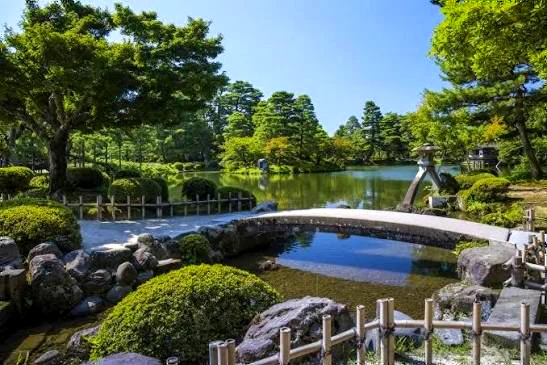
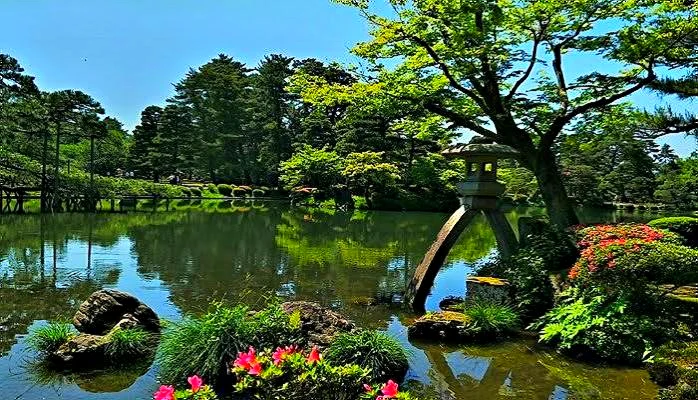
Kenrokuen is renowned for its iconic features, each carefully designed to evoke a sense of harmony and tranquility. One of the most famous sights is the Kotojitoro Lantern, a two-legged stone lantern that has become a symbol of Kanazawa. Standing elegantly by the Kasumigaike Pond, its reflection on the water is a classic photographic subject, especially during autumn foliage or winter snow. Speaking of Kasumigaike Pond, it is the largest pond in the garden and features the Horaijima Island, believed to represent the eternal land of happiness. The garden's intricate water system, sourced from the Tatsumi Canal, feeds its various ponds and streams, creating beautiful waterfalls and gentle currents. Don't miss the Karasaki Pine, an ancient pine tree with branches supported by elaborate rope structures (yukitsuri) during winter, protecting them from heavy snowfall – a truly unique sight! The Flying Geese Bridge (Gankobashi) with its eleven stones arranged to resemble a flock of flying geese, and the Seisonkaku Villa, a beautiful samurai villa built for the mother of the 13th lord, are other must-see attractions. Every corner of Kenrokuen offers a new perspective, a different shade of green, and a moment of peaceful contemplation. 🌲🍂

🌸 Seasonal Splendor: A Garden for All Seasons

One of Kenrokuen's greatest charms is its ability to transform with each passing season, offering a unique experience no matter when you visit. In spring, the garden bursts into a riot of color with cherry blossoms (sakura) painting the landscape in delicate pinks and whites, drawing visitors from far and wide. Summer brings lush greenery, vibrant azaleas, and the soothing sound of cicadas, creating a refreshing escape from the heat. Autumn is a spectacular display of fiery reds, oranges, and yellows as the maple leaves change, making it a prime spot for momiji (autumn foliage) viewing. And in winter, Kenrokuen transforms into a magical wonderland, often blanketed in pristine snow, with the yukitsuri ropes creating stunning sculptural forms against the white backdrop. The contrast between the snow and the evergreens is particularly striking, offering a serene and almost ethereal beauty. Each season offers a different facet of its splendor, making repeat visits a delightful prospect. ☀️❄️

🧘 Experiencing Tranquility and Culture

Beyond its visual appeal, Kenrokuen offers a profound sense of tranquility and an opportunity to connect with Japanese culture. Take your time to stroll along the winding paths, pause at the various viewpoints, and simply absorb the serene atmosphere. Many visitors find a sense of peace and reflection amidst the meticulously crafted natural beauty. There are also several teahouses within the garden where you can enjoy a traditional matcha tea ceremony, offering a moment of quiet contemplation and a taste of local hospitality. The garden's design encourages a slow, contemplative pace, allowing you to truly appreciate the artistry and philosophy behind traditional Japanese gardens. Whether you are a nature lover, a history enthusiast, or simply seeking a peaceful escape, Kenrokuen Garden promises an unforgettable and enriching experience. Don't forget your camera, as photo opportunities abound at every turn! 📸🍵

Travel Context

Practical, Sri Lanka-specific detail for கனசாவா கென்ரோகுயன் தோட்டம் — where it sits, how far it really is, what it costs and how to behave so your visit is welcome.

Where you are

This destination sits in கனசாவா, இஷிகாவா மாகாணம் — இஷிகாவா மாகாணம் District, Sri Lanka. Distances look short on a map but Sri Lankan roads are slow, so plan fewer stops per day than you would at home.

Distance from Colombo

Roughly 8,925 km by road from Colombo, which is about 234.9 hours depending on traffic, the route and the time of day. The straight-line distance is shorter — allow extra time for hill-country bends, wildlife crossings and roadside stops.

Climate & season

Spring for cherry blossoms, Autumn for fall foliage The south and west coasts are driest from December to March; the east coast from April to September. Conditions change quickly in the hill country, where mist and afternoon rain are routine.

What it costs

Entry is listed as 320 JPY. Budget separately for transport, food and any guide. Foreign-visitor tickets at major sites are priced in USD, and card machines are unreliable outside the main towns — carry rupees in small notes.

Etiquette & safety

Keep a respectful distance, stay quiet, and never ask a driver to chase an animal or leave the track. Dawn and late afternoon are the most productive hours, and muted colours help you blend in.

Best Time to Visit

Jan
Feb
Mar
Apr
May
Jun
Jul
Aug
Sep
Oct
Nov
Dec

Local Weather

Bakurochō Light rain
9°
Feels like 5°C
82% 9.74 km/h
Light rain
Keep Exploring

Related Travel Guides

Location & Map

கனசாவா, இஷிகாவா மாகாணம்
Get Directions

Fuel Cost Calculator

How to Get There

🚆 Getting to Kenrokuen Garden

Kenrokuen Garden is conveniently located in Kanazawa, making it easily accessible by various modes of transport. 🚌

  • From Kanazawa Station: The most common way to reach Kenrokuen is by bus from Kanazawa Station.
    • Kanazawa Loop Bus: Take the Kanazawa Loop Bus (left loop or right loop) and get off at the 'Kenrokuen-shita' stop. The ride takes approximately 10-15 minutes.
    • Kenrokuen Shuttle Bus: During peak seasons, a dedicated Kenrokuen Shuttle Bus often operates, offering direct access.
    • Local Buses: Several local buses, such as the Hokutetsu Bus (e.g., routes heading towards Korinbo or Hirosaka), also stop near Kenrokuen. Look for stops like 'Kenrokuen-mae' or 'Hirosaka-Kenrokuen-mae'.
  • On Foot: If you're staying in the central Kanazawa area, Kenrokuen is often within a pleasant walking distance from many hotels and attractions like Kanazawa Castle. It's about a 20-30 minute walk from Omicho Market. 🚶‍♀️
  • By Car: While possible, driving directly to the garden is not recommended due to limited and often expensive parking. Public transport is generally the most convenient option. 🚗🅿️

Safety & Travel Tips

Wear Comfortable Shoes: You'll be doing a lot of walking on various surfaces (gravel paths, stone steps), so comfortable footwear is essential. 👟
Allow Ample Time: To fully appreciate the garden's beauty and scale, allocate at least 2-3 hours for your visit. More if you plan to visit the Seisonkaku Villa or have tea. ⏰
Visit Early Morning: To avoid crowds and enjoy a more peaceful experience, especially during peak season, try to visit right after opening. 🌅
Check Seasonal Highlights: The garden's appearance changes dramatically with the seasons. Check online for current blooming information (cherry blossoms, autumn leaves) or winter illumination schedules. 🌸🍁❄️
Combine with Kanazawa Castle: Kenrokuen Garden is directly adjacent to Kanazawa Castle Park. Your admission ticket might even offer a discount for both, and it's easy to visit them together. 🏰
Photography: Bring your camera! There are countless picturesque spots. Consider a wide-angle lens for landscapes and a telephoto for details. 📸
Stay Hydrated: Especially during warmer months, carry water with you. There are vending machines and small cafes, but having your own is convenient. 💧
Respect the Garden: Stay on designated paths, do not pick flowers or disturb plants, and dispose of trash properly to preserve the garden's beauty for everyone. 🙏

Nearby Amenities

Restaurants & Cafes: Several cafes and small restaurants are located within or immediately outside the garden, offering light meals, snacks, and traditional Japanese sweets. The surrounding area of Kanazawa also boasts a wide array of dining options, from local specialties to international cuisine. 🍜🍣🍰
Restrooms: Public restrooms are available at various points throughout the garden, clearly marked with signs. 🚻
Gift Shops: There are souvenir shops near the main entrances selling local crafts, garden-themed merchandise, and snacks. 🎁
Information Center: A visitor information center is located near the main entrance, providing maps and assistance. ℹ️
ATMs: ATMs are not typically found inside the garden itself, but can be easily accessed at convenience stores (e.g., 7-Eleven, FamilyMart) or banks in central Kanazawa, a short walk or bus ride away. 💰
Hospitals/Clinics: For medical emergencies, several hospitals and clinics are located within Kanazawa city. The Kanazawa University Hospital is a major facility. For minor issues, local pharmacies are available. 🏥💊
Hotels: Kanazawa offers a wide range of accommodation options, from luxury hotels to traditional ryokans and budget-friendly hostels, many within easy reach of Kenrokuen Garden. 🏨🛏️

Sri Lanka Essentials

The things that catch visitors out on a first trip — money, connectivity, transport, health and the small etiquette rules that make a real difference.

Money & payments

The currency is the Sri Lankan rupee (LKR). Cards work in hotels, supermarkets and larger restaurants, but tuk-tuks, small entry gates, beach cafés and village shops are cash-only. Draw from bank ATMs in towns rather than standalone machines, keep small notes for change, and carry enough cash for two days when you head into the hill country or the north.

Connectivity & data

A local tourist SIM (Dialog, Mobitel or Hutch) is cheap and easy to buy at the airport or in any town with your passport. Coverage is good on the coasts and in towns, patchier in the Knuckles, parts of the north and inside national parks. Download offline maps and screenshots of bookings before remote drives.

Getting around

Trains are slow, scenic and very cheap — the hill-country line is the highlight. Buses cover almost everywhere but can be crowded. Tuk-tuks suit short hops; agree the fare first or use a metered app. Private drivers are good value for multi-stop days. Distances take longer than the map suggests: 100 km can easily be three hours.

Health & safety

Dengue is present, so use repellent and cover up at dusk. Drink bottled or filtered water, and be careful with ice in remote places. The sun is strong even when overcast. Pharmacies are common in towns; serious care is concentrated in Colombo. Travel insurance that covers adventure activities is worth having.

Responsible travel

Sri Lanka is small and heavily visited — small choices add up. Refuse plastic bags and single-use bottles where you can, avoid elephant rides and any attraction that chains wildlife, dress modestly at religious sites, and buy directly from local guides, homestays and cafés rather than international middlemen.

Holidays & opening hours

Poya (full moon) days are public holidays: temples are busy, some shops close and the sale of alcohol is restricted. Many archaeological sites open at 7am and close by 5–6pm, and last entry is usually an hour earlier. Check opening days before building a long drive around one site.

Traveler Reviews (0)

Be the first to review கனசாவா கென்ரோகுயன் தோட்டம்!

✍️ Leave a Review

Frequently Asked

Kenrokuen Garden typically opens at 7:00 AM (March 1 to October 15) or 8:00 AM (October 16 to February end) and closes at 6:00 PM (March 1 to October 15) or 5:00 PM (October 16 to February end). It is open daily year-round, but it's always best to check the official Kanazawa tourism website for the most current information, especially for special events or temporary closures.
Yes, there is an admission fee to enter Kenrokuen Garden. As of recent information, the fee is usually a few hundred yen for adults. Discounts may be available for children, seniors, or groups. Combination tickets with Kanazawa Castle Park are also often available and offer good value.
To comfortably explore Kenrokuen Garden and appreciate its beauty, it is recommended to allocate at least 2 to 3 hours. If you wish to visit the Seisonkaku Villa or enjoy a tea ceremony, you might want to allow for even more time, around 3 to 4 hours.
While many paths are relatively flat, some areas of Kenrokuen Garden have gravel paths, steps, or slight inclines that might pose challenges for wheelchair users. However, efforts have been made to improve accessibility, and there are accessible routes and entrances. It's advisable to check the official website or contact the garden directly for specific accessibility information and recommended routes.
While picnicking is generally not allowed, there are several teahouses and small cafes within the garden where you can purchase and enjoy refreshments, light meals, and traditional Japanese sweets. It's generally acceptable to carry a water bottle for hydration.
Weekly Dispatch

Get Travel Inspiration

Hidden gems, local tips & exclusive guides from Sri Lanka, Asia and beyond — delivered to your inbox, weekly.

No spam, ever. Unsubscribe anytime.