தம்புள்ளை குகைக் கோயில்

தம்புள்ளை குகைக் கோயில்

0.0 · 0 reviews 84 views Last updated Nov 19, 2026
தம்புள்ளை, மாத்தளை
0.0Rating
December to AprilBest Time
MediumEntry Fee
Half DaySuggested Time
ModerateDifficulty
4 minRead Time

Where to stay near தம்புள்ளை குகைக் கோயில்

Compare live prices with our booking partners.

Some links below are affiliate links. If you book through them we may earn a small commission — at no extra cost to you. How this works.

Cost & practical info

Entry fee Medium Confirm current fees on site
Best time to visit December to April
Suggested time Half Day
Difficulty Moderate

Prices and opening hours can change — always confirm with the official site before you travel.

The Guide

⛰️ Introduction to the Dambulla Cave Temple

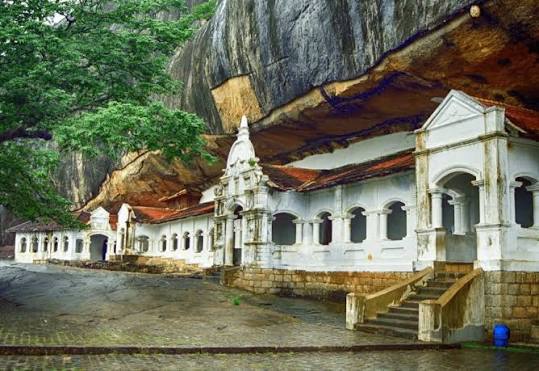
Welcome to the awe-inspiring Dambulla Cave Temple, also known as the Golden Temple of Dambulla, a UNESCO World Heritage site and one of Sri Lanka's most magnificent cultural treasures. Nestled in the heart of the island's central province, this ancient rock temple complex is a testament to centuries of Buddhist artistry, devotion, and architectural ingenuity. Perched atop a massive 160-meter high rock, the Dambulla Cave Temple offers not only a profound spiritual experience but also breathtaking panoramic views of the surrounding Sri Lankan landscape. 🌄

🌟 A Glimpse into History: The Royal Rock Temple

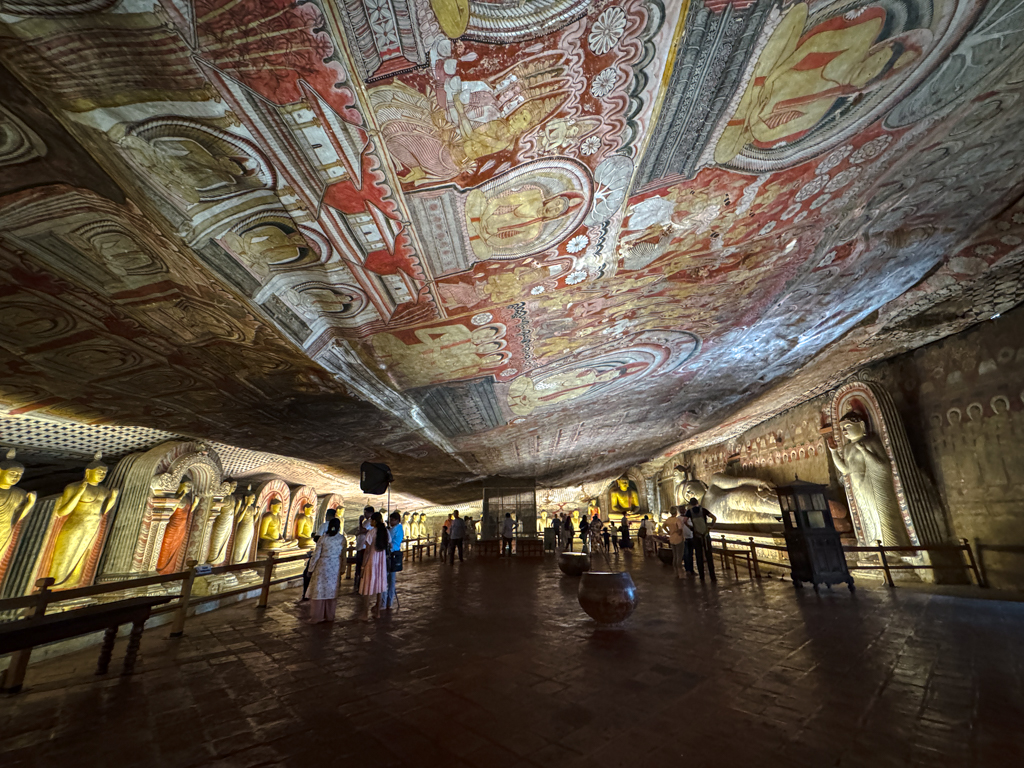
The history of the Dambulla Cave Temple dates back to the 1st century BCE, when King Valagamba sought refuge in these very caves during an invasion. After reclaiming his throne, he transformed these natural caverns into a magnificent Buddhist temple as an act of gratitude. Over the millennia, subsequent kings and patrons continued to adorn and expand the complex, adding more statues, murals, and architectural enhancements. The site comprises five main caves, each unique in its artistic offerings and spiritual ambiance, making it the best-preserved and largest cave temple complex in Sri Lanka. It's a living museum, where ancient traditions continue to thrive amidst stunning artistic masterpieces. 🎨

🎨 Exploring the Five Sacred Caves

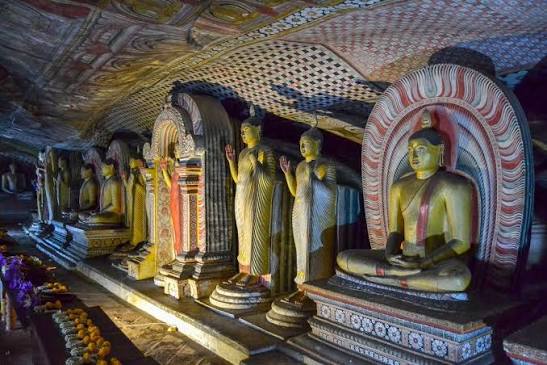
Prepare to be mesmerized as you step into each of the five distinct caves, each a treasure trove of intricate murals and countless Buddha statues. The sheer scale and detail of the artwork are truly astounding.

  • Cave 1 (Deva Raja Lena - Cave of the Divine King): This cave houses a magnificent 14-meter reclining Buddha carved out of the rock, depicting his Parinirvana (the final passing into nirvana). The serene expression and intricate details are simply captivating. Surrounding this colossal figure are various deities and disciples, all contributing to the cave's spiritual aura. 🙏
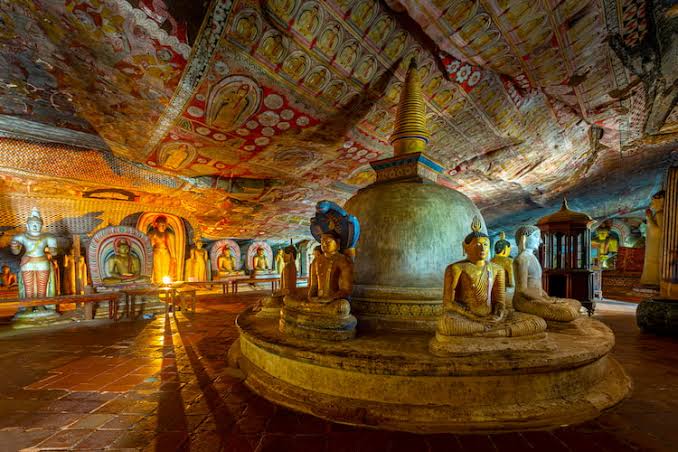
  • Cave 2 (Maha Raja Lena - Cave of the Great Kings): The largest and most impressive of the caves, Maha Raja Lena boasts over 50 Buddha statues in various postures – meditating, standing, and reclining. It also features statues of ancient Sri Lankan kings, including King Valagamba and King Nissanka Malla, who contributed significantly to the temple's development. The ceiling is a vibrant tapestry of murals depicting scenes from the Buddha's life and significant events in Sri Lankan history. The vivid colors and intricate patterns are a feast for the eyes. ✨
  • Cave 3 (Maha Alut Vihara - The Great New Monastery): Dating back to the 18th century, this cave showcases Kandyan-era art. It features another impressive reclining Buddha, alongside numerous standing and seated Buddha figures. The murals here are particularly well-preserved, depicting the Buddha's life story and Jataka tales (stories of the Buddha's previous lives). The use of natural pigments gives these paintings a timeless quality. 🖌️
  • Cave 4 (Pachima Viharaya - Western Monastery): A smaller yet equally significant cave, Pachima Viharaya contains a seated Buddha in a meditative posture, surrounded by four smaller Buddha images. The simplicity and serenity of this cave offer a moment of quiet contemplation. 🧘
  • Cave 5 (Devana Alut Viharaya - Second New Monastery): The newest of the caves, this one also features a reclining Buddha and several other Buddha statues, along with Hindu deities like Vishnu and Saman. This inclusion highlights the syncretic nature of religious practices in Sri Lanka over centuries. 🕉️

🌿 The Journey Up: A Scenic Ascent

Reaching the Dambulla Cave Temple involves a moderate climb up a series of steps carved into the rock. While it can be a bit challenging, especially in the midday sun, the ascent is part of the experience. Along the way, you'll encounter playful monkeys 🐒 and vendors selling refreshing drinks and snacks. The views from various vantage points during the climb are spectacular, offering glimpses of the lush green landscape that stretches out towards Sigiriya Rock. Remember to pace yourself and stay hydrated. The reward at the top – the stunning caves and panoramic vistas – is well worth the effort. 📸

💡 Why Dambulla is a Must-Visit Destination

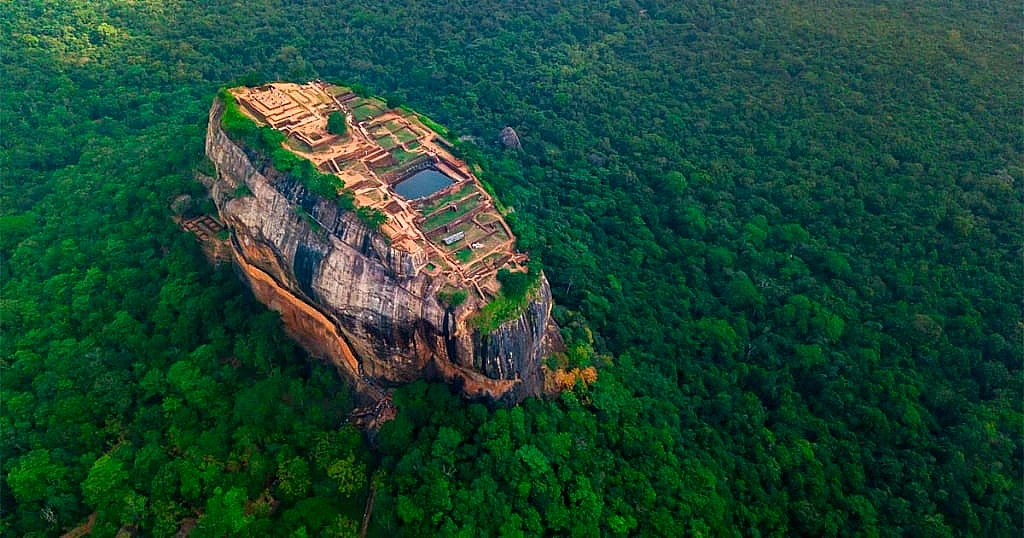
The Dambulla Cave Temple is more than just a collection of caves; it's a profound journey through art, history, and spirituality. Its status as a UNESCO World Heritage site underscores its universal value and significance. The intricate details of the murals, some covering thousands of square feet, tell stories spanning millennia. The sheer number of Buddha statues, some carved directly from the rock, is a testament to the enduring faith and artistic prowess of ancient Sri Lankans. It offers a unique insight into the island's rich cultural tapestry and its deep-rooted Buddhist heritage. Whether you are a history enthusiast, an art lover, a spiritual seeker, or simply a curious traveler, Dambulla promises an unforgettable experience. It's often combined with a visit to the nearby Sigiriya Rock Fortress, forming a powerful duo of ancient wonders in Sri Lanka's cultural triangle. Don't miss the opportunity to witness this extraordinary blend of nature, art, and devotion. ✨
Travel Context

Practical, Sri Lanka-specific detail for தம்புள்ளை குகைக் கோயில் — where it sits, how far it really is, what it costs and how to behave so your visit is welcome.

Where you are

This destination sits in தம்புள்ளை, மாத்தளை — மாத்தளை District, Sri Lanka. Distances look short on a map but Sri Lankan roads are slow, so plan fewer stops per day than you would at home.

Distance from Colombo

Roughly 185 km by road from Colombo, which is about 4.9 hours depending on traffic, the route and the time of day. The straight-line distance is shorter — allow extra time for hill-country bends, wildlife crossings and roadside stops.

Climate & season

December to April The south and west coasts are driest from December to March; the east coast from April to September. Conditions change quickly in the hill country, where mist and afternoon rain are routine.

What it costs

Entry is listed as Medium. Budget separately for transport, food and any guide. Foreign-visitor tickets at major sites are priced in USD, and card machines are unreliable outside the main towns — carry rupees in small notes.

Etiquette & safety

Remove shoes and hats before entering sacred grounds, cover shoulders and knees, and never pose with your back to a Buddha image. Walk clockwise around dagobas, keep your voice low, and photograph people only with permission.

Best Time to Visit

Jan
Feb
Mar
Apr
May
Jun
Jul
Aug
Sep
Oct
Nov
Dec

Local Weather

Dambulla Overcast clouds
30°
Feels like 31°C
56% 0.09 km/h
Overcast clouds
Keep Exploring

Related Travel Guides

Location & Map

தம்புள்ளை, மாத்தளை
Get Directions

Fuel Cost Calculator

How to Get There

🚌 By Bus:

Dambulla is a major transport hub in the Cultural Triangle. Regular public buses operate from Kandy, Colombo, Anuradhapura, and Polonnaruwa to Dambulla. The Dambulla bus stand is centrally located, and from there, you can take a tuk-tuk or walk a short distance to the Golden Temple complex. Bus journeys are generally affordable and offer a local experience. 🚍

🚗 By Car/Taxi:

The most comfortable and convenient way to reach Dambulla is by hiring a private car with a driver or taking a taxi. This offers flexibility in your schedule and allows for stops along the way. The journey from Colombo takes approximately 3-4 hours, from Kandy about 2-2.5 hours, and from Sigiriya or Polonnaruwa, it's a much shorter drive (around 30-60 minutes). Many tour operators offer packages that include Dambulla. 🚕

🚂 By Train:

There is no direct train station in Dambulla. The closest major train stations are in Habarana or Matale. From Habarana, you would need to take a bus or tuk-tuk to Dambulla (approx. 30-45 minutes). From Matale, it's a longer bus or tuk-tuk ride (approx. 1.5-2 hours). While the train offers scenic routes in other parts of Sri Lanka, it's not the most direct option for Dambulla. 🚂➡️🚌

Safety & Travel Tips

Dress Modestly: As a sacred site, ensure your shoulders and knees are covered. It's advisable to wear comfortable, light clothing. 👗👖
Remove Footwear: You will need to remove your shoes and hats before entering the cave temples. There are designated shoe storage areas, often with a small fee. 👟🚫
Stay Hydrated: The climb to the caves can be tiring, especially in the heat. Carry water with you. 💧
Watch for Monkeys: Monkeys are abundant. While generally harmless, keep your belongings secure and avoid feeding them. 🐒
Visit Early or Late: To avoid the midday heat and larger crowds, consider visiting in the early morning (opens at 7 AM) or late afternoon. ☀️
Respect the Art: Do not touch the statues or murals. Photography is generally allowed, but avoid flash photography to preserve the ancient paintings. 📸
Sun Protection: Wear a hat and use sunscreen, especially during the climb. 🧴👒
Carry Small Denominations: Useful for shoe minders or small purchases. 💰

Nearby Amenities

Restaurants & Cafes: Several local eateries and cafes are available near the Dambulla bus stand and along the main road, offering Sri Lankan cuisine and international options. 🍽️
Hotels & Guesthouses: Dambulla has a wide range of accommodation options, from budget-friendly guesthouses to luxury hotels. 🏨
ATMs & Banks: Several banks with ATM facilities can be found in Dambulla town, a short distance from the temple complex. 💳
Hospitals & Pharmacies: The Dambulla Base Hospital is located in the town, and pharmacies are readily available for basic medical needs. 🏥💊
Souvenir Shops: Small shops selling souvenirs, local crafts, and religious items can be found near the temple entrance and in the town. 🛍️

Sri Lanka Essentials

The things that catch visitors out on a first trip — money, connectivity, transport, health and the small etiquette rules that make a real difference.

Money & payments

The currency is the Sri Lankan rupee (LKR). Cards work in hotels, supermarkets and larger restaurants, but tuk-tuks, small entry gates, beach cafés and village shops are cash-only. Draw from bank ATMs in towns rather than standalone machines, keep small notes for change, and carry enough cash for two days when you head into the hill country or the north.

Connectivity & data

A local tourist SIM (Dialog, Mobitel or Hutch) is cheap and easy to buy at the airport or in any town with your passport. Coverage is good on the coasts and in towns, patchier in the Knuckles, parts of the north and inside national parks. Download offline maps and screenshots of bookings before remote drives.

Getting around

Trains are slow, scenic and very cheap — the hill-country line is the highlight. Buses cover almost everywhere but can be crowded. Tuk-tuks suit short hops; agree the fare first or use a metered app. Private drivers are good value for multi-stop days. Distances take longer than the map suggests: 100 km can easily be three hours.

Health & safety

Dengue is present, so use repellent and cover up at dusk. Drink bottled or filtered water, and be careful with ice in remote places. The sun is strong even when overcast. Pharmacies are common in towns; serious care is concentrated in Colombo. Travel insurance that covers adventure activities is worth having.

Responsible travel

Sri Lanka is small and heavily visited — small choices add up. Refuse plastic bags and single-use bottles where you can, avoid elephant rides and any attraction that chains wildlife, dress modestly at religious sites, and buy directly from local guides, homestays and cafés rather than international middlemen.

Holidays & opening hours

Poya (full moon) days are public holidays: temples are busy, some shops close and the sale of alcohol is restricted. Many archaeological sites open at 7am and close by 5–6pm, and last entry is usually an hour earlier. Check opening days before building a long drive around one site.

Traveler Reviews (0)

Be the first to review தம்புள்ளை குகைக் கோயில்!

✍️ Leave a Review

Frequently Asked

The Dambulla Cave Temple is typically open daily from 7:00 AM to 7:00 PM, with ticket counters usually closing around 5:00 PM or 5:30 PM. It's always a good idea to check current timings before your visit.
Yes, there is an entrance fee for foreign visitors. The ticket counter is usually located at the base of the rock, near the Golden Temple statue, not at the top.
On average, it takes about 2 to 3 hours to climb up, explore all five caves thoroughly, and descend. This includes time for appreciating the art and enjoying the views.
Yes, it is very common and feasible to visit both Dambulla Cave Temple and Sigiriya Rock Fortress on the same day, as they are relatively close to each other (about a 30-minute drive). Many tours combine these two iconic sites.
Weekly Dispatch

Get Travel Inspiration

Hidden gems, local tips & exclusive guides from Sri Lanka, Asia and beyond — delivered to your inbox, weekly.

No spam, ever. Unsubscribe anytime.