போபத் எல்லா நீர்வீழ்ச்சி

போபத் எல்லா நீர்வீழ்ச்சி

4.5 · 0 reviews 88 views Last updated Nov 20, 2026
இரத்தினபுரி
4.5Rating
The best time to visit is during the dry season from December to April, though the falls are beautiful year-round.Best Time
Free (small parking fee may apply for vehicles)Entry Fee
2 HoursSuggested Time
ModerateDifficulty
5 minRead Time

Where to stay near போபத் எல்லா நீர்வீழ்ச்சி

Compare live prices with our booking partners.

Some links below are affiliate links. If you book through them we may earn a small commission — at no extra cost to you. How this works.

Cost & practical info

Entry fee Free (small parking fee may apply for vehicles) Confirm current fees on site
Best time to visit The best time to visit is during the dry season from December to April, though the falls are beautiful year-round.
Suggested time 2 Hours
Difficulty Moderate

Prices and opening hours can change — always confirm with the official site before you travel.

The Guide

⛰️ Introduction to Bopath Ella Falls: A Heart-Shaped Marvel 🇱🇰

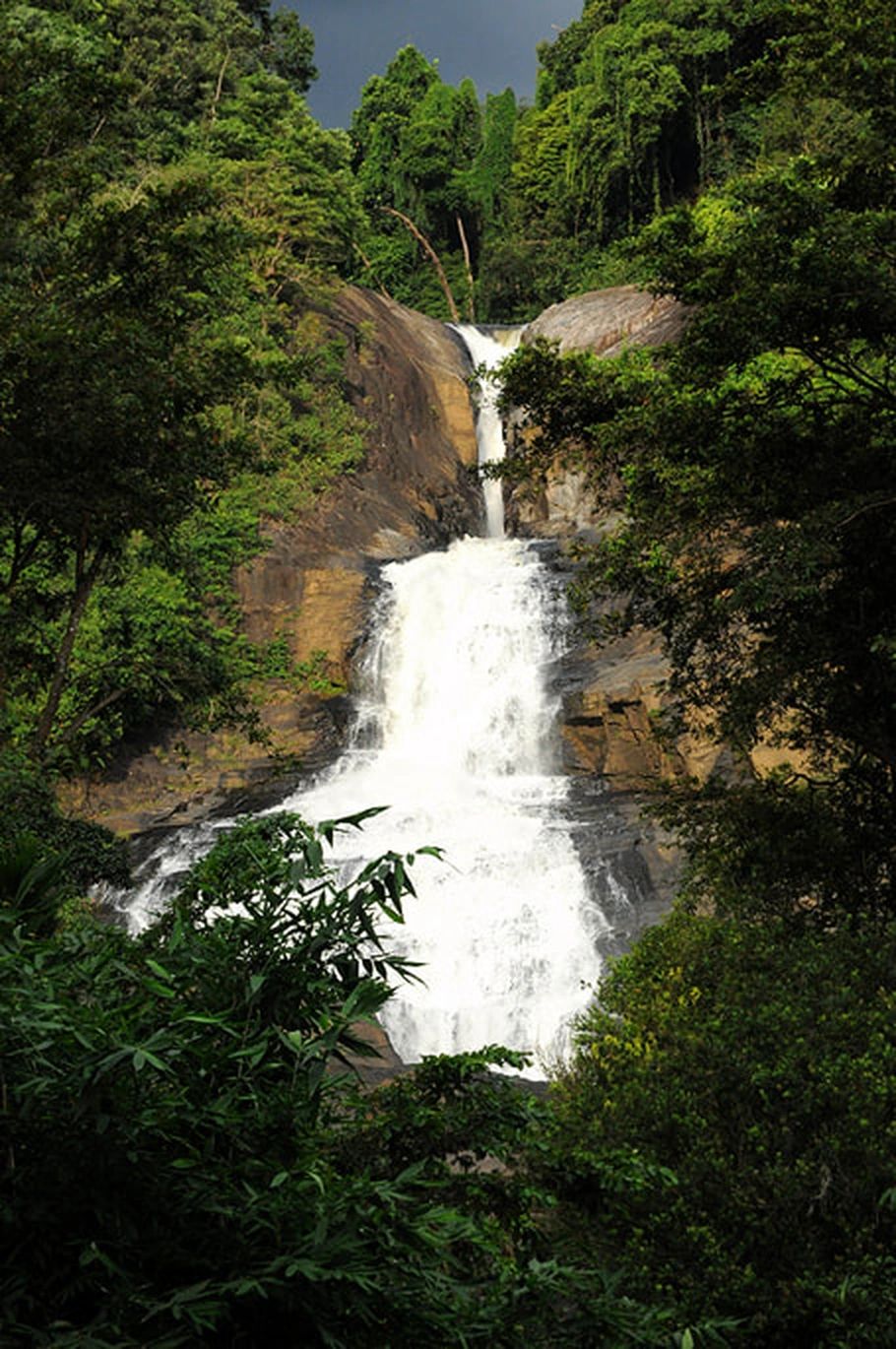
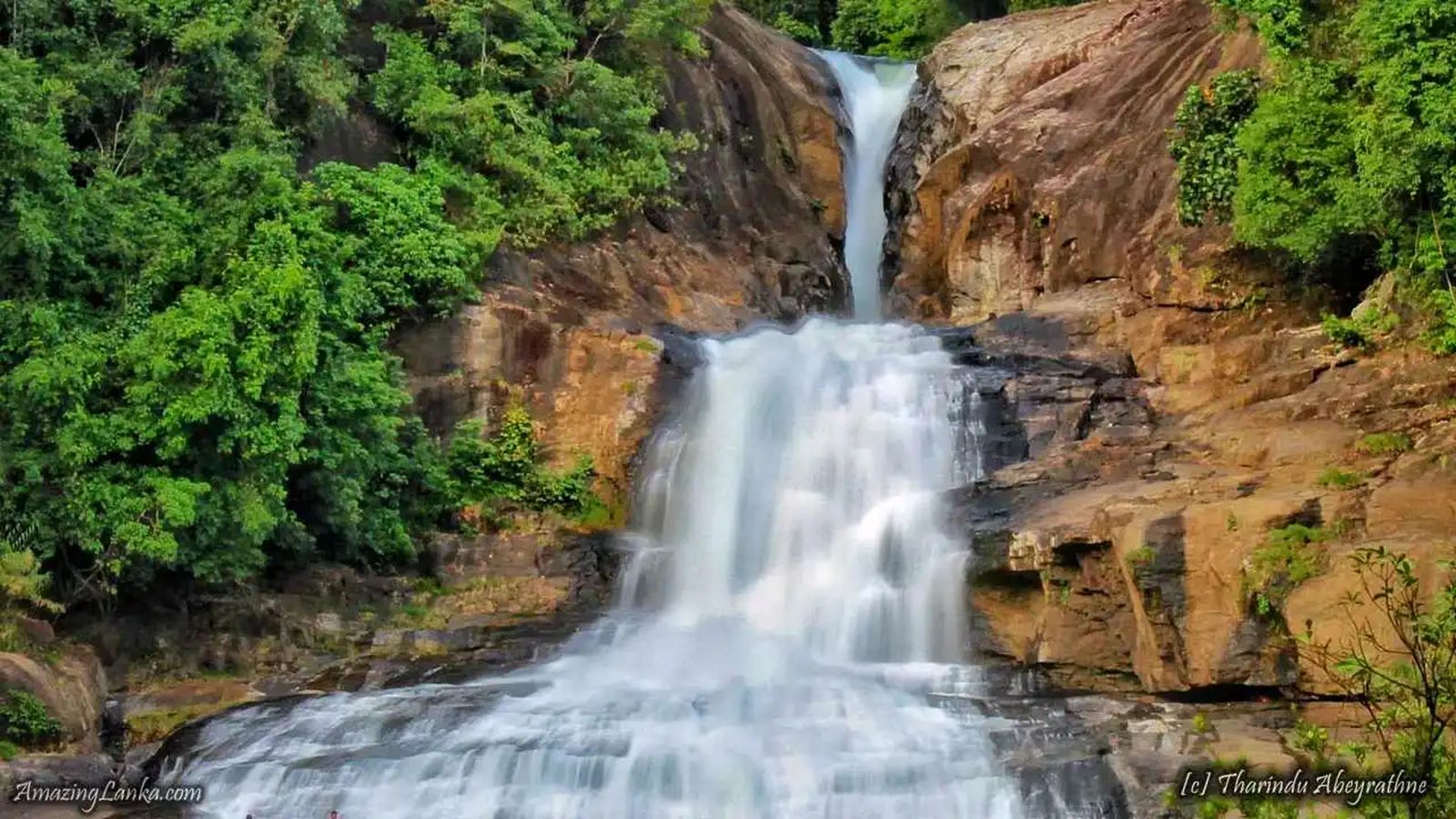
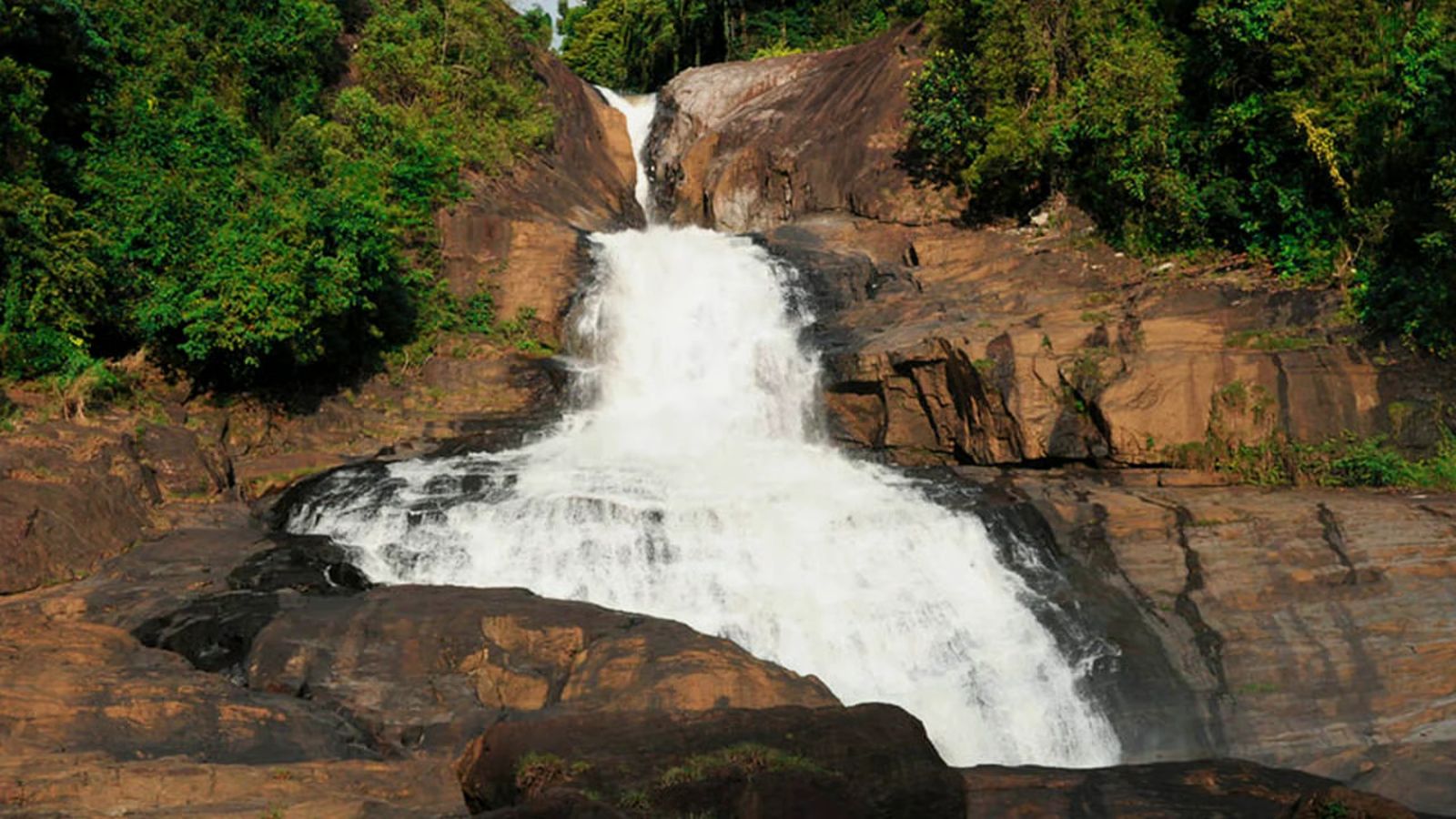
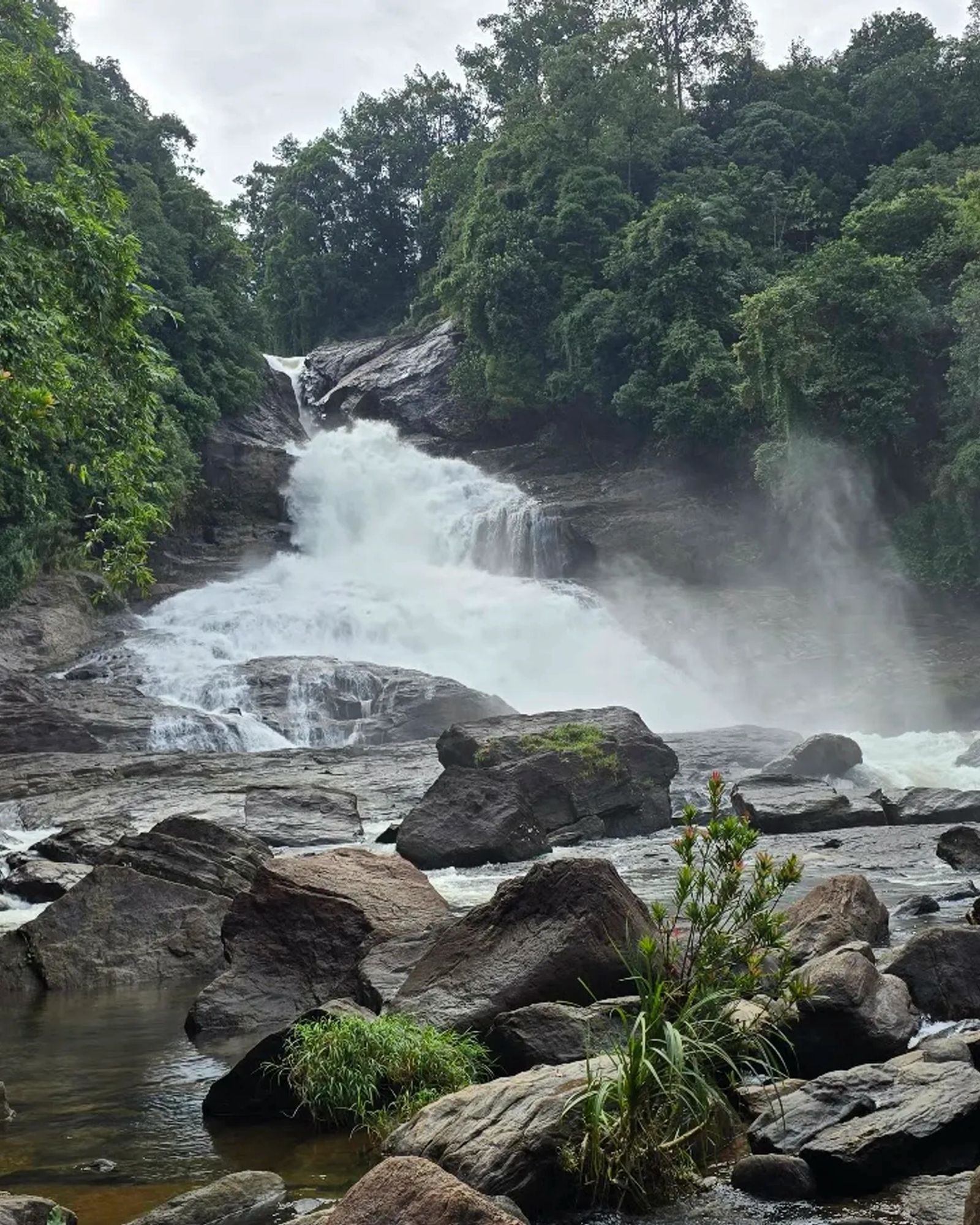
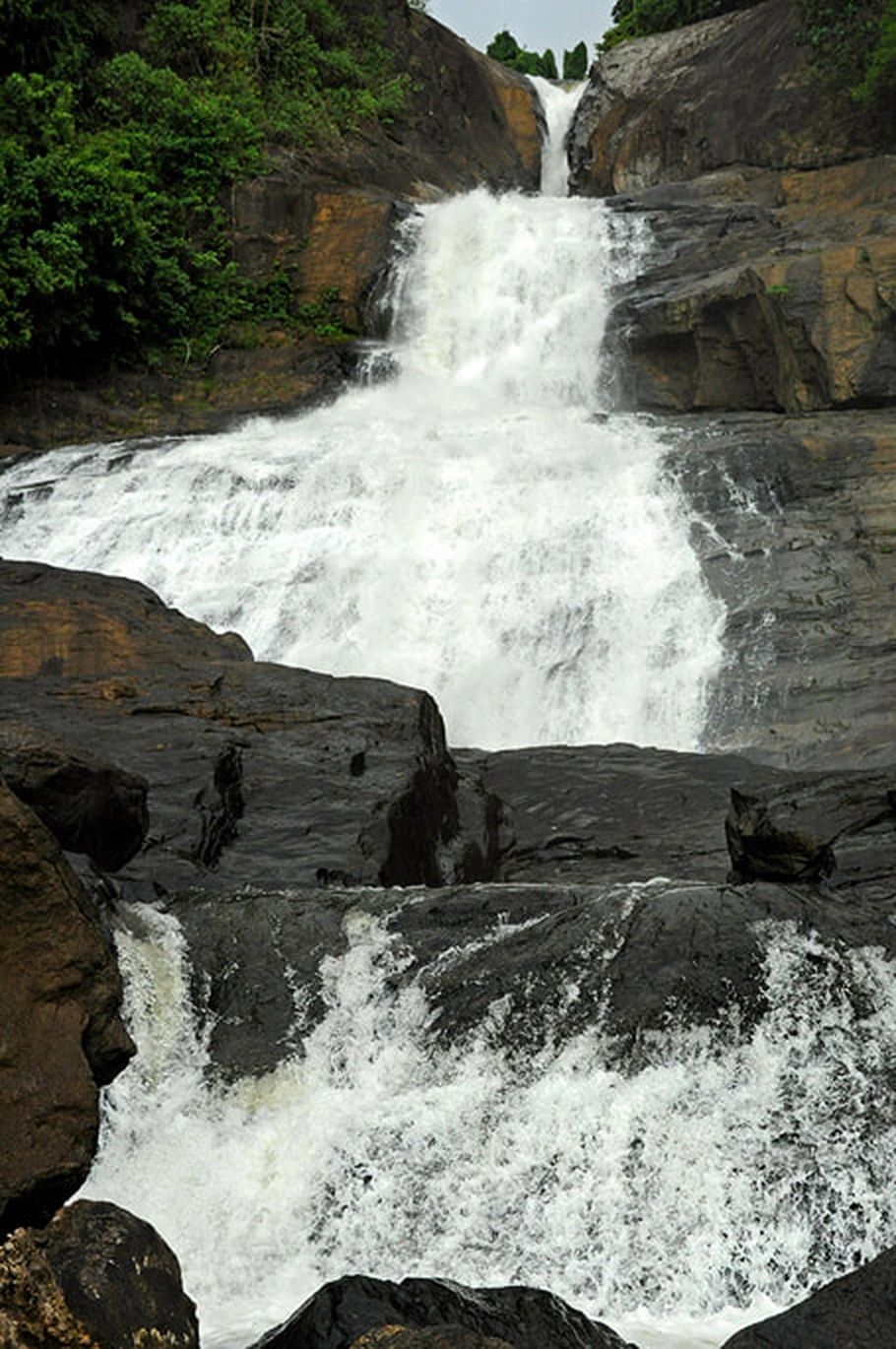
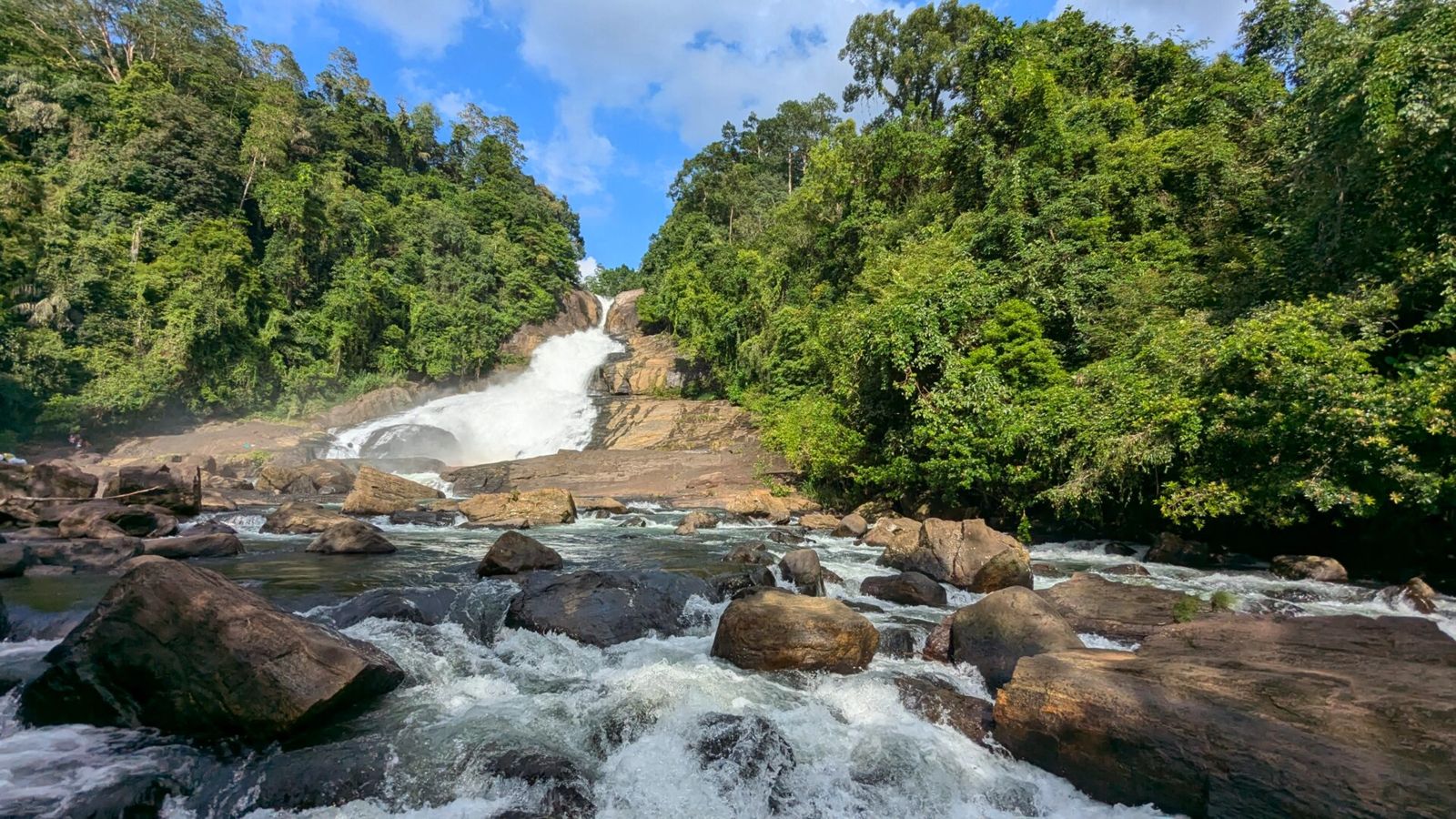
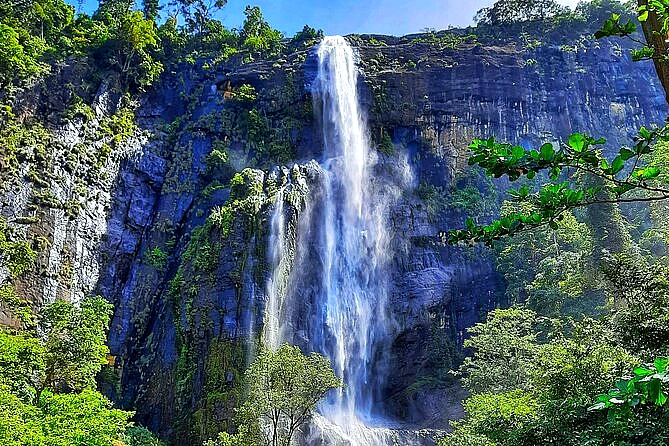
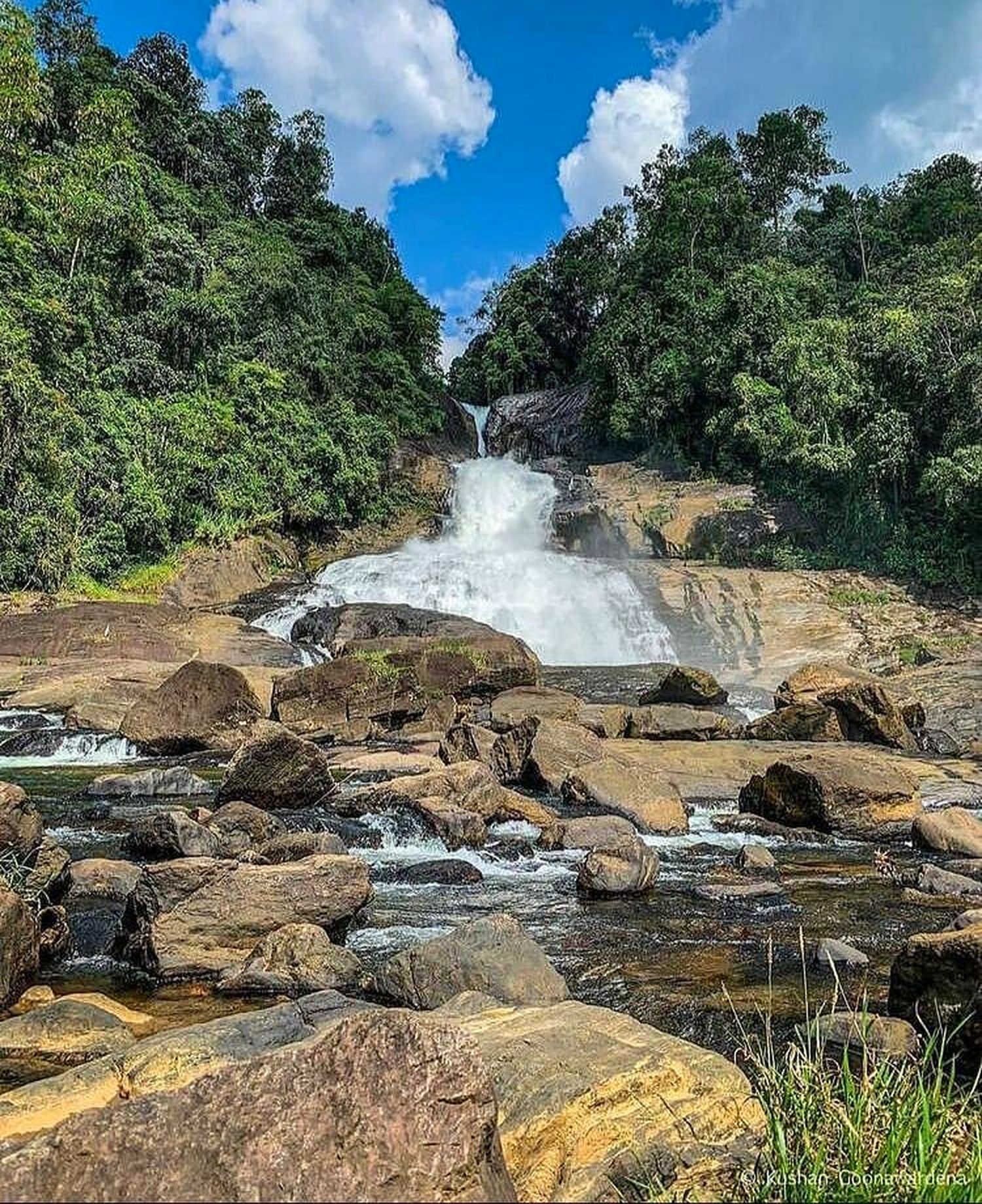
Nestled in the picturesque Kuruwita area of the Rathnapura District, Bopath Ella Falls stands as one of Sri Lanka's most captivating natural wonders. Its name, derived from the Sinhala word 'Bopath' meaning 'Bo leaf,' perfectly describes its unique, heart-shaped formation, resembling the sacred fig leaf. This distinctive shape, carved by centuries of water flow over ancient rock formations, makes Bopath Ella a truly iconic and photogenic destination. The falls cascade gracefully from a height of approximately 30 meters (around 98 feet), creating a mesmerizing spectacle of frothy white water against the lush green backdrop of the surrounding rainforest. It's not just a waterfall; it's a testament to nature's artistry, inviting visitors to marvel at its beauty and the serene atmosphere it creates. The journey to Bopath Ella is as enchanting as the destination itself, winding through verdant landscapes and charming rural villages, offering a glimpse into authentic Sri Lankan life.

🌿 The Lush Surroundings and Biodiversity 🦋

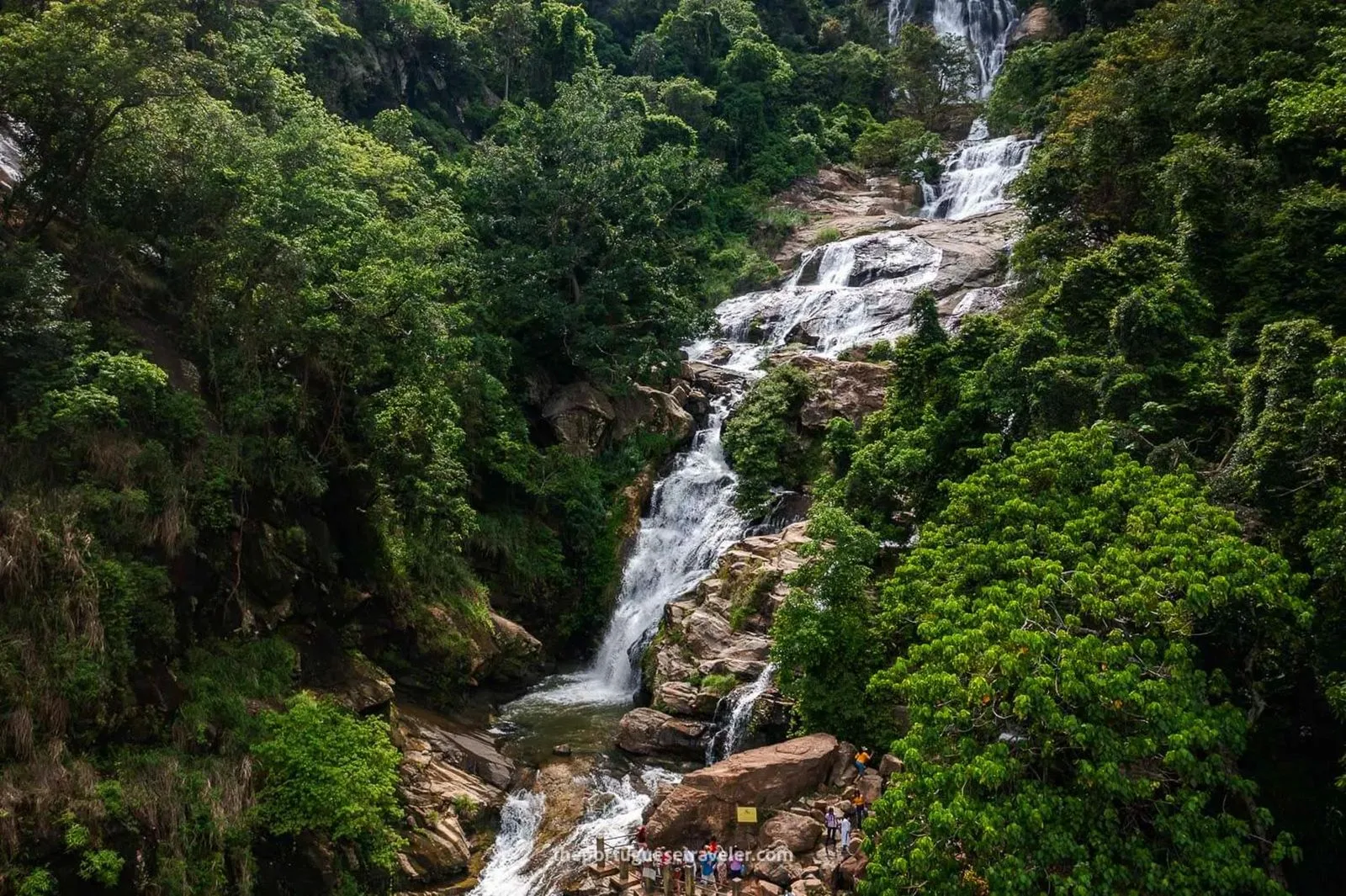
Bopath Ella is more than just a waterfall; it's a vibrant ecosystem teeming with life. The falls are enveloped by a dense tropical rainforest, part of the wet zone of Sri Lanka, known for its incredible biodiversity. As you approach the falls, you'll be greeted by the symphony of nature – the chirping of birds, the rustling of leaves, and the distant roar of the cascading water. The air is fresh and invigorating, carrying the scent of damp earth and exotic flora. Keep an eye out for various species of birds, butterflies, and perhaps even some smaller mammals that call this rainforest home. The lush vegetation includes towering trees, intricate ferns, and vibrant wildflowers, creating a verdant tapestry that changes with the seasons. This rich biological diversity makes Bopath Ella a fantastic spot for nature lovers and budding photographers alike, offering endless opportunities to capture the beauty of Sri Lanka's natural heritage. The cool, shaded environment near the falls provides a welcome respite from the tropical heat, making it an ideal spot for a leisurely stroll or a peaceful picnic.

📸 Photography Hotspot and Scenic Views 🏞️

For photographers, Bopath Ella Falls is an absolute dream. The heart-shaped formation is a unique subject, and the interplay of light and shadow on the water and rocks offers endless creative possibilities. Early mornings, when the mist gently rises and the golden hour light filters through the canopy, are particularly magical for capturing the falls in their full glory. Don't forget to experiment with different angles and perspectives – from wide-angle shots capturing the entire heart shape to close-ups of the powerful cascades. The surrounding greenery also provides excellent opportunities for landscape and macro photography. Beyond the falls themselves, the journey to Bopath Ella offers numerous scenic viewpoints. You'll pass through rubber plantations, paddy fields, and small villages, each offering a unique photographic moment. Remember to bring a waterproof cover for your camera, especially if you plan to get close to the spray! A tripod can also be invaluable for capturing long-exposure shots that give the water a silky, ethereal look. The sheer force and beauty of the falls are truly captivating, and you'll find yourself reaching for your camera again and again.

🚶‍♀️ Exploring the Area and Local Culture 🏘️

Visiting Bopath Ella also provides a wonderful opportunity to immerse yourself in the local culture of the Rathnapura District. The villages surrounding the falls are charming and offer a glimpse into traditional Sri Lankan rural life. You might see locals going about their daily routines, working in the fields, or simply enjoying the tranquility of their surroundings. There are often small stalls near the falls selling refreshing drinks, snacks, and sometimes even local handicrafts. Engaging with the local community can be a rewarding experience, offering insights into their way of life and hospitality. While the primary attraction is the waterfall, taking the time to explore the immediate vicinity on foot can enhance your visit. There are often well-trodden paths that lead to different viewpoints, allowing you to appreciate the falls from various angles. Be respectful of local customs and traditions, and always ask for permission before taking photographs of people. This immersive experience adds another layer of richness to your visit, making it more than just a sight-seeing trip.

💧 The Legend and Significance of Bopath Ella 📜

Like many natural wonders in Sri Lanka, Bopath Ella Falls is steeped in local folklore and legend. While specific ancient tales about the 'heart-shaped' aspect might vary, waterfalls in Sri Lanka are often considered sacred and hold cultural significance. The power and beauty of the falls have inspired generations, and it's easy to see why they evoke a sense of wonder and reverence. The continuous flow of water symbolizes life and renewal, and many locals believe in the purifying qualities of these natural formations. Understanding these cultural nuances adds another dimension to your visit, connecting you to the rich heritage of the island. The falls have also played a role in the lives of the communities living around them for centuries, providing water for agriculture and inspiring local art and poetry. It's a place where nature's grandeur meets human imagination, creating a truly memorable experience.

⚠️ Safety and Environmental Responsibility ♻️

While Bopath Ella is a beautiful destination, it's important to be mindful of safety and environmental responsibility. The rocks around the falls can be slippery, especially after rain, so wear appropriate footwear and exercise caution. Always stick to designated paths and avoid climbing on wet or unstable surfaces. Swimming in the plunge pool is often possible, but always assess the water conditions and currents before entering, especially during heavy rainfall. More importantly, help preserve the pristine beauty of Bopath Ella by not littering. Carry out everything you carry in, and dispose of waste responsibly. Respect the natural environment and its inhabitants. By being a responsible tourist, you contribute to the conservation of this magnificent natural heritage for future generations. Encourage others to do the same, and together we can ensure that Bopath Ella remains a clean and breathtaking destination for years to come. Your small actions can make a big difference in protecting this precious jewel of Sri Lanka.

Travel Context

Practical, Sri Lanka-specific detail for போபத் எல்லா நீர்வீழ்ச்சி — where it sits, how far it really is, what it costs and how to behave so your visit is welcome.

Where you are

This destination sits in இரத்தினபுரி — இரத்தினபுரி District, Sri Lanka. Distances look short on a map but Sri Lankan roads are slow, so plan fewer stops per day than you would at home.

Distance from Colombo

Roughly 80 km by road from Colombo, which is about 2.1 hours depending on traffic, the route and the time of day. The straight-line distance is shorter — allow extra time for hill-country bends, wildlife crossings and roadside stops.

Climate & season

The best time to visit is during the dry season from December to April, though the falls are beautiful year-round. The south and west coasts are driest from December to March; the east coast from April to September. Conditions change quickly in the hill country, where mist and afternoon rain are routine.

What it costs

Entry is listed as Free (small parking fee may apply for vehicles). Budget separately for transport, food and any guide. Foreign-visitor tickets at major sites are priced in USD, and card machines are unreliable outside the main towns — carry rupees in small notes.

Etiquette & safety

Never swim directly under the main drop — plunge pools can recirculate even when the surface looks calm. Avoid swimming after heavy rain, wear shoes with grip on wet rock, and take all rubbish out with you.

Best Time to Visit

Jan
Feb
Mar
Apr
May
Jun
Jul
Aug
Sep
Oct
Nov
Dec

Local Weather

Ratnapura Light rain
28°
Feels like 33°C
81% 0.57 km/h
Light rain
Keep Exploring

Related Travel Guides

Location & Map

இரத்தினபுரி
Get Directions

Fuel Cost Calculator

How to Get There

🚌 By Bus:

The most common and economical way to reach Bopath Ella Falls is by bus. From Colombo, take a bus towards Ratnapura. Once in Ratnapura, you can find local buses or tuk-tuks that will take you to Kuruwita, which is the closest town to the falls. From Kuruwita, it's a short tuk-tuk ride or a walk of about 1-2 km to the falls. 🚍

🚗 By Car/Taxi:

Driving is a convenient option, offering flexibility and comfort. From Colombo, take the A4 highway towards Ratnapura. The journey typically takes around 2-3 hours, depending on traffic. Follow signs to Kuruwita and then to Bopath Ella. Parking is usually available near the entrance to the falls. Taxis or private hires can also be arranged from major cities. 🚕💨

🚂 By Train (Partial):

While there isn't a direct train station to Bopath Ella, you can take a train from Colombo to Avissawella. From Avissawella, you would then need to switch to a bus or hire a tuk-tuk/taxi to reach Ratnapura and then Kuruwita. This option is less direct but offers a scenic train journey for part of the way. 🚂➡️🚌

Safety & Travel Tips

👟 Wear comfortable walking shoes with good grip, as paths can be uneven and slippery.
💧 Carry sufficient water and snacks, especially if you plan to spend a few hours exploring.
☔ Pack a light raincoat or umbrella, as sudden showers can occur in the wet zone.
🧴 Apply insect repellent, particularly if visiting during the rainy season or at dusk.
📸 Bring your camera! The falls are incredibly photogenic, especially the unique heart shape.
🗑️ Dispose of your waste responsibly. Help keep the area clean and pristine.
🗣️ Learn a few basic Sinhala phrases; locals appreciate the effort.
💰 Carry small denominations of local currency (LKR) for purchases at local stalls.

Nearby Amenities

🍽️ Local Eateries: There are small local restaurants and food stalls in Kuruwita town and some closer to the falls, offering Sri Lankan rice and curry, snacks, and refreshing drinks. 🍛🥤
🏨 Accommodation: A few guesthouses and eco-lodges can be found in and around Kuruwita and Ratnapura for overnight stays. 🛌
ATM: ATMs are available in Kuruwita town and more widely in Ratnapura. It's advisable to withdraw cash before heading directly to the falls. 🏧
🏥 Hospital/Medical Clinic: The closest medical facilities and pharmacies are located in Kuruwita and Ratnapura. 💊
🚽 Restrooms: Basic restroom facilities may be available near the main entrance to the falls, but don't expect luxury. 🚻

Sri Lanka Essentials

The things that catch visitors out on a first trip — money, connectivity, transport, health and the small etiquette rules that make a real difference.

Money & payments

The currency is the Sri Lankan rupee (LKR). Cards work in hotels, supermarkets and larger restaurants, but tuk-tuks, small entry gates, beach cafés and village shops are cash-only. Draw from bank ATMs in towns rather than standalone machines, keep small notes for change, and carry enough cash for two days when you head into the hill country or the north.

Connectivity & data

A local tourist SIM (Dialog, Mobitel or Hutch) is cheap and easy to buy at the airport or in any town with your passport. Coverage is good on the coasts and in towns, patchier in the Knuckles, parts of the north and inside national parks. Download offline maps and screenshots of bookings before remote drives.

Getting around

Trains are slow, scenic and very cheap — the hill-country line is the highlight. Buses cover almost everywhere but can be crowded. Tuk-tuks suit short hops; agree the fare first or use a metered app. Private drivers are good value for multi-stop days. Distances take longer than the map suggests: 100 km can easily be three hours.

Health & safety

Dengue is present, so use repellent and cover up at dusk. Drink bottled or filtered water, and be careful with ice in remote places. The sun is strong even when overcast. Pharmacies are common in towns; serious care is concentrated in Colombo. Travel insurance that covers adventure activities is worth having.

Responsible travel

Sri Lanka is small and heavily visited — small choices add up. Refuse plastic bags and single-use bottles where you can, avoid elephant rides and any attraction that chains wildlife, dress modestly at religious sites, and buy directly from local guides, homestays and cafés rather than international middlemen.

Holidays & opening hours

Poya (full moon) days are public holidays: temples are busy, some shops close and the sale of alcohol is restricted. Many archaeological sites open at 7am and close by 5–6pm, and last entry is usually an hour earlier. Check opening days before building a long drive around one site.

Traveler Reviews (0)

Be the first to review போபத் எல்லா நீர்வீழ்ச்சி!

✍️ Leave a Review

Frequently Asked

Bopath Ella Falls is unique because of its distinctive heart-shaped formation, which resembles a 'Bo leaf' (Ficus religiosa), giving it its name and making it a popular photographic subject.
Yes, swimming is generally possible in the plunge pool at Bopath Ella Falls. However, visitors should exercise caution, especially during or after heavy rainfall when currents can be strong and water levels higher.
There is no official entry fee to access Bopath Ella Falls itself. However, there might be a small parking fee if you arrive by private vehicle, or a nominal fee collected by local community members for maintaining pathways.
The journey from Colombo to Bopath Ella Falls typically takes about 2.5 to 3.5 hours by car or bus, depending on traffic conditions and the specific route taken.
It is recommended to wear comfortable walking shoes with good grip due to potentially slippery paths. Light, breathable clothing is ideal, and bringing a raincoat or umbrella is advisable due to the possibility of sudden showers.
Weekly Dispatch

Get Travel Inspiration

Hidden gems, local tips & exclusive guides from Sri Lanka, Asia and beyond — delivered to your inbox, weekly.

No spam, ever. Unsubscribe anytime.