The Guide
Contents
⛰️ Introduction to Ramboda Falls: A Cascading Gem in the Hill Country
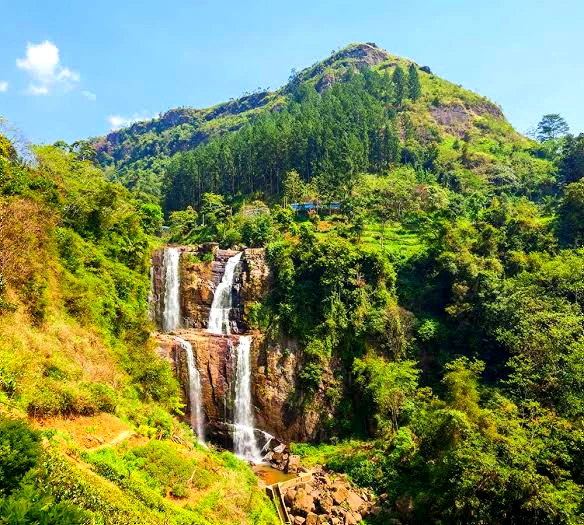
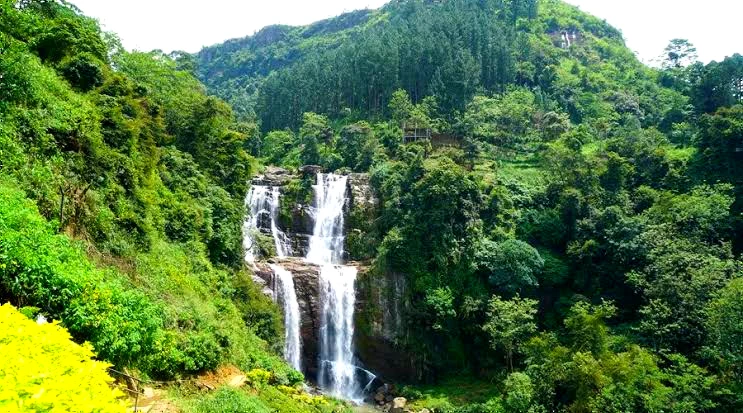
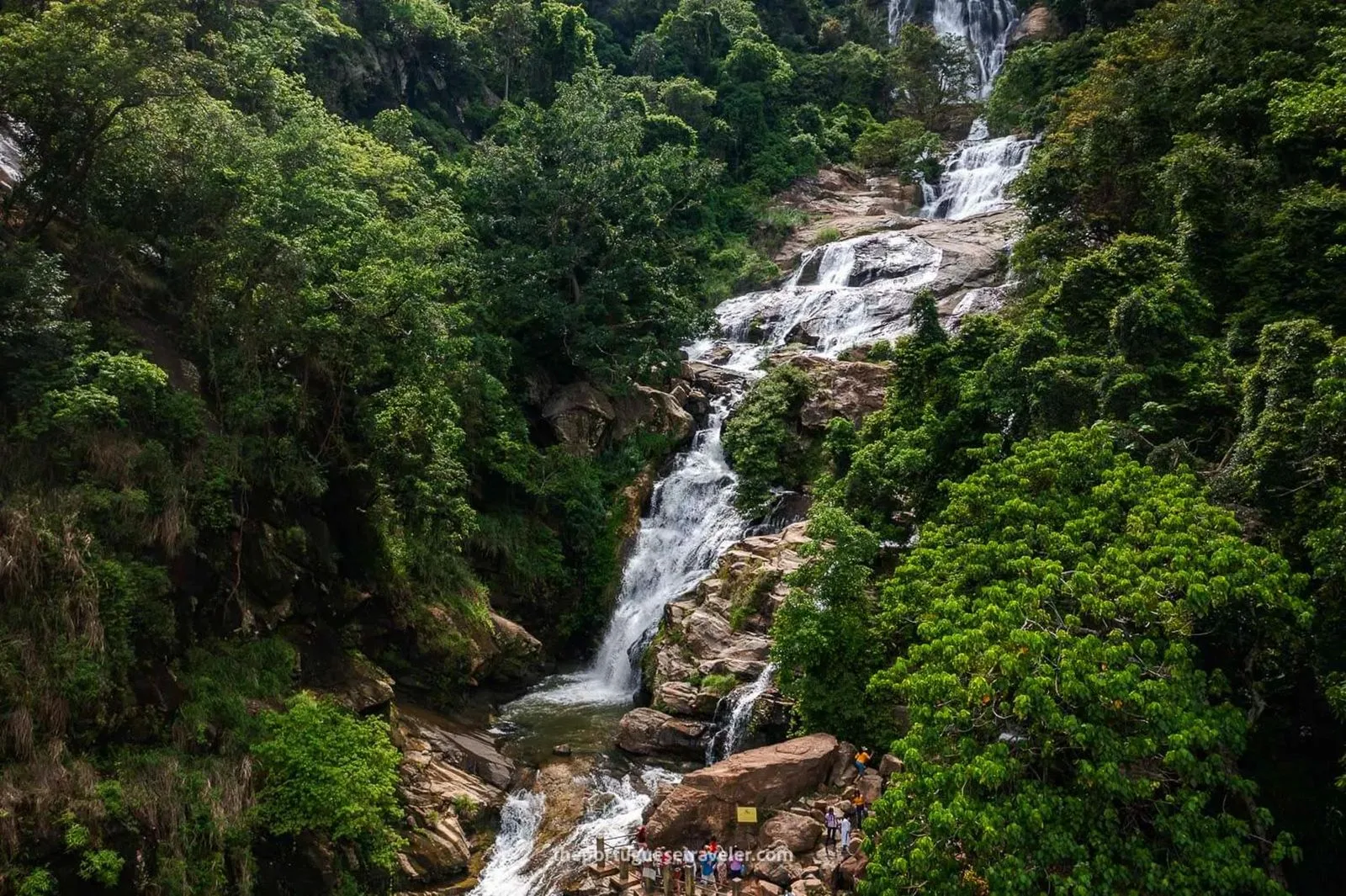
Prepare to be mesmerized by the majestic Ramboda Falls, a breathtaking triple-tiered waterfall nestled amidst the verdant embrace of Sri Lanka's central highlands. Located in the picturesque Ramboda Pass, between the vibrant towns of Kandy and Nuwara Eliya, this natural wonder is a true testament to the island's raw beauty. Standing proudly as the 11th highest waterfall in Sri Lanka, and a staggering 60th in the world, Ramboda Falls offers a spectacular display of nature's power and artistry. Its name, derived from 'Ramboda' meaning 'Rama's Arrow' (referring to the legendary Hindu epic Ramayana), hints at the ancient stories and cultural significance woven into the very fabric of this region. As you approach, the roar of the cascading water grows louder, a symphony of nature inviting you to witness its grandeur. The cool mist that dances in the air, carrying the scent of damp earth and lush foliage, is a refreshing welcome to this serene sanctuary.
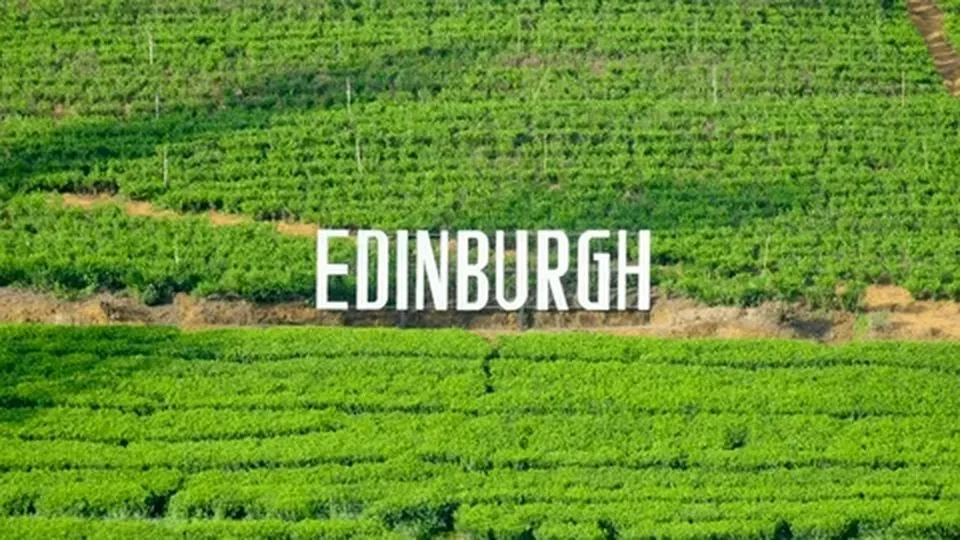
The falls are formed by the Panna Oya and Ramboda Oya, two tributaries of the Kothmale Oya, which eventually feeds into the Mahaweli River, Sri Lanka's longest river. This intricate network of waterways ensures a consistent flow, making Ramboda Falls a year-round spectacle, though its power is undeniably amplified during the monsoon seasons. The three distinct drops create a visually stunning layered effect, each tier adding to the overall magnificence. The surrounding landscape is a vibrant tapestry of tea plantations, dense forests, and rolling hills, painting a postcard-perfect scene at every turn. It's a place where time seems to slow down, allowing you to fully immerse yourself in the tranquility and grandeur of the natural world. Whether you're a seasoned nature enthusiast, a budding photographer, or simply seeking a moment of peace amidst stunning scenery, Ramboda Falls promises an unforgettable experience.
🌿 Exploring the Three Tiers: A Journey Upstream
Ramboda Falls is unique in its three-tiered structure, each offering a distinct perspective and photographic opportunity. The lowest tier, easily accessible from the main road, provides an impressive initial view. Here, you can feel the spray on your face and truly appreciate the sheer volume of water thundering down. Many visitors choose to admire the falls from the numerous viewpoints along the A5 highway, particularly from designated areas and the balconies of nearby hotels and restaurants that offer panoramic vistas. However, for the more adventurous, a short hike can lead you closer to the heart of the falls.
To reach the middle and upper tiers, a slightly more challenging but rewarding trek awaits. There are paths and steps, some of which can be steep and slippery, so good footwear is essential. As you ascend, the forest canopy provides welcome shade, and the air becomes even crisper. The views from the higher vantage points are truly spectacular, offering a bird's-eye perspective of the cascading water and the expansive valley below. You'll encounter diverse flora and fauna along the way, adding to the richness of the experience. Keep an eye out for vibrant butterflies, exotic birds, and the occasional playful monkey. Remember to exercise caution, especially after rainfall, as paths can become muddy. The journey to the top is not just about reaching the destination; it's about the immersive experience of being surrounded by untouched nature, the sounds of the jungle, and the ever-present roar of the falls as your guiding symphony.
📸 Photography Paradise: Capturing Ramboda's Splendor
For photographers, Ramboda Falls is a dream come true. The interplay of light and water, the lush green backdrop, and the sheer scale of the falls provide endless opportunities for stunning shots. Early mornings or late afternoons often offer the best lighting conditions, with the soft, diffused light enhancing the colors and textures. Don't forget to pack a wide-angle lens to capture the full expanse of the falls and the surrounding landscape. A tripod can be invaluable for long exposure shots, creating that silky smooth effect of rushing water. Experiment with different angles and perspectives – from the panoramic viewpoints to the close-ups of the powerful cascades. The mist can be a challenge for camera lenses, so bring a lens cloth and consider a protective filter. Beyond the falls themselves, the surrounding tea estates and the vibrant local life offer additional photographic subjects, capturing the essence of the Sri Lankan hill country. Remember to be respectful of local customs and ask for permission before photographing people. The vibrant hues of the tea pluckers' saris against the emerald green of the tea bushes make for particularly striking images. Even if you're not a professional photographer, the sheer beauty of Ramboda Falls will inspire you to capture its magic.
🌄 Beyond the Falls: Exploring the Ramboda Region
While Ramboda Falls is undoubtedly the star attraction, the surrounding area offers a wealth of other experiences. The Ramboda Pass itself is renowned for its breathtaking scenic beauty, with winding roads offering panoramic views of valleys, mountains, and tea plantations. A short drive away, you can visit a tea factory to learn about the tea-making process, from leaf to cup, and enjoy a fresh cup of Ceylon tea. The Damro Labookellie Tea Centre is a popular choice, offering tours and tastings. For those interested in cultural insights, the Seetha Amman Temple, a significant site associated with the Ramayana epic, is also within a reasonable distance. Nuwara Eliya, often referred to as 'Little England' due to its colonial architecture and cool climate, is a short drive further up the hills and offers a range of attractions including Gregory Lake, Victoria Park, and numerous botanical gardens. Kandy, with its sacred Temple of the Tooth Relic and vibrant cultural scene, is also easily accessible, making Ramboda a perfect stopover or day trip destination within a larger itinerary. The journey through the hill country itself, with its mist-shrouded peaks and terraced tea fields, is an experience in itself, a feast for the senses that embodies the essence of Sri Lanka's natural charm.