The Guide
Contents
🌿 Discovering Daraluwa's Serene Charm
Ever wondered about the quiet corners of Sri Lanka, places where the pulse of rural life beats gently, offering a refreshing contrast to the bustling tourist trails? Daraluwa, though not a household name among international travelers, is precisely one such gem. Nestled within the verdant landscapes of the Gampaha District, this locale embodies a quintessential Sri Lankan village experience. It's a place where time seems to slow, inviting visitors to immerse themselves in the unhurried rhythms of local life, characterized by lush paddy fields, quaint homes, and the genuine warmth of its inhabitants. Far from the madding crowd, Daraluwa offers a sanctuary for those seeking authentic cultural encounters and a deeper connection with the island's natural beauty.
The allure of Daraluwa isn't found in monumental structures or adrenaline-pumping adventures, but rather in its subtle, understated beauty. It's in the rustling of coconut palms, the distant call of a cuckoo, and the sight of farmers tending their fields under the tropical sun. For the discerning traveler, this means an opportunity to witness Sri Lankan life as it unfolds organically, unadorned by commercialism. This region serves as a living tapestry of the island's agricultural heritage, a legacy passed down through generations. Visitors often find themselves drawn to the simple yet profound beauty of the landscape, where every shade of green imaginable paints a breathtaking panorama. The air here is often filled with the sweet scent of blooming frangipani and the earthy aroma of freshly tilled soil, creating an olfactory experience that is as memorable as the visual one.
🚶♀️ Wandering Through Local Life
One of the most enriching experiences in Daraluwa is simply walking its quiet lanes. These aren't just pathways; they are arteries of community, leading past modest homes adorned with vibrant bougainvillea, small village shops selling local staples, and the ever-present paddy fields that define the landscape. As you stroll, you'll inevitably encounter friendly faces eager to offer a smile or a greeting. Children playing cricket in makeshift pitches, women winnowing rice, and men discussing the day's harvest are common sights, each moment a candid snapshot of daily existence. This unscripted interaction is where the true spirit of Daraluwa reveals itself, offering a glimpse into the resilient and harmonious way of life that has characterized Sri Lankan villages for centuries. These casual encounters often lead to unexpected invitations for a cup of tea or a chat, bridging cultural gaps and creating lasting memories.
Beyond the immediate village, the surrounding areas of Daraluwa are ripe for exploration. Cycling is an excellent way to discover hidden nooks and crannies, from ancient village temples that stand as silent sentinels of faith to small streams where locals often gather for a refreshing dip. The gentle topography makes it accessible for all fitness levels, allowing for leisurely rides through picturesque scenery. Birdwatchers will find this area particularly rewarding, as Daraluwa's rural setting provides a habitat for a variety of resident and migratory bird species. Keep an eye out for vibrant kingfishers, elegant egrets, and the melodious calls of various songbirds that punctuate the peaceful ambiance. The quietude of the surroundings makes it ideal for spotting these creatures in their natural habitat, offering a tranquil escape for nature enthusiasts.
🏛️ Echoes of History and Faith
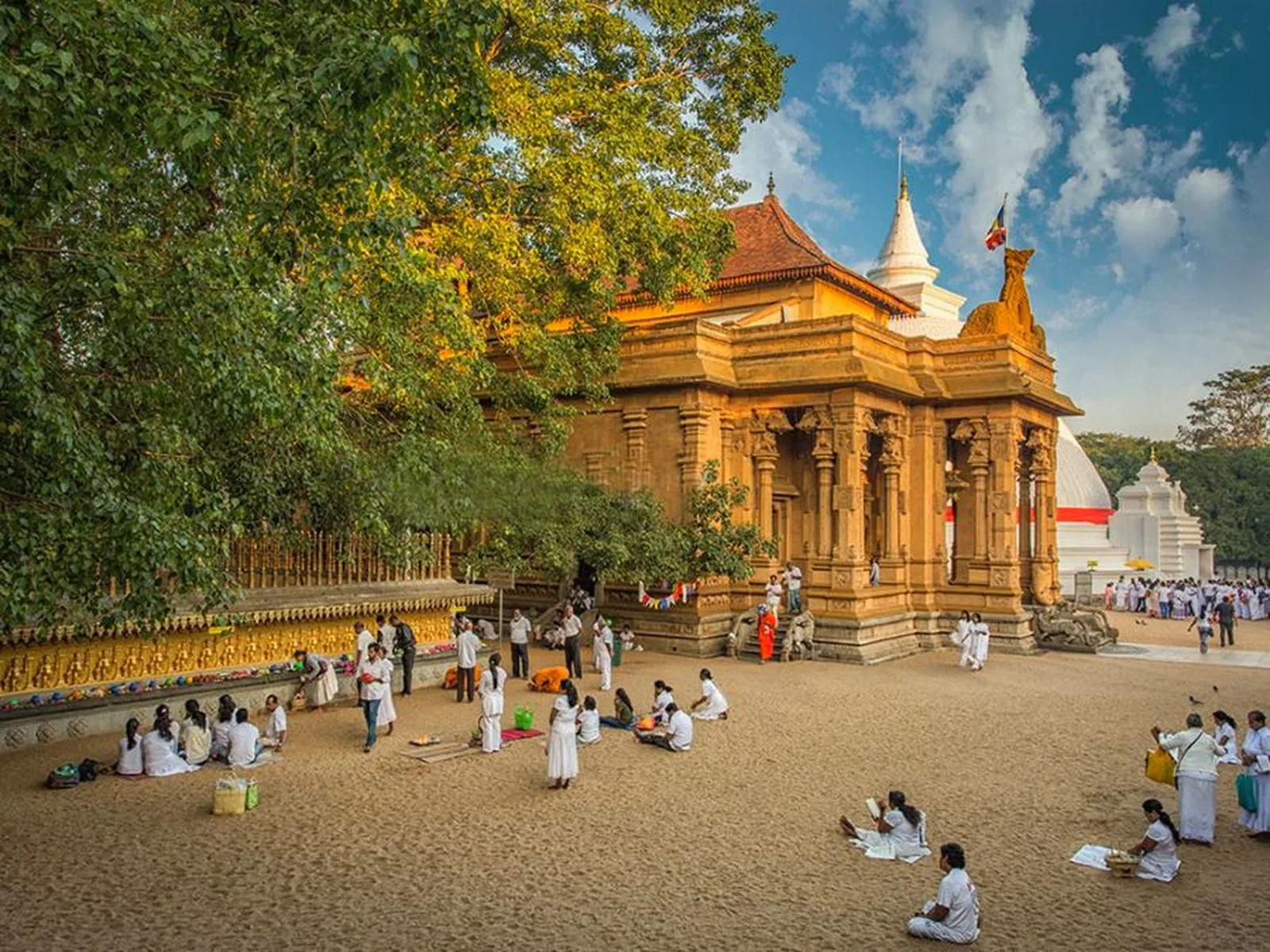
While Daraluwa itself is primarily a residential and agricultural area, its proximity to other significant sites in the Gampaha District means that cultural and historical explorations are well within reach. A short journey can take you to ancient Buddhist temples, some dating back centuries, which serve as vital centers of community and spiritual devotion. These temples, often adorned with intricate carvings and vibrant murals, tell stories of a rich past and unwavering faith. The architecture itself is a testament to the island's enduring artistic traditions, blending indigenous designs with influences from various periods. Visitors can observe local devotees offering prayers, participating in ceremonies, and engaging in meditation, offering a profound insight into the spiritual fabric of Sri Lankan society. The serene atmosphere within these sacred spaces provides a moment for quiet contemplation and reflection, far removed from the clamor of modern life.
Exploring these religious sites offers more than just historical insight; it's an immersive cultural experience. You might witness a 'Bodhi Pooja' (offering to the sacred Bodhi tree) or simply observe the quiet reverence with which locals approach their faith. Engaging with the temple custodians or resident monks, if appropriate, can provide deeper insights into the symbolism and practices. These interactions often reveal the deep-seated respect for tradition and the profound sense of community that underpins village life. The narratives shared by these guardians of heritage often weave together historical facts with local legends, creating a rich tapestry of stories that bring the past to life. Understanding these traditions enriches the overall appreciation of the region's cultural landscape.
🍚 Savoring Authentic Flavors
No visit to a Sri Lankan village is complete without indulging in its culinary delights. Daraluwa offers a chance to taste authentic, home-cooked Sri Lankan food, often prepared with fresh, locally sourced ingredients. Think fragrant rice and curry, a symphony of flavors featuring coconut milk, aromatic spices, and a variety of vegetables, fish, or chicken. Unlike many tourist-centric restaurants, the food here is prepared with traditional methods, often using firewood stoves, which imparts a distinct, smoky flavor. Seek out small local eateries or even inquire about a home-cooked meal experience, which can be an unforgettable part of your journey. Many guesthouses or homestays in the vicinity might also offer to prepare traditional meals for their guests, providing an intimate dining experience.
Beyond the main meals, explore the local street food and snacks. 'Kottu Roti,' a popular stir-fried dish made with shredded roti, vegetables, and meat, is a must-try. Sweet treats like 'Kevum' (oil cakes) and 'Kokis' (crispy rice flour snacks) are often available, especially during festive seasons. Don't forget to try fresh tropical fruits like king coconuts, mangoes, and papayas, which are abundant and incredibly flavorful. The simple act of sipping a cool king coconut directly from its shell, bought from a roadside vendor, can be a moment of pure bliss. These culinary explorations are not just about satisfying hunger; they are an integral part of understanding the local culture and economy, as food plays a central role in Sri Lankan social life and hospitality. Each bite tells a story of the land and its people, a narrative of flavors perfected over generations.
🏞️ Nature's Embrace and Relaxation
Daraluwa's rural setting is inherently conducive to relaxation and rejuvenation. The absence of urban noise and pollution means cleaner air and a pervasive sense of tranquility. It's an ideal place for mindful walks, meditation, or simply unwinding amidst nature. The surrounding agricultural lands, especially the paddy fields, offer breathtaking views, particularly during sunrise or sunset when the sky paints itself in hues of orange and pink, reflecting on the water-filled fields. These moments of serene beauty provide ample opportunities for photography or simply quiet contemplation, allowing visitors to disconnect from the stresses of daily life and reconnect with themselves. The gentle sounds of nature, from chirping crickets to distant bird calls, form a soothing soundtrack to this tranquil retreat, enhancing the sense of peace and calm.
For those interested in a more hands-on experience, some local farms might offer insights into their agricultural practices. Learning about rice cultivation, from planting to harvesting, or understanding the various types of local produce, can be an educational and engaging activity. This direct interaction with the land and its cultivators provides a deeper appreciation for the food on your plate and the hard work involved. The slow pace of life here encourages a deep breath, a pause, and an appreciation for the simple yet profound beauty of the natural world. It’s a place where you can truly escape the demands of a fast-paced world and immerse yourself in an environment that nurtures both body and soul, leaving you refreshed and invigorated. The rural charm of Daraluwa is an invitation to slow down, observe, and truly live in the moment, making it a perfect antidote to modern-day anxieties.
🤝 Engaging with the Community
One of the most rewarding aspects of visiting Daraluwa is the opportunity to engage directly with the local community. The people of Daraluwa are known for their hospitality and genuine friendliness. Unlike more heavily touristed areas, interactions here tend to be more authentic and less transactional. Learning a few basic Sinhala phrases, such as 'Ayubowan' (hello/may you live long) or 'Istuti' (thank you), can go a long way in fostering connections. These small gestures are often met with wide smiles and an eagerness to communicate, even if a language barrier exists. Participating in local events, if any are taking place during your visit, can also provide a unique cultural immersion. This could range from a small village festival to a local cricket match, offering a glimpse into the community's social fabric.
Consider supporting local businesses directly, whether it's buying produce from a roadside stall, purchasing handicrafts, or dining at a small family-run eatery. This not only benefits the local economy but also provides a more authentic experience. Many villagers are keen to share their traditions and way of life, and a respectful curiosity on your part will often be met with open arms. These interactions are often the most memorable part of a trip, creating personal stories and connections that transcend typical tourist experiences. The warmth and generosity of the Daraluwa community leave a lasting impression, reminding visitors of the profound human connection that can be found in the simplest of encounters. It’s a place where strangers are often treated with the kindness reserved for friends, making every interaction a heartwarming experience.