The Guide
Contents
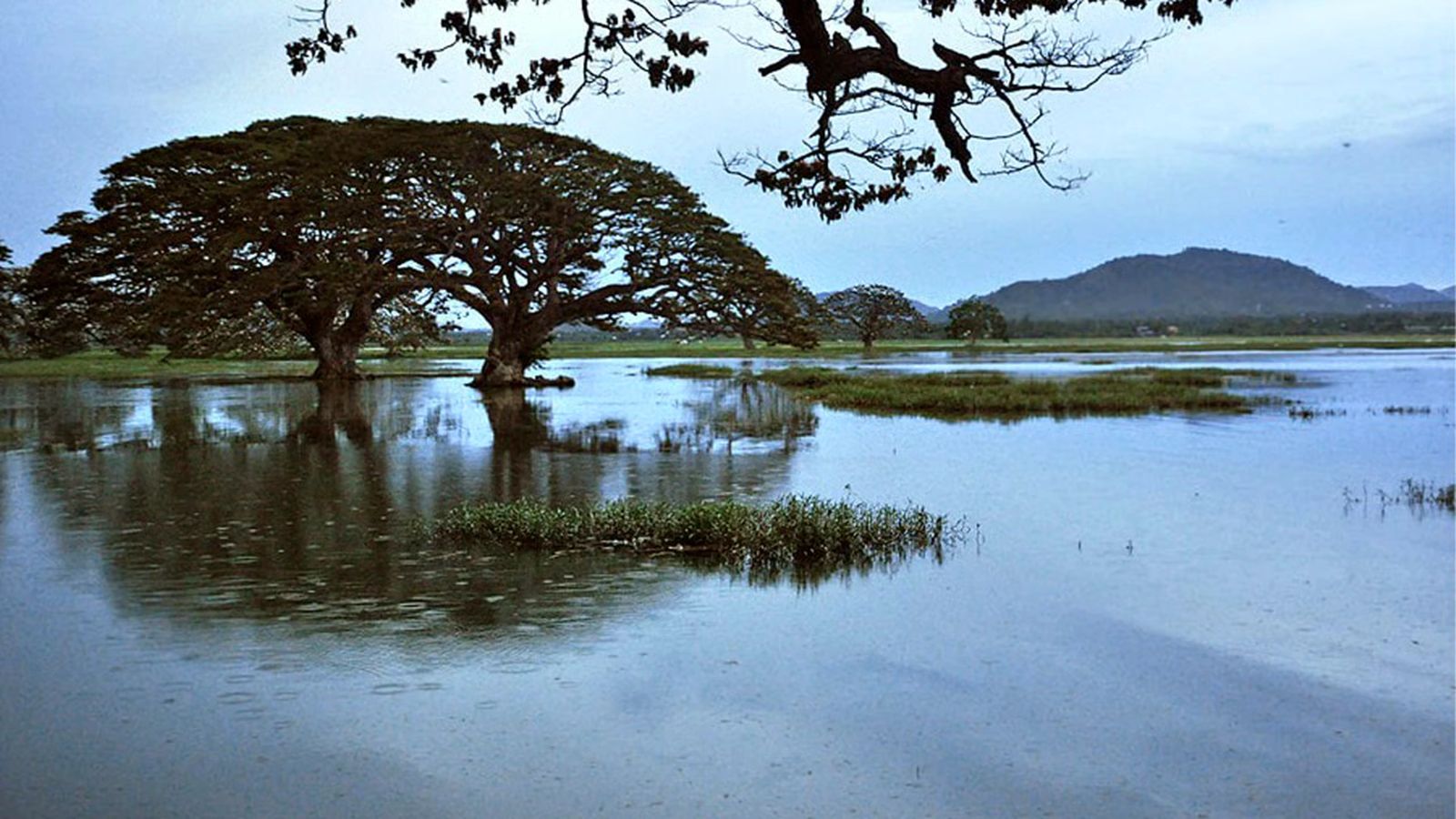
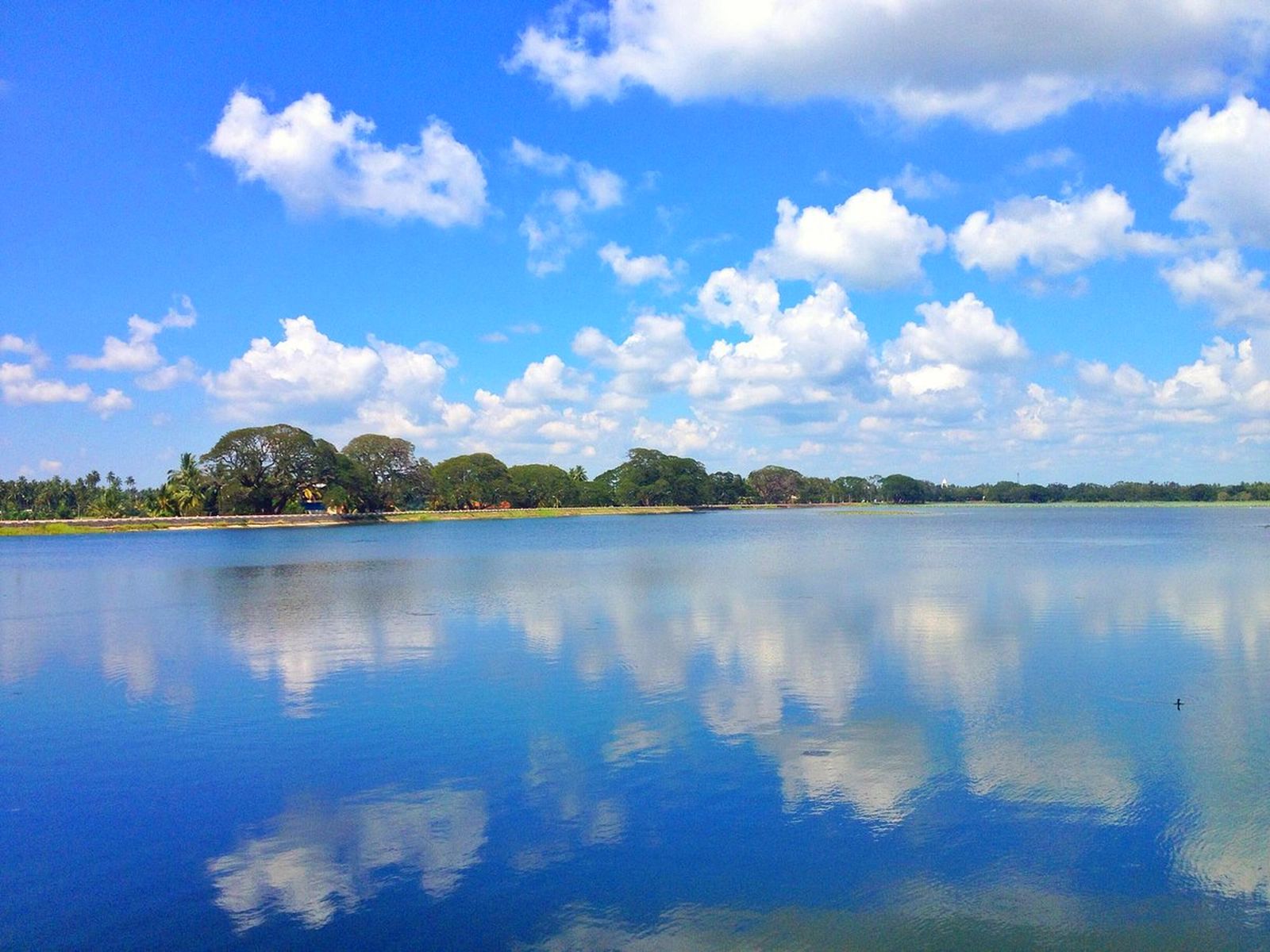
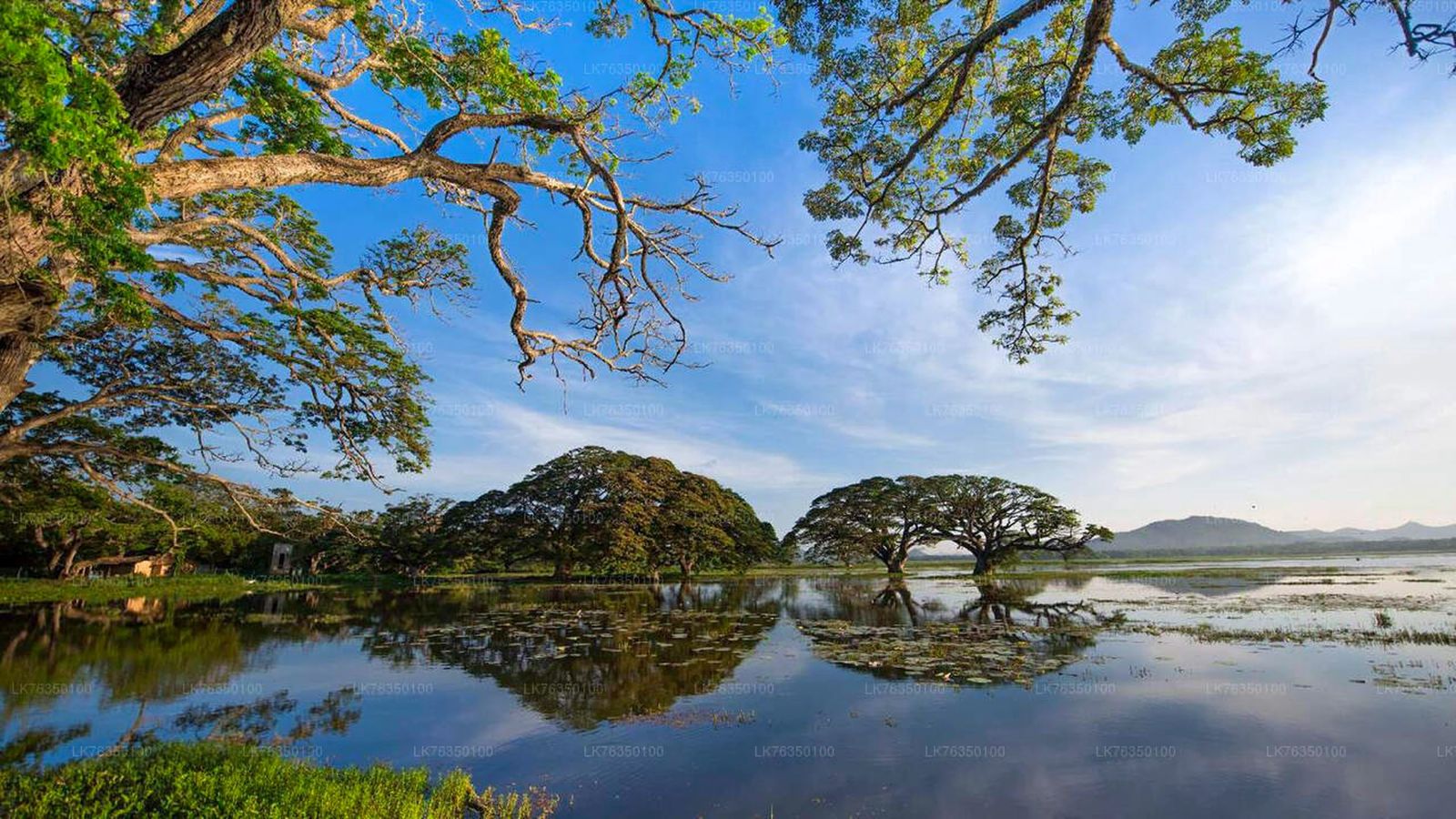
Legend whispers through the rustling fronds of the towering Palmyra trees that line the banks of Tissa Lake, telling a tale of ancient kings and their profound connection to the land. It's said that King Kavantissa, a pivotal figure in Sri Lankan history, ordered the creation of this magnificent artificial reservoir in the 3rd century BC. More than just an irrigation marvel, Tissa Wewa, as it's locally known, was a testament to the sophisticated engineering prowess of early Sinhalese civilization, designed not only to sustain the burgeoning agricultural communities around the ancient city of Tissamaharama but also to reflect the sky's vast expanse, mirroring the heavens and bringing a sense of tranquil divinity to the landscape. Standing here today, gazing across its serene waters, one can almost hear the echoes of that ancient past, a quiet reverence for a legacy that continues to nourish and inspire.
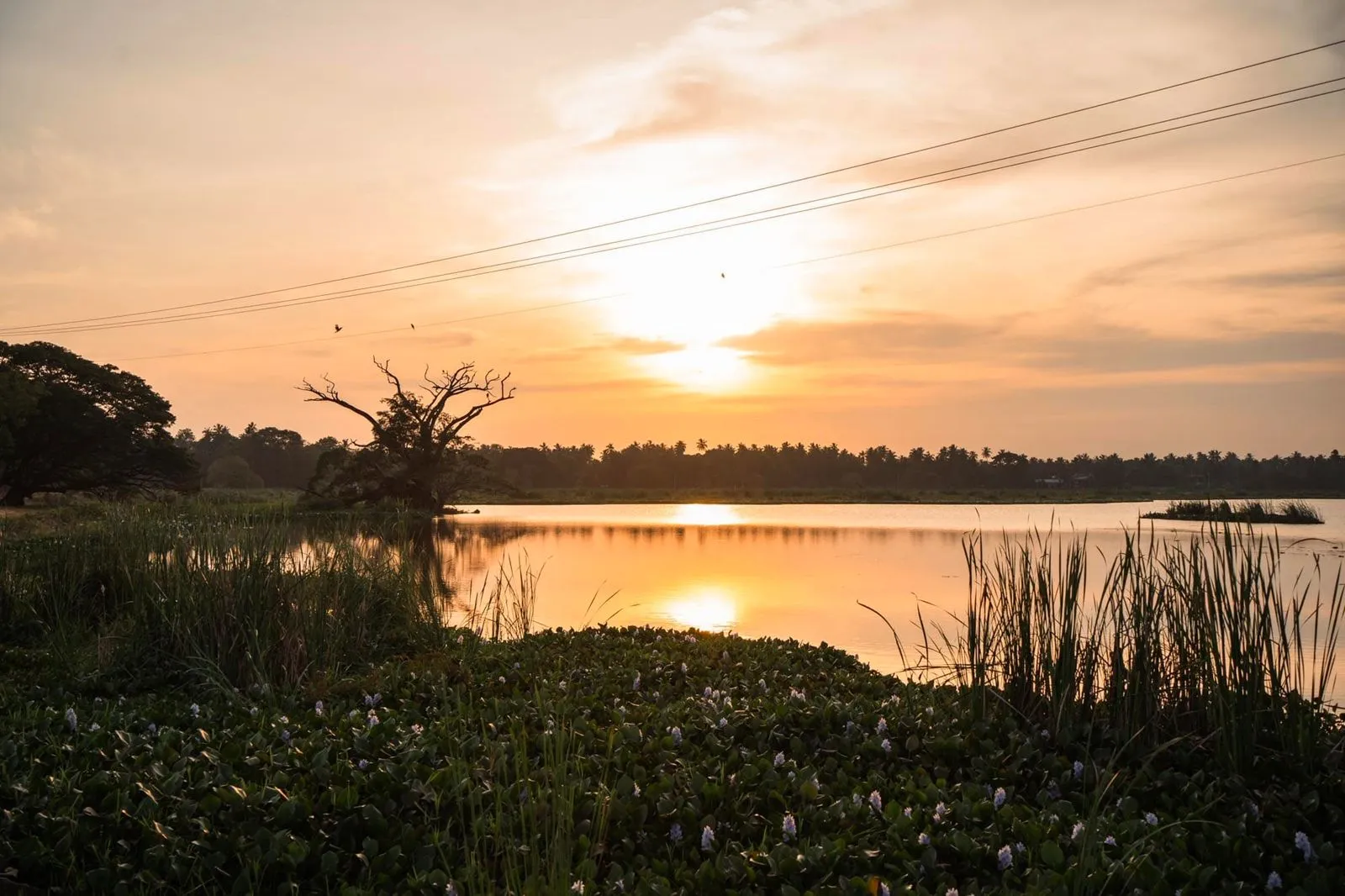
Tissa Lake isn't merely a body of water; it's the very heart and soul of Tissamaharama, a town steeped in history and surrounded by the wild beauty of southern Sri Lanka. Its placid surface, often dotted with the vibrant pink and white of lotus flowers, offers a constantly shifting tableau of light and life. Mornings here are particularly magical, as the sun's first rays paint the sky in hues of orange and gold, casting a warm glow over the water and illuminating the ancient stupas that rise majestically from the surrounding landscape. The air is cool and crisp, often carrying the distant calls of exotic birds, creating an atmosphere of profound peace that is increasingly rare in our fast-paced world. It’s a place where time seems to slow down, inviting contemplation and a deep connection with nature.
🌅 Serenity at Sunrise: A Photographer's Dream
For photographers and early risers, Tissa Lake at sunrise is an absolute pilgrimage. The ethereal mist that often hovers just above the water's surface, combined with the dramatic silhouettes of the distant trees and the majestic Tissamaharama Raja Maha Vihara stupa, creates an otherworldly scene. Fishermen in their traditional outrigger canoes, known as 'oru', glide silently across the water, casting their nets in a timeless ritual that adds a human element to the natural grandeur. These moments are fleeting but unforgettable, offering unparalleled opportunities to capture truly breathtaking images. Even if you're not a professional photographer, simply witnessing this spectacle is a reward in itself, a moment of pure, unadulterated beauty that imprints itself on your memory. The changing light throughout the morning offers a spectrum of photographic possibilities, from soft pastels to vibrant golds, making every shot unique.
Beyond the visual spectacle, the early morning hours also offer a chance to observe the lake's resident wildlife in their natural habitat. Water birds, such as egrets, herons, and kingfishers, are particularly active, flitting between the reeds and diving for their morning meal. The air is filled with their diverse calls, creating a natural symphony that complements the visual feast. It's a prime example of how Tissa Lake serves as a vital ecosystem, supporting a rich biodiversity that thrives around its life-giving waters. Taking a quiet stroll along the bund (embankment) during this time allows for intimate wildlife encounters without disturbing their routines. The tranquility is palpable, a stark contrast to the bustling energy that characterizes much of Sri Lankan town life later in the day.
🛶 Lakeside Adventures & Leisurely Boat Rides
While the lake is a feast for the eyes from its shores, experiencing Tissa Lake from the water itself offers a completely different perspective. Numerous local operators offer boat rides, ranging from short, leisurely glides across the calm surface to more extensive tours that explore the lake's various nooks and crannies. These excursions often take you closer to the lotus beds, allowing you to appreciate the intricate beauty of these sacred flowers. You might also spot monitor lizards basking on the banks or even crocodiles subtly camouflaged amidst the vegetation – a thrilling reminder of the wild nature that thrives here. Always choose a reputable operator and ensure life jackets are provided and worn.
A popular activity is a sunset boat safari, which combines the magic of the setting sun with the chance to observe the lake's nocturnal inhabitants beginning to stir. As the sun dips below the horizon, painting the sky in fiery oranges and purples, fruit bats begin their nightly exodus from the trees, creating a spectacular aerial display. It's a truly immersive experience that connects you deeply with the rhythm of nature and provides a unique vantage point for appreciating the vastness and beauty of this ancient reservoir. The gentle rocking of the boat and the cool evening breeze add to the overall sense of relaxation and wonder. Many of these boat rides are surprisingly affordable, offering excellent value for an unforgettable experience.
🍽️ Culinary Delights with a View
The area surrounding Tissa Lake is dotted with charming eateries and guesthouses that offer delicious Sri Lankan cuisine, often with stunning views of the water. Imagine savoring a freshly prepared rice and curry, bursting with local flavors, as you watch the sun sparkle on the lake's surface or witness a vibrant sunset. Many establishments specialize in fresh fish, sourced directly from the lake itself, offering a true 'lake-to-table' dining experience. From simple roadside stalls serving crispy hoppers and savory rotis to more upscale restaurants offering a wider array of dishes, there's something to satisfy every palate and budget.
Evenings are particularly inviting for lakeside dining. The gentle breeze, the soft glow of lights reflecting on the water, and the distant sounds of local life create a wonderfully atmospheric setting. It's an opportunity to not only indulge in authentic Sri Lankan gastronomy but also to soak in the local culture and hospitality. Don't hesitate to try some of the local fruit juices, especially king coconut water, a refreshing and hydrating treat perfect after a day of exploration. Many guesthouses also offer cooking classes, allowing visitors to learn the secrets behind Sri Lankan culinary traditions, often incorporating ingredients sourced from local markets. This adds another layer of cultural immersion to your visit, making the experience even richer.
🚶♀️ Exploring the Bund & Beyond
The bund, or embankment, of Tissa Lake is a popular spot for both locals and tourists to enjoy a leisurely stroll or a brisk walk. It's a flat, easy path that offers continuous panoramic views of the lake on one side and the surrounding town and paddy fields on the other. This is where you'll see local families enjoying evening picnics, children playing, and friends gathering for conversations. It's a vibrant social hub, especially in the late afternoons and evenings, offering a wonderful glimpse into daily Sri Lankan life. The sense of community here is palpable, a testament to the lake's central role in the lives of the people of Tissamaharama.
Beyond the immediate vicinity of the lake, the town of Tissamaharama itself holds historical significance. The ancient Tissamaharama Raja Maha Vihara, one of the largest stupas in southern Sri Lanka, is a short walk or tuk-tuk ride away and is intrinsically linked to the history of the lake. Its white dome stands as a beacon of peace and spirituality, especially when viewed across the water. Exploring the town allows you to discover local markets, small shops, and the everyday rhythm of a Sri Lankan rural center. The proximity of Tissa Lake to Yala National Park also makes it an ideal base for safari adventures, offering a perfect blend of cultural exploration and wildlife encounters. The surrounding paddy fields, fed by the lake's waters, are also picturesque, especially during planting or harvesting seasons, showcasing the agricultural heartland of the region. A bicycle ride around these fields can be a delightful way to explore the rural landscape.
🧘♀️ A Sanctuary for the Soul
More than its scenic beauty or historical significance, Tissa Lake offers a sanctuary for the soul. The pervasive sense of calm and tranquility makes it an ideal spot for meditation, quiet contemplation, or simply unwinding after a day of exploring. The gentle lapping of the water against the shore, the soft chirping of birds, and the rustling of leaves in the breeze create a natural symphony that soothes the mind and rejuvenates the spirit. Many visitors find themselves drawn back to the lake at different times of the day, each visit revealing a new facet of its charm and offering a fresh perspective on its timeless beauty. It's a place where you can truly disconnect from the stresses of modern life and reconnect with yourself and the natural world.
The spiritual aura emanating from the nearby ancient stupas seems to extend over the lake, infusing the entire area with a sense of peace. This makes it a perfect destination for those seeking a holistic travel experience, combining cultural immersion with opportunities for relaxation and introspection. Whether you choose to sit by the water's edge with a good book, practice some gentle yoga as the sun rises, or simply observe the world go by, Tissa Lake provides an unparalleled backdrop for personal reflection and rejuvenation. Its accessibility and understated beauty make it a truly special place that leaves a lasting impression on all who visit.
🐊 Wildlife Encounters: Beyond the Birds
While birdwatching is a prominent activity around Tissa Lake, the ecosystem supports a wider array of wildlife, adding an exciting dimension to your visit. Keep a keen eye out for the elusive marsh crocodiles that inhabit the lake. While generally shy, they can sometimes be spotted basking on the muddy banks, especially in the warmer parts of the day. It's crucial to maintain a respectful distance and never approach them. Monitor lizards are a more common sight, often seen gracefully swimming or scurrying along the banks. The dense vegetation and reeds around the lake also provide a habitat for various small mammals and amphibians, though these are often harder to spot. The lake's role as a watering hole also means that larger animals from the nearby wilderness, like elephants, occasionally visit the fringes, especially during dry seasons, though this is a rarer occurrence.
The biodiversity here is a testament to the lake's health and its importance as a natural resource. Even the insects contribute to the vibrant ecosystem, with various dragonfly and butterfly species adding flashes of color to the air. Respecting the wildlife and their natural habitat is paramount, ensuring these creatures can continue to thrive. Local guides, especially those offering boat safaris, are often very knowledgeable about the local fauna and can help point out species you might otherwise miss, enhancing your wildlife viewing experience significantly. Remember to bring binoculars for better viewing opportunities and a telephoto lens if you're a serious wildlife photographer.
🌾 Agricultural Lifeline: The Lake's Enduring Legacy
Beyond its aesthetic and ecological value, Tissa Lake continues to serve its original purpose as a vital agricultural lifeline for the surrounding region. The ancient irrigation systems, continuously maintained and adapted over centuries, channel water from the lake to irrigate vast expanses of paddy fields. This allows for the cultivation of rice, the staple food of Sri Lanka, sustaining countless families and communities. Witnessing the farmers tending to their fields, their lives intrinsically linked to the lake's bounty, offers a profound insight into the symbiotic relationship between humans and nature that has characterized this region for millennia.
A drive or bicycle ride through the rural areas surrounding Tissa will reveal picturesque landscapes of lush green paddy fields, especially vibrant after the monsoon rains. You might see buffaloes wallowing in the mud, preparing the fields for planting, or golden fields ready for harvest. This agricultural heartland, nourished by Tissa Lake, is a beautiful representation of sustainable living and the enduring legacy of ancient Sinhalese engineering. It's a reminder that this beautiful body of water is not just a tourist attraction but a living, breathing component of the local economy and culture, a testament to the ingenuity of the past, and a source of life for the present and future.