The Guide
Contents
- 🗿 Introduction to Gal Vihara: A Masterpiece of Ancient Artistry
- 🌟 The Four Sacred Images: A Symphony in Stone
- 1. The Seated Buddha (Samadhi) 🧘♀️
- 2. The Cave of the Seated Buddha (Vidyadhara Guha) 🌌
- 3. The Standing Buddha (Parinirvana) 🚶♂️
- 4. The Reclining Buddha (Parinirvana) 🙏
- 🏛️ Historical Significance and Artistic Techniques
- 🌿 Exploring the Surroundings: Polonnaruwa Ancient City
🗿 Introduction to Gal Vihara: A Masterpiece of Ancient Artistry
Nestled amidst the ancient city of Polonnaruwa, Sri Lanka, lies Gal Vihara, an extraordinary rock temple that stands as a testament to the unparalleled skill and spiritual devotion of ancient Sinhalese artisans. Carved entirely out of a massive granite outcrop, this UNESCO World Heritage Site is not merely a collection of statues; it's a profound spiritual experience, a journey back in time to the golden age of Polonnaruwa, when art, architecture, and religion flourished under the patronage of powerful kings. The name 'Gal Vihara' translates to 'Stone Temple,' a humble moniker for a site that evokes immense awe and wonder. It's truly one of Sri Lanka's most iconic and revered archaeological treasures, drawing visitors from across the globe to marvel at its timeless beauty and spiritual significance. 🌿📸
🌟 The Four Sacred Images: A Symphony in Stone
Gal Vihara is renowned for its four magnificent Buddha statues, each meticulously carved with astonishing precision and emotional depth. These monumental figures, dating back to the 12th century, are believed to have been commissioned by King Parakramabahu I, a visionary ruler who transformed Polonnaruwa into a thriving cultural and religious hub. Each statue presents a different posture, each conveying a distinct aspect of the Buddha's enlightenment and teachings, making it a truly unique artistic ensemble. 🧘♂️
1. The Seated Buddha (Samadhi) 🧘♀️
The first and arguably most famous of the quartet is the colossal seated Buddha, depicting the Buddha in a deep meditative state, known as 'Samadhi.' This awe-inspiring figure, standing approximately 4.6 meters (15 feet) tall, emanates an aura of profound tranquility and inner peace. The intricate details, from the delicate folds of the robe to the serene expression on the Buddha's face, showcase the mastery of the sculptors. The eyes are half-closed, suggesting introspection, while the slight smile hints at the bliss of enlightenment. It’s a powerful representation of the ultimate goal of Buddhist practice.
2. The Cave of the Seated Buddha (Vidyadhara Guha) 🌌
Adjacent to the large seated Buddha, within a small cave-like recess, is another, smaller seated Buddha. This image, though less imposing in scale, is equally captivating. It's believed to represent the Buddha delivering a sermon, surrounded by celestial beings (Vidyadharas) which were once painted on the cave walls, though little remains today. The subtle differences in posture and expression invite contemplation and highlight the nuanced artistic interpretations of the period.
3. The Standing Buddha (Parinirvana) 🚶♂️
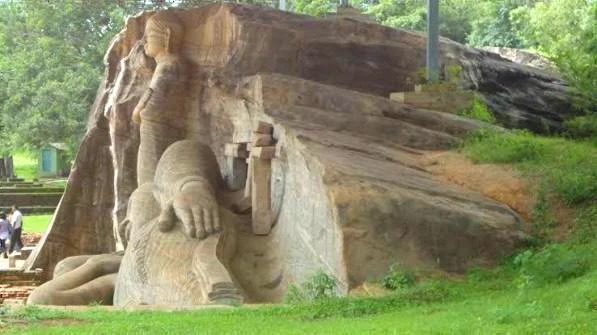
Next in line is the enigmatic standing Buddha, towering at an impressive 7 meters (23 feet). This statue has been a subject of much scholarly debate. While traditionally interpreted as the Buddha in a standing posture, some art historians suggest it might represent the Buddha in the 'Parinirvana' or the final passing into nirvana, with the crossed arms symbolizing a state of profound peace and detachment. The slightly mournful expression and the unique posture contribute to its mysterious allure, making it a compelling subject for contemplation. The sheer scale and the sense of quiet dignity it embodies are truly remarkable.
4. The Reclining Buddha (Parinirvana) 🙏
The grand finale of Gal Vihara is the magnificent reclining Buddha, stretching an incredible 14 meters (46 feet) in length. This colossal figure unequivocally depicts the Buddha's 'Parinirvana,' his final departure from the cycle of rebirth. The serene expression, the gentle folds of the pillow, and the elegant drape of the robe are all rendered with extraordinary realism and sensitivity. The subtle nuances in the carving, particularly around the face, convey a sense of peaceful transcendence, a quiet acceptance of the end of earthly existence. It’s a powerful and moving portrayal of ultimate liberation. 🌅
🏛️ Historical Significance and Artistic Techniques
Gal Vihara is not just a collection of statues; it's a window into the sophisticated artistic and engineering capabilities of ancient Sri Lanka. The sculptors employed techniques that allowed them to carve these massive figures directly from the living rock, demonstrating an intimate understanding of geology and artistic vision. The precision of the carvings, the graceful lines, and the emotional depth conveyed in each face are truly remarkable, especially considering the tools available at the time. The site's preservation over centuries speaks volumes about the quality of the craftsmanship and the enduring reverence for these sacred images. Visiting Gal Vihara offers a unique opportunity to connect with a rich spiritual and cultural heritage, to witness firsthand the devotion and skill that shaped these timeless masterpieces. It’s a place where history whispers through the stone, inviting visitors to reflect on beauty, spirituality, and the passage of time. 🌍✨
🌿 Exploring the Surroundings: Polonnaruwa Ancient City
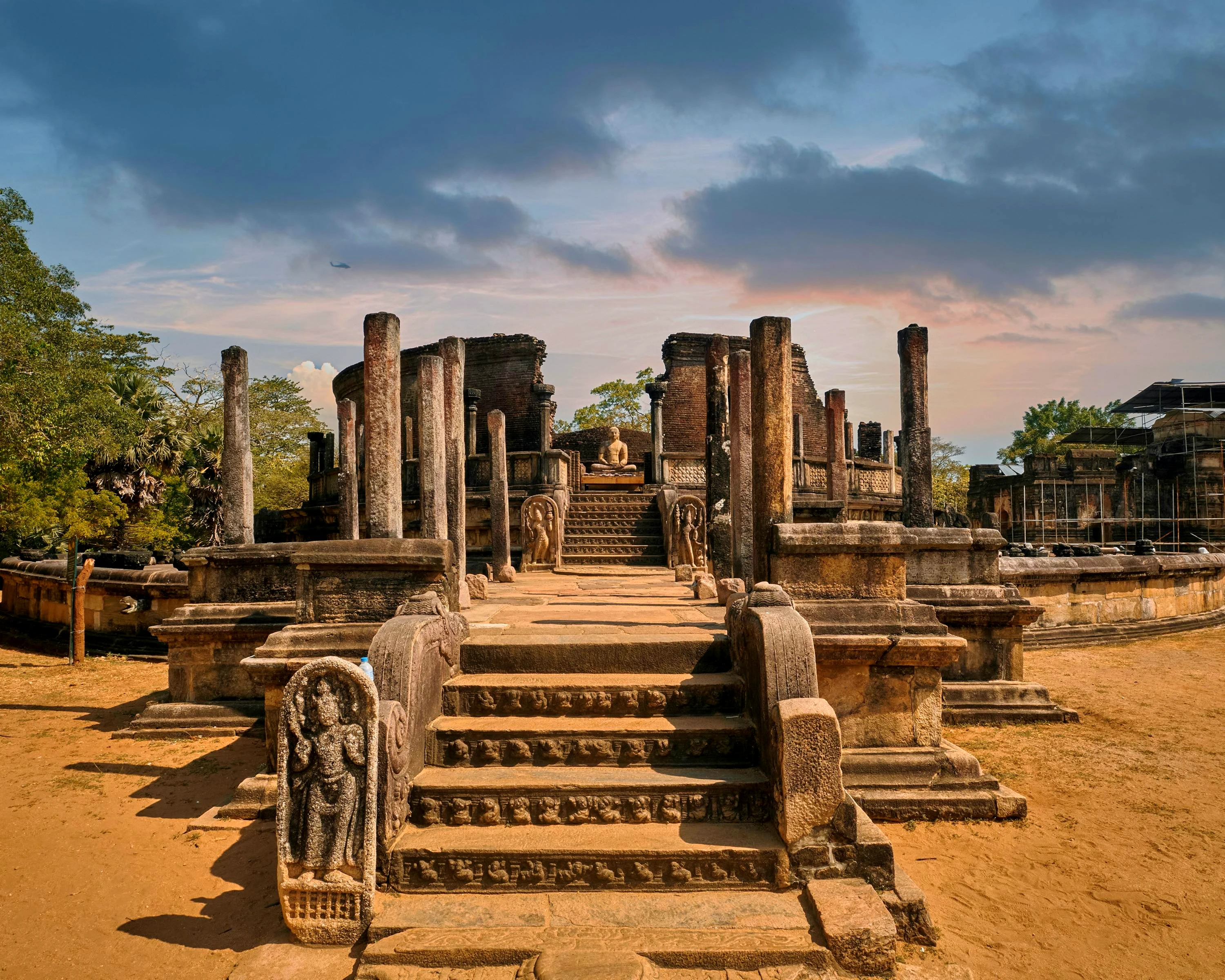
Gal Vihara is an integral part of the larger Polonnaruwa Ancient City complex, which is a treasure trove of archaeological wonders. After marveling at the rock-cut Buddhas, visitors can explore other significant sites within the ancient city, such as the Royal Palace, the Quadrangle, and various stupas and other temples. Renting a bicycle is a popular and enjoyable way to navigate the sprawling ruins, allowing for a leisurely exploration of this historically rich landscape. The entire area is steeped in history and offers countless opportunities for photography and reflection. 🚲🌳