Hewanpolagama

Hewanpolagama

4.6 · 0 reviews 44 views Last updated Nov 19, 2026
4.6Rating
The dry season, from December to April, is ideal for exploring Hewanpolagama.Best Time
Free (though local guide fees apply for treks)Entry Fee
Full DaySuggested Time
ModerateDifficulty
8 minRead Time

Where to stay near Hewanpolagama

Compare live prices with our booking partners.

Some links below are affiliate links. If you book through them we may earn a small commission — at no extra cost to you. How this works.

Cost & practical info

Entry fee Free (though local guide fees apply for treks) Confirm current fees on site
Best time to visit The dry season, from December to April, is ideal for exploring Hewanpolagama.
Suggested time Full Day
Difficulty Moderate

Prices and opening hours can change — always confirm with the official site before you travel.

The Guide

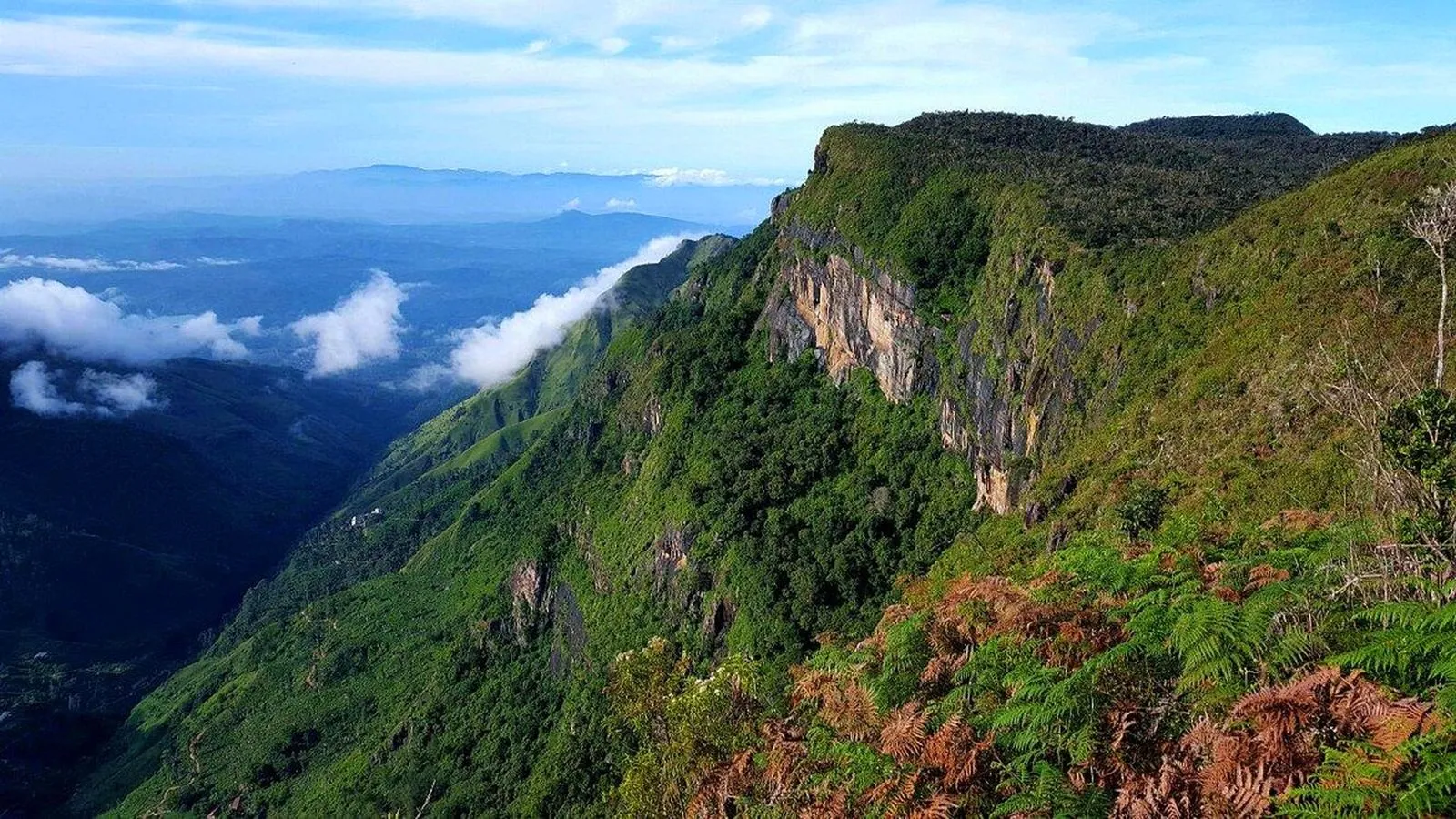
The very first thing that hits you when you arrive in Hewanpolagama isn't a sight, but a symphony of sounds. It's the gentle, rhythmic rustle of leaves in a breeze that feels ancient, carrying with it the faint, earthy scent of damp soil and blooming jasmine. Then, as your eyes adjust, the vibrant greens explode around you – not just one shade, but a thousand variations, from the deep, almost black green of mature trees to the bright, hopeful lime of new shoots. It's a place that whispers tales of a time when nature reigned supreme, an untouched sanctuary that immediately soothes the soul. You feel it in the air, a sense of peace that's often elusive in our fast-paced world, a profound connection to the raw, untamed beauty of Sri Lanka.

🌿 Discovering Hewanpolagama's Verdant Heartbeat

Hewanpolagama isn't just a location on a map; it's an experience, a journey into the very soul of Sri Lanka's natural heritage. This region, often overlooked by the mainstream tourist circuits, holds a magic that is truly unique. Imagine endless stretches of lush primary rainforest, where towering trees form a natural canopy, filtering sunlight into dappled patterns on the forest floor. The air is thick with the sweet, exotic perfume of unseen orchids and the buzzing hum of countless insects, a testament to the incredible biodiversity that thrives here. Every step you take on the soft, leaf-strewn ground feels like a step back in time, a communion with an ecosystem that has largely remained undisturbed for centuries. It's a place where you can truly disconnect from the digital world and reconnect with the primal rhythms of nature.

One of the most captivating aspects of Hewanpolagama is its incredible array of flora. Botanists and nature enthusiasts will find themselves in paradise, with an astounding variety of endemic plant species that are found nowhere else on Earth. Keep an eye out for the vibrant splashes of colour from wild orchids clinging to tree trunks, or the intricate patterns of ferns unfurling in the damp undergrowth. The sheer scale and density of the vegetation are breathtaking, creating a sense of being completely enveloped by the natural world. It's a living, breathing tapestry of green, constantly evolving and revealing new wonders with every turn of the path. The silence, broken only by the sounds of the forest, is profound and deeply meditative, offering a rare opportunity for introspection and peace.

🐒 Wildlife Encounters: A Living Ecosystem

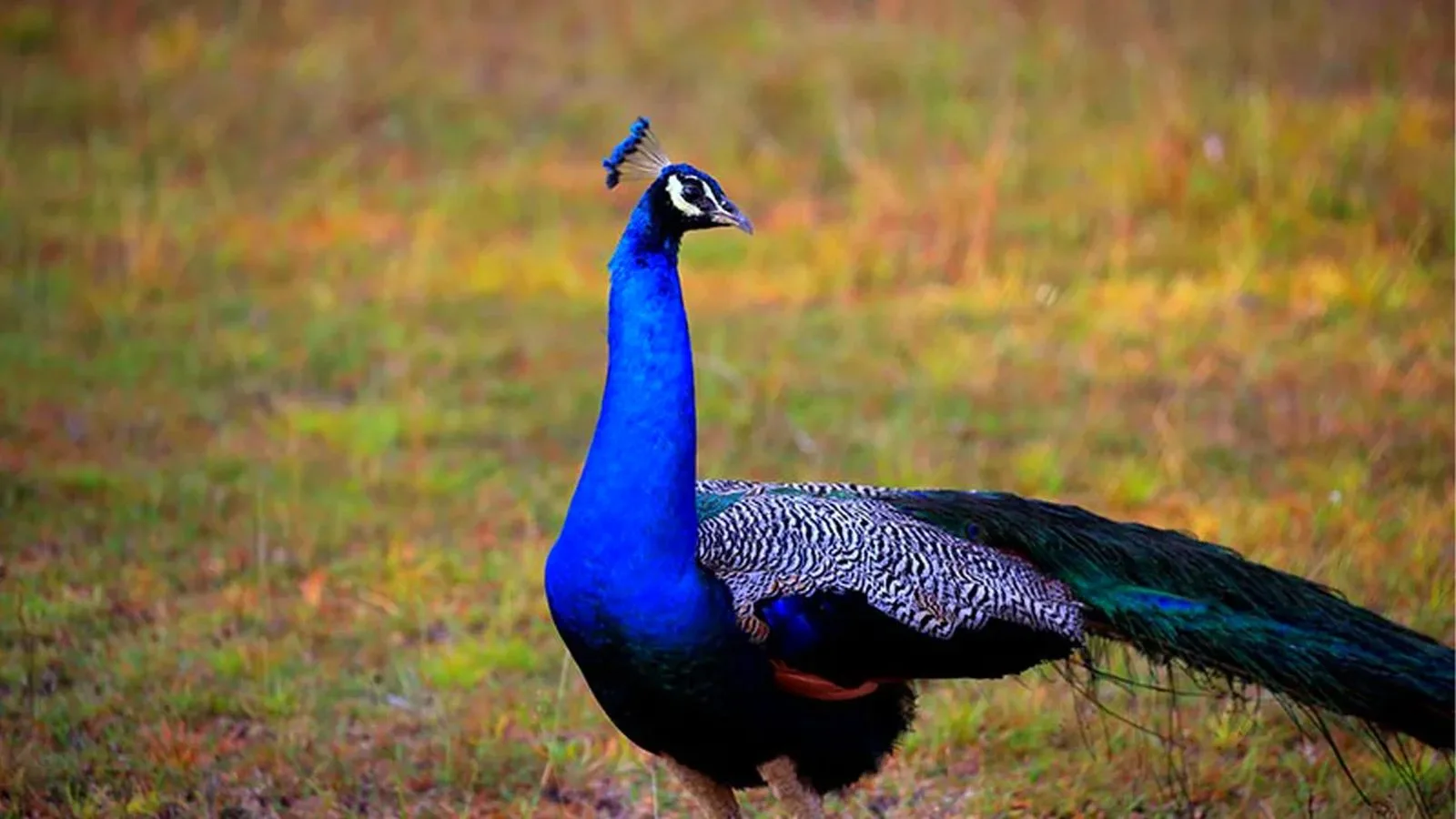
While the lush greenery is a feast for the eyes, the true stars of Hewanpolagama are its inhabitants. This region is a haven for an incredible diversity of wildlife, making it a dream destination for any nature lover or wildlife photographer. As you venture deeper into the forest, you'll hear the distant calls of various bird species, some familiar, others entirely new and exotic. The vibrant plumage of endemic birds like the Sri Lankan Junglefowl or the striking Sri Lankan Blue Magpie can often be spotted flitting between branches, their calls echoing through the canopy. Binoculars are an absolute must here, as there's always something fascinating happening in the treetops or hidden amongst the dense foliage.

Beyond the avian wonders, Hewanpolagama is also home to a fascinating array of mammals and reptiles. Keep a keen eye out for the playful antics of various monkey species, like the toque macaque or the purple-faced langur, as they swing effortlessly through the trees, often observing visitors with curious gazes. While more elusive, sightings of the majestic Sri Lankan leopard are not unheard of, particularly for those with patience and a keen eye. Smaller creatures like civets, pangolins, and a myriad of colourful lizards and frogs also contribute to the rich tapestry of life here. It's a humbling experience to witness such a thriving ecosystem, a reminder of the delicate balance of nature and the importance of conservation efforts. Every rustle in the leaves, every distant call, adds to the thrilling possibility of a unique wildlife encounter.

💧 The Serene Streams and Hidden Pools

Winding through the heart of Hewanpolagama are numerous pristine streams and rivers, their waters crystal clear and cool. These waterways are the lifeblood of the forest, providing essential hydration for its inhabitants and creating pockets of unparalleled beauty. Imagine discovering a secluded natural pool, its surface reflecting the towering trees above, inviting you for a refreshing dip after a long trek. The sound of trickling water over smooth rocks is incredibly soothing, a natural soundtrack to your exploration. These streams are often home to a variety of freshwater fish and amphibians, adding another layer to the region's rich biodiversity.

Some of these streams cascade over moss-covered rocks, forming small, picturesque waterfalls that are perfect for a quiet moment of contemplation or a stunning photograph. The air around these water features feels cooler and fresher, often carrying the scent of damp earth and blooming water lilies. It's a truly immersive experience to walk alongside these waterways, feeling the cool mist on your face and listening to the gentle gurgle of the water. These hidden gems are often discovered by chance, adding to the sense of adventure and discovery that defines a visit to Hewanpolagama. They are perfect spots for a picnic, a moment of quiet reflection, or simply to marvel at the intricate beauty of nature's design.

🚶‍♀️ Trekking Through Uncharted Territory

For those who love to explore on foot, Hewanpolagama offers an array of trekking opportunities, ranging from gentle strolls to more challenging hikes. The network of trails, while sometimes less defined than in more popular national parks, adds to the sense of pioneering adventure. You're not just walking a path; you're discovering a wilderness. Local guides are invaluable here, not only for navigation but also for sharing their profound knowledge of the local flora and fauna, pointing out camouflaged creatures or identifying rare plants that you might otherwise miss. They can also share fascinating insights into the traditional uses of various plants for medicine and food, connecting you to the indigenous wisdom of the region.

The terrain can be varied, from relatively flat forest floors to gentle slopes, and occasionally, more rugged sections that require careful footing. But every step is rewarded with breathtaking views, the chance to spot unique wildlife, and the deep satisfaction of immersing yourself in an unspoiled natural environment. It's an opportunity to challenge yourself physically while simultaneously rejuvenating your mind and spirit. The air is clean, the sounds are natural, and the sights are endlessly captivating. Remember to wear appropriate footwear and bring plenty of water, as you'll want to spend hours exploring this magnificent wilderness. The sense of accomplishment after completing a trek through this pristine environment is truly unparalleled.

📸 Capturing the Essence: Photography Paradise

Hewanpolagama is a photographer's dream, offering an endless array of subjects and compositions. From macro shots of intricate insects and delicate orchids to wide-angle landscapes capturing the grandeur of the rainforest canopy, every turn presents a new photographic opportunity. The dappled sunlight filtering through the trees creates dramatic lighting effects, perfect for atmospheric shots. Wildlife photography here can be particularly rewarding, given the diversity of species, though it often requires patience and a good telephoto lens. Even without a professional camera, your smartphone will capture stunning memories of the vibrant colours and lush textures.

Don't forget to capture the smaller details – the dew drops on a spiderweb, the intricate patterns on a leaf, the texture of tree bark. These often tell as compelling a story as the grand vistas. The changing light throughout the day also offers different moods and perspectives, making early morning and late afternoon ideal times for photography. Embrace the challenge of capturing the essence of this wild, untamed beauty, and you'll leave with a collection of images that truly tell the story of your adventure in Hewanpolagama. It's a place that inspires creativity and encourages you to see the world through a new, more appreciative lens.

🧘‍♀️ A Sanctuary for the Soul: Wellness and Rejuvenation

Beyond its ecological wonders, Hewanpolagama offers a profound sense of peace and tranquility that is deeply restorative. The quietude of the forest, broken only by the sounds of nature, creates an ideal environment for mindfulness and meditation. Many visitors find themselves naturally slowing down, breathing more deeply, and feeling a sense of calm wash over them. It's a perfect antidote to the stresses of modern life, offering a chance to de-stress and reconnect with your inner self. The clean air, the soothing sounds, and the vibrant greenery all contribute to a feeling of holistic well-being.

Consider dedicating some time to simply sitting quietly, observing the subtle movements of the forest, or practicing some gentle yoga amidst the trees. The natural energy of Hewanpolagama is incredibly grounding and uplifting. It’s not just a place to see; it’s a place to feel, to experience, and to allow its serene energy to rejuvenate your spirit. Leave your worries behind and allow yourself to be fully present in this natural sanctuary. The profound sense of peace you'll find here is a treasure more valuable than any souvenir, a memory that will linger long after you've left its verdant embrace.

Travel Context

Practical, Sri Lanka-specific detail for Hewanpolagama — where it sits, how far it really is, what it costs and how to behave so your visit is welcome.

Where you are

Located in Sri Lanka. Distances look short on a map but roads are slow, so plan fewer stops per day than you would at home.

Climate & season

The dry season, from December to April, is ideal for exploring Hewanpolagama. The south and west coasts are driest from December to March; the east coast from April to September. Conditions change quickly in the hill country, where mist and afternoon rain are routine.

What it costs

Entry is listed as Free (though local guide fees apply for treks). Budget separately for transport, food and any guide. Foreign-visitor tickets at major sites are priced in USD, and card machines are unreliable outside the main towns — carry rupees in small notes.

Etiquette & safety

Keep a respectful distance, stay quiet, and never ask a driver to chase an animal or leave the track. Dawn and late afternoon are the most productive hours, and muted colours help you blend in.

Best Time to Visit

Jan
Feb
Mar
Apr
May
Jun
Jul
Aug
Sep
Oct
Nov
Dec
Keep Exploring

Related Travel Guides

How to Get There

Getting to Hewanpolagama often involves a combination of transport methods, as it's a more off-the-beaten-path destination. 🚗

  • By Car: The most flexible option is to hire a private car with a driver. This allows for direct travel and the freedom to stop at scenic spots along the way. The journey from Colombo typically takes around 4-5 hours, depending on traffic and the exact entry point you're aiming for. Roads are generally good but can become winding as you approach the more remote areas.
  • By Bus: For the adventurous and budget-conscious, public buses are an option. You would typically take a bus from major cities like Colombo or Kandy to a nearby town (e.g., Avissawella or Ratnapura), and from there, hire a tuk-tuk or another local bus to reach Hewanpolagama. This can be a longer journey but offers a more authentic local experience. Be prepared for multiple transfers and varying schedules. 🚌
  • By Train: While there isn't a direct train station to Hewanpolagama, you could take a train to a nearby major town like Avissawella. From Avissawella, you would then need to arrange for a taxi or tuk-tuk to complete your journey. This option is great for enjoying Sri Lanka's scenic train rides for part of the trip! 🚂

Always confirm routes and timings with locals or your accommodation provider beforehand, especially if relying on public transport, as schedules can change. Consider booking a local guide or arranging transport through your accommodation for a smoother experience. 🗺️

Safety & Travel Tips

Dress Appropriately: Wear lightweight, breathable clothing, preferably long sleeves and trousers to protect against insects and sun. Quick-dry fabrics are a bonus. 👚👖
Footwear is Key: Sturdy, comfortable walking shoes or hiking boots are essential for navigating varied terrain. 👟
Stay Hydrated: Carry plenty of water, especially if you plan on trekking for several hours. 💧
Insect Repellent: This is a must! Protect yourself from mosquitoes and other biting insects, especially during dawn and dusk. 🦟
Sun Protection: A hat, sunglasses, and sunscreen are advisable, even under the forest canopy. ☀️👒
Binoculars: Enhance your wildlife viewing experience, especially for birdwatching. 🔭
Camera Gear: Bring extra batteries and memory cards. A waterproof bag for your electronics is also a good idea. 📸
Local Guide: Hiring a local guide is highly recommended for safety, navigation, and invaluable insights into the flora and fauna. They can also help with spotting elusive wildlife. 🗣️
Respect Nature: Do not litter, disturb wildlife, or collect plants. Leave no trace behind. 🙏
Cash: Smaller establishments and local vendors may only accept cash, so carry sufficient local currency (LKR). 💰
First Aid Kit: A basic kit with essentials like band-aids, antiseptic wipes, and any personal medication is always wise. 🩹

Nearby Amenities

Accommodation: While Hewanpolagama itself is quite remote, you'll find a few eco-lodges, guesthouses, and homestays in the surrounding areas that cater to nature enthusiasts. These often provide meals and can arrange guided tours. 🏨🌿
Restaurants: Dining options are primarily limited to the guesthouses and homestays where you stay. These typically offer delicious local Sri Lankan cuisine. In nearby larger towns, you'll find more diverse restaurant choices. 🍽️🌶️
ATMs: There are no ATMs directly within Hewanpolagama. The closest ATMs will be in the nearest major towns like Avissawella or Ratnapura. It's advisable to carry enough cash for your visit. 🏧
Hospitals/Clinics: For medical emergencies, you would need to travel to a larger town. Basic clinics might be available in closer villages, but for serious issues, the main hospitals are in Avissawella or Ratnapura. Ensure you have travel insurance. 🏥🚑
Shops: Local shops in nearby villages might offer basic necessities like snacks and bottled water, but for a wider range of supplies, you'll need to visit a larger town. 🛒
Fuel Stations: Fuel stations are available in the main towns leading to Hewanpolagama, but not within the immediate vicinity. Ensure your vehicle is fueled up before heading into the remote areas. ⛽

Sri Lanka Essentials

The things that catch visitors out on a first trip — money, connectivity, transport, health and the small etiquette rules that make a real difference.

Money & payments

The currency is the Sri Lankan rupee (LKR). Cards work in hotels, supermarkets and larger restaurants, but tuk-tuks, small entry gates, beach cafés and village shops are cash-only. Draw from bank ATMs in towns rather than standalone machines, keep small notes for change, and carry enough cash for two days when you head into the hill country or the north.

Connectivity & data

A local tourist SIM (Dialog, Mobitel or Hutch) is cheap and easy to buy at the airport or in any town with your passport. Coverage is good on the coasts and in towns, patchier in the Knuckles, parts of the north and inside national parks. Download offline maps and screenshots of bookings before remote drives.

Getting around

Trains are slow, scenic and very cheap — the hill-country line is the highlight. Buses cover almost everywhere but can be crowded. Tuk-tuks suit short hops; agree the fare first or use a metered app. Private drivers are good value for multi-stop days. Distances take longer than the map suggests: 100 km can easily be three hours.

Health & safety

Dengue is present, so use repellent and cover up at dusk. Drink bottled or filtered water, and be careful with ice in remote places. The sun is strong even when overcast. Pharmacies are common in towns; serious care is concentrated in Colombo. Travel insurance that covers adventure activities is worth having.

Responsible travel

Sri Lanka is small and heavily visited — small choices add up. Refuse plastic bags and single-use bottles where you can, avoid elephant rides and any attraction that chains wildlife, dress modestly at religious sites, and buy directly from local guides, homestays and cafés rather than international middlemen.

Holidays & opening hours

Poya (full moon) days are public holidays: temples are busy, some shops close and the sale of alcohol is restricted. Many archaeological sites open at 7am and close by 5–6pm, and last entry is usually an hour earlier. Check opening days before building a long drive around one site.

Traveler Reviews (0)

Be the first to review Hewanpolagama!

✍️ Leave a Review

Frequently Asked

Hewanpolagama's primary appeal lies in its pristine, untouched rainforest environment, offering incredible biodiversity, unique wildlife encounters, and a profound sense of tranquility away from crowded tourist spots. It's a true hidden gem for nature lovers.
While it's possible to visit independently, it's highly recommended to hire a local guide, especially if you plan on trekking deep into the forest. Guides provide safety, navigation expertise, and invaluable knowledge about the ecosystem and its inhabitants.
You can expect to see a wide array of birds (including endemic species like the Sri Lankan Junglefowl), various monkey species (toque macaques, purple-faced langurs), civets, pangolins, numerous reptiles and amphibians. While elusive, there's always a chance of spotting a Sri Lankan leopard.
Directly within the remote forest area, facilities are minimal. However, several eco-lodges, guesthouses, and homestays are located in the surrounding villages, offering accommodation and meals. It's best to book these in advance.
For a day trip, bring plenty of water, snacks, insect repellent, sun protection (hat, sunscreen), comfortable hiking shoes, a camera, binoculars, and a small first-aid kit. Long-sleeved clothing is recommended for protection.
Weekly Dispatch

Get Travel Inspiration

Hidden gems, local tips & exclusive guides from Sri Lanka, Asia and beyond — delivered to your inbox, weekly.

No spam, ever. Unsubscribe anytime.