جال فيهارا

جال فيهارا

0.0 · 0 reviews 73 views Last updated Nov 19, 2026
بولوناروا, بولوناروا
0.0Rating
May to SeptemberBest Time
Included in Polonnaruwa Ancient City ticketEntry Fee
Half DaySuggested Time
ModerateDifficulty
4 minRead Time

Where to stay near جال فيهارا

Compare live prices with our booking partners.

Some links below are affiliate links. If you book through them we may earn a small commission — at no extra cost to you. How this works.

Cost & practical info

Entry fee Included in Polonnaruwa Ancient City ticket Confirm current fees on site
Best time to visit May to September
Suggested time Half Day
Difficulty Moderate

Prices and opening hours can change — always confirm with the official site before you travel.

The Guide

🗿 Introduction to Gal Vihara: A Masterpiece of Ancient Artistry

Nestled amidst the ancient city of Polonnaruwa, Sri Lanka, lies Gal Vihara, an extraordinary rock temple that stands as a testament to the unparalleled skill and spiritual devotion of ancient Sinhalese artisans. Carved entirely out of a massive granite outcrop, this UNESCO World Heritage Site is not merely a collection of statues; it's a profound spiritual experience, a journey back in time to the golden age of Polonnaruwa, when art, architecture, and religion flourished under the patronage of powerful kings. The name 'Gal Vihara' translates to 'Stone Temple,' a humble moniker for a site that evokes immense awe and wonder. It's truly one of Sri Lanka's most iconic and revered archaeological treasures, drawing visitors from across the globe to marvel at its timeless beauty and spiritual significance. 🌿📸

🌟 The Four Sacred Images: A Symphony in Stone

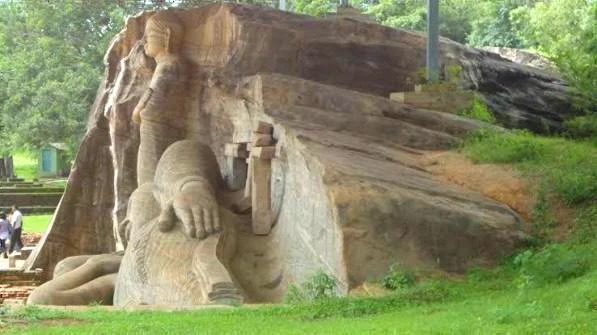
Gal Vihara is renowned for its four magnificent Buddha statues, each meticulously carved with astonishing precision and emotional depth. These monumental figures, dating back to the 12th century, are believed to have been commissioned by King Parakramabahu I, a visionary ruler who transformed Polonnaruwa into a thriving cultural and religious hub. Each statue presents a different posture, each conveying a distinct aspect of the Buddha's enlightenment and teachings, making it a truly unique artistic ensemble. 🧘‍♂️

1. The Seated Buddha (Samadhi) 🧘‍♀️

The first and arguably most famous of the quartet is the colossal seated Buddha, depicting the Buddha in a deep meditative state, known as 'Samadhi.' This awe-inspiring figure, standing approximately 4.6 meters (15 feet) tall, emanates an aura of profound tranquility and inner peace. The intricate details, from the delicate folds of the robe to the serene expression on the Buddha's face, showcase the mastery of the sculptors. The eyes are half-closed, suggesting introspection, while the slight smile hints at the bliss of enlightenment. It’s a powerful representation of the ultimate goal of Buddhist practice.

2. The Cave of the Seated Buddha (Vidyadhara Guha) 🌌

Adjacent to the large seated Buddha, within a small cave-like recess, is another, smaller seated Buddha. This image, though less imposing in scale, is equally captivating. It's believed to represent the Buddha delivering a sermon, surrounded by celestial beings (Vidyadharas) which were once painted on the cave walls, though little remains today. The subtle differences in posture and expression invite contemplation and highlight the nuanced artistic interpretations of the period.

3. The Standing Buddha (Parinirvana) 🚶‍♂️

Next in line is the enigmatic standing Buddha, towering at an impressive 7 meters (23 feet). This statue has been a subject of much scholarly debate. While traditionally interpreted as the Buddha in a standing posture, some art historians suggest it might represent the Buddha in the 'Parinirvana' or the final passing into nirvana, with the crossed arms symbolizing a state of profound peace and detachment. The slightly mournful expression and the unique posture contribute to its mysterious allure, making it a compelling subject for contemplation. The sheer scale and the sense of quiet dignity it embodies are truly remarkable.

4. The Reclining Buddha (Parinirvana) 🙏

The grand finale of Gal Vihara is the magnificent reclining Buddha, stretching an incredible 14 meters (46 feet) in length. This colossal figure unequivocally depicts the Buddha's 'Parinirvana,' his final departure from the cycle of rebirth. The serene expression, the gentle folds of the pillow, and the elegant drape of the robe are all rendered with extraordinary realism and sensitivity. The subtle nuances in the carving, particularly around the face, convey a sense of peaceful transcendence, a quiet acceptance of the end of earthly existence. It’s a powerful and moving portrayal of ultimate liberation. 🌅

🏛️ Historical Significance and Artistic Techniques

Gal Vihara is not just a collection of statues; it's a window into the sophisticated artistic and engineering capabilities of ancient Sri Lanka. The sculptors employed techniques that allowed them to carve these massive figures directly from the living rock, demonstrating an intimate understanding of geology and artistic vision. The precision of the carvings, the graceful lines, and the emotional depth conveyed in each face are truly remarkable, especially considering the tools available at the time. The site's preservation over centuries speaks volumes about the quality of the craftsmanship and the enduring reverence for these sacred images. Visiting Gal Vihara offers a unique opportunity to connect with a rich spiritual and cultural heritage, to witness firsthand the devotion and skill that shaped these timeless masterpieces. It’s a place where history whispers through the stone, inviting visitors to reflect on beauty, spirituality, and the passage of time. 🌍✨

🌿 Exploring the Surroundings: Polonnaruwa Ancient City

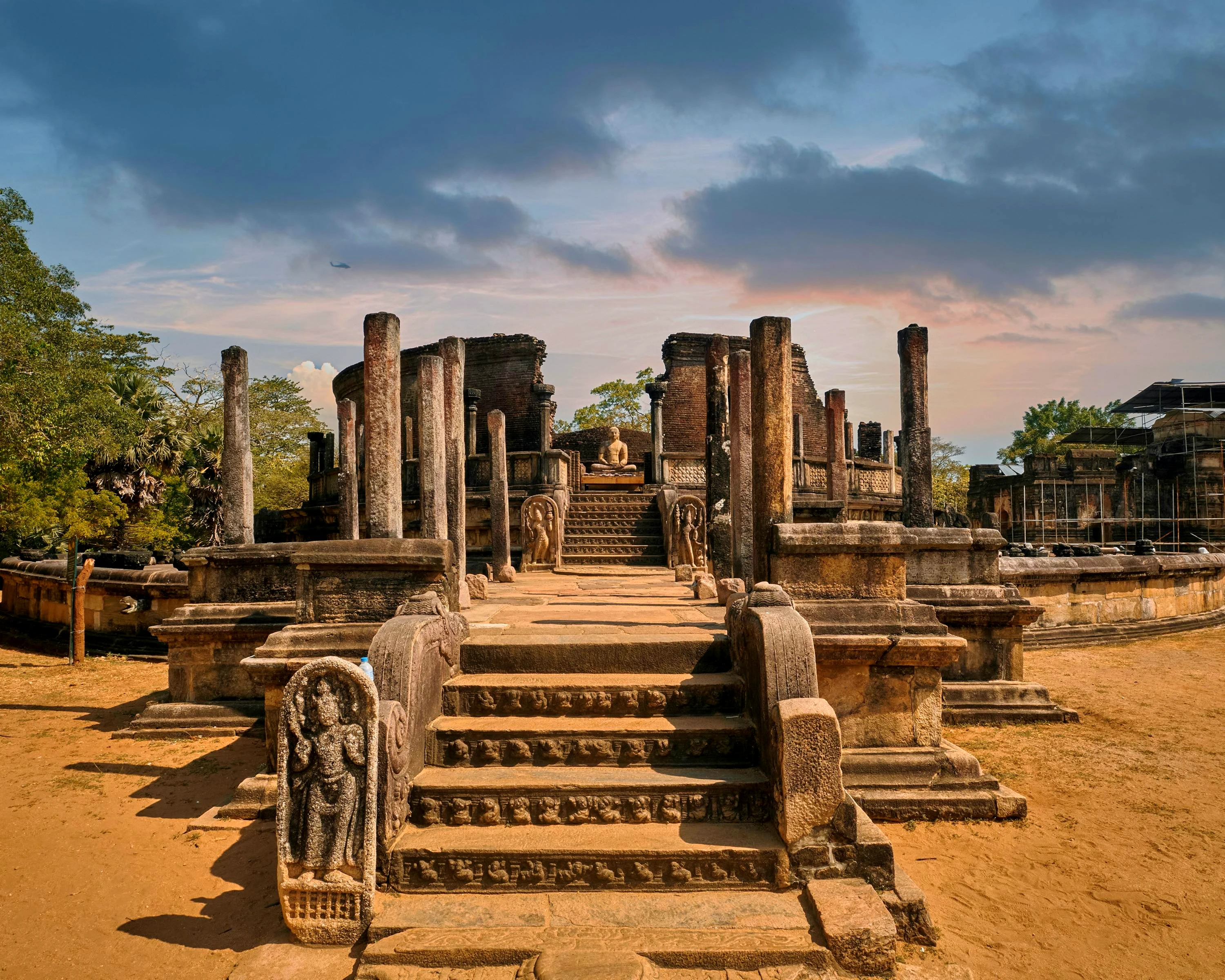
Gal Vihara is an integral part of the larger Polonnaruwa Ancient City complex, which is a treasure trove of archaeological wonders. After marveling at the rock-cut Buddhas, visitors can explore other significant sites within the ancient city, such as the Royal Palace, the Quadrangle, and various stupas and other temples. Renting a bicycle is a popular and enjoyable way to navigate the sprawling ruins, allowing for a leisurely exploration of this historically rich landscape. The entire area is steeped in history and offers countless opportunities for photography and reflection. 🚲🌳

Travel Context

Practical, Sri Lanka-specific detail for جال فيهارا — where it sits, how far it really is, what it costs and how to behave so your visit is welcome.

Where you are

This destination sits in بولوناروا, بولوناروا — بولوناروا District, Sri Lanka. Distances look short on a map but Sri Lankan roads are slow, so plan fewer stops per day than you would at home.

Distance from Colombo

Roughly 230 km by road from Colombo, which is about 6.1 hours depending on traffic, the route and the time of day. The straight-line distance is shorter — allow extra time for hill-country bends, wildlife crossings and roadside stops.

Climate & season

May to September The south and west coasts are driest from December to March; the east coast from April to September. Conditions change quickly in the hill country, where mist and afternoon rain are routine.

What it costs

Entry is listed as Included in Polonnaruwa Ancient City ticket. Budget separately for transport, food and any guide. Foreign-visitor tickets at major sites are priced in USD, and card machines are unreliable outside the main towns — carry rupees in small notes.

Etiquette & safety

Remove shoes and hats before entering sacred grounds, cover shoulders and knees, and never pose with your back to a Buddha image. Walk clockwise around dagobas, keep your voice low, and photograph people only with permission.

Best Time to Visit

Jan
Feb
Mar
Apr
May
Jun
Jul
Aug
Sep
Oct
Nov
Dec

Local Weather

Polonnaruwa Overcast clouds
30°
Feels like 33°C
58% 1.97 km/h
Overcast clouds
Keep Exploring

Related Travel Guides

Location & Map

بولوناروا, بولوناروا
Get Directions

Fuel Cost Calculator

How to Get There

🚗 Getting to Gal Vihara: Your Journey to Ancient Polonnaruwa

Gal Vihara is located within the ancient city of Polonnaruwa, a major historical site in Sri Lanka's North Central Province. Here's how you can get there:

🚂 By Train:

The closest major train station to Polonnaruwa is Polonnaruwa Railway Station itself. There are daily train services from Colombo Fort to Polonnaruwa. The journey can take 5-7 hours, offering scenic views of the Sri Lankan countryside. From the Polonnaruwa station, Gal Vihara is about a 10-15 minute tuk-tuk ride or a longer bicycle ride within the ancient city complex. 🚂💨

🚌 By Bus:

Polonnaruwa is well-connected by bus services from various parts of Sri Lanka. You can catch direct buses from major cities like Colombo, Kandy, Anuradhapura, and Dambulla. The main Polonnaruwa Bus Stand is located in the new town, from where you can take a local bus, tuk-tuk, or rent a bicycle to reach the ancient city and Gal Vihara. Bus journeys are generally more economical but can be longer. 🚌🛣️

🚕 By Car/Taxi/Tuk-tuk:

Hiring a private car with a driver or a taxi is the most convenient and comfortable way to reach Polonnaruwa and Gal Vihara, especially if you're traveling from Colombo or other distant locations. This offers flexibility in your itinerary and allows for stops along the way. Within Polonnaruwa, hiring a tuk-tuk for the day is an excellent option for exploring the ancient city, including Gal Vihara. Many hotels can arrange these services for you. 🚗💨

🚲 Within Polonnaruwa:

Once you are in Polonnaruwa, the best way to explore the ancient city, including Gal Vihara, is by renting a bicycle. There are numerous rental shops near the entrance to the archaeological park and in the new town. This allows you to leisurely cycle between the various sites, enjoying the historical atmosphere at your own pace. Tuk-tuks are also readily available for shorter distances or if you prefer not to cycle. 🚴‍♀️🗺️

Safety & Travel Tips

Respectful Attire: As a sacred Buddhist site, it's essential to dress modestly. Ensure your shoulders and knees are covered. Hats and shoes must be removed before entering the immediate vicinity of the statues. 👚👖 respectfully.
Best Time to Visit: Early morning or late afternoon are ideal. The light is softer for photography 📸, and the temperatures are cooler, making for a more comfortable experience. Avoid midday heat if possible.
Sun Protection: The Polonnaruwa area can get very hot. Bring a hat 👒, sunglasses 🕶️, and apply sunscreen generously. Stay hydrated by carrying plenty of water. 💧
Footwear: You'll be walking a lot and removing shoes at sacred sites. Wear comfortable, easy-to-remove footwear like sandals or flip-flops. Socks might be useful to protect your feet from the hot ground. 🦶
Entrance Ticket: Gal Vihara is part of the Polonnaruwa Ancient City complex. You will need to purchase an entrance ticket to the entire archaeological site, which covers all the ruins. Keep your ticket safe as it may be checked at various points. 🎫
Guide or Audio Guide: Consider hiring a local guide at the entrance or using an audio guide to fully appreciate the historical and spiritual significance of the statues and the site. They can provide valuable insights. 🗣️🎧
Photography: Photography is permitted, but be respectful and avoid flash photography directly at the statues. Do not climb on any of the ancient structures for photos. 🚫📸
Stay Hydrated: Carry a reusable water bottle and refill it frequently. Dehydration can be a concern, especially during peak hours. 🥤
Combine with Other Sites: Gal Vihara is one of many incredible sites in Polonnawura. Plan to spend a full day exploring the ancient city, perhaps by renting a bicycle 🚲 to navigate between sites like the Royal Palace, Quadrangle, and other temples.
Local Interactions: Be open to polite interactions with locals, but be wary of unsolicited offers for tours or goods. Always agree on prices before committing to a service.🤝

Sri Lanka Essentials

The things that catch visitors out on a first trip — money, connectivity, transport, health and the small etiquette rules that make a real difference.

Money & payments

The currency is the Sri Lankan rupee (LKR). Cards work in hotels, supermarkets and larger restaurants, but tuk-tuks, small entry gates, beach cafés and village shops are cash-only. Draw from bank ATMs in towns rather than standalone machines, keep small notes for change, and carry enough cash for two days when you head into the hill country or the north.

Connectivity & data

A local tourist SIM (Dialog, Mobitel or Hutch) is cheap and easy to buy at the airport or in any town with your passport. Coverage is good on the coasts and in towns, patchier in the Knuckles, parts of the north and inside national parks. Download offline maps and screenshots of bookings before remote drives.

Getting around

Trains are slow, scenic and very cheap — the hill-country line is the highlight. Buses cover almost everywhere but can be crowded. Tuk-tuks suit short hops; agree the fare first or use a metered app. Private drivers are good value for multi-stop days. Distances take longer than the map suggests: 100 km can easily be three hours.

Health & safety

Dengue is present, so use repellent and cover up at dusk. Drink bottled or filtered water, and be careful with ice in remote places. The sun is strong even when overcast. Pharmacies are common in towns; serious care is concentrated in Colombo. Travel insurance that covers adventure activities is worth having.

Responsible travel

Sri Lanka is small and heavily visited — small choices add up. Refuse plastic bags and single-use bottles where you can, avoid elephant rides and any attraction that chains wildlife, dress modestly at religious sites, and buy directly from local guides, homestays and cafés rather than international middlemen.

Holidays & opening hours

Poya (full moon) days are public holidays: temples are busy, some shops close and the sale of alcohol is restricted. Many archaeological sites open at 7am and close by 5–6pm, and last entry is usually an hour earlier. Check opening days before building a long drive around one site.

Traveler Reviews (0)

Be the first to review جال فيهارا!

✍️ Leave a Review

Frequently Asked

The four statues at Gal Vihara are monumental rock-cut Buddha figures, each depicting a different posture and aspect of the Buddha's life or teachings. They showcase the highly advanced artistry of the Polonnaruwa period and are considered masterpieces of ancient Sinhalese sculpture, reflecting deep spiritual devotion and artistic skill.
No, Gal Vihara is part of the larger Polonnaruwa Ancient City archaeological complex. You will need to purchase one entrance ticket for the entire ancient city, which grants you access to all the ruins within the designated area, including Gal Vihara.
The most popular and enjoyable way to explore the sprawling Polonnaruwa Ancient City, including Gal Vihara, is by renting a bicycle. This allows you to leisurely cycle between the various sites at your own pace. Alternatively, you can hire a tuk-tuk for the day.
As Gal Vihara is a sacred Buddhist site, it is important to dress respectfully. This means ensuring your shoulders and knees are covered. You will also be required to remove your shoes and hats before entering the immediate vicinity of the statues.
While you can spend about 30-60 minutes admiring the statues at Gal Vihara itself, it is recommended to allocate at least half a day, or even a full day, to explore the entire Polonnaruwa Ancient City. Gal Vihara is just one of many magnificent sites within the complex.
Weekly Dispatch

Get Travel Inspiration

Hidden gems, local tips & exclusive guides from Sri Lanka, Asia and beyond — delivered to your inbox, weekly.

No spam, ever. Unsubscribe anytime.