شلالات ديفون

شلالات ديفون

4.5 · 0 reviews 107 views Last updated Nov 19, 2026
4.5Rating
The dry season (February-April, October) offers clearer skies, while the monsoon (May-September, November-January) showcases the falls at their most powerful.Best Time
FreeEntry Fee
2 HoursSuggested Time
EasyDifficulty
4 minRead Time

Where to stay near شلالات ديفون

Compare live prices with our booking partners.

Some links below are affiliate links. If you book through them we may earn a small commission — at no extra cost to you. How this works.

Cost & practical info

Entry fee Free Confirm current fees on site
Best time to visit The dry season (February-April, October) offers clearer skies, while the monsoon (May-September, November-January) showcases the falls at their most powerful.
Suggested time 2 Hours
Difficulty Easy

Prices and opening hours can change — always confirm with the official site before you travel.

The Guide

⛰️ Introduction to Devon Falls: The Veil of the Valley

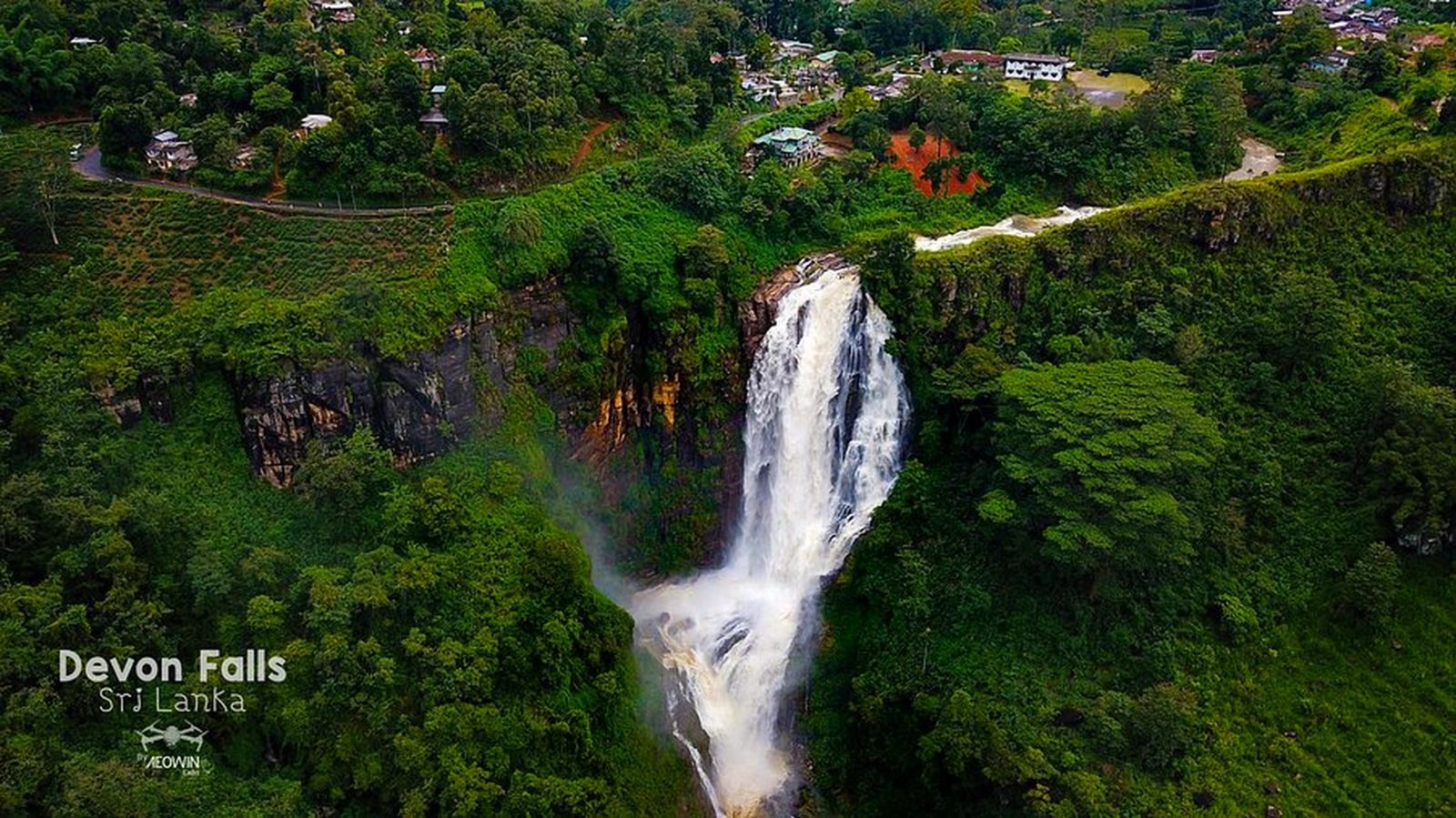
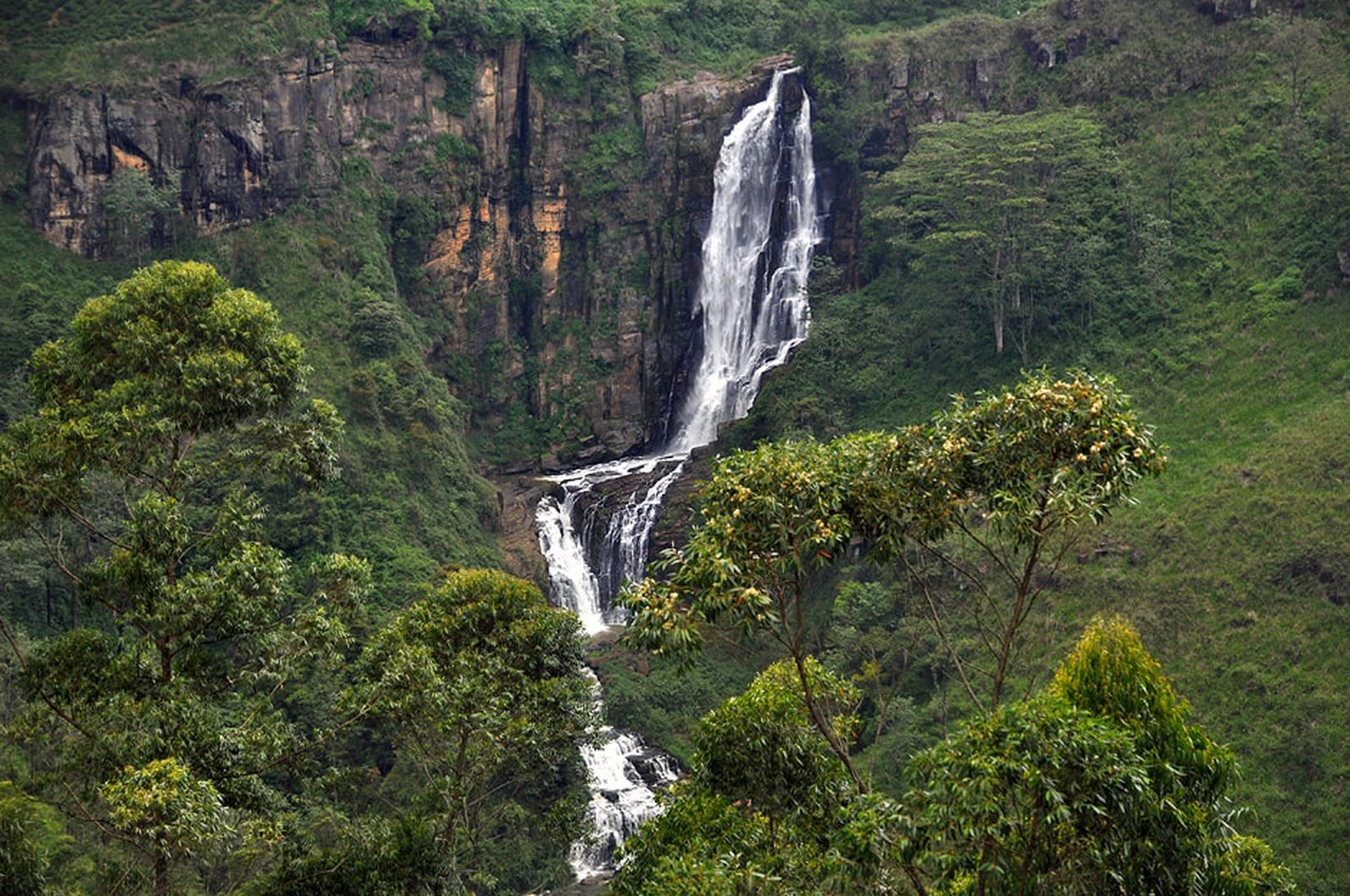
Nestled amidst the emerald embrace of Sri Lanka's central highlands, Devon Falls stands as a breathtaking testament to nature's raw power and exquisite beauty. Often referred to as the 'Veil of the Valley' due to its delicate, curtain-like appearance, this magnificent waterfall is a must-visit for anyone exploring the picturesque tea country. Plunging dramatically from a height of approximately 97 meters (318 feet), Devon Falls is one of the island's most iconic natural wonders, captivating visitors with its sheer grandeur and the soothing symphony of its cascading waters. Named after a pioneer English coffee planter, Devon Falls offers not just a visual spectacle but an immersive experience into the heart of Sri Lanka's pristine wilderness. 🌿📸

💧 The Majestic Cascade and its Surroundings

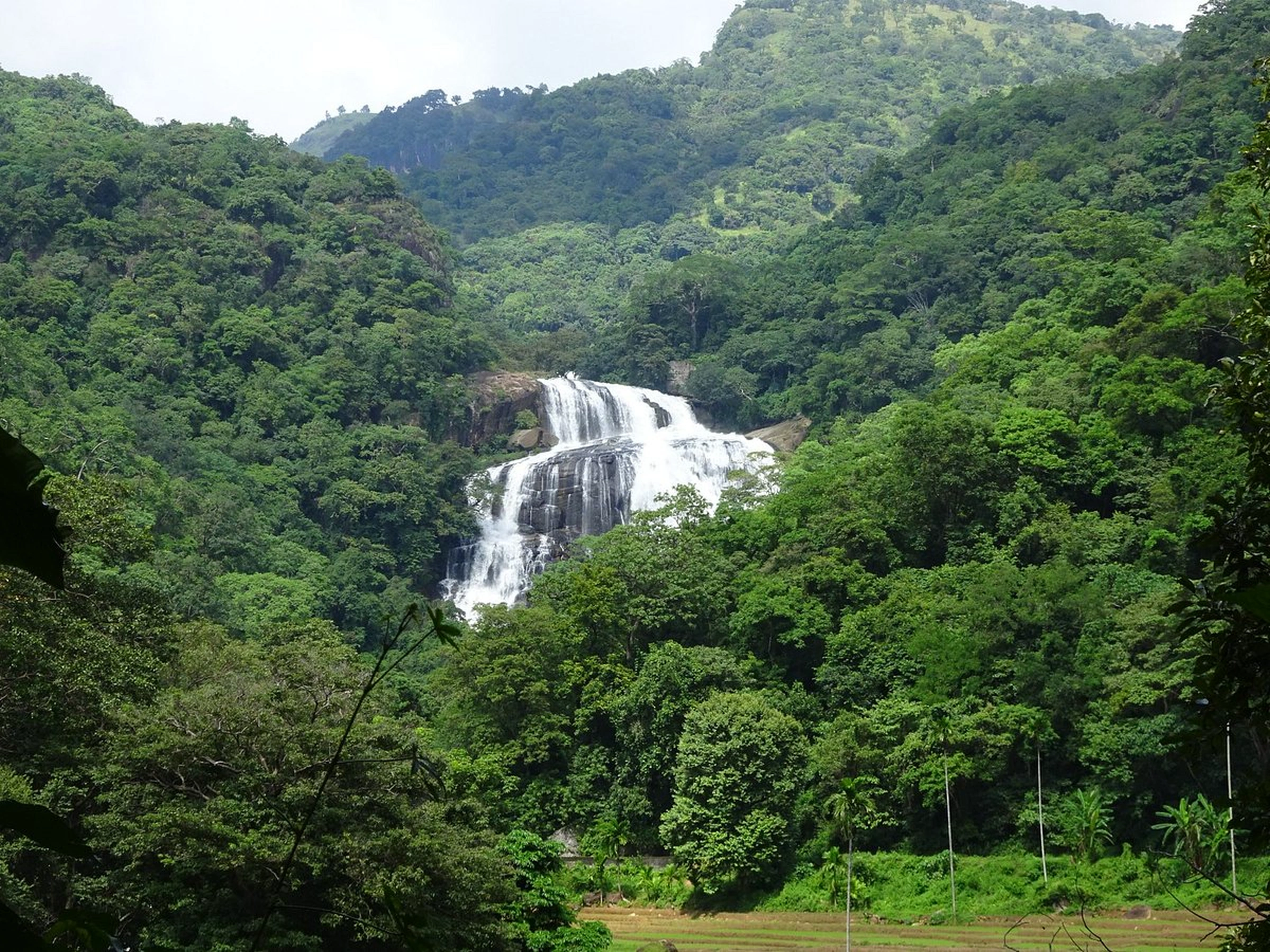
The journey to Devon Falls itself is part of the adventure, winding through verdant tea plantations that carpet the rolling hillsides. As you approach, the roar of the falls grows louder, building anticipation for the stunning vista that awaits. The waterfall originates from the Kothmale Oya, a tributary of the Mahaweli River, and tumbles down a series of rocky ledges, creating a mesmerizing display of white foam against the dark rock face. The surrounding landscape is a vibrant tapestry of lush greenery, with the air crisp and fragrant with the scent of tea leaves and damp earth. It's a photographer's paradise, offering countless angles to capture its majestic beauty, especially during the monsoon season when the falls are at their most voluminous. 🌧️🌳

One of the best vantage points to admire Devon Falls is from the A7 highway (Nuwara Eliya-Hatton Road), where several designated viewpoints offer panoramic scenes. Many visitors also stop at the nearby Mlesna Tea Centre or St. Clair's Tea Centre, which provide excellent views of both Devon Falls and its equally stunning neighbour, St. Clair's Falls. Imagine sipping a freshly brewed cup of Ceylon tea while gazing at this natural masterpiece – it's an experience that truly encapsulates the charm of the Sri Lankan highlands. The sheer scale of the falls can be truly humbling, reminding us of the immense forces that shape our planet. ☕🏞️

🚶‍♀️ Exploring the Vicinity and Local Culture

While Devon Falls is primarily a viewpoint attraction, the area around it offers a rich cultural experience. The tea estates themselves are fascinating to explore, offering insights into the tea-making process from pluck to cup. Many estates offer guided tours where you can learn about the history of Ceylon tea, witness tea pluckers at work, and even participate in a tasting session. This region is also home to a diverse community, primarily Tamil tea estate workers whose vibrant culture adds another layer of richness to your visit. You might encounter local markets selling fresh produce and handicrafts, providing a glimpse into daily life in the highlands. 🌺👨‍🌾

For the more adventurous, there are opportunities for short hikes in the surrounding hills, though direct access to the base of the falls can be challenging and is often discouraged for safety reasons due to slippery rocks and strong currents. However, the numerous viewpoints along the main road are perfectly adequate for enjoying the spectacle. The cool climate of the highlands provides a refreshing escape from the coastal heat, making it an ideal destination for those seeking tranquility and natural beauty. Keep an eye out for local wildlife; while large animals are rare, you might spot various bird species flitting among the trees or playful monkeys in the distant foliage. 🐒🐦

🌅 Best Time for a Visit and Photography Tips

The beauty of Devon Falls changes with the seasons. During the monsoon months (typically May to September and November to January), the falls are at their most powerful and impressive, gushing with an incredible volume of water. However, clear skies for photography can be elusive during these periods. The dry season, from February to April and October, offers clearer views and more predictable weather, though the water flow might be slightly less dramatic. Regardless of the season, early mornings or late afternoons often provide the best light for photography, with the sun casting a golden glow over the landscape or creating beautiful rainbows in the mist. Remember to bring a wide-angle lens to capture the full grandeur of the falls and a polarizing filter to reduce glare and enhance colours. 📸🌈

A visit to Devon Falls is more than just seeing a waterfall; it's an encounter with the soul of Sri Lanka's hill country. It's a moment to pause, breathe in the fresh mountain air, and marvel at the timeless beauty of nature. Whether you're a nature lover, a keen photographer, or simply seeking a serene escape, Devon Falls promises an unforgettable experience that will leave you refreshed and inspired. Don't forget to charge your camera and prepare to be mesmerized by this majestic natural wonder. 🌟❤️

Travel Context

Practical, Sri Lanka-specific detail for شلالات ديفون — where it sits, how far it really is, what it costs and how to behave so your visit is welcome.

Where you are

Located in Sri Lanka. Distances look short on a map but roads are slow, so plan fewer stops per day than you would at home.

Distance from Colombo

Roughly 115 km by road from Colombo, which is about 3 hours depending on traffic, the route and the time of day. The straight-line distance is shorter — allow extra time for hill-country bends, wildlife crossings and roadside stops.

Climate & season

The dry season (February-April, October) offers clearer skies, while the monsoon (May-September, November-January) showcases the falls at their most powerful. The south and west coasts are driest from December to March; the east coast from April to September. Conditions change quickly in the hill country, where mist and afternoon rain are routine.

What it costs

Entry is listed as Free. Budget separately for transport, food and any guide. Foreign-visitor tickets at major sites are priced in USD, and card machines are unreliable outside the main towns — carry rupees in small notes.

Etiquette & safety

Never swim directly under the main drop — plunge pools can recirculate even when the surface looks calm. Avoid swimming after heavy rain, wear shoes with grip on wet rock, and take all rubbish out with you.

Local Weather

Talawakele Light rain
27°
Feels like 28°C
56% 2.28 km/h
Light rain
Keep Exploring

Related Travel Guides

Location & Map

Get Directions

Fuel Cost Calculator

How to Get There

🚂 By Train:

The most scenic way to reach the vicinity of Devon Falls is by train. Take the iconic train journey from Kandy or Colombo Fort to Hatton station. From Hatton, you can hire a tuk-tuk or a taxi for the short drive (approximately 30-45 minutes) along the A7 highway towards Nuwara Eliya. The train ride itself is an experience, offering breathtaking views of tea plantations and mountains. 🏞️🚆

🚌 By Bus:

Regular bus services operate from major cities like Kandy, Colombo, and Nuwara Eliya to Hatton. Once you reach Hatton bus stand, you can easily find a tuk-tuk or local bus heading towards Nuwara Eliya that will pass by the viewpoints for Devon Falls. The bus journey is more economical but can be less comfortable than the train. 🚍

🚗 By Car/Tuk-tuk:

Hiring a private car with a driver or a tuk-tuk is a convenient option, especially if you're traveling with family or prefer flexibility. Devon Falls is located directly beside the A7 highway (Nuwara Eliya-Hatton Road). There are several designated viewpoints along the road, making it easy to stop and admire the falls. This allows you to combine your visit with other nearby attractions like St. Clair's Falls and tea factories. 🚕💨

Safety & Travel Tips

📸 Bring your camera! The views are spectacular, especially during the monsoon season.
🧥 Carry a light jacket or shawl as the mountain air can be cool, especially in the mornings and evenings.
👟 Wear comfortable walking shoes if you plan to explore the surrounding tea estates or viewpoints.
💧 Stay hydrated; consider carrying a reusable water bottle.
🛑 Be cautious when stopping on the roadside for photos; ensure it's a safe spot and be aware of traffic.
☕ Combine your visit with a stop at a nearby tea factory or tea centre for a refreshing cup of Ceylon tea and panoramic views.
🗑️ Please respect nature and dispose of your waste responsibly.
☀️ Visit during the dry season (February-April, October) for clearer skies, or the monsoon (May-September, November-January) for a more powerful cascade.

Nearby Amenities

🍽️ Restaurants/Tea Centres: Several tea centres (e.g., Mlesna Tea Centre, St. Clair's Tea Centre) with restaurants and cafes offering stunning views of the falls and refreshments are located along the A7 highway.
🏨 Hotels/Guesthouses: Accommodation options ranging from luxury hotels to budget-friendly guesthouses are available in nearby towns like Hatton and Nuwara Eliya.
⛽ Fuel Stations: Available in Hatton and Nuwara Eliya.
ATM ATMs: Found in the larger towns of Hatton and Nuwara Eliya.
🏥 Hospitals/Medical Facilities: Basic medical facilities are available in Hatton, with larger hospitals in Nuwara Eliya.
🛍️ Souvenir Shops: Tea centres often have shops selling Ceylon tea and local souvenirs.

Sri Lanka Essentials

The things that catch visitors out on a first trip — money, connectivity, transport, health and the small etiquette rules that make a real difference.

Money & payments

The currency is the Sri Lankan rupee (LKR). Cards work in hotels, supermarkets and larger restaurants, but tuk-tuks, small entry gates, beach cafés and village shops are cash-only. Draw from bank ATMs in towns rather than standalone machines, keep small notes for change, and carry enough cash for two days when you head into the hill country or the north.

Connectivity & data

A local tourist SIM (Dialog, Mobitel or Hutch) is cheap and easy to buy at the airport or in any town with your passport. Coverage is good on the coasts and in towns, patchier in the Knuckles, parts of the north and inside national parks. Download offline maps and screenshots of bookings before remote drives.

Getting around

Trains are slow, scenic and very cheap — the hill-country line is the highlight. Buses cover almost everywhere but can be crowded. Tuk-tuks suit short hops; agree the fare first or use a metered app. Private drivers are good value for multi-stop days. Distances take longer than the map suggests: 100 km can easily be three hours.

Health & safety

Dengue is present, so use repellent and cover up at dusk. Drink bottled or filtered water, and be careful with ice in remote places. The sun is strong even when overcast. Pharmacies are common in towns; serious care is concentrated in Colombo. Travel insurance that covers adventure activities is worth having.

Responsible travel

Sri Lanka is small and heavily visited — small choices add up. Refuse plastic bags and single-use bottles where you can, avoid elephant rides and any attraction that chains wildlife, dress modestly at religious sites, and buy directly from local guides, homestays and cafés rather than international middlemen.

Holidays & opening hours

Poya (full moon) days are public holidays: temples are busy, some shops close and the sale of alcohol is restricted. Many archaeological sites open at 7am and close by 5–6pm, and last entry is usually an hour earlier. Check opening days before building a long drive around one site.

Traveler Reviews (0)

Be the first to review شلالات ديفون!

✍️ Leave a Review

Frequently Asked

Early mornings or late afternoons are generally best for photography due to the softer light and fewer crowds. The falls are visible throughout the day, but the light quality changes.
No, there is no entry fee to view Devon Falls from the roadside viewpoints. It is freely accessible to the public.
Direct access to the base of Devon Falls is challenging and generally not recommended for swimming due to strong currents, slippery rocks, and safety concerns. It is primarily a viewing attraction.
Yes, St. Clair's Falls (also known as the 'Little Niagara of Sri Lanka') is very close by. You can also visit numerous tea factories, explore tea plantations, and enjoy the scenic town of Nuwara Eliya.
A dedicated stop to admire the falls and take photos usually takes about 15-30 minutes. If you combine it with a visit to a tea centre, it could extend to an hour or more.
Weekly Dispatch

Get Travel Inspiration

Hidden gems, local tips & exclusive guides from Sri Lanka, Asia and beyond — delivered to your inbox, weekly.

No spam, ever. Unsubscribe anytime.